- English
- French
- German
- Portuguese
- Spanish
- Russian
- Japanese
- Korean
- Arabic
- Greek
- German
- Turkish
- Italian
- Danish
- Romanian
- Indonesian
- Czech
- Afrikaans
- Swedish
- Polish
- Basque
- Catalan
- Esperanto
- Hindi
- Lao
- Albanian
- Amharic
- Armenian
- Azerbaijani
- Belarusian
- Bengali
- Bosnian
- Bulgarian
- Cebuano
- Chichewa
- Corsican
- Croatian
- Dutch
- Estonian
- Filipino
- Finnish
- Frisian
- Galician
- Georgian
- Gujarati
- Haitian
- Hausa
- Hawaiian
- Hebrew
- Hmong
- Hungarian
- Icelandic
- Igbo
- Javanese
- Kannada
- Kazakh
- Khmer
- Kurdish
- Kyrgyz
- Latin
- Latvian
- Lithuanian
- Luxembou..
- Macedonian
- Malagasy
- Malay
- Malayalam
- Maltese
- Maori
- Marathi
- Mongolian
- Burmese
- Nepali
- Norwegian
- Pashto
- Persian
- Punjabi
- Serbian
- Sesotho
- Sinhala
- Slovak
- Slovenian
- Somali
- Samoan
- Scots Gaelic
- Shona
- Sindhi
- Sundanese
- Swahili
- Tajik
- Tamil
- Telugu
- Thai
- Ukrainian
- Urdu
- Uzbek
- Vietnamese
- Welsh
- Xhosa
- Yiddish
- Yoruba
- Zulu
How Can GR5 Titanium Bars Improve Structural Strength?
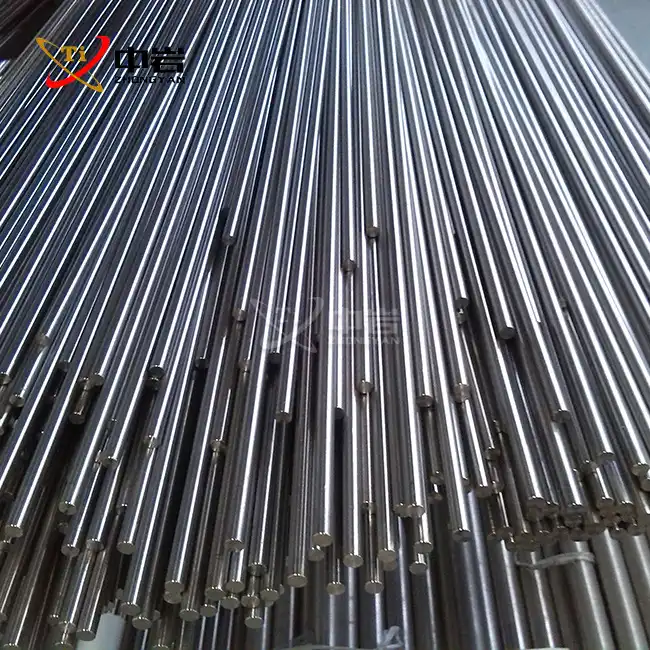
GR5 titanium bars are a good choice when engineers need to make quick decisions about which material to use for high-stress tasks. These bars are made of a metal called Ti-6Al-4V. They have a mass of only 4.43 g/cm³ and a tensile strength of over 900 MPa and a yield strength of over 850 MPa. This amazing strength-to-weight ratio solves structural problems in aircraft frames, medical implants, and industrial machines where other materials fall short in either performance or efficiency. Because it is made up of 6% aluminum and 4% vanadium, the alloy can hold more weight and prevent corrosion, which makes it essential for harsh industrial settings.
Understanding GR5 Titanium Bars and Their Core Properties
The science behind Ti-6Al-4V metal shows why it makes up more than half of the world's titanium market. Unlike commercially pure titanium grades, this alpha-beta alloy blends the strength-boosting effects of aluminum with the stabilizing effects of vanadium on the beta phase. This makes the mechanical qualities better at high temperatures up to 400°C.
Material Composition and Certification Standards
At Zhongyan, our GR5 titanium bars are made to strict international standards like AMS 4928, ASTM B348, and ISO 5832-2. The chemical makeup stays within very tight limits: the amount of aluminum is between 5.5 and 6.75%, the amount of vanadium is between 3.5 and 4.5%, and the amounts of oxygen (≤0.20%), carbon (≤0.08%), and nitrogen (≤0.05%) are controlled in the spaces between the atoms. This strict control over the makeup makes sure that all batches of the product have the same mechanical behavior, which is what purchasing managers want to ensure the quality.
The bars are put through a lot of different tests. We give out EN 10204 3.1 Mill Test Certificates that show the results of chemistry tests, tension tests, and heat treatment conditions that are unique to each heat number. This helps make sure that quality control rules are followed in controlled fields like making medical devices and aircraft parts.
Mechanical Performance Metrics
When you look at key mechanical qualities, you can measure the structural benefits. When you look at our cold-drawn bars with a smooth finish, they:
- Tensile strength: Strong enough to tear at least 900 MPa (compared to 345 MPa for Grade 2 titanium).
- Yield strength: Strength at break: ≥850 MPa (almost three times the grade of pure titanium)
- Elastic modulus: 114 GPa (more like bone than stainless steel)
- Hardness: 36 HRC (provides protection to wear)
- Elongation: ≥10% (makes sure it can be bent for shaping)
In the real world, these traits show up in results. A bar with a thickness of 10 mm and a weight of about 2.5 kg/m can hold loads that would need much heavier stainless steel bars. The modulus of 114 GPa of the material makes it stiff enough for structural uses, but not as good at protecting against stress in biological devices as cobalt-chromium alloys.
Available Specifications and Surface Treatments
Customization is possible based on exact technical needs, thanks to the freedom of manufacturing. Standard widths are between 6 mm and 300 mm, and lengths can go up to 6000 mm for certain uses. Our cold-drawn method keeps the h9 tolerance, which makes sure that the dimensions are correct for CNC cutting without taking away too much material.
Surface finishes have a big effect on the processing that comes after. The bright, polished surface gets rid of the alpha case layer that forms during hot working. This gets rid of the oxygen-rich zone that makes tool wear worse during cutting. This preparation cuts down on CNC cycle times and increases the life of cutting tools, which lowers the overall cost of production for large batches.
Comparing GR5 Titanium Bars with Alternative Materials
When choosing a material, you have to weigh several performance factors against the cost of acquisition and the cost over its entire life. Knowing how Ti-6Al-4V metal stacks up against other options makes its value argument clearer.
Performance Against Other Titanium Grades
Commercially pure titanium grade 2 is very good at resisting rust but not very strong. It bends under loads that GR5 titanium bars can easily handle because its yield strength is about 275 MPa. When procurement teams have to choose between grades, they have to look at the needs of the application. For example, Grade 2 is cheaper because it is exposed to seawater, but dynamic loading conditions require the strength of Ti-6Al-4V metal.
The extra-low interstitial version with less oxygen is grade 23 (GR5 ELI), which makes the material harder to break. This is very important for uses that are likely to break, like hip implants that are loaded and unloaded millions of times. The better flexibility of the material lowers the chance of brittle failure, but it costs about 15-20% more than regular GR5 material.
Strength-to-Weight Ratio Advantages
The density benefit of Ti-6Al-4V metal bars is what makes them unique. They are about 55% lighter than steel (4.43 g/cm³) but are just as strong. This mathematical relationship can be used to solve technical problems:
GR5 material can be used to make aircraft fasteners that have the same clamping power as steel ones but are almost half as heavy. Over the course of an airplane's structure, made up of thousands of screws, this weight loss leads to better fuel economy and more cargo space. The effect on the economy goes beyond the cost of the materials because it saves money on running costs over many years of service.
When compared to aluminum metals, Ti-6Al-4V bars are twice as strong and 60% denser. This ratio helps titanium in high-stress situations where aluminum's lower strength would mean that parts need to be bigger, which would cancel out its density advantage and make the design less efficient.
Corrosion Resistance and Lifecycle Value
Long-term cost-effectiveness is based on how long materials last in tough settings. When chloride is present, GR5 titanium bars create a steady, self-healing oxide layer that stops general corrosion, pitting corrosion, and crevice corrosion. In naval settings, stainless steels can crack from stress corrosion, but Ti-6Al-4V metal stays strong even when it's exposed to salt water.
Titanium bars are used in chemical handling equipment that lasts for decades without needing to be replaced. The starting cost of materials is 300–400% higher than for stainless steel, but the total cost of ownership is lower because there is no corrosion-related upkeep, unplanned downtime, or early replacement. Buying studies that include lifetime forecasts for 20 years always show that titanium is better for harsh chemical environments.
How GR5 Titanium Bars Solve Structural Strength Challenges
Real-life engineering problems show where the Ti-6Al-4V metal makes a difference that can be measured. Knowing about these tools helps buying teams find chances to improve their work.
Addressing Weight-Critical Design Constraints
Aerospace buildings need to be as strong as possible while also being as light as possible. GR5 titanium bars are used to make parts of airplane landing gear that can withstand impact loads during landing while lowering unsprung mass, which can affect how the plane handles. The annealed state makes it possible to machine shapes that aren't simple. After annealing, solution treatment, and aging can improve strength by 20 to 25 percent.
Similar benefits can be seen in the suspension parts of racing vehicles. Titanium connecting rods in high-performance engines lower the moving mass, which lets them run at higher RPMs without breaking. When properly made, Ti-6Al-4V bars can withstand millions of stress cycles under a wide range of loading situations that would break metal alternatives.
Overcoming Corrosion-Induced Failures
Marine buildings that are exposed to saltwater suffer from intense corrosion that breaks down most materials. Machined offshore platform parts made from GR5 bars keep their shape and ability to hold weight for decades of use. The substance doesn't break down easily when exposed to hydrogen sulfide, which weakens high-strength steels in bad service conditions.
The same is true for chemical manufacturing equipment that works with acidic media. Ti-6Al-4V alloy is used to make valve stems, pump shafts, and the inside of reactor vessels. It keeps their mechanical properties in acidic or alkaline environments and doesn't let rusted metal bits get inside. This dependability keeps output from stopping for long periods of time, which costs a lot, and keeps product quality problems from happening.
Enhancing Biomedical Implant Performance
Medical device makers use more than one property at the same time. Biocompatibility means that orthopedic implants don't rust in human fluids and have the same mechanical properties as bone. All of the requirements are met by GR5 titanium bars. The 114 GPa density lowers stress shielding, which breaks down bone around stronger implants.
Fixtures for dental implants made from Ti-6Al-4V metal allow for osseointegration, which is direct bone-to-implant bonding that ensures long-term security. The strength of the material lets the implant be smaller for minimally invasive surgery while still supporting full masticatory loads. When surface processes are applied to machined parts, they improve bone cell attachment even more without changing the bulk mechanical properties.
Procurement Insights: How to Source High-Quality GR5 Titanium Bars
The choice of supplier affects the quality of the materials, the reliability of shipping, and the total cost of purchase. Strategic buying methods reduce risks in the supply chain and get the best value for money.
Evaluating Supplier Qualifications
Certificates are the first step in evaluating a manufacturer's ability to do its job. Quality management systems that are ISO 9001:2015 compliant show that process control is mature. Suppliers should keep written records of the steps they take to check the quality of raw materials, review work in progress, and do final tests. If building audit records are available, ask for them, or do supplier assessments for large purchases.
Technical skills are just as important. The use of advanced CNC machine centers, centerless cutting equipment, and non-destructive testing tools shows that quality has been prioritized. Suppliers that offer heat treatment services offer complete options that make transportation simpler. Our factory is in Baoji, which is known as the titanium production hub of China. It is close to sources of raw materials and has high-tech processing equipment that keeps costs low without sacrificing quality.
Specification and Testing Requirements
For bars, purchase orders should clearly list the relevant standards, such as ASTM B348 for bars, ISO 5832-2 for medical uses, or AMS 4928 for aircraft parts. Include necessary amounts for tensile and yield strength, elongation, and hardness in the mechanical property standards. The type of surface finish—as-rolled, cut, or polished—affects both the cost and the preparation that comes after.
Shipments must come with material test results. The EN 10204 3.1 certificate is an independent check of the chemical and mechanical qualities. Reports from dimensional inspections show straightness and diameter limits. For important uses, ask for papers that show the material is internally sound and doesn't have any flaws that could cause fatigue cracks.
Lead Time and Volume Considerations
Standard diameter bars in stock usually get sent out within two to three weeks. Custom sizes that need special production runs can make wait times 6 to 8 weeks longer, based on when the mills are scheduled to work. When making purchases, these dates should be taken into account, especially when working with production or project goals.
Minimum order numbers show how much it costs to make something. Standard sizes may have low MOQs of 100 to 500 kg, but special specs may need 1000 kg minimums to cover the costs of making the tools and setting them up. Committing to buy in bulk can often get you better prices. Blanket purchase orders with planned releases can save you money and help you keep track of your goods.
Optimizing Structural Strength with GR5 Titanium Bars—Best Practices
To get the most out of an object, you need to understand it from the time it is designed until it is used. Best practices for implementation make sure that theoretical benefits are turned into real benefits.
Design Integration Strategies
When designing parts, titanium's unique properties must be taken into account. The low heat conductivity of the material (about 7 W/m·K compared to 50 W/m·K for steel) makes it harder to weld and machine. Designs should include the right section width for welding, and the choice of filler metal should fit the makeup of the base material to maintain the mechanical and corrosion protection.
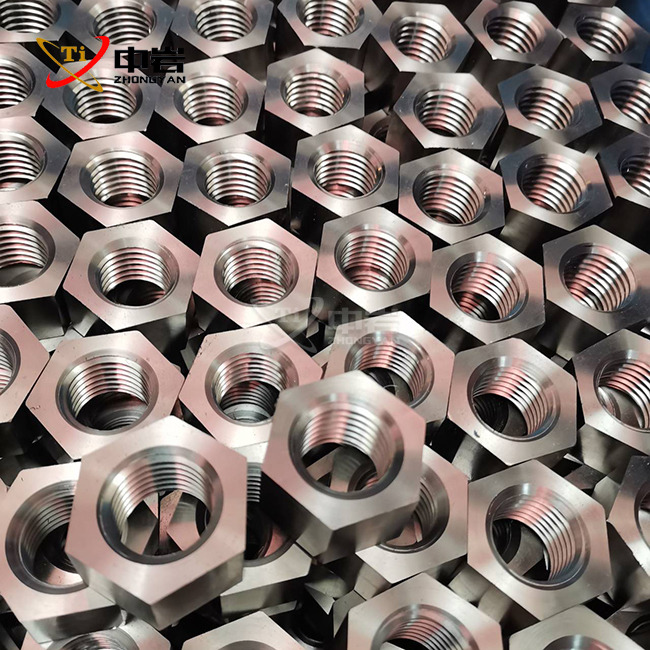
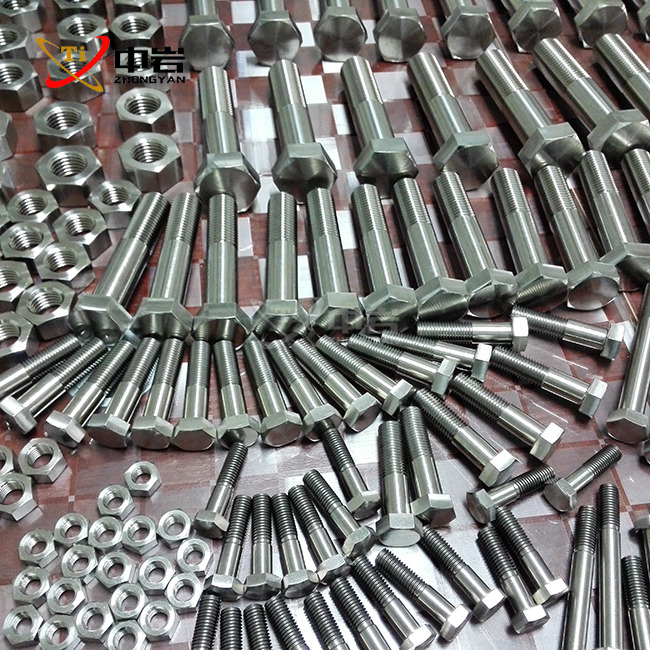
When designing threads, you need to be extra careful. Because titanium tends to gall when it's being put together, thread shapes, lubrication, and pressure requirements must be carefully chosen. Coarse threads with a larger root radius spread out the load and prevent galling from happening. Anti-seize chemicals made especially for GR5 titanium bars keep threads from seizing up when parts are taken apart after a long time of use.
Heat Treatment Optimization
The best machinability and tensile strength are found when the metal is annealed (usually heated to 700–800°C and then cooled in air). This temper is good for most structural uses that need a mix of hardness and flexibility. After being made in the annealed state, parts can be heated to improve their features.
Solution treatment and aging (STA) make people much stronger. Tensile strength can be raised to about 1100 MPa by solution treatment at 900–950°C, then rapidly cooling and hardening at 500–600°C. This process is best for parts that are under a lot of stress and where saving weight is worth the extra cost and loss of flexibility. To keep the part from warping from thermal stress release, the process has to happen after the final machining.
Maintenance and Inspection Protocols
Regular inspections find possible problems before they cause damage to the structure. Visual inspection finds damage to the surface, and regular checking of the dimensions makes sure that the parts stay within the tolerances after being heated and cooled or loaded mechanically. Ultrasonic screening can find internal flaws or the start of a crack in components that are sensitive to fatigue.
Surface protection enhances already-excellent corrosion resistance. While generally unnecessary for most environments, anodizing provides color coding for part identification and modest improvement in wear resistance. Passivation processes improve the protective oxide layer after machining operations that may have introduced surface contaminants.
Emerging Applications and Sustainability
Using Ti-6Al-4V metal powder in additive printing opens up more design options. Traditional cutting can't handle complex shapes. Topology optimization cuts down on material waste and improves the efficiency of structures. For low-volume, high-complexity parts, hybrid methods that combine metal bars with added features can save money.
Sustainability concerns are becoming more and more important in choosing materials. Titanium is better for the world than alternatives that need to be changed often because it can be recycled and lasts a long time. The aerospace industry's focus on fuel economy makes titanium's environmental benefits even greater because it reduces emissions during operations, which are greater than the carbon footprint of manufacturing over the lifetime of an airplane.
Conclusion
In conclusion, for structural uses that need high strength-to-weight ratios and resistance to rust, Ti-6Al-4V metal bars are the best choice. The material has a confirmed tensile strength of more than 900 MPa and a density of only 4.43 g/cm³. This makes it possible for designs in the aerospace, medical, and industry sectors that need to be lightweight. Understanding the properties of the materials, choosing reliable sources with strict standards, and using the right heat treatments for each application are all important for a successful adoption. When lifetime cost analysis is used in purchasing choices, the result is always better value, even if the materials are more expensive at first. This is because the product will last for decades without needing any repairs, which cancels out the higher initial costs. Strategic relationships with experienced makers guarantee the quality of materials, expert support, and on-time delivery that are necessary for difficult engineering projects.
FAQ
What differentiates GR5 from Grade 2 titanium?
Grade 2 titanium is economically pure and has a yield strength of about 275 MPa. It is very resistant to rust but can't hold much structural weight. At 850 MPa minimum yield, Ti-6Al-4V alloy (GR5) is almost three times as strong as pure grades, so it can be used in load-bearing situations where pure grades would fail. Adding aluminum and vanadium to a metal changes its mechanical qualities while keeping its resistance to corrosion. This is why structural components cost 40–60% more than other parts.
Can GR5 titanium bars be welded reliably?
When welding Ti-6Al-4V, it's important to keep the area clean. At high temperatures, the material easily takes in oxygen, nitrogen, and hydrogen, which weakens it. For welding to work, there must be a neutral gas screen (argon or helium) covering both the weld pool and the backside that is cooling. TIG welding is good for thin pieces, but electron beam or laser welding is better for bigger things. Friction stir welding is a way to join solid objects together without the risk of contamination.
How does heat treatment affect material properties?
Bars that have been annealed have a tensile strength of about 900 MPa and an extension of more than 10%. Solution treatment and age make the strength about 1100 MPa higher, but they also make the expansion 8–10% lower. The old state is best for parts that are under a lot of stress and need to be as strong as possible while still being flexible. To keep the dimensions from changing after stress release, heat treatment must come after the final cutting.
Partner with Zhongyan for Premium GR5 Titanium Bar Solutions
Zhongyan is one of the best companies in Baoji that makes titanium alloys. They use the region's many resources and technical know-how to their advantage. Our cold-drawn GR5 titanium bars are made to meet ASTM B348 and ISO 5832-2 standards. They have been tested and proven to have mechanical qualities like a tensile strength of ≥900 MPa and a hardness of HRC 36. Precision CNC machining and unique OEM solutions are what we do for customers in the aircraft, medical, and industrial machinery industries. Our building is ISO 9001:2015 approved, and EN 10204 3.1 certificates make it possible to track all of the materials that come from it. Get in touch with our purchasing team at sales@titaniumstudy.com to talk about your needs for structural strength with a GR5 titanium bar supplier that you can trust to offer reasonable prices and reliable global shipping.
References
1. Boyer, R., Welsch, G., and Collings, E.W. (1994). Materials Properties Handbook: Titanium Alloys. ASM International, Materials Park, Ohio.
2. Lütjering, G. and Williams, J.C. (2007). Titanium: Second Edition. Springer-Verlag Berlin Heidelberg, Engineering Materials and Processes series.
3. Donachie, M.J. (2000). Titanium: A Technical Guide, 2nd Edition. ASM International, Metals Park, Ohio.
4. Peters, M., Kumpfert, J., Word, C.H., and Leyens, C. (2003). "Titanium Alloys for Aerospace Applications," Advanced Engineering Materials, Vol. 5, No. 6, pp. 419-427.
5. ASTM International (2019). ASTM B348-19: Standard Specification for Titanium and Titanium Alloy Bars and Billets. West Conshohocken, Pennsylvania.
6. Rack, H.J. and Qazi, J.I. (2006). "Titanium alloys for biomedical applications," Materials Science and Engineering C, Vol. 26, Issues 8, pp. 1269-1277.

Learn about our latest products and discounts through SMS or email