- English
- French
- German
- Portuguese
- Spanish
- Russian
- Japanese
- Korean
- Arabic
- Greek
- German
- Turkish
- Italian
- Danish
- Romanian
- Indonesian
- Czech
- Afrikaans
- Swedish
- Polish
- Basque
- Catalan
- Esperanto
- Hindi
- Lao
- Albanian
- Amharic
- Armenian
- Azerbaijani
- Belarusian
- Bengali
- Bosnian
- Bulgarian
- Cebuano
- Chichewa
- Corsican
- Croatian
- Dutch
- Estonian
- Filipino
- Finnish
- Frisian
- Galician
- Georgian
- Gujarati
- Haitian
- Hausa
- Hawaiian
- Hebrew
- Hmong
- Hungarian
- Icelandic
- Igbo
- Javanese
- Kannada
- Kazakh
- Khmer
- Kurdish
- Kyrgyz
- Latin
- Latvian
- Lithuanian
- Luxembou..
- Macedonian
- Malagasy
- Malay
- Malayalam
- Maltese
- Maori
- Marathi
- Mongolian
- Burmese
- Nepali
- Norwegian
- Pashto
- Persian
- Punjabi
- Serbian
- Sesotho
- Sinhala
- Slovak
- Slovenian
- Somali
- Samoan
- Scots Gaelic
- Shona
- Sindhi
- Sundanese
- Swahili
- Tajik
- Tamil
- Telugu
- Thai
- Ukrainian
- Urdu
- Uzbek
- Vietnamese
- Welsh
- Xhosa
- Yiddish
- Yoruba
- Zulu
Are GR23 Titanium Bars Suitable for Aerospace Projects?
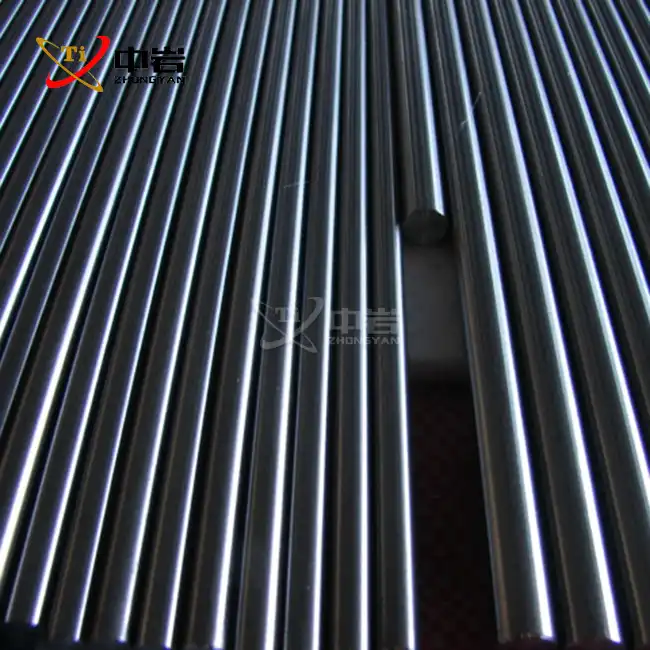
When flight engineers test materials for important uses, they look at more than just their mechanical properties to see if they are right. The gr23 titanium bar, whose full name is Ti-6Al-4V ELI (Extra Low Interstitial), is a high-end metal combination made to work in harsh aircraft conditions. Yes, GR23 titanium bars are perfect for aircraft projects because they have a high strength-to-weight ratio, great resistance to wear, and great resistance to corrosion. As the aircraft industry's main need, this alloy meets that need: materials that work reliably under high stress while keeping their shape and safety limits over a long functional lifetime.
Understanding GR23 Titanium Bar: Composition and Properties
Chemical Composition and Metallurgical Foundation
The gr23 titanium bar is the latest step forward in the making of titanium alloys. This metal is mostly titanium with carefully controlled amounts of aluminum (5.5–6.5% of the total) and vanadium (3.5–4.5% of the total). It is strong and easy to work with. Grade 23 is different from regular Ti-6Al-4V because it has very tight controls over the interstitial elements. For example, oxygen, nitrogen, and iron are all kept at very low amounts. This purity directly leads to better ductility and crack toughness, which are qualities that aircraft designers look for when parts are loaded and unloaded many times.
Precision casting is used to make GR23 bars, and controlling the interstitial content decides how well they work in the end. The oxygen level is still below 0.13%, which is much lower than what is required for a normal grade. This decrease in flaws makes the architecture more refined, with smaller gaps between grains and better resistance to crack spreading. This alloy's density of 4.43 g/cm³ makes it a great lightweight option to steel alloys that still meet the standards for structural integrity.
Mechanical Performance Characteristics
By looking at the mechanical qualities, we can see why Ti-6Al-4V ELI is now an important part of aircraft manufacturing. The tensile strength is over 900 MPa, and the yield strength is over 850 MPa. This gives structure estimates a lot of room for error. When a material has an elongation value of at least 10%, it means it can absorb impact energy without breaking completely. This is very important for aircraft parts that are used in environments with vibration and shock.
The modulus of stiffness of 114 GPa makes it better than other aircraft materials. Compared to steel, the gr23 titanium bar is not very stiff. This means that parts made from it spread stress better, preventing stress concentration points that could lead to wear cracks. The material is usually around HRC 36 hard, which makes it strong enough for aerospace fasteners and moving parts while still being easy enough to machine for precision production.
Surface Finish and Heat Treatment Options
For aerospace uses, the surface must have exact conditions so that wear doesn't start too early. You can get GR23 titanium bars with smooth, bright surfaces that reduce surface roughness and get rid of possible stress stems. The process of cold-drawing and annealing makes the grain of the bar the same across its cross-section. This makes sure that the mechanical properties are the same from the top to the core.
There are strict rules about the temperature and cooling rate that must be followed during the heat treatment of Ti-6Al-4V ELI. The alpha-beta phase distribution is optimized by annealing processes, which balance strength and flexibility. Solution treatment and aging can improve certain qualities even more when the design of a part needs to be as strong as possible or less likely to creep when it's being used at high temperatures. With these thermal methods, engineers can change the properties of materials to fit the needs of specific aircraft applications.
Why GR23 Titanium Bars Are Ideal for Aerospace Applications
Exceptional Strength-to-Weight Performance
Aerospace design theory is based on reducing weight without affecting the strength of the structure. The gr23 titanium bar is stronger than aluminum metals in terms of weight-to-strength, and it can handle higher temperatures better. Titanium has a density about 60% lower than steel, so its structural weight is lower. This directly improves fuel economy and payload capability. This weight benefit is even bigger on big business planes, where thousands of titanium fasteners, brackets, and structural parts lower the cost of running the plane over its lifetime.
Saving weight has benefits that spread through all aircraft systems. Less structural mass lowers inertial loads during movements, lowers stress on the landing gear, and increases the wear life of parts. Because Grade 23 has a higher specific strength, it can easily have thinner wall sections and better shapes than other materials. Aerospace engineers use these qualities in places where normal materials would need too much mass to meet safety standards, like in vital load lines.
Superior Fatigue and Fracture Resistance
During their working life, aircraft parts are loaded and unloaded millions of times. The gr23 titanium bar has very high wear strength, which means it can handle repeated stress reversals that would cause cracks to spread in weaker materials. The "Extra Low Interstitial" label is all about fracture toughness, or how well a material can stop cracks from spreading even when flaws are present. This damage tolerance feature gives important safety gaps in aircraft applications where a component failure could have terrible results.
Manufacturers of aircraft parts have done tests that show how well GR23 handles wear under real-world loading situations. The alloy's stress strength stays the same at all temperatures that it will be exposed to during flight, from below zero at high altitude to high temperatures near the power systems. The material's crack growth rates stay stable and controlled, which lets maintenance systems set good inspection times based on how the material usually acts.
Environmental Resistance and Longevity
Aerospace settings are very corrosive because of the salt spray in naval activities, the moisture in the air, and the chemicals in hydraulic fluids and cleaning agents. Ti-6Al-4V ELI creates a steady, safe oxide layer that fixes itself when it gets broken, so it doesn't need any extra coatings to protect it from corrosion. This passivation layer stays steady over a wide pH range and stops pitting corrosion, which breaks down steel and aluminum metals. Because the gr23 titanium bar doesn't rust, it makes parts last longer and lowers the costs of repairs needed for protection coatings and surface treatments.
Another benefit of flight is that temperatures don't change much. Grade 23 keeps its mechanical qualities up to 400°C, so it can be used for parts of aircraft frames that are heated by aerodynamics and parts that are close to engine systems. The low thermal expansion rate keeps the dimensions from changing too much during thermal cycling, which is important for keeping the tight tolerances needed for precision aircraft parts. This thermal stability lowers the chance of thermal stress buildup, which can cause parts to fail before they should.
Comparative Analysis with Alternative Alloys
People who work in procurement often compare GR23 to other types of titanium and materials that are in competition with it. The ELI variant of titanium is slightly weaker than Grade 5 titanium, but it is more flexible and less likely to break. This is a trade-off that aircraft safety standards strongly favor. Compared to commercially pure titanium grades like GR2, the GR23 titanium bar is much stronger. This is why it is used in main structural uses where pure titanium would need cross-sections that aren't realistic.
Cost-effective stainless steel materials can't compare to titanium when it comes to strength-to-weight. In aircraft uses where weight is important, steel's lower cost does not make up for its higher density penalty. Aluminum metals are cheaper and easier to work with, but they can't handle high temperatures or rust as well as Grade 23 titanium. When performance needs put longevity, weight efficiency, and long-term dependability ahead of original cost, the decision matrix for choosing materials always points to Ti-6Al-4V ELI.
Key Technical Specifications for Aerospace-Grade GR23 Titanium Bars
Dimensional Standards and Tolerance Control
To make sure that complex parts fit and work right, aerospace manufacturing needs very accurate control of dimensions. For a 10mm diameter bar, the gr23 titanium bar provided by approved makers meets tolerance grade h9, which means that the diameter is accurate to within ±0.030mm. This level of accuracy lets it be used directly in CNC cutting without taking away too much material. This increases production speed and keeps the ability to track materials throughout the whole process.
Length specs are usually based on what the customer wants. Standard production lengths are 1000 mm, which makes it easier to move materials and reduces waste during manufacturing. The density of 4.43 g/cm³ makes it possible to accurately handle inventory. For example, a 10 mm diameter bar that is 1000 mm long weighs about 2.5 kg/meter, which makes it possible to accurately plan production and coordinate transportation. Custom lengths can fit the shapes of certain aircraft parts, which cuts down on waste and processing time.
Compliance with International Aerospace Standards
Material approval is the basis of quality assurance in aircraft. When made to the ASTM B348 standard, GR23 titanium bars meet the chemical makeup, mechanical properties, and manufacturing standards set by the American Society for Testing and Materials. This standard makes sure that all providers follow the same rules and gives aerospace quality management systems documents that can be tracked. ISO 5832-2 compliance covers biological uses where the same material is used for both aircraft and medical implants. This shows how versatile and pure the alloy is.
When aerospace companies use AS9100 quality systems, their providers have to give them full material test results. These certificates show the chemistry of the heat lot, the results of the tensile test, the hardness measures, and the grain size analysis. Each package of gr23 titanium bars comes with Mill Test Certificates (MTC) that meet the requirements of EN 10204 3.1. This lets you track the whole process from making the raw materials to delivering the finished product. This chain of paperwork makes sure that regulations are followed and helps with failure analysis investigations if problems with a component happen during service.
Mechanical Property Verification
Material specs list the bare minimum of properties that a material must have, but aerospace uses often need more than that. Tensile strength of at least 900 MPa and yield strength of at least 850 MPa are basic standards that all production lots always meet or beat. Responsible makers keep an eye on statistical quality control to make sure that property distributions stay well above the limits set by specifications. This gives designers extra room to work with when they do their calculations.
Elongation testing shows if something is flexible, and the minimum standard of 10% makes sure that it can stretch enough before breaking. In addition to elongation statistics, readings of the reduction of area give us more information about how tough a material is and how it breaks. Testing the hardness at about HRC 36 makes sure that the heat treatment and nanoscale growth went well. When these measures of mechanical properties are put together, they make a full material qualification that aircraft engineers use for structural analysis and component certification.
Procurement Considerations for Purchasing GR23 Titanium Bars
Supplier Qualification and Certification Requirements
When looking for a good gr23 titanium bar provider, you need to look at more than just price. Getting ISO 9001:2015 approval shows that a company is dedicated to quality management, process control, and always making things better. If a provider has an aerospace-specific certification like AS9100, it means they know the quality standards, configuration management, and tracking procedures needed for flight-critical parts.
Custom Specification and OEM/ODM Services
For aerospace projects, material requirements are often more detailed than what is available in catalogs. Leading titanium producers offer OEM and ODM services that can meet specific needs for sizes, finishing, and mechanical properties. Because of this, aircraft makers can make the best use of the material's properties for each job, which could save money on materials and time when machining compared to changing standard bar stock.
Lead Time Management and Inventory Strategy
For aerospace production plans to work, materials must be available on time and in sufficient quantities. Knowing how long it takes suppliers to make standard and special gr23 titanium bars helps with planning production well. Standard diameter bars made to ASTM B348 standards usually have shorter wait times because they are in stock and are made according to set schedules. For custom specs, it may take longer to handle the material, heat treat it, and make the certification paperwork.
Quality Assurance and Documentation Requirements
In the aircraft supply chain, being able to track materials relies on having a lot of paperwork. Specifications for buying things should clearly say that Mill Test Certificates are needed. These should include records of chemical analysis, mechanical test results, and heat treatment. Certificates must include references to relevant standards, like ASTM B348 and ISO 5832-2, which show that the gr23 titanium bar meets the needs. Lot traceability marks on the surfaces of materials make it possible to connect the actual inventory to the certification papers.
Making an Informed Decision: Is GR23 the Right Titanium Bar for Your Aerospace Project?
Application-Specific Performance Evaluation
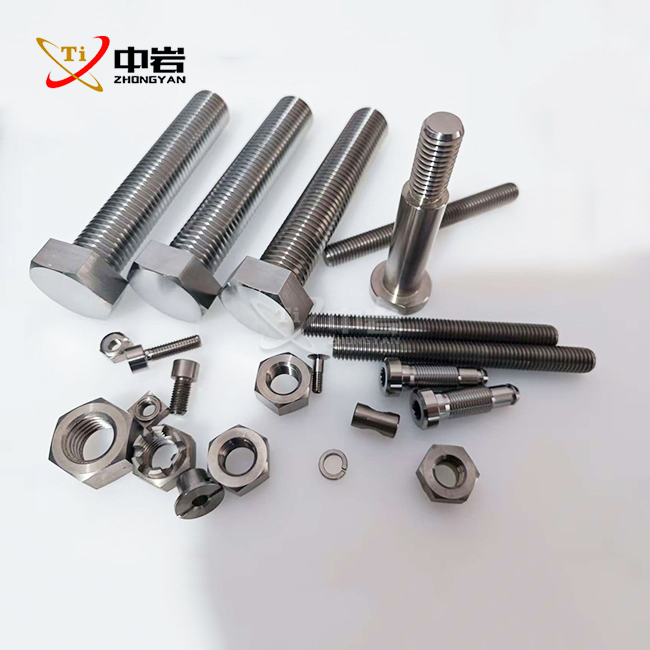
To figure out if a material is suitable, its qualities must be matched with the needs of a specific aircraft component. The gr23 titanium bar works great in situations where high strength and damage resistance are needed. The alloy's wear resistance and fracture toughness make it useful for landing gear parts, engine mount fittings, and main structural attachments. For fastener uses, the material's strength and resistance to corrosion mean that protected coatings are not needed, which adds weight and makes upkeep more difficult.
Machinability and Manufacturing Considerations
The gr23 titanium bar is hard to machine in certain ways that affect the cost of production and wait times. Because the metal doesn't transfer heat well, heat builds up at the cutting edges. To keep the work from hardening and the tools from wearing out, cutting speeds must be slowed down, and coolants must be pumped in at high pressure. When the machining settings are set correctly, carbide tools with optimized shapes and coatings have a good tool life. To make sure that project planning is correct, manufacturing cost figures should take these processing traits into account.
Alternative Material Considerations
The gr23 titanium bar is good for many military uses, but other options should be looked at for certain situations. While still being strong and resistant to rust, Grade 9 titanium (Ti-3Al-2.5V) is very good at being shaped into tubes and sheets. Commercially pure titanium grades have good resistance to corrosion but lower strength levels. They are good for non-structural aircraft parts that need to be light, so the lower mechanical qualities are acceptable.
Engaging Suppliers for Technical Support
Getting the right materials for aircraft projects requires more than just a transactional buying partnership. Working together technically with providers of Gr23 titanium bars gives you access to mechanical knowledge, suggestions for improving processes, and information about new technologies. When suppliers put money into research and development, they add value by making materials more consistent, producing more products, and coming up with new ways to make things that help customer programs.
Conclusion
Choices about which aerospace materials to use can affect the performance of parts, the cost of programs, and the safety of operations for a long time. The gr23 titanium bar has great mechanical qualities, is resistant to environmental damage, and is light, all of which are important for aircraft applications. Material standards and quality assurance procedures, along with a track record of success in tough applications, give procurement professionals trust when choosing materials for flight-critical parts. For aircraft manufacturers to be successful, they need to work with qualified suppliers who know the materials, the skills to make them, and a dedication to quality. These are the qualities that set industry leaders apart from basic suppliers in the competitive titanium supply market.
FAQ
What distinguishes Grade 23 from Grade 5 titanium?
There is less oxygen, nitrogen, and iron in the gr23 titanium bar, which is the Extra Low Interstitial form of Grade 5. This purity improvement makes the material about 15-20% more flexible and much harder to break while keeping the same amount of strength. These qualities are most important in aerospace uses for parts that need to be able to withstand harm and be reliable under cyclic loading conditions.
Which certifications should aerospace buyers verify?
Material certifications must clearly say that the titanium bars meet the requirements of ASTM B348 and the standard chemical composition limits for Ti-6Al-4V ELI. Meeting the requirements of ISO 5832-2 means that the bars are even more pure, making them ideal for use in aircraft applications. Suppliers should keep their ISO 9001:2015 quality control certification up to date. For flight-critical component uses, AS9100 aerospace-specific certification is recommended.
Does GR23 titanium require special machining techniques?
Because it doesn't conduct heat well and hardens quickly, Ti-6Al-4V ELI needs to be machined with carefully controlled parameters. With the right finishes, sharp carbide or polycrystalline diamond (PCD) tools last longer. High-pressure cooling systems stop the buildup of heat that makes work harder, and tools break down before they should. When titanium machinists use the right techniques, they can get great surface finishes and accurate measurements.
Partner with Zhongyan for Premium GR23 Titanium Bar Supply
Because it is ideally situated in Baoji, China's famous Titanium Valley, Zhongyan Titanium provides aerospace-grade gr23 titanium bar that is made to strict ASTM B348 and ISO 5832-2 standards. Our wide range of skills includes making raw materials and precise CNC machines, which lets us offer unified solutions that make your aircraft supply chain run more smoothly. With ISO 9001:2015 approval, state-of-the-art testing tools, and technical know-how honed over decades of specializing in titanium, we make sure that every package meets your needs and comes with full documentation for tracking.
Whether you require standard 10mm diameter bars with a h9 tolerance and a polished finish, or you need bars with specific specs for your flight project, our OEM/ODM services deliver flexibility that commodity suppliers cannot match. Contact our technical team at sales@titaniumstudy.com about your unique needs, get mechanical property datasheets, or set up a sample evaluation. As a reliable maker of gr23 titanium bars for aerospace businesses around the world, Zhongyan offers low prices, on-time deliveries, and helpful technical support. Find out how our combined titanium knowledge can help you get the best materials for your aircraft projects and make parts more efficiently.
References
1. Boyer, R., Welsch, G., and Collings, E.W. (1994). Materials Properties Handbook: Titanium Alloys. ASM International, Materials Park, Ohio.
2. Donachie, Matthew J. (2000). Titanium: A Technical Guide, 2nd Edition. ASM International, Materials Park, Ohio.
3. Peters, M., and Leyens, C. (2003). Titanium and Titanium Alloys: Fundamentals and Applications. Wiley-VCH Verlag GmbH & Co., Weinheim, Germany.
4. ASTM International (2021). ASTM B348-21: Standard Specification for Titanium and Titanium Alloy Bars and Billets. ASTM International, West Conshohocken, Pennsylvania.
5. Lutjering, G., and Williams, J.C. (2007). Engineering Materials and Processes: Titanium, 2nd Edition. Springer-Verlag, Berlin, Germany.
6. SAE International (2019). AMS 4930P: Titanium Alloy Bars, Wire, Forgings, Rings, and Drawn Shapes 6Al-4V ELI Annealed. SAE International Aerospace Material Specification, Warrendale, Pennsylvania.
_1755591941325.jpg)
(1)_1755587348264.jpg)
Learn about our latest products and discounts through SMS or email