- English
- French
- German
- Portuguese
- Spanish
- Russian
- Japanese
- Korean
- Arabic
- Greek
- German
- Turkish
- Italian
- Danish
- Romanian
- Indonesian
- Czech
- Afrikaans
- Swedish
- Polish
- Basque
- Catalan
- Esperanto
- Hindi
- Lao
- Albanian
- Amharic
- Armenian
- Azerbaijani
- Belarusian
- Bengali
- Bosnian
- Bulgarian
- Cebuano
- Chichewa
- Corsican
- Croatian
- Dutch
- Estonian
- Filipino
- Finnish
- Frisian
- Galician
- Georgian
- Gujarati
- Haitian
- Hausa
- Hawaiian
- Hebrew
- Hmong
- Hungarian
- Icelandic
- Igbo
- Javanese
- Kannada
- Kazakh
- Khmer
- Kurdish
- Kyrgyz
- Latin
- Latvian
- Lithuanian
- Luxembou..
- Macedonian
- Malagasy
- Malay
- Malayalam
- Maltese
- Maori
- Marathi
- Mongolian
- Burmese
- Nepali
- Norwegian
- Pashto
- Persian
- Punjabi
- Serbian
- Sesotho
- Sinhala
- Slovak
- Slovenian
- Somali
- Samoan
- Scots Gaelic
- Shona
- Sindhi
- Sundanese
- Swahili
- Tajik
- Tamil
- Telugu
- Thai
- Ukrainian
- Urdu
- Uzbek
- Vietnamese
- Welsh
- Xhosa
- Yiddish
- Yoruba
- Zulu
Are Titanium Threaded Adapters Suitable for High-Temperature Use?

Titanium threaded adapters are exceptionally suitable for high-temperature applications. When engineered from Grade 5 (Ti-6Al-4V) or Grade 2 commercially pure titanium, these precision connectors maintain their structural integrity, mechanical strength, and corrosion resistance at temperatures ranging from cryogenic levels up to 800°F (427°C). Unlike conventional steel or brass fittings that oxidize rapidly or lose tensile strength under thermal stress, titanium adapters form a stable, self-healing oxide layer that protects against degradation. This makes them the preferred choice for aerospace fluid systems, chemical reactors, and industrial piping exposed to sustained elevated temperatures.
Understanding Titanium Threaded Adapters and Their Specifications
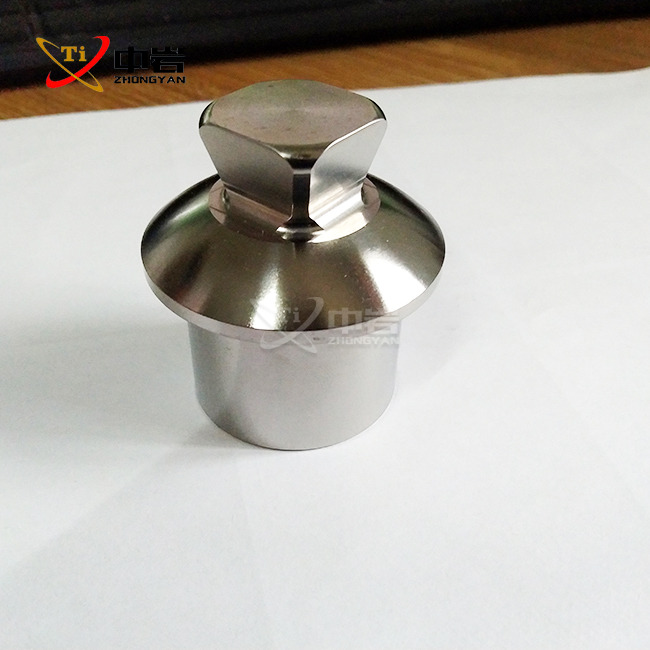
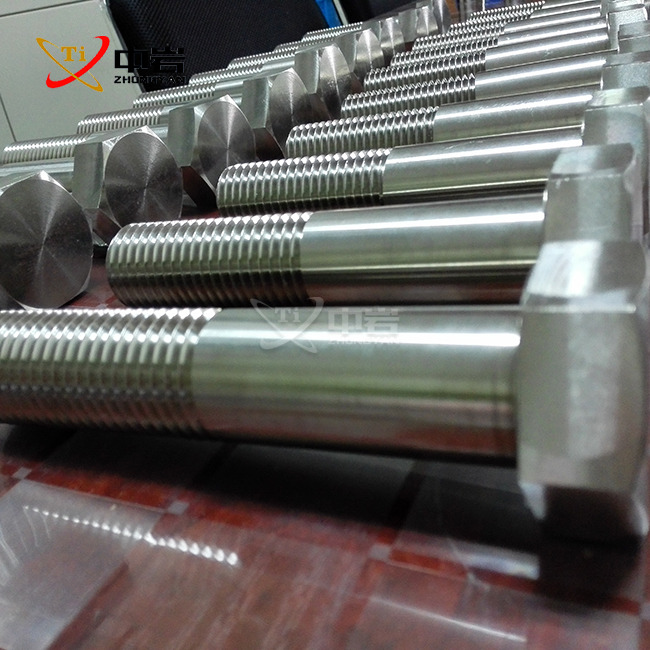
Titanium Threaded Adapter units are important parts for connecting pipe systems, instrumentation, and fluid control assemblies using standard threaded interfaces. These precision-engineered links connect pieces of different equipment and keep their integrity even in the harshest operating conditions. By making these adapters out of titanium alloys, ordinary fittings are turned into high-performance parts that can handle problems that would damage regular materials.
Core Structure and Material Composition
Choosing the right material is the first step in making sure that a threaded adapter works well. Grade 5 titanium (Ti-6Al-4V) is made up of about 6% aluminum and 4% vanadium. It is an alloy that has a tensile strength of over 895 MPa and a density of only 4.43 g/cm³, which is about 45% lighter than 316 stainless steel parts that are the same size. This amazing strength-to-weight ratio is very useful in aerospace, where every gram counts when it comes to fuel efficiency and payload capacity. Grade 2 commercially pure titanium is very flexible and doesn't rust, so it's perfect for chemical processing environments where the adapter needs to be resistant to strong acids and chloride compounds.
We at Zhongyan make these adapters using precise CNC machining methods that keep the dimensions within 0.001 inches of each other. Our factories are in Baoji City, which is known around the world as China's Titanium Valley.
Thread Types and Industrial Standards
Thread configuration has a direct effect on how well it seals and how well it works with other installations. Some common thread types are NPT (National Pipe Taper), BSP (British Standard Pipe), Metric ISO threads, and aerospace standards such as AN (Army-Navy) and MS (Military Standard). Tapered threads on NPT threads compress during assembly, creating a mechanical seal. Parallel BSP threads, on the other hand, usually need extra sealing washers or O-rings.
When choosing adapters for high-temperature use, it's important to know these differences. A 1/2-inch NPT titanium fitting that has been machined to ANSI/ASME B1.20.1 tolerances makes sure that it fits properly with other parts, stopping any leak paths that might form during thermal cycling. Zhongyan can custom-thread in sizes other than standard ones. They can make adapters from 1/8 inch to 2 inches (3mm to 50mm) in diameter, and the pressure ratings can go up to 5,000 PSI depending on the wall thickness and the needs of the application.
Essential Performance Specifications
When it comes to high-temperature applications, temperature tolerance is what makes a difference. Titanium alloys keep their mechanical properties over a very wide range of temperatures. Grade 5 titanium keeps about 80% of its tensile strength at 400°C (752°F), which is a lot more than aluminum alloys, which lose a lot of their strength above 200°C. Because the material has a low thermal expansion rate (8.6 × 10⁻⁶ /°C), its size doesn't change much when it's heated and cooled. This keeps threaded connections from getting stressed and loosening or galling.
Titanium is good for high temperatures because it doesn't rust. Titanium surfaces naturally form a protective oxide layer that stays steady at high temperatures. This keeps the rusting process from speeding up like it does in steel parts. In chemical processing plants, where adapters join reactor vessels that are working at 350°C and are exposed to acids that oxidize metals, this stability is very important.
Industries Leveraging Titanium Adapters
Threaded titanium parts are used a lot in hydraulic systems, fuel lines, and air control units in the aerospace industry. When commercial planes fly at high altitudes where temperatures drop to -55°C, they need materials that can still be bent in very cold conditions. At the same time, parts of the engine bay have to handle direct heat that is over 500°C. Titanium fittings can handle both high and low temperatures without breaking or losing their shape.
These adapters are used in pipe networks that handle toxic fluids at high temperatures in chemical processing plants. The titanium adapter that connects a heat exchanger to tracking equipment has to be able to handle the harsh chemicals in the process fluid as well as temperatures between 300°C and 400°C. The material's resistance to stress corrosion cracking—a failure mode where tension stress and a corrosive environment work together to spread cracks—ensures that these tough systems will last for a long time.
Performance of Titanium Threaded Adapters under High-Temperature Conditions
Real-world performance validation removes the theoretical qualities of a material from how reliable it is in real life. Titanium Threaded Adapter components behave consistently across a wide range of temperatures, which makes other materials hard to use. This is supported by decades of service data from important businesses.
Comparative Temperature Performance Analysis
Some types of stainless steel, like 316 and 321, can handle high temperatures well. They can keep their shape up to about 870°C. Nevertheless, they oxidize more quickly above 600°C and lose a lot of their strength at high temperatures. At 500°C, an adapter made of 316 stainless steel only keeps about 60% of its room-temperature yield strength. On the other hand, an adapter made of Grade 5 titanium keeps about 75–80% of its room-temperature yield strength.
When compared to high temperatures, aluminum metals fail horribly. Even high-strength 7075 aluminum starts to lose its shape above 175°C, and creep deformation starts to cause problems when the temperature stays above 150°C for a long time. If you put an aluminum adapter that works fine at room temperature, by accident, in a system that gets to 300°C during process upsets or emergencies, it could fail catastrophically.
Case Study Evidence from Critical Applications
Aerospace fluid systems are strong proof of how well titanium adapters work. A lot of titanium is used in the hydraulic and fuel systems of the Boeing 787 Dreamliner. Adapters must work effectively from working on the ground in -40°C winter weather to high-altitude cruise at -55°C and then handle temperatures in the engine bay that are over 200°C. There are service records for millions of flight hours that show that properly made titanium adapters rarely fail when placed according to the instructions.
Case studies of chemical processes show similar trends of dependability. A big petrochemical plant switched from stainless steel adapters to Grade 2 titanium ones for their high-temperature nitric acid concentration system. The original steel parts had to be replaced every 18 to 24 months because rust damaged the threads and caused leaks. After moving to titanium adapters, the facility ran nonstop for five years without a single fitting failure, even though the process temperature stayed around 180°C and acid concentrations went above 60%. By getting rid of unplanned repair shutdowns, the investment paid off within the first year of business.
Mechanical Integrity Under Thermal Stress
The quality of the thread contact has a direct effect on how well the seal works, especially when the temperature is changed. When heat is applied, materials with high thermal expansion factors change size, which can break threaded connections or put too much stress in one place. Titanium's rate of thermal expansion, 8.6 × 10⁻⁶/°C, is very close to that of many industrial ceramics and specific alloys. This makes it easier to join materials that have different rates of thermal expansion.
It is still important for adapters to have fatigue resistance under cycle loads in situations where there are frequent changes in temperature. During every flying cycle, the pressure and temperature of aerospace hydraulic systems change. When a car speeds up, turbochargers get very hot, and when the car stops or idles, they cool down. Grade 5 titanium has great high-cycle fatigue qualities, with durability limits around 510 MPa, which is a lot higher than steel metals that are about the same strength. This resistance to wear means that the product will last longer in places where vibrations and temperature effects happen often.
Comparing Titanium Threaded Adapters to Alternative Materials
When choosing materials, you have to balance the need for efficiency with the cost of getting them and their supply. An in-depth analysis shows the situations in which Titanium Threaded Adapter solutions provide measurable benefits despite having higher unit costs.
Strength-to-Weight Performance Metrics
When engineers look at adapter materials, they focus on specific strength, which is the ratio of tensile strength to mass. The specific strength of Grade 5 titanium is about 202 kN·m/kg, which is a lot more than the specific strengths of 316 stainless steel (127 kN·m/kg) and 7075-T6 aluminum (193 kN·m/kg). This benefit is even greater for big systems. Using 500 titanium adapters in an offshore platform pipe system could cut the total weight of the fittings by 180 kilograms compared to steel versions. This would mean that less structural support and installation work would be needed.
In aerospace uses, where lowering weight directly raises fuel economy and payload capacity, the math makes even more sense. A business airplane hydraulic system with 200 titanium adapters instead of steel fittings can cut 8 to 10 kilograms off the weight of the airframe. Over the plane's 30-year service life, which includes flying 4,000 hours a year, this weight loss will save a lot of fuel, which can cover the starting material cost.
Thermal Resilience and Operating Envelopes
Operating temperature ranges set the limits of what materials can be used. Aluminum fittings can't be used above 175°C, so they can only be used in low-temperature situations. Stainless steel can handle higher temperatures, but when heated, it corrodes faster in many chemical conditions. Titanium fittings work well in a wide range of temperatures, from -196°C for handling cryogenic liquid gases to 400°C for constant use. Short trips up to 800°F are also fine without affecting the performance permanently.
This wider working range gives designers more freedom and safety gaps. When there are process problems or emergencies that would damage steel parts, a system built around titanium fittings can still work. Chemical plants gain from this toughness because reactor temperature control systems sometimes go out of range of what they should be doing. Adapters rated for constant 400°C service give systems that usually run at 300°C but could spike to 350°C in upset situations enough room to maneuver.
Corrosion Performance in Combined Environments
Corrosive exposure and high temperatures often happen at the same time, causing degradation processes that work hand-in-hand. At high temperatures, hot seawater, acidic condensates, and process streams that contain salt all speed up the loss of material. Steel and even high-nickel metals are attacked more quickly than titanium's passive oxide layer, which stays stable in this mixed challenge.
Galvanic rust affects how systems are designed. When two different metals touch each other in a solution, electrochemical processes can quickly break down the more anodic material. Titanium is pretty high on the galvanic line; it's about where stainless steel is. Because of this, titanium fittings can be used with stainless steel pipes and instruments without any major electrical issues. On the other hand, aluminum flanges rust quickly when connected to steel or titanium that is wet.
Lifecycle Cost Analysis
Instead of just looking at the unit buy price, procurement pros should look at the total cost of ownership. Titanium joints usually cost three to five times as much as steel parts that are the same, which can be shocking when planning at first. But a full lifecycle study shows that the numbers are not the same.
Cutting down on maintenance costs is a big deal. A chemical manufacturing plant that has to replace rusted steel adapters every two years spends money on more than just new parts. They also have to pay for shutting down the system, draining and purging it, installing the new parts, and losing production. Most of these ongoing costs are taken care of by titanium connections that last 10 years or more. The longer service life also means that fewer extra parts are needed, which lowers the costs of keeping them in stock.
Procurement Considerations for Titanium Threaded Adapters
To find high-quality titanium parts, you need to know what the provider can do, what certifications they need, and what customization choices are available that fit the project's needs. A reliable Titanium Threaded Adapter supplier ensures quality through strict material verification and manufacturing excellence.
Identifying Qualified Manufacturers
Material verification is what quality security is built on. Reliable makers give mill test results that show the chemical make-up, mechanical properties, and compliance with standards such as ASTM B348 for titanium bar stock or ASTM F67/F136 for medical-grade materials. These certificates show where the material came from, from the raw ingot to the final machining. This makes sure that the product is real in places where it is easy for fake products to be sold.
Customization Capabilities and Engineering Support
Catalogue parts can be used in a lot of different situations, but sometimes you need a special answer for a specific assembly need. When connecting devices made to different national standards, thread type conversion adapters, like parts with a male NPT end and a female BSP end, make it possible to integrate the system. Size changes that go from 1/2-inch to 3/4-inch links inside of a single adapter combine several parts into one part, which cuts down on leak points and makes assembly easier.
Quality Control and Compliance Standards
Dimensional checking methods make sure that the finished adapters match the specs on the drawing. Using accurate go/no-go ring and plug gauges to check the thread gauge proves the correct thread form, pitch, and major and minor diameter sizes. Even if the thread looks fine, it might not seal properly if the dimensions are not within the allowed range. Checking the overall length, the size of the hex flats for wrench contact, and the levelness between the threaded sections to avoid binding during assembly are all part of a thorough check.
International Logistics and After-Sales Support
Shipping factors include more than just the cost of freight. Titanium has a fairly high value-to-weight ratio, which makes air freight a good option for jobs that need to be done quickly. Ocean freight, on the other hand, is better for regular resupply orders. The right packaging keeps things from getting damaged while they're being shipped. For example, individually wrapping thread surfaces keeps them from getting nicks and dirt, and moisture-proof packing keeps reactive titanium surfaces from getting water stains. Suppliers who have worked with foreign shipping before know what paperwork is needed for customs, how to follow the rules for export compliance, and what kind of customs documents is needed. This makes sure that crossing borders goes smoothly.
Best Practices for Using Titanium Threaded Adapters in High-Temperature Applications
The performance and service life of a Titanium Threaded Adapter are best when they are installed and maintained correctly. This is especially true in demanding high-temperature settings where incorrect methods can cause the adapter to fail early.
Installation Guidelines and Assembly Techniques
Preparing the thread stops galling and makes sure the bond is good. Thoroughly clean all thread surfaces, getting rid of any pollution, machining leftovers, and dust. Use an anti-seize substance based on molybdenum disulphide or a nickel-free thread lube made just for titanium. Copper can move into titanium at high temperatures, which could weaken it, so stay away from products that contain copper. Don't use too much oil, because too much can clog systems and make closing surfaces less effective.
Maintenance and Inspection Protocols
Visual inspections done on a regular basis can find problems before they get so bad that they break everything. During planned repair breaks, check the adapter bodies for discoloration that could mean they are overheating, surface stains that could mean they are leaking fluid, or damage from outside hits. Check the areas where the threads are engaged for signs of backing out, which could mean that there wasn't enough starting pressure or that vibrations caused the threads to come loose. Take care of any problems right away instead of putting off fixing them.
Common Installation Mistakes to Avoid
One of the most common and harmful software mistakes is cross-threading. Trying to push threads that aren't lined up right damages them permanently, so the part has to be replaced. To begin threading, you must always do it by hand and turn the fitting counterclockwise (backwards) until you hear a small click that means the threads are lined up at the starting point. Then turn the screw in a clockwise direction to properly engage the threads. Resistance during the first contact means that the two devices are not aligned correctly. Instead of forcing the link, back off and try again.
Conclusion
Titanium threaded adapters have been used successfully in high-temperature situations in the chemical processing, aircraft, and industrial gear industries. Their high resistance to corrosion, ability to withstand high temperatures, and good strength-to-weight ratio make up for material prices by extending service life and lowering upkeep needs. Grade 5 titanium keeps its shape at temperatures ranging from very cold (cryogenic) to very hot (800°F). It does this better than stainless steel and aluminum in settings where temperatures change quickly. Choosing the right material grade and following precise installation protocols ensures that these critical connections provide long-term reliability in extreme operational environments.
FAQ
What maximum temperature can titanium adapters withstand continuously?
Grade 5 titanium threaded adapters maintain structural integrity during continuous operation up to 400°C (752°F), retaining approximately 80% of room-temperature tensile strength at this threshold. Brief thermal excursions up to 800°F are also fine without affecting the performance permanently. Grade 2 commercially pure titanium exhibits slightly lower temperature capability but superior corrosion resistance.
How do I prevent thread galling during the installation of titanium adapters?
Apply molybdenum disulphide-based anti-seize compound or nickel-free thread lubricant before assembly. Avoid copper-based products. Use controlled torque values approximately 60-70% of comparable steel fitting specifications. Consider factory-applied PVD coatings or specialized surface treatments that reduce galling tendency while maintaining corrosion resistance.
When should I select titanium adapters over stainless steel alternatives?
Choose titanium when applications involve combined high-temperature and corrosive conditions, where weight reduction delivers operational benefits, or where extended service life justifies higher initial costs. Evaluate total lifecycle costs, including maintenance frequency and failure consequences, rather than comparing unit purchase prices alone.
Partner with Zhongyan for Premium Titanium Threaded Adapter Solutions
Zhongyan stands as a trusted manufacturer serving the aerospace, chemical processing, and industrial machinery sectors worldwide. Our precision CNC machining capabilities in Baoji City—China's Titanium Valley—deliver high-performance components in Grade 2 and Grade 5 titanium. We provide technical help, warranty coverage, and problem-solving to ensure that every project meets its unique requirements. Customers who are ready to look into problems in the field and take appropriate action when necessary show that they are committed to the business beyond the sale. Experience the quality difference that our expertise delivers. Contact our dedicated sales team at sales@titaniumstudy.com to discuss your specific requirements.
References
1 . Boyer, R., Welsch, G., & Collings, E.W. (1994). Materials Properties Handbook: Titanium Alloys. ASM International, Materials Park, Ohio.
2. Donachie, M.J. (2000). Titanium: A Technical Guide, 2nd Edition. ASM International, Materials Park, Ohio.
3. Lütjering, G., & Williams, J.C. (2007). Titanium, 2nd Edition, Engineering Materials and Processes. Springer-Verlag, Berlin Heidelberg.
4. Schutz, R.W., & Watkins, H.B. (1998). "Recent developments in titanium alloy application in the energy industry." Materials Science and Engineering: A, 243(1-2), 305-315.
5. Peters, M., Kumpfert, J., Ward, C.H., & Leyens, C. (2003). "Titanium Alloys for Aerospace Applications." Advanced Engineering Materials, 5(6), 419-427.
6. ASM Handbook Committee. (2015). ASM Handbook Volume 2: Properties and Selection: Nonferrous Alloys and Special-Purpose Materials. ASM International, Materials Park, Ohio.
Learn about our latest products and discounts through SMS or email