- English
- French
- German
- Portuguese
- Spanish
- Russian
- Japanese
- Korean
- Arabic
- Greek
- German
- Turkish
- Italian
- Danish
- Romanian
- Indonesian
- Czech
- Afrikaans
- Swedish
- Polish
- Basque
- Catalan
- Esperanto
- Hindi
- Lao
- Albanian
- Amharic
- Armenian
- Azerbaijani
- Belarusian
- Bengali
- Bosnian
- Bulgarian
- Cebuano
- Chichewa
- Corsican
- Croatian
- Dutch
- Estonian
- Filipino
- Finnish
- Frisian
- Galician
- Georgian
- Gujarati
- Haitian
- Hausa
- Hawaiian
- Hebrew
- Hmong
- Hungarian
- Icelandic
- Igbo
- Javanese
- Kannada
- Kazakh
- Khmer
- Kurdish
- Kyrgyz
- Latin
- Latvian
- Lithuanian
- Luxembou..
- Macedonian
- Malagasy
- Malay
- Malayalam
- Maltese
- Maori
- Marathi
- Mongolian
- Burmese
- Nepali
- Norwegian
- Pashto
- Persian
- Punjabi
- Serbian
- Sesotho
- Sinhala
- Slovak
- Slovenian
- Somali
- Samoan
- Scots Gaelic
- Shona
- Sindhi
- Sundanese
- Swahili
- Tajik
- Tamil
- Telugu
- Thai
- Ukrainian
- Urdu
- Uzbek
- Vietnamese
- Welsh
- Xhosa
- Yiddish
- Yoruba
- Zulu
How Are Custom CNC Machined Titanium Parts Manufactured for Industrial Use?
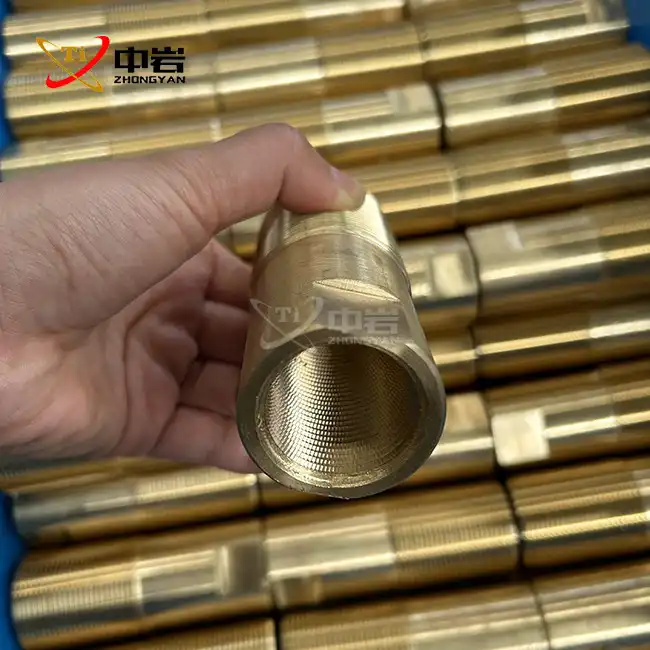
Custom CNC Machined Titanium Parts are made using a complex subtractive method that combines the accuracy of computer numerical control with the skill of titanium milling experts. The process of making something starts with approved titanium raw stock, which is usually Grade 2 commercially pure titanium or Grade 5 Ti-6Al-4V alloy. Next, multi-axis CNC milling, turning, and Swiss machining are used. To make parts that meet quality standards for aerospace, medicine, and industry, the process needs carefully planned toolpaths, high-pressure coolant delivery systems, and carbide tools that are made to deal with titanium's low thermal conductivity and tendency to work-harden.
Introduction
In the tough industrial world of today, titanium has become the material of choice when efficiency can't be neglected. Titanium parts are used in the aerospace business to make planes lighter while still keeping their structural strength at 35,000 feet. Surgical teams count on titanium implants that are safe and work well with human bone tissue. For decades, equipment in chemical processing plants has needed to be able to withstand harsh conditions without rusting. It is important for procurement managers and engineers who are looking for solid solutions to know how titanium parts go from being rough billets to finished precision parts. This piece goes over the whole process of manufacturing, from choosing materials to making sure the quality is good, and it focuses on the technical differences between good sources and great manufacturing partners. The information in this article will help you make better choices about where to buy things and build stronger relationships with suppliers, whether you're looking for turbine blades, dental abutments, or custom brackets for underwater uses.
Understanding Custom CNC Machined Titanium Parts
What Defines Custom CNC Machined Titanium Components
Custom CNC machining is different from standard gear that is mass-produced. Before making a part, the client provides a model that lists the exact measurements, tolerances, and performance standards that the part must meet. Using Computer Numerical Control (CNC) technology, engineering drawings are turned into exact machine movements that remove material from solid titanium stock with accuracy measured in micrometers. When standard off-the-shelf parts can't meet the needs of specific uses, this feature comes in very handy.
Material Properties That Drive Industrial Adoption
Titanium has an amazing strength-to-weight ratio. It is about 60% lighter than steel but has the same tensile strength. This higher density directly leads to less fuel use in aircraft and less pain for patients with medical implants. When exposed to air, the metal forms a stable passive oxide layer that makes it more resistant to corrosion than stainless steel in chloride-rich places like chemical processing plants and naval uses. Another thing that sets something apart is its biocompatibility. Titanium can be used in orthopedic implants, oral prosthetics, and surgical tools because it doesn't cause bad immune responses when it comes into contact with human flesh. The material stays the same size at very high and very low temperatures, and it keeps its mechanical properties from very cold temperatures to 600°C. This is very important for parts that have to deal with heat cycling during operation.
Titanium Grades and Machinability Considerations
Grade 2 commercially pure titanium is the most resistant to rust and is easy to shape. It is made up of 99.2% titanium and very few alloying elements. This grade works great in heat exchangers, equipment for handling chemicals, and other places where weldability is more important than final tensile strength. Machinists like Grade 2 because it is easier to work with than alloyed versions, but they still need to know how to do certain things. Grade 5 titanium, also known as Ti-6Al-4V, is the most common type of titanium used in industry, making up about half of all titanium used in the world. Adding 6% aluminum and 4% vanadium greatly raises the tensile strength to around 895 MPa while keeping the flexibility at a good level. The excellent mechanical qualities of this type are used in aerospace structural components, high-performance car parts, and medical bone plates. As a result of the alloying elements, the material is harder to machine because it gets harder over time and needs to be cut at higher temperatures. This means that the right tool must be chosen and the parameters must be optimized.
The CNC Machining Process for Titanium: Step-by-Step
Raw Material Procurement and Certification
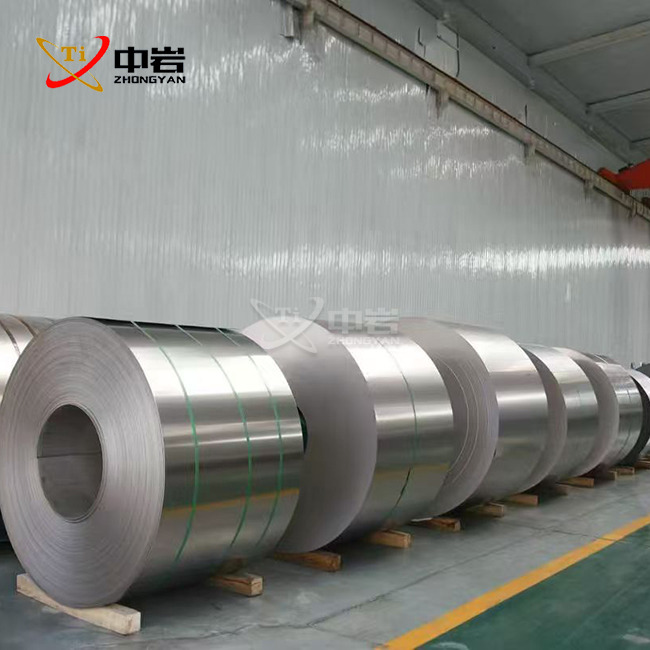
The first step in making *Custom CNC Machined Titanium Parts is getting approved titanium stock that meets ASTM B348 standards for bars and billets or ASTM F136 standards for medical-grade material. Reliable suppliers give mill test results that show the chemical makeup, mechanical qualities, and how the product can be traced back to the original melt batches. This paperwork is very important during audits of military and medical devices, where the provenance of materials needs to be proven beyond a reasonable doubt. The incoming inspection checks that the dimensions of the bar stock, plate thickness, or tube wall specs are correct. Ultrasonic testing finds internal cracks that could weaken the stability of the final part. Then, the material is put into groups based on grade, heat lot, and size to make sure the right choices are made during production planning.
CNC Milling and Turning Operations
Multi-axis CNC cutting centers cut away extra material to set the basic shape of a part. When cutting, specialized carbide end mills with smooth flutes and certain helix angles keep the heat from building up. Cutting speeds for titanium are usually between 50 and 80 surface feet per minute, which is much slower than cutting aluminum. This is done to keep the tools from breaking down too soon and the part surface from becoming too hard. It's no longer a choice but a necessity to deliver coolant under high pressure, often exceeding 1,000 PSI. This coolant gets into the cutting area and gets rid of the heat before it can reach the object. Titanium doesn't conduct heat well, so if it doesn't get enough cooling, it can cause temperature spikes in certain areas that damage tool tips and could change the structure of the part. Through-spindle cooling systems and customizable nozzle arrays make sure that chips are always blown away and the temperature stays stable.CNC lathes can turn to make threads, cylinders, and surfaces with different shapes. Inserted carbide tools with positive rake shapes lower cutting forces while keeping the purity of the edge. Thread cutting has mostly replaced tapping for threaded holes because it doesn't break taps and lets you change the thread shape without having to retool.
Specialized Techniques for Complex Geometries
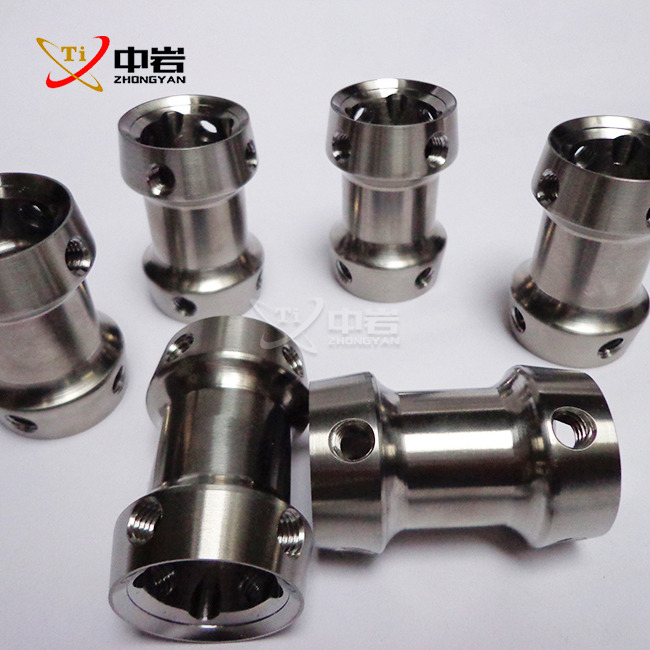
Swiss-type CNC screw machines are great at making titanium parts with small diameters that have high length-to-diameter ratios. These tools hold the piece of work steady near the cutting zone, which keeps the limits tight and reduces deflection. Manufacturers of medical devices use Swiss machining to make tooth implant abutments and complex parts for surgical instruments that range in size from M3 to M100. Wire EDM machining can handle shapes that can't be cut in the usual way, like internal corners with no radii, delicate parts that can break under mechanical stress, or sharpened surfaces that would damage carbide tools. The electrical discharge method uses very little mechanical force, so the structure of the part is maintained while the surface is finished to a level that is good enough for important uses.
Quality Control Protocols Throughout Manufacturing
Dimensional checking is done at more than one point in the process, not just at the end. In-process verification finds mistakes before a lot of time is spent on cutting, which lowers the amount of waste and keeps production running smoothly. Coordinate measuring tools look into complicated three-dimensional shapes and compare real measurements to CAD models with accuracy down to the micron level. Measurement of the surface finish shows that the roughness levels meet the standards. These levels usually range from Ra 3.2 µm for general commercial use to Ra 0.2 µm for medical implants that need to be polished. Non-destructive testing methods, such as light penetrant screening, can find flaws in the surface that can't be seen with the naked eye. This strict quality system makes sure that every part that leaves the building meets strict industry standards, such as the requirements for ISO 9001:2015 approval.
Comparing Titanium CNC Machined Parts with Other Materials
Titanium versus Aluminum Alloys
Aluminum is much cheaper than titanium and can be machined about five times faster, which makes it a good choice for mass production. But aluminum loses its strength quickly above 150°C, which means it can't be used in places with high temperatures. Titanium keeps its structure strong at temperatures where metal parts would melt and break. Another difference is corrosion resistance. Anodized aluminum works well in many conditions, but titanium's inactive oxide layer protects better in chemical and sea settings without the need for surface treatments.
Performance Comparison with Stainless Steel
Grades of stainless steel, such as 316L, are very resistant to rust and cost less than titanium. The extra weight is noticeable in flight and medicine, where titanium's 60% lower mass directly helps airplanes use less fuel or implants help patients move around more easily. Titanium is better at resisting splitting and pitting caused by chloride stress corrosion than stainless steel. Stainless steel can be damaged by saltwater and some industrial processes. The magnetic qualities of different metals are very different. Titanium is not magnetic, which is important for medical devices that work with MRIs and tools that are used near sensitive electronics. Magnetic interference from stainless steel can mess up medical imaging and precision measurement systems, making images less clear.
Cost-Benefit Analysis for Procurement Decisions
Titanium stock is usually eight to ten times more expensive than aluminum stock of the same size. Machining costs are also higher because titanium cuts more slowly and uses more tools. Because of these things, procurement teams have to carefully look at the total lifetime costs instead of just the original purchase price. Custom CNC Machined Titanium Parts often have longer useful lives, need less upkeep, and don't break down because of rust, which makes the higher initial cost worth it. By making a prototype out of titanium, designs can be tested in real-world working situations instead of drawing from other materials. Although the cost of the prototype may seem high, this method avoids having to pay a lot of money to remake something when it turns out that aluminum or steel options can't meet the needs of the business. Batch production economies get better as the number of pieces made goes up, but titanium will never be as cheap per piece as common metals.
Industrial Applications of Custom CNC Machined Titanium Parts
Aerospace and Aviation Components
Titanium is used by aircraft makers for structural brackets, hydraulic system parts, and landing gear components because it is light and helps the plane carry more weight and use less fuel. Parts of the engine that are exposed to hot exhaust gases use Grade 5 titanium for the compressor blades and turbine cases, which don't change size even after thousands of heat cycles. Titanium fasteners stop galvanic rusting when combining composite airframe structures, which is an important thing to think about as the use of carbon fiber grows in modern aircraft design.
Medical and Dental Applications
Osseointegration is the process by which titanium bone plates, spine cage implants, and joint replacement parts fuse with normal bone tissue. These are used a lot in orthopedic surgery. Because the material is biocompatible, there are no worries about harmful leaking or immune rejection, which can happen with other metals. Dental workers use precisely machined titanium abutments and custom implant fittings that come in sizes ranging from M3 to M100 to meet the needs of people with different body types. Surgical instrument makers make very complicated tools that can be sterilized in an autoclave many times without rusting or changing size in a way that would make surgery less accurate. Our manufacturing skills at Zhongyan cover the full range of needs for medical devices, from prototype dental discs to high-volume production of implantable parts made under strict quality control methods that meet regulatory standards.
Industrial Machinery and Chemical Processing
Pumps, valves, and parts of reactor vessels used in chemical processing plants need to be able to handle harsh acids, caustic solutions, and high-pressure steam. Titanium doesn't rust, so it doesn't need to be replaced as often as stainless steel alternatives do. This cuts down on repair downtime and increases working efficiency. Titanium is good for heat exchangers because it conducts heat well and doesn't rust. This is especially true in desalination plants that process seawater and offshore platforms that handle petroleum streams that are contaminated with hydrogen sulfide. Titanium is used in high-performance automobiles for connecting rods, valve springs, and exhaust systems because it is lighter, which makes the cars faster and easier to handle. Racing teams are willing to pay more for products that give them a competitive edge by reducing moving mass and increasing power-to-weight ratios.
Procurement Insights and How to Choose a Custom CNC Titanium Parts Supplier
Certification and Compliance Verification
As proof of their ability to control processes in a planned way, qualified providers of Custom CNC Machined Titanium Parts keep their ISO 9001:2015 quality management certification. Aerospace providers should also be registered with AS9100D, which shows that they meet quality standards specific to flight. Manufacturers of medical devices need providers who have the right governmental clearances, such as FDA registration for U.S. markets or CE marking for distribution in Europe. Ask for copies of material certificates that show they meet ASTM or AMS standards. These papers are easy to get from legitimate sources, and they can be fully tracked back to the original mill heat lots. Be wary of sellers who can't or won't give you their licensing paperwork; this usually means that they aren't getting their materials from reliable sources or don't have good quality control systems in place.
Evaluating Production Capabilities and Capacity
Production capacity has a direct effect on lead times and how reliable a seller is when demand changes. Check to see if possible partners keep their machines running for enough hours to meet your number needs without affecting delivery times. When suppliers are at full capacity, they may not be able to handle quick orders or large increases, which could leave you without important parts when you need them the most. Ask about the complexity of the equipment. For example, five-axis machining centers, Swiss-type screw machines, and wire EDM skills show that the company can handle complicated geometries with advanced processing. Instead of depending only on the operator's judgment, metrology tools like CMM systems and surface finish analyzers show that the company is serious about quality control.
Lead Time Expectations and Prototyping Services
Titanium machining takes about two to four weeks for normal production runs, which includes getting the materials, programming, cutting, and checking the quality. While faster delivery may cut lead times down to five to ten days based on the complexity of the part and the supply of materials, expect to pay more for these services. Custom CNC Machined Titanium Parts Prototype services let you test your idea before you buy production tools and place large orders. Reliable providers work together to make prototypes and give design feedback based on their knowledge of how to make things, which can make them easier to make, lower prices, or improve performance. This partnership-based method sets strategic suppliers apart from transactional vendors whose only job is to carry out buy orders.
Pricing Structure and Cost Drivers
Material prices are the biggest single expense, and they change based on the world market for titanium and the grade chosen. Most of the time, Grade 5 metal costs more than Grade 2 commercially pure titanium. The price depends on the size of the billet; bigger diameters and custom measures cost more than normal bar stock sizes. Machining time has a direct effect on worker costs. Geometries that are hard to program require longer cycle times, which means higher prices. Small batch numbers mean that setup costs are higher, so the price per piece is higher for prototypes than for mass production. Surface processes like polishing, anodizing, or physical vapor deposition coatings can add extra costs depending on what you need. Ask for specific quotes that break down the prices of the material, the work to be done, the finish, and the inspection. Because of this, it is possible to compare suppliers in a useful way and find ways to save money by making changes to the design or the specifications that don't affect the functionality.
Conclusion
Custom CNC Machined Titanium Parts is a complex process that combines material science, precision engineering, and strict quality control to make titanium parts. The process turns certified raw materials into mission-critical parts that are used in medical, military, and industry settings where failure is not an option. Understanding the whole manufacturing process, from choosing the materials to doing the final inspection, helps procurement workers rate suppliers well and choose suppliers based on their skills rather than price alone. Because titanium has special qualities, it's worth spending money on parts that work well, last a long time, and are reliable even in harsh circumstances. When technical needs are made clear, and sellers show they know how to make things well and are committed to quality excellence, procurement relationships work well.
FAQ
What lead times should we expect for custom titanium components?
Standard production usually takes two to four weeks from the time an order is placed until it is delivered. This includes getting the materials, setting up the machines, making the products, and checking them for quality. When materials are in stock, expedited services can cut down on the time it takes to build something from five to ten days for simpler shapes. Lead times depend on how complicated the part is, how many are ordered, and how busy the factory is right now. Setting up blanket buy orders with scheduled releases helps keep the supply steady while lowering the cost per piece and the range of wait times.
How do titanium grades affect machining costs and part performance?
It is easier to make Grade 2 commercially pure titanium than Grade 5 metal, which lowers production costs and speeds up cycle times. The tensile strength of Grade 5 Ti-6Al-4V is much higher, which makes it better for structural uses, even though it is harder to machine and costs more. The choice relies on the performance needs. For example, Grade 2 is better for chemical protection, while Grade 5 is usually better for mechanical loading because it is stronger.
Can you achieve mirror-polished finishes on machined titanium parts?
Because titanium likes to smear during normal polishing processes, getting a smooth surface finish on it takes a lot of skill. Surface finishes as smooth as Ra 0.2 µm can be made by precision cutting and then electropolishing or controlled rolling. These finishes are good for medical implants and cosmetic uses. Talk about finishing needs early on in the planning process, because getting surfaces that are very smooth has a big effect on both cost and lead time.
Partner with Zhongyan for Your Custom CNC Machined Titanium Parts
Zhongyan is ready to be your committed Custom CNC Machined Titanium Parts maker. They have decades of experience working with titanium and a lot of cutting-edge CNC technology in Baoji, which is known as China's Titanium Valley. We can make parts from M3 to M100, using Grade 5 Ti-6Al-4V and Grade 2 commercially pure titanium that is made under strict quality control that meets ASTM, AMS, and ISO standards. We offer precise fitting, custom finishes like anodizing and polishing, and full OEM package solutions that meet the needs of your brand. Our engineering team works together from the creation of a prototype to mass production to make sure that the parts meet all of your exact requirements for use in flight, medicine, or industry. You can talk to our experts about your project needs, ask for a review of the technical plans, or get full quotes by emailing sales@titaniumstudy.com. Because Zhongyan is dedicated to quality, accuracy, and on-time delivery, you can trust us as a source for important titanium parts.
References
1. Boyer, R., Welsch, G., & Collings, E.W. (1994). Materials Properties Handbook: Titanium Alloys. ASM International, Materials Park, Ohio.
2. Donachie, Matthew J. (2000). Titanium: A Technical Guide, 2nd Edition. ASM International, Materials Park, Ohio.
3. Ezugwu, E.O. & Wang, Z.M. (1997). Titanium alloys and their machinability—a review. Journal of Materials Processing Technology, Volume 68, Issue 3, Pages 262-274.
4. Leyens, Christoph & Peters, Manfred (Eds.). (2003). Titanium and Titanium Alloys: Fundamentals and Applications. Wiley-VCH Verlag GmbH & Co. KGaA, Weinheim.
5. Lutjering, Gerd & Williams, James C. (2007). Titanium, 2nd Edition. Springer-Verlag Berlin Heidelberg.
6. Peters, M., Kumpfert, J., Ward, C.H., & Leyens, C. (2003). Titanium Alloys for Aerospace Applications. Advanced Engineering Materials, Volume 5, Issue 6, Pages 419-427.
Learn about our latest products and discounts through SMS or email