- English
- French
- German
- Portuguese
- Spanish
- Russian
- Japanese
- Korean
- Arabic
- Greek
- German
- Turkish
- Italian
- Danish
- Romanian
- Indonesian
- Czech
- Afrikaans
- Swedish
- Polish
- Basque
- Catalan
- Esperanto
- Hindi
- Lao
- Albanian
- Amharic
- Armenian
- Azerbaijani
- Belarusian
- Bengali
- Bosnian
- Bulgarian
- Cebuano
- Chichewa
- Corsican
- Croatian
- Dutch
- Estonian
- Filipino
- Finnish
- Frisian
- Galician
- Georgian
- Gujarati
- Haitian
- Hausa
- Hawaiian
- Hebrew
- Hmong
- Hungarian
- Icelandic
- Igbo
- Javanese
- Kannada
- Kazakh
- Khmer
- Kurdish
- Kyrgyz
- Latin
- Latvian
- Lithuanian
- Luxembou..
- Macedonian
- Malagasy
- Malay
- Malayalam
- Maltese
- Maori
- Marathi
- Mongolian
- Burmese
- Nepali
- Norwegian
- Pashto
- Persian
- Punjabi
- Serbian
- Sesotho
- Sinhala
- Slovak
- Slovenian
- Somali
- Samoan
- Scots Gaelic
- Shona
- Sindhi
- Sundanese
- Swahili
- Tajik
- Tamil
- Telugu
- Thai
- Ukrainian
- Urdu
- Uzbek
- Vietnamese
- Welsh
- Xhosa
- Yiddish
- Yoruba
- Zulu
GR23 Titanium Bars: What Certifications Should You Check?

A Full Guide for Businesses Looking to Buy Certified gr23 titanium bar products. When looking for titanium alloy materials for important manufacturing tasks, you have to know what approval standards are. The gr23 titanium bar, which is actually called Ti-6Al-4V ELI (Extra Low Interstitial), is the gold standard in biological and aircraft applications because it is so hard to break and doesn't react badly with living things. Procurement managers have to make sure that products meet ASTM F136, ISO 5832-2, AMS 4930, and ISO 9001:2015 standards before they buy them. These certificates promise that the levels of interstitial elements will be managed, with oxygen levels below 0.13% and iron levels below 0.25%. This directly improves the material's ductility and resistance to wear. Without proper certification proof, makers run the risk of major failure, not following the rules, and tainted products in life-critical situations.
Understanding GR23 Titanium Bars and Their Industry Standards
What Makes GR23 Different From Standard Titanium Grades
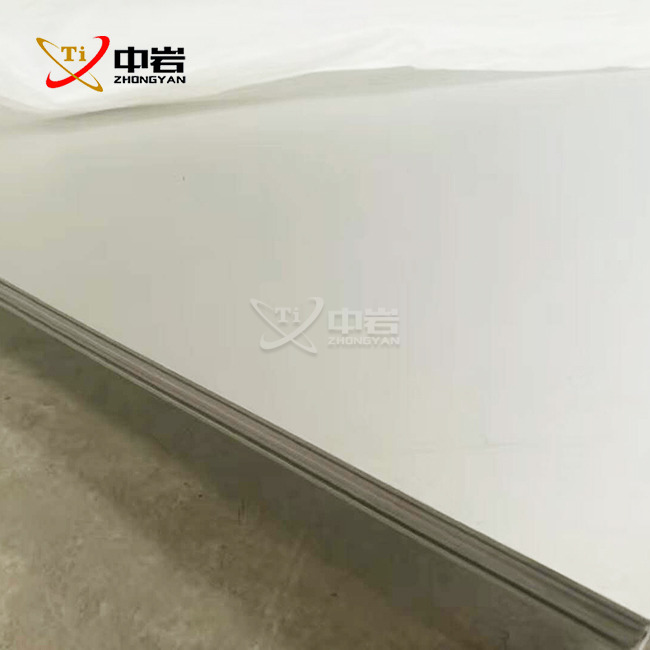
When it comes to titanium alloys, the Gr23 titanium bar is one of a kind. Standard Grade 5 (Ti-6Al-4V) is very strong, but GR23 is even stronger because it goes through more processing to get oxygen, nitrogen, carbon, and iron amounts very low. Because of this difference in the way the metal is made, it has better ductility, better fracture toughness, and better damage resistance under repetitive loading conditions. The chemical makeup is titanium (the main element), aluminum (5.5–6.5%), and vanadium (3.5–4.5%). Its density of 4.43 g/cm³ gives it a great strength-to-weight ratio, which makes it perfect for uses that need to be light. At 114 GPa, the modulus of elasticity is very close to that of human bone. This means that stress shielding doesn't happen in orthopedic devices, which is a major benefit over stainless steel options.
Why Industry-Standard Certifications Matter
Documents that certify your titanium bar meet certain standards are concrete proof that it does. When working in regulated fields like medical products and aircraft manufacturing, you have to get licenses in order to get into the market and stay in business. The ASTM B348 standard sets the size and chemical conditions for titanium bars, and the ISO 5832-2 standard talks about medical implant uses in more detail. These standards make sure that the same level of quality is achieved across all production runs and providers. When you order gr23 titanium bar materials with tolerance h9, a polished finish, and a bright surface treatment, you can be sure that these specs have been checked by a third party. If you don't have this paperwork, you're pretty much buying on faith, which is not a good thing to do when a failure could lead to gadget recalls, patient harm, or catastrophic space accidents.
Common Misconceptions About Material Grade vs. Certification
A lot of people who work in procurement think wrongly that stating "Grade 23" immediately means quality. Material grade tells you what kind of alloy it is, but approval proves that the particular production lot meets grade standards. A seller may say they have GR23 material, but you can't be sure that the tensile strength is at least 900 MPa or that the elongation is more than 10% without proper mill test records and compliance certificates. Another mistake people make is thinking that all certifications are the same. Standards that are known in the industry, like ASTM F136 for medical implants, need to be tested thoroughly and checked by a third party. On the other hand, some firms give out internal "certificates of compliance" that haven't been checked by a third party. By knowing these differences, you can keep your company safe from low-quality materials that could hurt product performance and legal compliance.
Core Certification Types to Verify Before Purchasing GR23 Titanium Bars
Material Quality Certifications: ASTM and ISO Standards
Compliance with material standards is the first step in buying gr23 titanium bar products. ASTM B348 sets the standards for bars and billets made of titanium and titanium alloys. It covers their chemical makeup, mechanical qualities, and size limits. When looking for 10mm diameter bars that are 1000mm long and have been annealed, ASTM B348 compliance makes sure that the material has been heat-treated correctly and meets the tension standards. ISO 5832-2 talks about metals that can be used for medical devices and sets standards for a wrought titanium 6-aluminum 4-vanadium alloy with extra low interstitials. The standard says that the titanium bar must have no more than 0.13% oxygen and 0.25% iron. These are the main differences between a normal Grade 5 and a Gr23 titanium bar. For medical uses, procurement papers should make it clear that they are compliant with ISO 5832-2.
ISO 9001:2015 approval verifies the manufacturer's quality management system as well as the specs of the materials. The process-oriented standard makes sure that production methods are always the same, that processes are written down, and that techniques for continuous improvement are used. Suppliers with ISO 9001:2015 approval show that their company cares about quality beyond just one batch of products, which gives buyers more trust.
Industry-Specific Certifications: Aerospace and Medical Approvals
For aerospace uses, you need more approval layers. The Aircraft Material Specification (AMS 4930) spells out the rules for titanium alloy bars that are used in defense and aircraft. These rules include higher cleanliness standards and requirements for non-destructive testing. AMS 4930 compliance is a must when titanium bars are used to make support parts for airplanes or engine parts. AS9100 certification adds quality control rules for aircraft to the standards of ISO 9001. Suppliers with AS9100 approval have shown they can handle things like configuration management, risk management, and on-time delivery. These are all very important in aircraft supply chains, where parts that are late can stop whole production lines.
Third-Party Documentation: MTR, Chemical Analysis, and NDT Compliance
The most important paper for buying something is the Mill Test Report (MTR), which is also called a Material Test Certificate according to EN 10204 3.1. Real MTRs have real chemical makeup analysis results, mechanical property test data (like tensile strength, yield strength, and elongation), and hardness measures. Check that the tensile strength meets or exceeds 900 MPa, the yield strength exceeds 850 MPa, and the hardness is in the HRC 36 range when looking at the MTR paperwork for Gr23 titanium bar materials. Not just ranges, but exact amounts should be given on chemical composition papers for all interstitial and alloying elements. Your metallurgical team can use this detailed information to figure out if a material is good for certain production processes, like CNC cutting or heat treatment. It is very important to check the oxygen and iron levels, as they have a direct effect on the ELI label.
Comparing Certified GR23 Titanium Bars: How Certification Impacts Quality & Cost
Risk Reduction Through Certified Material Sources
When compared to non-certified options, certified gr23 titanium bar materials greatly lower the risks of purchase. When medical devices fail, the materials used can hurt patients and lead to lawsuits for product liability and FDA enforcement measures, such as consent decrees. In aircraft use, a broken part could lead to a terrible accident that kills many people. Certification paperwork protects you legally by showing that you did your research when choosing materials and making sure suppliers are qualified.
Cost-Benefit Analysis: Certified vs. Uncertified Materials
Most of the time, approved gr23 titanium bar parts cost 15 to 30 percent more than uncertified sources. When you look at the total cost of ownership, though, this difference in prices is a great deal. Rejected incoming material creates costs that are much higher than the buy price. These costs include disposal fees, faster new orders, production delays, and failed deliveries to customers.
Material Comparison: GR23 vs. Other Titanium Grades
Knowing how the gr23 titanium bar stacks up against other materials can help you explain the money you spend on certification. Grade 2 commercially pure titanium is very resistant to rust and is biocompatible, but it is much weaker than Grade 23 (about 345 MPa tensile strength compared to 900+ MPa for GR23). Grade 2 can't be used in places where building strength is needed without major design changes.
How to Verify and Source Certified GR23 Titanium Bars Globally
Certification, Authentication Methods, and Supplier Audits
Independent certification validation is done by third-party checking services. Companies like DNV, Bureau Veritas, and SGS offer source audit services that check out production sites, look over quality systems, and make sure that certification paperwork is correct. When looking for new gr23 titanium bar providers, third-party checks give you an unbiased look at how well they can make things and how mature their quality system is.
Understanding Regional Certification Variations
Different foreign markets have very different certification standards and levels of recognition. The Medical Device Regulation (MDR) says that companies in Europe that make medical devices have to follow certain rules. These rules include conformity assessment processes and technical documents with material specs. In order to get a CE mark, titanium bars must show that they meet harmonised standards such as ISO 5832-2.
Identifying Qualified Suppliers: Manufacturers, OEMs, and Distributors
Direct ties with certified makers give you the most information about the supply chain and make it easier to track down materials. Companies like Zhongyan, which is based in Baoji's Titanium Valley, can process raw materials, make precise machines, and test the quality of their products all at the same time. This vertical integration makes it easier to keep an eye on the whole process and respond more quickly to particular needs for titanium bars with certain size or shape tolerances, surface finishes, or mechanical qualities.
Ensuring Compliance and Quality Throughout Your GR23 Titanium Bar Procurement Process
Incoming Material Inspection and Certificate Verification
Material receipt is an important quality checkpoint where approval paperwork needs to be compared to real materials. First, make sure that the heat numbers written on the real Gr23 titanium bar materials match the numbers written on the MTR paperwork that goes with them. This link to tracking makes sure that certificates really match the given items and are not just generic paperwork.
Building Long-Term Partnerships With Certified Manufacturers
Strategic ties with suppliers provide value that goes beyond individual purchases. Long-term relationships with approved Gr23 titanium bar makers allow for better quality control, problem-solving together, and special treatment during material allocation times. Suppliers see strategic partners as important customers who deserve special treatment, not as bargain hunters who only want to get the best deal.
Emerging Trends in Titanium Certification and Traceability
Material tracking and approval management are changing a lot because of digital change. Blockchain-based systems now make it possible to keep permanent records of where materials came from, from processing raw materials to delivering finished parts. Every person in the supply chain adds confirmed data to the blockchain. This makes the whole thing completely clear and gets rid of the risk of a certification scam. Early users in the military and medical device industries are using blockchain to track vital materials, such as gr23 titanium bar products.
Conclusion
Certification proof is the basis for buying Gr23 titanium bar products with confidence for important industrial uses. The thorough certification process, which includes ASTM B348, ISO 5832-2, AMS 4930, ISO 9001:2015, and strict third-party documentation, makes sure that materials have the right mechanical properties, are biocompatible, and can be manufactured consistently for use in aerospace, medical devices, and industry. Although approved materials cost more, the total cost of ownership analysis clearly shows that they are worth it because they lower quality risks, lower inspection costs, and regulatory compliance trust.
For buying to go well, it takes more than just reviewing certificates. Companies need to set up organized ways to check things, keep good ties with their suppliers, and use new tools for tracking things. Building approved supply chains is an investment that keeps paying off because the products work better, warranty costs go down, and the brand's name for quality excellence grows.
FAQ
What certification standards are mandatory for medical-grade GR23 titanium bars?
For medical uses, ASTM F136 must be followed. This standard says what the chemical makeup and mechanical properties of worked Ti-6Al-4V ELI metal for surgical implant uses must be. ISO 5832-2 gives foreign standards that are the same. Biocompatibility testing according to ISO 10993 guidelines also shows that the material is good for long-term use. The supplier's ISO 9001:2015 or ISO 13485 (medical device quality management) approval makes sure that the standard is consistently high. Don't just ask for certificates of compliance that say the mill meets standards; always ask for full mill test records with real test results and heat number traceability.
How do I verify that certification documents are authentic and not falsified?
Real mill test results have exact heat numbers, real chemical composition percentages, and real mechanical test data that show natural variation, signed by the author and stamped by an approved laboratory. Certificates that look sketchy have test results that exactly match the bare requirements or don't have heat-specific tracking. Ask a third party to test samples on your behalf, and then compare the results to the paperwork from the seller. Do supplier checks that look at the lab processes and calibration records for the original test tools. Working with well-known makers who have widely recognized standards like ISO 9001:2015 greatly lowers the chances of falsification.
What price premium should I expect for certified GR23 titanium bars?
Certified Gr23 titanium bar materials usually cost 15–30% more than uncertified sources. This is because they have to go through more quality control tests, paperwork, and third-party audits, which cost money. Total cost of ownership analysis, on the other hand, shows that certified materials are more valuable because they lower the costs of inbound inspections, the number of rejections, the amount of output waste, and the risks of not meeting regulatory requirements. The certification fee is a cheap way to protect yourself from major mistakes that could lead to product recalls, lawsuits, and damage to your brand's image that is much worse than the actual cost savings.
Partner With Zhongyan for Certified GR23 Titanium Bar Excellence
Zhongyan is a reliable source for gr23 titanium bar products because they offer full certification paperwork and a dedication to quality that never wavers. We use modern manufacturing techniques and strict quality systems to make titanium products that meet ASTM B348, ISO 5832-2, and ISO 9001:2015 standards. Our factory is in Baoji city, which is known as China's Titanium Valley. Our gr23 titanium bars have carefully controlled mechanical qualities, including a tensile strength of at least 900 MPa, a yield strength of at least 850 MPa, and an elongation of at least 10%. They also have a high tolerance and a smooth, bright surface that is ready for your most important uses.
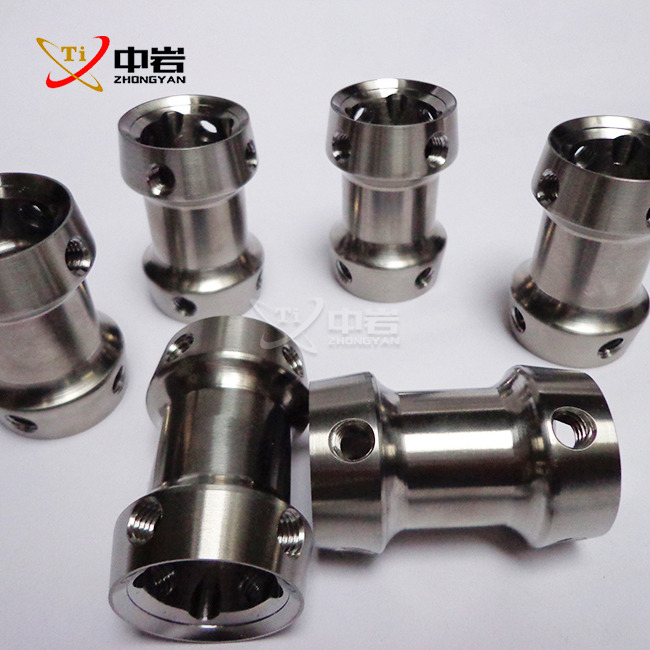
With EN 10204 3.1 mill test records, chemical analysis certificates, and mechanical property paperwork for every heat number, we give you full material traceability. Our combined services include CNC turning, milling, grinding, and custom machining, which lets us give finished parts that are exactly what you need. Zhongyan gives you the approved quality and expert support your projects need, whether you need standard bar stock or custom-machined titanium parts for aerospace, medical devices, or industrial uses.
Get in touch with our team right away at sales@titaniumstudy.com to talk about your unique needs, ask for detailed certification paperwork, or get a quote for your next job. You can feel confident when you work with a qualified gr23 titanium bar maker that wants you to succeed.
References
1. American Society for Testing and Materials. (2020). ASTM F136-13: Standard Specification for Wrought Titanium-6Aluminum-4Vanadium ELI Alloy for Surgical Implant Applications. ASTM International, West Conshohocken, PA.
2. International Organization for Standardization. (2018). ISO 5832-2: Implants for Surgery — Metallic Materials — Part 2: Unalloyed Titanium. ISO Standards, Geneva, Switzerland.
3. SAE International. (2019). AMS 4930: Titanium Alloy Bars, Forgings, and Rings 6Al-4V Annealed. Aerospace Material Specification, Warrendale, PA.
4. Boyer, R., Welsch, G., and Collings, E.W. (1994). Materials Properties Handbook: Titanium Alloys. ASM International, Materials Park, OH.
5. Rack, H.J. and Qazi, J.I. (2006). Titanium Alloys for Biomedical Applications. Materials Science and Engineering C, Volume 26, Issue 8, Pages 1269-1277.
6. Donachie, M.J. (2000). Titanium: A Technical Guide, Second Edition. ASM International, Materials Park, OH.
_1755672221864.jpg)
Learn about our latest products and discounts through SMS or email