- English
- French
- German
- Portuguese
- Spanish
- Russian
- Japanese
- Korean
- Arabic
- Greek
- German
- Turkish
- Italian
- Danish
- Romanian
- Indonesian
- Czech
- Afrikaans
- Swedish
- Polish
- Basque
- Catalan
- Esperanto
- Hindi
- Lao
- Albanian
- Amharic
- Armenian
- Azerbaijani
- Belarusian
- Bengali
- Bosnian
- Bulgarian
- Cebuano
- Chichewa
- Corsican
- Croatian
- Dutch
- Estonian
- Filipino
- Finnish
- Frisian
- Galician
- Georgian
- Gujarati
- Haitian
- Hausa
- Hawaiian
- Hebrew
- Hmong
- Hungarian
- Icelandic
- Igbo
- Javanese
- Kannada
- Kazakh
- Khmer
- Kurdish
- Kyrgyz
- Latin
- Latvian
- Lithuanian
- Luxembou..
- Macedonian
- Malagasy
- Malay
- Malayalam
- Maltese
- Maori
- Marathi
- Mongolian
- Burmese
- Nepali
- Norwegian
- Pashto
- Persian
- Punjabi
- Serbian
- Sesotho
- Sinhala
- Slovak
- Slovenian
- Somali
- Samoan
- Scots Gaelic
- Shona
- Sindhi
- Sundanese
- Swahili
- Tajik
- Tamil
- Telugu
- Thai
- Ukrainian
- Urdu
- Uzbek
- Vietnamese
- Welsh
- Xhosa
- Yiddish
- Yoruba
- Zulu
Design optimization with grade 4 titanium foil for tight-tolerance shells
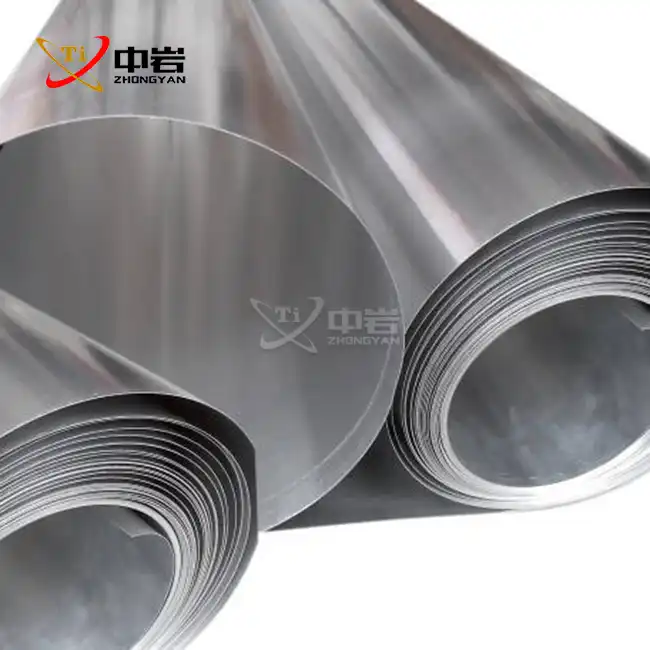
A revolutionary method in precision production is design optimization with grade 4 titanium foil for tight-tolerance shells. This pure titanium material for sale, which meets ASTM B265 standards, has great mechanical qualities. Its tensile strength is over 550 MPa, and it can be shaped very well. When engineers have to meet strict requirements for physical accuracy within micron-level limits, grade 4 titanium foil is the best choice because it is both lightweight and highly resistant to rust in a wide range of industrial settings.
Understanding Grade 4 Titanium Foil and Its Unique Properties
Chemical Composition and Mechanical Characteristics
Grade 4 titanium foil, which is also known as UNS R50700 in international standards, is the best type of widely pure titanium foil. The material has an amazing tensile strength of at least 550 MPa, a yield strength of at least 485 MPa, and stretch qualities that reach 15%. Its polished substructure, which combines purity with controlled intermediate elements like oxygen, nitrogen, and carbon, gives it this one-of-a-kind mix. This substance has a mass of 4.51 g/cm³, which makes it about 60% as heavy as steel while still having similar strength. Zhongyan's manufacturing methods keep exact control over thickness ranges from 0.025mm to 1.0mm, meeting the needs of a wide range of applications in the medical, military, and industry sectors.
Heat Treatment and Property Enhancement
Targeted heat treatment methods can make the natural qualities of this type of pure titanium much better. Stress relief annealing at controlled temperatures improves the mechanical qualities while keeping the dimensions stable, which is very important for uses that need to be precise. The material has a low thermal expansion rate and good thermal conductivity, which means that it doesn't change size much when the temperature changes. Processing freedom lets you specify the thickness and surface finish exactly how you want them. Our production skills include widths from 5 mm to 1000 mm and custom length cuts, which makes sure that the right amount of material is used in shells with complicated shapes.
Performance Characteristics in Demanding Environments
The material works very well at temperatures ranging from -200°C to 300°C, keeping its shape and mechanical features even when heated and cooled many times. Because it isn't magnetic, it can be used in sensitive electrical applications, and because it is biocompatible, it can be used in medical devices without hurting the tissues. Better resistance to wear means that the structure will last for a long time, even when it is loaded and unloaded many times. Precision rolling methods make it possible to get a smooth surface finish, which helps spread out stress and makes things last longer.
Design Challenges in Tight-Tolerance Shells and How Grade 4 Titanium Foil Addresses Them
Common Manufacturing Challenges
Tight-tolerance shell manufacturing has always had a lot of problems, such as unstable dimensions during making, material springback effects, and warping caused by stress. Conventional materials often have mechanical qualities that aren't uniform, which can cause differences in the end size and make the performance less reliable. When dealing with these problems, choosing the right material is very important because not having the right strength-to-weight ratio leads to needing too much thickness, which makes it more difficult and adds to the total system weight. Corrosion can happen in tough settings, which makes design even more complicated and calls for extra protective layers or thicker materials.
Superior Strength-to-Weight Performance
This version of grade 4 titanium foil has an amazing strength-to-weight ratio that solves several design problems at once. Engineers can reduce the thickness of the shell while keeping the structure's stability. This lets them make designs that are smaller but better at what they do. When you reduce the weight of a system, it works better. This is especially true in aircraft use, where every gram affects fuel use and carrying capability. Consistency in the material makes sure that the making behavior is reliable. This lowers the inconsistency in production and makes it possible to achieve tighter tolerances. Titanium is naturally stable, which means that its dimensions don't change much during processing or service.
Real-World Performance Validation
When used in heat shield structures and ventilation systems, this material makes a huge difference in how well aerospace uses work. Medical device makers say that surgery tool parts are more reliable, but accuracy and biocompatibility are still very important. These case studies prove that the material can meet complicated technical needs while still being cost-effective. Chemical working settings benefit from the excellent resistance to rust, which eliminates the problems that come with normal materials failing too soon. The longer service life cuts down on repair needs and downtime, which saves a lot of money over the course of a product's lifecycle.
Comparative Insights: Grade 4 Titanium Foil vs. Other Materials for Shell Design
Titanium Grade Comparisons
When you know the differences between titanium types, you can choose the right material for the job. Grade 2 titanium is very easy to shape but not as strong, so it can be used for structures that don't need to be very strong. Grade 5 titanium is stronger because it has more alloying elements, but it is less easy to shape and join. One of the best things about grade 4 titanium is that it is stronger than grades 1-3 while still being easier to shape than alloyed versions. Because of its position, it's perfect for uses that need both good structural performance and industrial freedom.
Alternative Material Assessment
Stainless steel options usually need to be thicker to be as strong, which means they are heavier and less flexible in how they are designed. Even though the original cost of the material may seem lower, titanium is often cheaper in the long run because it is lighter, more resistant to rust, and lasts longer. Aluminum alloys are lighter than other materials, but they don't have the rust protection or high-temperature performance that is needed in harsh settings. Titanium is better at resisting wear than aluminum, which makes it useful in situations where it is loaded and unloaded over and over again.
Cost-Benefit Analysis
When figuring out how much something costs, you have to look at more than just the initial buy price. The high level of longevity and resistance to rust means that expensive repair processes and early replacements are not needed. Higher material prices are balanced out by better manufacturing efficiency gains from fewer manufacturing operations and easier assembly steps. Applications in the energy sector show a big return on investment by making systems more efficient and cutting down on repair downtime. Because the product is lightweight, it saves money on running costs over its entire lifetime.
Procurement Considerations for Grade 4 Titanium Foil
Supplier Network and Quality Assurance
For buying to go well, you need to work with well-known manufacturers who have full quality control systems and foreign certifications. Being in Baoji, China's grade 4 titanium foil Valley, gives Zhongyan access to high-quality products and modern working tools. Our ISO9001:2015 approval shows that we are dedicated to consistently delivering high-quality products. When evaluating a supplier, you should look at their professional skills, production capacity, and ability to make changes to meet your needs. It is important to be able to provide material approvals, mechanical property validations, and measurement inspection records to make sure that application standards are met.
Customization and Lead Time Management
Custom width requirements and the ability to cut precisely allow for better use of materials and less waste. OEM cutting and packing services make it easier for the supply chain to work together, and they keep the dimensions of the goods accurate while they are being stored and handled. Things like the supply of materials, the steps needed for handling, and the quality checks must all be taken into account when figuring out the lead time. By forming smart relationships with qualified providers, you can get goods faster during times of high demand.
Pricing Optimization Strategies
Price changes in the raw material market have an effect on long-term supply deals, which help with budgeting and keeping costs down. Buying in bulk can often save you a lot of money and make sure that you have the materials you need when you need them. Instead of just focusing on unit price, negotiation tactics should focus on total value, which includes things like material quality, expert help, and the trustworthiness of delivery. Problems with quality and late deliveries often cost more than the money that could be saved by using cheaper options.
Optimizing Design and Performance: Best Practices and Future Trends
Engineering Design Standards
To make the application work, you need to follow well-known technical rules for the joining and shaping of titanium. When designing, tolerances must take into account how the material springs back and how it expands and contracts when it's being worked on and while it's being used. When putting this commercially pure grade together, assembly methods should take advantage of how well it welds while avoiding contamination that could weaken the joint. Dimensional precision is maintained throughout the production process with the right design of fixtures and process control.
Emerging Industry Trends
Sustainability is becoming a bigger factor in choosing materials. Titanium's ability to be recycled and long service life are both good for the earth. The aircraft industry keeps coming up with new ideas for lightweight designs that use titanium's unique properties. Medical device downsizing trends are helped by the fact that biocompatible materials are strong and allow for smaller, more complex implant designs. Thin-film technology and sputtering target applications are getting better, which means more electronic uses.
Advanced Processing Techniques
Controlled texture and finishing uses have led to advances in surface engineering that improve performance qualities. Optimizing the properties of a material through heat treatment lets it be used in different ways while keeping its shape. Real-time tracking and automatic checking systems have made quality control better and make sure that products are always delivered on time. These improvements in technology help meet the tight standards needed in modern factory settings.
Company Introduction & Product and Service Information
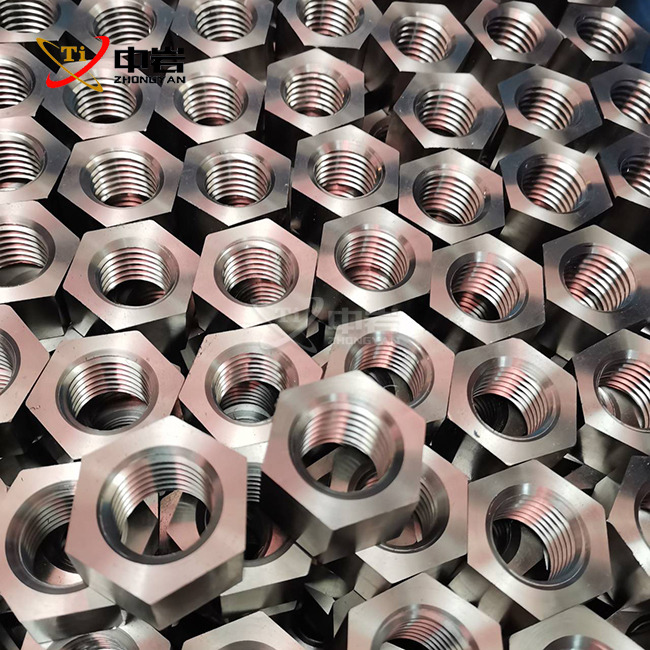
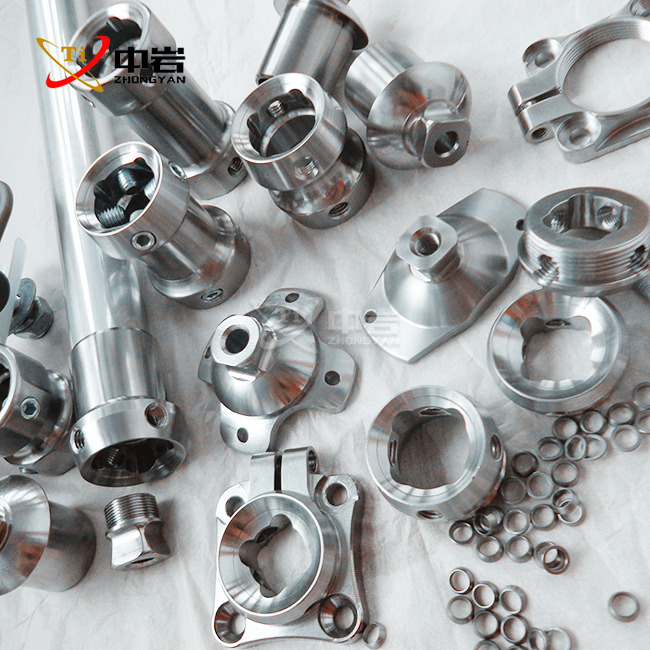
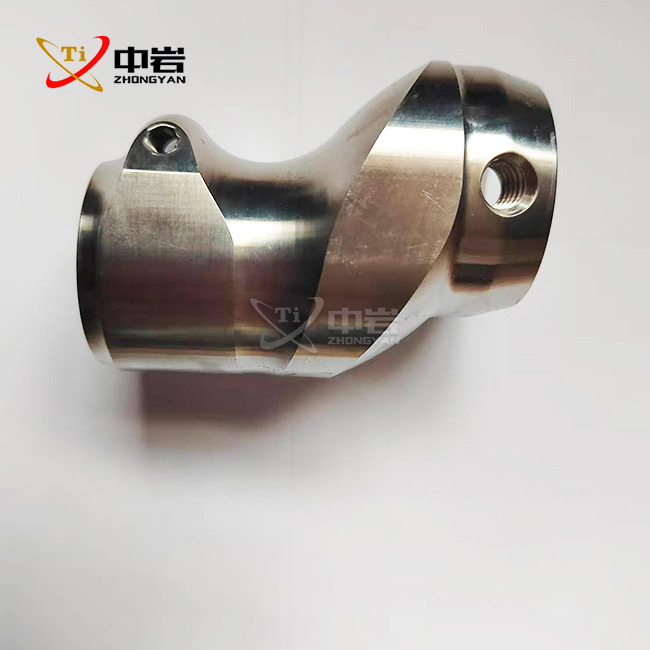
This company, Baoji Zhongyan grade 4 titanium foil Industry Co., Ltd., is one of the best at making high-precision titanium goods and unique CNC-made parts. Because we are strategically located in China's Titanium Valley, we have unmatched access to high-quality raw materials and cutting-edge processing technologies. This lets us make goods that are better than international standards. We can do a lot of different kinds of making, like CNC turning, milling, grinding, laser cutting, and Wire EDM machining. Bringing together research and development, manufacturing, and global sales operations makes sure that customers are fully supported during the whole process of buying and putting the product into use. The company's main product is ASTM B265-compliant titanium foil that can be customized to meet a wide range of industry needs. Our dedication to quality control, shown by our ISO9001:2015 certification and thorough testing methods, ensures that our products will always work well and be dependable. As part of technical support services, material selection advice, application engineering help, and suggestions for improving performance are all available. Our skilled engineers work with customers to create personalized solutions that solve their unique design problems and meet their performance goals.
Conclusion
Design improvement with grade 4 titanium foil changes the way tight-tolerance shells are made by giving the material better qualities and more processing options. Engineers can reach performance levels that were previously impossible in aircraft, medical, and industrial settings thanks to the material's high strength-to-weight ratio, great resistance to rust, and ease of shaping. To adopt something well, you need to think carefully about what the provider can do, how you can customize it, and how much it will cost over its whole life. As long as sustainability and performance improvement are important to the industry, this economically pure titanium grade will be the best choice for tough engineering tasks that need accuracy, dependability, and long-term sturdiness.
FAQ
What distinguishes Grade 4 titanium foil from other titanium grades?
Grade 4 represents the strongest commercially pure titanium variant, offering tensile strength exceeding 550 MPa while maintaining excellent formability and weldability. Unlike alloyed grades such as Ti-6Al-4V, it provides superior workability without sacrificing corrosion resistance or biocompatibility characteristics.
How does corrosion resistance perform in marine environments?
The material demonstrates exceptional resistance to seawater, chloride solutions, and marine atmospheres without protective coatings. Independent testing validates performance in desalination equipment and offshore structures where conventional materials experience rapid degradation.
What are typical lead times and minimum order quantities?
Lead times typically range from 2-4 weeks, depending on customization requirements and thickness specifications. Minimum order quantities vary based on dimensions and processing requirements, with our team providing flexible solutions for both prototype and production volumes.
Can the material accommodate complex forming operations?
The excellent formability enables deep drawing, hydroforming, and precision stamping operations while maintaining dimensional accuracy. Proper tooling design and process parameters ensure successful forming without cracking or excessive springback.
What quality certifications accompany material delivery?
All shipments include comprehensive material certifications documenting chemical composition, mechanical properties, and dimensional compliance. Additional testing services provide specialized validation for critical applications requiring enhanced quality assurance.
Partner with Zhongyan for Premium Grade 4 Titanium Foil Solutions
Zhongyan delivers industry-leading grade 4 titanium foil manufactured to exact specifications for your tight-tolerance shell applications. Our comprehensive customization capabilities, including precision thickness control and OEM cutting services, ensure optimal material utilization and seamless integration into your manufacturing processes. As a trusted grade 4 titanium foil supplier with decades of experience, we provide complete technical support, competitive pricing, and reliable delivery schedules that keep your projects on track. Contact our expert team at sales@titaniumstudy.com to discuss your specific requirements and discover how our premium titanium solutions can enhance your product performance and manufacturing efficiency.
References
1. Boyer, R., Welsch, G., & Collings, E.W. "Materials Properties Handbook: Titanium Alloys." ASM International, Materials Park, Ohio, 1994.
2. Donachie, Matthew J. "Titanium: A Technical Guide, 2nd Edition." ASM International, Materials Park, Ohio, 2000.
3. Peters, M., Kumpfert, J., Ward, C.H., & Leyens, C. "Titanium and Titanium Alloys: Fundamentals and Applications." Wiley-VCH, Weinheim, Germany, 2003.
4. Lutjering, G. & Williams, J.C. "Titanium: Engineering Materials and Processes, 2nd Edition." Springer-Verlag, Berlin, Germany, 2007.
5. ASTM International. "ASTM B265-20: Standard Specification for Titanium and Titanium Alloy Strip, Sheet, and Plate." ASTM International, West Conshohocken, Pennsylvania, 2020.
6. Schutz, R.W. & Thomas, D.E. "Corrosion of Titanium and Titanium Alloys: Corrosion Engineering Handbook." Marcel Dekker Inc., New York, 1996.
(1)_1755587759206.jpg)
Learn about our latest products and discounts through SMS or email