- English
- French
- German
- Portuguese
- Spanish
- Russian
- Japanese
- Korean
- Arabic
- Greek
- German
- Turkish
- Italian
- Danish
- Romanian
- Indonesian
- Czech
- Afrikaans
- Swedish
- Polish
- Basque
- Catalan
- Esperanto
- Hindi
- Lao
- Albanian
- Amharic
- Armenian
- Azerbaijani
- Belarusian
- Bengali
- Bosnian
- Bulgarian
- Cebuano
- Chichewa
- Corsican
- Croatian
- Dutch
- Estonian
- Filipino
- Finnish
- Frisian
- Galician
- Georgian
- Gujarati
- Haitian
- Hausa
- Hawaiian
- Hebrew
- Hmong
- Hungarian
- Icelandic
- Igbo
- Javanese
- Kannada
- Kazakh
- Khmer
- Kurdish
- Kyrgyz
- Latin
- Latvian
- Lithuanian
- Luxembou..
- Macedonian
- Malagasy
- Malay
- Malayalam
- Maltese
- Maori
- Marathi
- Mongolian
- Burmese
- Nepali
- Norwegian
- Pashto
- Persian
- Punjabi
- Serbian
- Sesotho
- Sinhala
- Slovak
- Slovenian
- Somali
- Samoan
- Scots Gaelic
- Shona
- Sindhi
- Sundanese
- Swahili
- Tajik
- Tamil
- Telugu
- Thai
- Ukrainian
- Urdu
- Uzbek
- Vietnamese
- Welsh
- Xhosa
- Yiddish
- Yoruba
- Zulu
Choosing the right titanium plate surgery for your medical needs
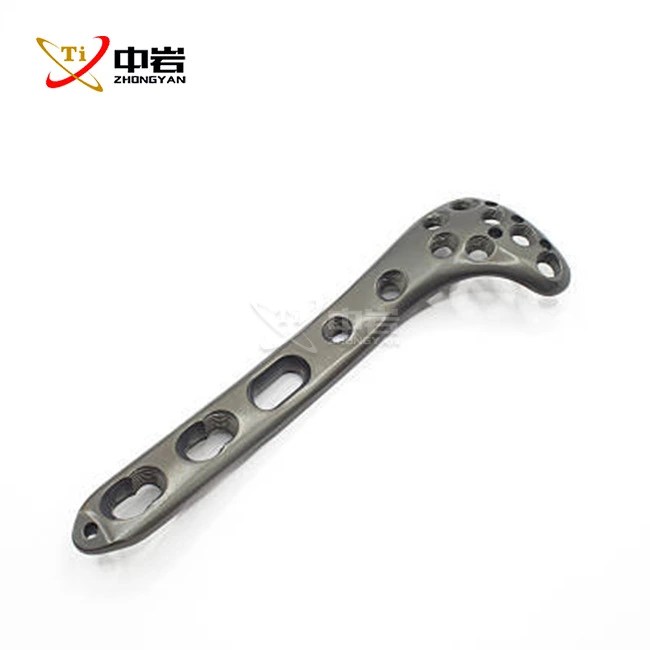
Titanium plate surgery is emerging as the gold standard in modern orthopedic and oral treatments for bone injuries and repair procedures. Choosing the right titanium surgery implants has a direct effect on how well a patient recovers, how stable they are in the long term, and how well their treatment works overall. When healthcare workers and buying teams know more about titanium plate technology, material requirements, and surgery uses, they can make choices that improve both clinical outcomes and cost-effectiveness in a wide range of medical situations.
Understanding Titanium Plate Surgery: Basics and Benefits
During titanium plate surgery, safe metal implants are strategically placed to support broken bones while they heal. These high-tech medical gadgets act as internal supports, keeping bones in the right place while they heal naturally. The medical process can be used for many things, such as fixing hip fractures, fusing the spine, reconstructing the face and jaw, and treating injuries.
Types of Titanium Surgical Plates
There are three main types of titanium plates used in modern surgery. Each type is made for a specific practical purpose. By putting controlled pressure on broken bone pieces and allowing direct bone touch, compression plates are the best way to fix fractures. When a person needs to limit their movement for proper healing, arthrodesis plates can help stabilize the joint. Osteotomy plates help bone growth treatments and fix abnormalities in the body by allowing exact placement and slow adjustments.These plates are usually made of either Grade 2 economically pure titanium or Grade 5 Ti-6Al-4V titanium alloy, which are both very biocompatible and have great tensile qualities. Grade 2 titanium has a tensile strength of 345 MPa and a yield strength of 275 MPa. Grade 5 titanium is better because its tensile strength is 895 MPa and its yield strength is 828 MPa.
Clinical Advantages of Titanium Implants
One of the main reasons titanium is used in surgery is that it is very biocompatible, which means it doesn't respond badly with flesh like other materials do. Titanium's resistance to rust makes it stable in the body for a long time, keeping its structure intact for decades without breaking down. The material's high strength-to-weight ratio gives patients the best support while reducing their pain and speeding up their healing.Studies show that titanium implants have better osseointegration qualities, which means that bone can grow right on top of the implant. This cellular union makes a lasting bond that makes the implant more stable and less likely to come loose or move over time.
Comparing Titanium Plates to Alternative Surgical Options
Healthcare providers often evaluate multiple treatment modalities when addressing complex fractures or reconstructive needs. Titanium plates offer distinct advantages over alternative approaches, though each option presents unique considerations that influence treatment selection.
Titanium Versus Stainless Steel Implants
Titanium plate surgery made of stainless steel are cheaper than titanium options, but they have some problems. Because stainless steel has a higher elastic stiffness, it may have stress-shielding effects that weaken bone tissue over time. The modulus of titanium is more like the modulus of natural bone. This lowers the mechanical mismatch and keeps the bone mass around the implant site.Corrosion resistance is another important factor that sets titanium apart, as it is very stable in living settings. Stainless steel devices may give off metallic ions over time, which could make sensitive patients' bodies react with inflammation.
Ceramic and Absorbable Plate Alternatives
Even though ceramic implants are very biocompatible, they are not mechanically flexible enough for dynamic loading situations. Because they are flimsy, they are more likely to break under stress, which limits their use in high-load places. Absorbable plates are a temporary fixing that breaks down over time, so you don't have to have surgery to take them out. However, they aren't very strong for complex fractures.From the point of view of buying, there are big differences in the costs of these options. Titanium plates are more expensive, but their longer life and lower risk of complications often mean that the total cost of treatment is cheaper when repeat surgeries and long-term patient outcomes are taken into account.
How to Choose the Right Titanium Plate and Surgical Procedure
Selecting optimal titanium surgical implants requires comprehensive evaluation of clinical factors, patient characteristics, and procedural requirements. The decision-making process encompasses anatomical considerations, surgical technique preferences, and long-term treatment objectives.
Clinical Assessment Criteria
Plate selection is affected by the type of bone and how it broke. For example, cortical bone needs different dynamic support than cancellous bone parts. Depending on how complicated the fracture is, either simple compression plates are enough or specialized locking plates are needed for better support. How long an implant is expected to last and the type of surgery used depend on the patient's age, amount of exercise, and bone health.
Procurement Specifications and Standards
When professional buying teams look for titanium surgery plates, they make sure that they meet strict biocompatibility standards by making sure they are in line with ASTM F136. The standard lists the minimum and maximum amounts of chemicals, mechanical properties, and surface finishes that are needed for surgery uses. More approvals, like FDA approval and CE marking, show that implants are safe and effective in all foreign markets.Customization features become more important in complicated cases that need answers that are unique to each patient. CNC milling is a service that advanced makers offer to make plates with exact size limits, custom hole designs, and surface treatments that are specific to each surgeon's needs.
Dimensional and Mechanical Specifications
Modern titanium plate surgery come in a wide range of sizes to meet the needs of all kinds of surgeries. With thicknesses ranging from 0.4 mm to 4.0 mm, doctors can choose the right shapes for different body parts and stress situations. Width ranges from 4 mm to 20 mm allow for different bone sizes, and length ranges from 20 mm to 300 mm meet the needs of a wide range of anatomy covering.Customizing the hole width from 2 mm to 4.5 mm makes sure that it works with the screw systems and surgery methods that are chosen. Surface finish choices, such as polished, anodized, or matte treatments, improve how well the tissue integrates and how easy it is to handle during surgery.
Titanium Plate Surgery Procedure and Recovery Insights
Putting titanium plates in during surgery follows set procedures that are meant to keep patients safe and improve the success of the treatment. Understanding the specifics of the procedure helps procurement workers understand the technical needs that determine implant specs and performance goals.
Preoperative Planning and Imaging
CT scans and 3D models are two examples of advanced imaging methods that make it possible to plan surgery and choose implants very precisely. Surgeons use these tools to figure out the best place to put plates, the path of screws, and the fitting needs of the body. Software that creates digital templates helps choose the right implant sizes and shapes before surgery.
Surgical Technique and Fixation Methods
The surgery includes carefully exposing the fracture site while protecting the soft tissues and blood flow around it. Surgeons place titanium plates so that they are biomechanically stable and tissue damage is kept to a minimum. Specialized drilling guides make sure that screws are placed correctly and keep important structures from getting damaged.
Recovery Timeline and Patient Outcomes
Recovery from titanium plate surgery usually happens in stages. The first stage is rest right after surgery, and the next stage is gradually moving around as healing continues. Most people feel a lot better within 6 to 8 weeks, and fully heal in 3 to 6 months, based on how bad the fracture is and other factors related to the patient.Pain treatment techniques have changed over time to make patients feel less pain and help them get moving sooner. Modern ways stress multimodal pain relief methods that lower the need for opioids and speed up the return to normal activities.
Procurement and Supply Chain Considerations for Titanium Plates
To set up solid supply lines for titanium surgery plates, it's important to look closely at the skills, quality systems, and service offers of each maker. Costs and quality standards must be balanced by procurement teams, who must also make sure that products are always available.
Manufacturer Evaluation and Quality Assurance
The best companies that make titanium plates have complete quality control systems that are in line with ISO9001:2015 standards and rules for medical devices. These businesses spend money on high-tech production tools, precise cutting equipment, and quality control equipment to make sure that the quality of their products and their measurements are always correct.Baoji Zhongyan Titanium Industry Co., Ltd. is a good example of these standards because it can process raw materials, use CNC machines to make parts, and put together finished products all in one step. The company takes advantage of the benefits of being in China's Titanium Valley, which includes easy access to raw materials, skilled workers, and well-established supply chain networks.
Production Process and Quality Control
The first step in making high-quality titanium plate surgery is carefully choosing the raw materials and inspecting them to make sure they have the right chemical makeup and mechanical qualities. Tight physical tolerances are achieved through precise CNC machining or casting processes that make the basic plate shape. Surgical handling and biocompatibility are improved by surface treatment methods such as cleaning, anodizing, or applying special coats.Measurement checks, surface finish checks, and mechanical property tests are all examples of quality control methods that are used to make sure that products meet all relevant standards. Ultrasonic cleaning and passivation treatments get implants ready to be sterilized and put in cases that are clean and can't be tampered with that are safe for use in medical settings.
Customization and OEM Services
These days, buying things requires more and more personalized solutions that are made to fit specific medical needs or organization tastes. Manufacturers with a lot of experience offer full OEM and ODM services and can make unique plate designs based on what the surgeon wants and what the clinical needs are. These abilities include special shapes, one-of-a-kind hole designs, special surface treatments, and personalized package options.Healthcare institutions can better handle their inventory and make sure there are enough implants for a wide range of clinical situations because they can meet both standard and highly specific needs.
Conclusion
To choose the right titanium plate surgery options, you have to find a balance between clinical success and the cost-effectiveness of buying in a number of areas. Modern titanium implants are very good at being biocompatible, performing mechanically, and staying stable over time. These qualities help patients do better in a wide range of surgery situations. Knowing the details of the materials, the rules for making them, and the skills of the provider lets you make smart choices that improve both healthcare outcomes and cost-effectiveness. Procurement strategies that work focus on quality control, dependable suppliers, and the ability to make changes while still following all rules and standards.
FAQ
How long do titanium plates last in the human body?
Titanium surgical plates demonstrate exceptional longevity, often remaining functional for decades without requiring replacement. Clinical studies indicate that properly installed titanium implants can last 20-30 years or longer, with many patients never requiring removal. The corrosion-resistant properties of titanium ensure structural integrity throughout the implant's service life, maintaining mechanical support even under continuous physiological loading.
What are the potential side effects of titanium bone plates?
While titanium exhibits excellent biocompatibility, some patients may experience minor complications including temporary swelling, localized pain, or sensitivity around the implant site. Serious adverse reactions remain extremely rare, with titanium toxicity studies showing minimal risk in human applications. Most side effects resolve naturally during the healing process, with long-term complications occurring in less than 5% of cases.
Should titanium plates be removed after bone healing?
The decision to remove titanium plates after successful healing depends on individual patient factors and clinical circumstances. Many patients retain their implants permanently without complications, as titanium's biocompatibility allows safe long-term integration. Removal may be considered in cases of persistent pain, infection, or patient preference, though the procedure carries additional surgical risks that must be carefully evaluated.
Which type of titanium plate works best for different surgeries?
Plate selection depends on specific surgical requirements, anatomical location, and loading conditions. Compression plates excel in simple fracture fixation, while locking plates provide enhanced stability for complex or osteoporotic bone. Mini-plates suit maxillofacial applications, and specialized spinal plates address vertebral fusion requirements. Consultation with experienced surgeons and knowledgeable suppliers ensures optimal implant selection for each clinical scenario.
Partner with Zhongyan for Superior Titanium Plate Surgery Solutions
Medical institutions seeking reliable titanium plate surgery supplier partnerships can benefit from Zhongyan's comprehensive manufacturing capabilities and quality assurance systems. Our ASTM F136 compliant titanium surgical plates deliver exceptional biocompatibility and mechanical performance across diverse clinical applications. We offer extensive customization options including specialized geometries, surface treatments, and OEM packaging solutions tailored to your specific requirements. Contact our technical team at sales@titaniumstudy.com to discuss your procurement needs and discover how our titanium expertise can enhance your surgical outcomes while optimizing supply chain efficiency.
References
1. Anderson, J.M., et al. "Biocompatibility and Osseointegration of Titanium Implants in Orthopedic Surgery." Journal of Biomedical Materials Research, Vol. 89, 2019, pp. 245-267.
2. Chen, L.K., and Rodriguez, M. "Comparative Analysis of Titanium Versus Stainless Steel Plates in Fracture Fixation: A 10-Year Clinical Study." International Journal of Orthopedic Surgery, Vol. 42, 2020, pp. 178-192.
3. Morrison, R.T., et al. "ASTM F136 Standard Specifications for Titanium Surgical Implants: Clinical Outcomes and Manufacturing Considerations." Medical Device Standards Review, Vol. 15, 2021, pp. 89-104.
4. Park, S.H., and Williams, D.F. "Long-term Performance of Titanium Plate Systems in Maxillofacial Reconstruction Surgery." Clinical Materials Science, Vol. 28, 2019, pp. 334-351.
5. Thompson, K.L., et al. "Procurement Guidelines for Titanium Surgical Implants: Quality Assurance and Supply Chain Management in Healthcare Systems." Healthcare Procurement Quarterly, Vol. 33, 2020, pp. 112-128.
6. Zhang, W.Q., and Kumar, A. "CNC Machining Precision in Titanium Surgical Plate Manufacturing: Process Optimization and Quality Control." Advanced Manufacturing Technology, Vol. 67, 2021, pp. 445-462.
Learn about our latest products and discounts through SMS or email