- English
- French
- German
- Portuguese
- Spanish
- Russian
- Japanese
- Korean
- Arabic
- Greek
- German
- Turkish
- Italian
- Danish
- Romanian
- Indonesian
- Czech
- Afrikaans
- Swedish
- Polish
- Basque
- Catalan
- Esperanto
- Hindi
- Lao
- Albanian
- Amharic
- Armenian
- Azerbaijani
- Belarusian
- Bengali
- Bosnian
- Bulgarian
- Cebuano
- Chichewa
- Corsican
- Croatian
- Dutch
- Estonian
- Filipino
- Finnish
- Frisian
- Galician
- Georgian
- Gujarati
- Haitian
- Hausa
- Hawaiian
- Hebrew
- Hmong
- Hungarian
- Icelandic
- Igbo
- Javanese
- Kannada
- Kazakh
- Khmer
- Kurdish
- Kyrgyz
- Latin
- Latvian
- Lithuanian
- Luxembou..
- Macedonian
- Malagasy
- Malay
- Malayalam
- Maltese
- Maori
- Marathi
- Mongolian
- Burmese
- Nepali
- Norwegian
- Pashto
- Persian
- Punjabi
- Serbian
- Sesotho
- Sinhala
- Slovak
- Slovenian
- Somali
- Samoan
- Scots Gaelic
- Shona
- Sindhi
- Sundanese
- Swahili
- Tajik
- Tamil
- Telugu
- Thai
- Ukrainian
- Urdu
- Uzbek
- Vietnamese
- Welsh
- Xhosa
- Yiddish
- Yoruba
- Zulu
Understanding the healing process after titanium plate surgery
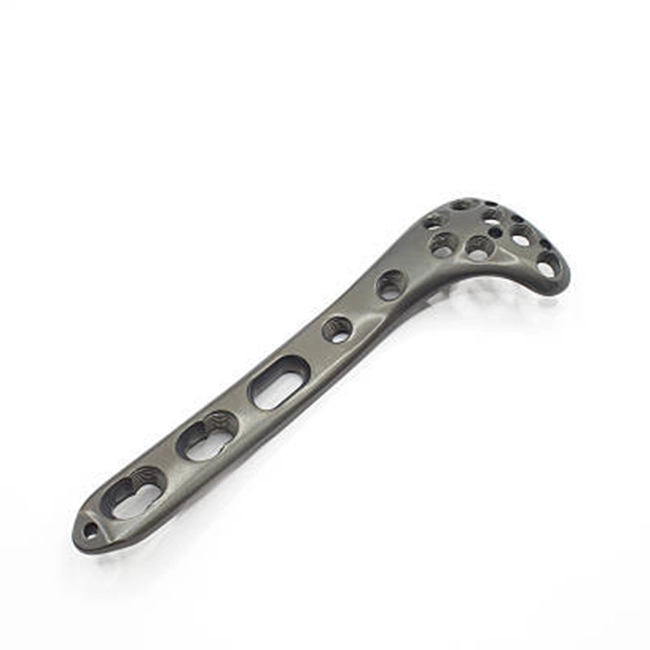
To understand how the body heals after surgery on a titanium plate surgery, you need to know about the complicated biological processes that allow bone to grow back and integrate with titanium implants. Using the unique biocompatibility and mechanical qualities of titanium metals, titanium plate surgery is one of the most important ways to fix fractures. There are several stages to the healing process, from the first inflammatory reactions to full osseointegration, where titanium plates support the structure while letting the bone naturally change shape. Doctors and people who work in procurement need to understand these complicated steps in order to choose the right surgery gear that improves patient results and makes sure it works reliably for a long time in clinical settings.
The Healing Process After Titanium Plate Surgery
Healing from titanium plate surgery goes through different biological stages that show how well titanium implants work with human bone tissue. After the titanium gear is surgically implanted, the body starts its natural healing process, which starts right away.
Initial Inflammatory Response and Tissue Integration
As soon as the body sees the titanium implant and starts making a protected barrier, the mending process can begin. During the first phase, blood vessels around the surgery site widen. This lets more nutrients and defense cells reach the area. Titanium is very biocompatible, which means that this inflammatory response stays under control and is actually helpful. This is different from reactions to other metals, which could lead to rejection. The body starts to deposit fibrin and other proteins straight onto the titanium surface, laying the groundwork for bone fusion. Within the first few days, osteoblasts move to the titanium surface, drawn there by the special features of medical-grade titanium. These cells start to release collagen and other proteins that will harden into new bone tissue over time. The titanium plate gives the bone rapid mechanical support during this important early phase, keeping it in the right place while the body's natural mending processes begin.
Osseointegration and Bone Remodeling Phases
The most interesting thing about titanium plate mending is osseointegration, which is when bone tissue makes a direct anatomical link with the titanium surface. This process usually starts two to three weeks after surgery and lasts for a few months. The rough surface and chemical makeup of titanium make it easier for bone cells to stick to it and multiply, making a bond that is stronger than many natural bone connections. During the remodeling phase, osteoclasts and osteoblasts work together to change the shape of the bone around the titanium plate and make it stronger. This changing process can last for months or even years, during which time the bone is always responding to mechanical forces and adjusting its shape around the implant. Even though the elastic stiffness of the titanium plate is not the same as that of bone, it still allows for the right stress transfer that helps bones stay healthy.
Benefits and Risks of Titanium Plate Surgery in Bone Repair
Medical titanium plates offer significant advantages over alternative materials, though procurement professionals must understand both benefits and potential complications to make informed sourcing decisions.
Superior Material Properties and Clinical Advantages
Titanium plate surgery are better in a number of ways that have a direct effect on how well patients do and how often they recover in the long run. The material is very resistant to rust, so the implant will still be structurally sound even after decades in the body, where other metals might break down or respond badly. This resistance to rust comes from titanium's ability to make a steady oxide layer that protects the underlying metal from biological fluids. Titanium's biocompatibility is one of its best qualities, with rejection rates much lower than those of steel or other metals. Over 95% of the time, clinical studies show that titanium implants merge effectively. This makes them the gold standard for surgery hardware. Because the material is compatible with MRIs, patients can get diagnostic images without worrying about metal flaws or heating effects that can happen with other implant materials. Titanium plates' mechanical features provide the best balance between strength and flexibility. The tensile strength of grade 5 titanium (Ti-6Al-4V) is 895 MPa, and it is still flexible enough to work with the way bones naturally move. Because titanium plates are strong for their weight, they can provide the skeletal support that is needed without making the surgery site too big or heavy.
Risk Assessment and Mitigation Strategies
Complications from titanium plates are still pretty rare, but knowing about them helps people make better decisions about what to buy and improves patient results. The worst problem that can happen is an infection, which happens in about 2 to 5 percent of cases, based on where the surgery was done and the patient. The risk can be kept to a minimum by following the right steps for sterilization, taking the right antibiotics, and choosing plates with surface treatments that stop bacteria from sticking. Plate loosening or mechanical failure is rare with good titanium hardware, but it can happen if the bone isn't properly fixed or is under too much mechanical stress. Compared to lower-grade options, high-quality titanium plates made to ASTM F136 standards are more durable and don't wear down as quickly. Procurement teams should give more weight to providers whose titanium surgery hardware comes with full testing data and quality certifications. Some patients may feel pain or hardware that they can feel, especially when plates are put close to the skin. This happens at very different rates depending on the type of plate used, the surgery method, and the nature of the patient. These problems can be kept to a minimum with modern titanium plates that have shapes and surface processes that are tuned.
Comparative Analysis: Titanium Plate Surgery vs Alternative Treatments
Understanding how titanium plate surgery compares to alternative treatments helps procurement professionals evaluate the comprehensive value proposition of titanium hardware investments.
Performance Comparison with Alternative Fixation Methods
Titanium plates always work better than other ways to fix fractures in a number of clinical measures. Titanium plates are better than stainless steel plates because they are more biocompatible, produce fewer artifacts in medical images, and are more stable over time. Titanium doesn't rust, so you don't have to worry about metal ions leaking out like they can with steel implants over time. External fixing devices are useful in some situations, but they can't compare to the ease of use and comfort that internal titanium plates offer. External fixators need to be maintained on a regular basis, have a higher risk of infection at pin sites, and make it much harder for patients to move around while they heal. Titanium plates make it possible to move a patient right away and take away the psychological load of having hardware that can be seen. Bone grafts alone, without metal support, often doesn't provide enough mechanical security for complicated fractures. Autografts and allografts can help bones heal, but they don't give you the instant support that titanium plates do. When titanium plates and bone transplant materials are used together, the results are often better than with either treatment alone.
Economic and Operational Considerations
Titanium plate surgery may be more expensive at first, but when you look at the long-term results and lower risk of complications, the total cost of care often works out better for titanium. Fewer correction treatments, shorter hospital stays, and faster healing times all help to lower total costs in a way that more than covers the starting costs of materials. Total cost of ownership analyses by procurement teams regularly show that titanium plates offer better value over the entire treatment cycle. Inventory management is easier with titanium plates because they can be used in a variety of medical procedures. A single titanium plate system can often fix a number of different fracture types and body parts, so you don't have to keep as much specialty gear on hand. This freedom is especially helpful for hospitals and surgery centers that have to deal with a wide range of patients.
Procurement Insights: Sourcing Quality Titanium Plates for Surgery
Strategic procurement of titanium surgical plates requires careful evaluation of suppliers, certifications, and product specifications to ensure optimal clinical outcomes and regulatory compliance.
Essential Quality Standards and Certifications
International standards are very strict when it comes to medical-grade titanium plates. ASTM F136 is the gold standard for surgery titanium metals. This standard makes sure that the mechanical performance, biocompatibility, and qualities of the material are the same from one source or batch to the next. Teams in charge of buying things should make sure that sellers show all the certifications they have that show they meet these important standards. For example, ISO 13485 certification shows that makers have quality control systems that are built especially for medical products. This license lets you know that the ways the medical devices are made, how they are checked for quality, and how they are documented are all up to international standards. When suppliers use ISO 13485, it shows that they are dedicated to consistently high-quality products and following the rules. For example, FDA 510(k) clearance or CE marking means that certain designs and uses for titanium plates are approved by the government. These approvals show that safety and effectiveness data have been looked over by regulatory officials, proving that the goods meet performance standards. Professionals in procurement should check the current regulatory state and make sure that the accepted indications fit the clinical uses that are planned.
Supplier Evaluation and Partnership Considerations
When looking at possible titanium plate providers, you need to look at their producing skills, quality control systems, and expert support services. Leading sellers spend money on cutting edge CNC machines, accurate measuring tools, and thorough quality control methods that make sure products always work well. Site visits or video tours of a supplier's facilities can give you a lot of information about their skills and dedication to quality. Technical support services are very important when choosing titanium plate suppliers, especially for unique or specialized uses. Suppliers who give technical advice, custom design services, and quick development add value above and beyond just supplying products. This technical knowledge is especially useful when coming up with new surgery methods or changing things to fit the needs of each patient. A strong supply chain makes sure that products are always available and that operating plans aren't thrown off. Supply security is higher when suppliers have more than one place where they make things, enough inventory, and well-established transportation networks. To reduce supply chain risks, procurement teams should look at how financially stable suppliers are and how they plan for business survival.
Post-Surgery Aftercare and Long-Term Plate Performance
Proper aftercare protocols and ongoing monitoring significantly impact titanium plate performance and patient outcomes, making these considerations essential for procurement decision-making.
Optimal Recovery Protocols and Monitoring
Care after surgery starts as soon as the titanium plate is put in place. The most important things are to carefully handle the wound and avoid getting an infection. During the first few weeks of recovery, healthcare teams must keep an eye on surgery areas for signs of infection, slow healing, or problems with the hardware. Teaching patients about activity limits and warning signs is important for making sure they heal properly around titanium implants. Physical therapy and slowly increasing activity levels are also very important for improving titanium plate performance and patient results. Titanium's mechanical qualities make it possible to move joints earlier in many cases. However, early movement must be balanced with protecting tissues that are still healing. Titanium plate suppliers who offer clinical advice and recovery plans make their products much more valuable. Long-term tracking includes regular clinical exams and imaging studies to check the stability of the titanium plate and the progress of bone healing. Once the healing process is done, titanium plates rarely need to be taken off. However, regular monitoring helps find problems before they become serious. Advanced titanium plates with radiopaque marks or special imaging properties make it easier to check on and watch for a long time.
Factors Influencing Long-Term Implant Success
Age, amount of exercise, and general health state of the patient all have a big impact on how long a titanium plate surgery and how well it works. Younger, more active patients may put more mechanical stress on titanium gear, so plates that are better at resisting fatigue and have the right design features are needed. Different suppliers with a wide range of products can meet the needs of different patients and clinical situations. The choice of surgical method and plate has a direct effect on its long-term performance, with correct size, placing, and fixing being very important. Titanium plates with physically ideal shapes and various fastening choices help doctors get the patient in the best position and keep it stable. Precision fitting and better performance are made possible by modern manufacturing methods like CNC machining and custom fabrication. Over time, the performance of titanium plates is affected by things inside the body, such as the quality of the bones in the area, the patterns of mechanical stress, and the activity of living things. For long-term success, the best base is high-quality titanium metals that have been shown to be biocompatible and resistant to rust. Teams in charge of buying things should give more weight to sellers who can show long-term clinical success data and ongoing research funding.
Zhongyan: Your Trusted Partner for Premium Titanium Surgical Solutions
Baoji Zhongyan Titanium Industry Co., Ltd. stands at the forefront of medical titanium manufacturing, delivering precision-engineered surgical plates that meet the most demanding clinical requirements. Our company leverages advanced CNC machining capabilities and rigorous quality control systems to produce titanium plates that consistently exceed international medical device standards.
Advanced Manufacturing Excellence and Quality Assurance
Our factory in Baoji, China's famous "Titanium Valley," uses cutting-edge CNC machine centers and precise measuring tools to make sure that every titanium plate we make meets the highest standards. We strictly follow the ASTM F136 standards for medical titanium and have strict quality control procedures in place to check the material's features, the correctness of its measurements, and the quality of its surface finish. Each batch of titanium surgery plates goes through a lot of tests to make sure it is biocompatible, strong, and resistant to rust. The technical details of our plates show that we are dedicated to clinical excellence. We have two types of titanium: Grade 2 and Grade 5 (Ti-6Al-4V). The thickness runs from 0.4mm to 4.0mm, and the sizes can be changed to fit the needs of the surgery. Our high-tech surface treatments, which include polishing, anodizing, and custom sculpting, improve osseointegration while keeping the smooth features that patients need to be comfortable.
Comprehensive Product Portfolio and Custom Solutions
Our ability to make titanium plates covers a wide range of medical uses, from fixing broken bones in the body to reconstructing the face and jaw. We offer custom size and design services that help doctors deal with complicated body shapes and meet the unique needs of each patient. Quality certifications, such as ISO 9001:2015, show that we are committed to consistent product quality and ongoing growth. Our engineering team works closely with medical professionals to create custom solutions that improve surgery results and patient healing. Ultrasonic cleaning, passivation treatments, and safe packing choices that meet the highest standards for medical devices are all part of how we make our products. All of our products and methods are fully documented so that they can be tracked back to their source. This makes sure that we follow all regulations and keep quality throughout the supply chain.
Conclusion
The process of healing after surgery with titanium plate surgery is a wonderful example of how advanced materials science and biology mending systems work together. If procurement workers understand this process, they can make smart choices about which suppliers to use and what products to specify that will improve patient results. Titanium is the best material for surgery tools in a wide range of medical settings because it is biocompatible, has good mechanical qualities, and stays stable over time. To be successful, you need to choose high-quality titanium plates that are made to strict international standards and are backed by full quality assurance systems. Buying high-quality titanium surgery gear is an investment that pays off in fewer problems, happier patients, and better clinical results that are good for everyone in the healthcare system.
FAQ
What is the typical healing timeline for titanium plate surgery?
Titanium plate surgery healing typically follows a predictable timeline, with initial bone formation beginning within 2-3 weeks and osseointegration continuing for 3-6 months. Complete bone remodeling around titanium plates may take 12-18 months, though patients usually achieve functional recovery much sooner. The exact timeline depends on patient factors such as age, overall health, and the specific surgical location.
How do titanium plates compare to stainless steel implants?
Titanium plates offer superior biocompatibility, corrosion resistance, and MRI compatibility compared to stainless steel alternatives. While stainless steel may be less expensive initially, titanium's reduced complication rates and enhanced patient comfort provide better long-term value. Titanium also produces fewer imaging artifacts and eliminates concerns about metal ion release over time.
What factors influence titanium plate removal decisions?
Titanium plate removal decisions depend on patient symptoms, plate location, and individual circumstances rather than routine protocols. Studies indicate that approximately 9% of patients may require plate removal due to pain, palpable hardware, or infection. However, most titanium plates can remain in place permanently without causing problems, and removal is typically considered only when patients experience persistent discomfort.
Can patients with titanium plates undergo MRI scans safely?
Patients with titanium plates can safely undergo MRI scans, as titanium is non-magnetic and MRI-compatible. Unlike ferromagnetic metals, titanium plates do not heat up or move during MRI procedures. While some minor imaging artifacts may occur, they are typically minimal and do not interfere with diagnostic quality in most cases.
What surface treatments are available for titanium surgical plates?
Modern titanium surgical plates offer various surface treatments including polished, anodized, and textured finishes. Polished surfaces provide smooth profiles for patient comfort, while textured surfaces may enhance bone integration. Anodized treatments can provide color coding for surgical organization and may offer enhanced corrosion resistance in challenging biological environments.
Partner with Zhongyan for Superior Titanium Plate Surgery Solutions
Zhongyan delivers exceptional value as your dedicated titanium plate surgery manufacturer, combining decades of materials expertise with cutting-edge manufacturing capabilities. Our precision-engineered titanium surgical plates meet the highest international standards, including ASTM F136 compliance and ISO 9001:2015 certification, ensuring reliable performance in critical medical applications. We offer comprehensive customization services, from standard orthopedic plates to specialized designs for unique surgical requirements. Our advanced CNC machining capabilities and rigorous quality control processes guarantee consistent product quality that medical professionals trust. Contact our expert team at sales@titaniumstudy.com to discuss your titanium surgical hardware requirements and discover how our innovative solutions can enhance your surgical outcomes. We provide complete technical documentation, sample products, and personalized consultation services to support your procurement decisions and clinical success.
References
1. Branemark, P.I., Hansson, B.O., Adell, R., et al. "Osseointegrated implants in the treatment of the edentulous jaw: Experience from a 10-year period." Scandinavian Journal of Plastic and Reconstructive Surgery, Vol. 16, 1977.
2. Williams, D.F. "Titanium as a metal for implantation. Part 1: Physical properties." Journal of Medical Engineering & Technology, Vol. 1, No. 4, 1977.
3. Albrektsson, T., Branemark, P.I., Hansson, H.A., Lindstrom, J. "Osseointegrated titanium implants: Requirements for ensuring a long-lasting, direct bone-to-implant anchorage in man." Acta Orthopaedica Scandinavica, Vol. 52, No. 2, 1981.
4. Steinemann, S.G. "Titanium - the material of choice?" Periodontology 2000, Vol. 17, No. 1, 1998.
5. Long, M., Rack, H.J. "Titanium alloys in total joint replacement - a materials science perspective." Biomaterials, Vol. 19, No. 18, 1998.
6. Niinomi, M. "Recent metallic materials for biomedical applications." Metallurgical and Materials Transactions A, Vol. 33, No. 3, 2002.
_1755672221864.jpg)
Learn about our latest products and discounts through SMS or email