- English
- French
- German
- Portuguese
- Spanish
- Russian
- Japanese
- Korean
- Arabic
- Greek
- German
- Turkish
- Italian
- Danish
- Romanian
- Indonesian
- Czech
- Afrikaans
- Swedish
- Polish
- Basque
- Catalan
- Esperanto
- Hindi
- Lao
- Albanian
- Amharic
- Armenian
- Azerbaijani
- Belarusian
- Bengali
- Bosnian
- Bulgarian
- Cebuano
- Chichewa
- Corsican
- Croatian
- Dutch
- Estonian
- Filipino
- Finnish
- Frisian
- Galician
- Georgian
- Gujarati
- Haitian
- Hausa
- Hawaiian
- Hebrew
- Hmong
- Hungarian
- Icelandic
- Igbo
- Javanese
- Kannada
- Kazakh
- Khmer
- Kurdish
- Kyrgyz
- Latin
- Latvian
- Lithuanian
- Luxembou..
- Macedonian
- Malagasy
- Malay
- Malayalam
- Maltese
- Maori
- Marathi
- Mongolian
- Burmese
- Nepali
- Norwegian
- Pashto
- Persian
- Punjabi
- Serbian
- Sesotho
- Sinhala
- Slovak
- Slovenian
- Somali
- Samoan
- Scots Gaelic
- Shona
- Sindhi
- Sundanese
- Swahili
- Tajik
- Tamil
- Telugu
- Thai
- Ukrainian
- Urdu
- Uzbek
- Vietnamese
- Welsh
- Xhosa
- Yiddish
- Yoruba
- Zulu
Can Titanium Tube-to-Tube Connectors Be Used in Hydraulic Systems?
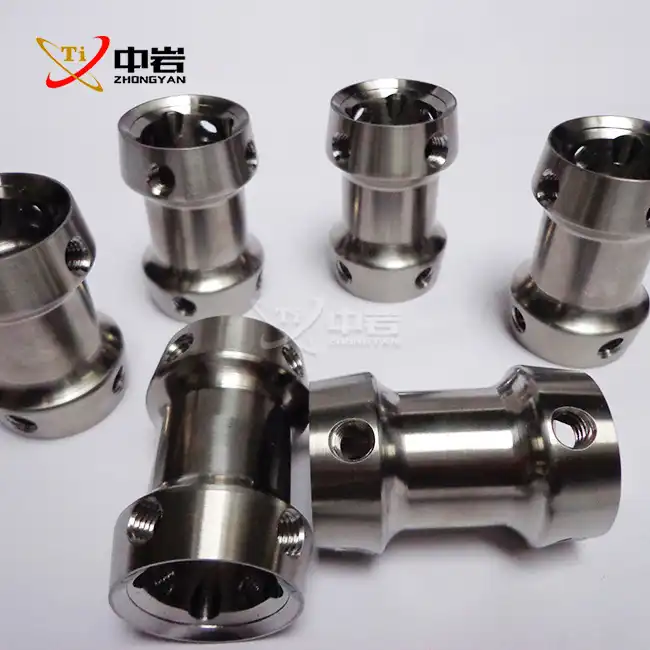
Without a doubt, titanium tube-to-tube connections can be used in hydraulic systems. In fact, they are very useful for tough jobs. Titanium Tube-to-Tube Connectors are precision parts that join titanium tubes together in hydraulic systems. They use titanium's high strength-to-weight ratio, resistance to rust, and compatibility with harsh hydraulic fluids to make the connections. Extreme pressures—often reaching 10,000 PSI—do not affect the structural stability of these connections. They also work consistently in temperatures ranging from absolute zero to over 500°C. Titanium connections are being used more and more in aircraft, naval engineering, and chemical processes, where traditional materials have trouble with acidic media, repetitive wear loads, or weight limits that make the system less effective and shorter in lifespan.
Introduction
Everything from aeroplane control surfaces to offshore drilling platforms is powered by hydraulic systems, which are the backbone of modern industry. The dependability of these systems depends on each part being in good shape, especially the parts that connect hydraulic tubing networks. Choosing the right tube-to-tube connections has a direct effect on how safe the system is to use, how long it works, and how much it costs to maintain.
This article talks about how titanium connectors can handle the tough needs of hydraulic uses in the sea, chemical processing, aircraft, and industrial machinery fields. We'll talk about titanium's unique qualities as a material, see how it stacks up against other metals, and give procurement managers and engineering teams looking at connection options useful information they can use. When you know about these things, you can make smart choices that balance the cost of the original investment with the system's long-term dependability and the total cost of ownership.
We will talk about technical specs, the best ways to put things together, how to keep things in good shape, and how to find suppliers that can meet the needs of B2B buyers. This thorough summary gives you the information you need to make the most of titanium's benefits, whether you're planning a new hydraulic system or improving current ones.
Understanding Titanium Tube-to-Tube Connectors in Hydraulic Systems
Function and Core Material Properties
Titanium tube-to-tube connections are important parts of hydraulic systems because they make safe, leak-free paths for moving pressurised fluid. Titanium naturally has a tensile strength of over 895 MPa in Grade 5 alloy (Ti6Al4V), a density of only 4.43 g/cm³, which is almost half that of steel, and the ability to form a stable oxide layer that doesn't rust in oxidising environments. These precision-engineered parts take advantage of these properties.
Different kinds of hydraulic fluids can be used with the connections, such as mineral oils, synthetic esters, phosphate-based fluids, and water-glycol mixes. Titanium is not affected by saltwater, acidic vapours, or chemical additives that are common in specialised hydraulic formulas. Copper and stainless steel, on the other hand, dissolve in marine settings, and chloride pitting can happen in stainless steel.
Performance Specifications in Demanding Environments
We make connectors at Baoji Zhongyan Titanium Industry Co., Ltd. that can withstand up to 10,000 PSI of pressure, based on the size and grade chosen. Our Grade 5 titanium alloy fittings have a yield strength of 828 MPa, which means they will stay the same size even when hydraulic loads are applied for a long time. The material is reliable from very cold temperatures (-196°C) to high temperatures (538°C), so it can be used in places where thermal cycling would damage other connecting materials.
Fatigue resistance is an important part of mechanical strength for Titanium Tube-to-Tube Connector hydraulic systems that are used for a long time and go through millions of pressure cycles. Titanium has a low modulus of elasticity (about 113 GPa), which makes it flexible enough to handle shaking and shock loads without cracks spreading, which is a common way for stiffer materials to fail in connectors. When it comes to mobile hydraulic equipment that is constantly moving and being hit, this spring-back property is very useful.
Benefits of Using Titanium Connectors Over Other Materials
Superior Corrosion Resistance and Extended Service Life
Titanium connections are the most durable option in harsh fluid settings where alternatives like aluminium, brass, and stainless steel break down quickly. When scratched, the protective titanium oxide film instantly heals itself, protecting against pitting, crevice corrosion, and stress corrosion cracking. Chemical processing plants that use acidic or chlorine-based hydraulic media benefit a lot from this built-in resistance, which stops premature connection replacement cycles that mess up production plans.
Our Grade 5 titanium metal connections can handle high temperatures and wet chlorine, which would weaken even the best stainless steel grades. This chemical stability means that repair times can be planned and lifetime costs are lower. The higher price at the start is more than made up for by decades of service without degradation.
Weight Reduction Without Strength Compromise
Titanium is 45% lighter than steel counterparts, which is especially useful in the aircraft and mobile hydraulics industries. Getting rid of unnecessary system mass can help aeroplane hydraulic controls use less fuel, increase the payload capacity of ships, and lower the energy use of industrial machines. Adding titanium connections to an existing hydraulic system can get rid of hundreds of kilograms of weight without lowering the pressure levels or safety limits.
Zhongyan's CNC cutting lets us make wall sizes that are best for each purpose, matching the need to save weight with functional needs. Custom sizing makes sure that you get the most weight reduction while still meeting the structural requirements of high-pressure hydraulic systems.
Exceptional Fatigue Performance Under Cyclical Loading
Repeated changes in pressure in hydraulic systems speed up material wear and tear. Titanium has a higher stress limit than most stainless steel alloys—about 510 MPa for Grade 5 alloy—which means that connectors will last longer in cyclic use. Industrial presses, injection moulding machines, and automatic production lines all use pressure spikes that happen all the time. In normal connections, these would cause cracks to spread after only a few cycles.
Test results show that titanium links can withstand over ten million pressure cycles at 70% of their ultimate tensile strength without breaking. This is a level of performance that can't be reached with aluminium or brass options. This resistance to wear directly cuts down on unexpected downtime and the costs of maintenance labour needed to check and repair connectors.
Broad Temperature Capability for Extreme Conditions
Our titanium tube connections keep their mechanical qualities even when the temperature drops or rises, which would weaken or soften other materials. Titanium stays flexible at -196°C, which is useful for cryogenic hydraulic systems in LNG handling. It is also stable up to 400°C, which is useful for geothermal and high-temperature industrial uses. This thermal flexibility means that materials don't have to be switched out when hydraulic circuits go through temperature differences. This makes system design and product management easier.
The low thermal expansion coefficient (8.6 × 10⁻⁶/°C) keeps the shape from changing too much during thermal cycling. This keeps the seal's integrity and keeps threaded connections from coming loose, which is a frequent maintenance problem with materials that expand more, like aluminium or copper alloys.
Evaluating Titanium Connectors vs. Other Metals for Hydraulic Systems
Comparative Material Performance Analysis
When buying teams look at Titanium Tube-to-Tube Connector materials, they need to be careful about a number of things. 316L grade stainless steel joints are less expensive and have a fair level of corrosion protection, but they are heavier and more likely to crack from chloride-induced stress corrosion. Aluminium connections are lighter, but they aren't strong enough for high-pressure uses, and they rust quickly in acidic or marine settings. Brass and copper metals are easy to machine and conduct heat well, but they don't work well with many hydraulic fluids and can only handle a certain amount of pressure.
Titanium fills in these gaps in efficiency. Our Grade 2 economically pure titanium is best for moderate-pressure environments that need the best rust protection, and our Grade 5 alloy is best for high-stress environments that need the strongest tensile properties. The decision matrix weighs the original costs of buying something against how long it will last, how often it will need upkeep, and the chance of the system going down. Titanium's long life often explains its higher price.
Industry-Specific Application Examples
Marine hydraulic systems are a good example of titanium's value. Offshore platforms and military boats work in salty conditions that are very toxic and have limited access for upkeep. When joining different metals, titanium connectors don't have to worry about galvanic corrosion, and they don't get biofouling as regular brass parts do. Titanium is also used in the energy sector for underwater hydraulic control systems, where the costs of replacing a link fail are many times higher than the material prices.
Aerospace hydraulic systems need to be as light as possible without sacrificing safety. Titanium links are being used more and more in aircraft landing gears, flight control systems, and backup power units. The material's high strength-to-weight ratio and resistance to shaking directly help the plane use less fuel and stay operating for tens of thousands of flying cycles.
Selecting Appropriate Connector Types and Configurations
Titanium tube connectors come in several different styles. Compression fittings can be easily adjusted in the field to make maintenance easier. Weld-on designs provide permanent, leak-proof joints for critical applications. And threaded connectors (NPT, BSP, or metric) allow modular system assembly. The choice of wall thickness has to strike a balance between the need for a high-pressure grade and the desire to reduce weight. Our engineering team helps with this calculation by using stress analysis and finite element modelling.
Zhongyan can custom-size tubes with widths ranging from 1/4 inch to 2 inches, and they can do special runs for sizes that aren't common. Thread types are compatible across foreign supply chains because they match regional standards or the specs of specific tools. Surface finish choices, such as electropolished innards for safe uses, meet specific needs for preventing pollution or making things easy to clean in medical device production and chip processing.
Installation and Maintenance of Titanium Tube-to-Tube Connectors in Hydraulic Systems
Step-by-Step Installation Best Practices
Using the right placement method has a direct effect on how well the connection works and how reliable the system is. First, check the ends of the tubes for burrs, scratches, or other physical flaws that could make the closing surfaces less reliable. Work-hardening can happen when you use too much force when cutting titanium, but deburring tools made just for titanium can stop it. Clean all surfaces with chemicals that are compatible with your hydraulic fluid. Do not use chlorine cleaners, as they can cause stress rust when they come in contact with water.
Before using torque tools that are set to the manufacturer's specs, hand-tighten the parts of compression-type titanium connections. Titanium has a lower stiffness, so it needs careful torque control. Too much torque can damage threads or crush ferrules, while too little torque lets pressure cycling cause leaks. The torque values in our technical documents are different for each connection size and grade. Depending on the width, the values usually range from 15 to 200 ft-lbs.
Torque Application and Sealing Techniques
Threaded titanium links work better when the right thread seals are used, or PTFE tape is put on only the male threads. When different metals come into contact with electrolytic hydraulic fluids, they can cause galvanic corrosion. This is why you should stay away from seals that contain metallic fillers. Put the tape on in the direction of the thread's spin, leaving the first two threads unprotected to keep dirt from getting into the hydraulic circuits.
Weld-on fittings need skilled welding methods that are made to work with titanium metals. In order to keep oxygen from getting into the brittle alpha-case layers of grade 5 titanium, inert gas protection (argon or helium) must be applied to both the weld face and the backside. Our factory uses approved welding methods that meet ASME Section IX and AWS D17.1 standards. This makes sure that the quality of the joints is always the same and that all the parts can be tracked for use in aircraft and nuclear fields.
Routine Maintenance Protocols and Inspection Schedules
Titanium's resistance to rust means that it needs less upkeep than other materials, but the hydraulic system still needs to be inspected on a regular basis to make sure it stays in good shape. Surface pollution, mechanical damage, or signs of leaking at connection points should be easy to spot with the naked eye. Ultrasonic thickness measurements done once a year can find erosion in places with fast flow, but titanium's resistance to erosion means that even after years of use, there is usually not much material loss.
Before putting systems back into service after repair, pressure testing is done to make sure that the seals are still intact. Hydrostatic testing at 150% of the maximum working pressure proves the capacity of the connection and finds possible leak paths. When used carefully with titanium-compatible penetrants, dye penetrant inspection can find surface cracks or flaws that can't be seen with the naked eye. This helps condition-based maintenance methods that make the best use of inspection resources.
Procurement Insights and Trusted Suppliers of Titanium Connectors
Manufacturer Certifications and Quality Assurance
To get Titanium Tube-to-Tube Connector fittings for important hydraulic uses, you have to go through a lot of source approval. Check to see if the makers still have the ISO 9001:2015 approval that shows they have written quality management systems. Certifications for materials should say that they meet ASTM B381 for titanium forgings, ASTM B861 for smooth tubes, and AMS standards for aircraft uses. There is trust in the authenticity of materials when there are traceable mill test results that show their chemical makeup and mechanical qualities. This is a big deal because there have been cases of fake titanium in global supply lines.
Because Baoji Zhongyan Titanium Industry Co., Ltd. is in China's Titanium Valley, we have easy access to high-quality titanium raw materials and experts who know how to handle them. Third-party verification makes sure that we follow all ASTM, AMS, and ISO standards, and that every shipment of connectors comes with full material tracking paperwork. As part of our quality control procedures, we check the dimensions of arriving materials using CMM equipment, test the final pressure before packing, and do a final review of the finished product.
Factory-Direct Sourcing Advantages and Custom Capabilities
When you work with vertically integrated makers, you avoid dealer markups and get engineering help throughout the product design process. Custom thread shapes, unique seal hole designs, and special surface processes like anodising and electropolishing can all be done with CNC cutting. OEM programs allow for private labelling, custom packing, and rental stocking plans that work with strategies for just-in-time production.
Minimum order numbers depend on how customised the product is. Standard configurations can ship in as few as 50 pieces, but fully customised designs may need 200-unit minimums to cover the cost of the tools. Lead times for standard goods are usually between 4 and 6 weeks, and for custom-engineered solutions they are between 8 and 12 weeks. If you need your products faster, you can ask for accelerated production. With breaks at 500, 1,000, and 5,000 units, volume price systems reward customers who commit to buying more.
Pricing Considerations and Total Cost Analysis
Titanium connections are very expensive—often three to five times as much as stainless steel counterparts—but a total cost study shows that they are a very good deal. Getting rid of replacement cycles that happen too soon saves money on repair work, system downtime, and emergency purchase costs. When you reduce weight, you save money on running costs over time because you use less fuel and can carry more. Corrosion resistance stops expensive system pollution events that hurt pumps, valves, and motors that are further down the line from failed connections.
When allocating budget, it's important to think about how important an application is and what would happen if it failed. Titanium's initial investment is justified by the risk reduction provided by hydraulic systems serving safety-critical functions. In less demanding situations, titanium could be used only at high-stress link places, while standard materials could be used elsewhere. This would be a mixed method that would balance performance and cost.
Conclusion
Titanium tube-to-tube connectors represent a proven solution for hydraulic systems operating in corrosive, high-pressure, or weight-sensitive applications. The material's exceptional strength-to-weight ratio, unmatched corrosion resistance, and superior fatigue performance address critical limitations of conventional connector materials. While initial costs exceed alternatives, lifecycle analysis consistently demonstrates economic advantages through extended service intervals, reduced maintenance requirements, and elimination of premature failures.
Procurement decisions should weigh application severity, operating environment, and total ownership costs against upfront material premiums. Industries demanding maximum reliability—aerospace, marine, chemical processing, and energy—increasingly specify titanium connectors as the standard rather than exception. Partnering with qualified manufacturers ensures material authenticity, technical support, and custom engineering capabilities that optimise connector performance for your specific hydraulic system requirements.
FAQ
Are titanium connectors compatible with all hydraulic fluids?
Titanium demonstrates excellent compatibility with most hydraulic fluids, including mineral oils, synthetic esters, polyalphaolefins, and water glycol mixtures. The material resists oxidising environments exceptionally well. However, avoid concentrated reducing acids like hydrochloric or sulfuric acid at elevated temperatures and concentrations. Always verify fluid compatibility with your specific titanium grade and operating conditions through chemical resistance charts or laboratory testing.
How does titanium's fatigue resistance improve system reliability?
Titanium alloys exhibit fatigue limits approximately 50-60% of ultimate tensile strength, significantly higher than aluminium or many stainless steels. This translates to extended service life in hydraulic systems experiencing millions of pressure cycles. The material resists crack initiation and propagation under cyclic loading, reducing catastrophic failure risk and enabling predictable maintenance scheduling based on actual operating hours rather than conservative estimates.
What certifications should I verify when sourcing titanium connectors?
Require material test reports certifying compliance with ASTM B381 for forgings or ASTM B861 for tubing-derived components. Aerospace applications demand AMS specifications with full traceability. Verify the manufacturer's ISO 9001:2015 certification and request third-party inspection reports for critical applications. Documentation should include chemical composition analysis, mechanical property testing, and dimensional inspection records specific to your order.
Partner with Zhongyan for Premium Titanium Hydraulic Connectors
Zhongyan delivers precision-engineered titanium tube-to-tube connectors manufactured to the highest industry standards in our Baoji facility. As a trusted titanium tube-to-tube connector manufacturer, we combine advanced CNC machining capabilities with stringent quality control protocols to produce components meeting ASTM, AMS, and ISO specifications. Our engineering team collaborates directly with your procurement and design personnel to develop custom solutions addressing unique dimensional, pressure, and environmental requirements.
Request technical consultations, material certifications, or sample connectors by contacting our team at sales@titaniumstudy.com. We provide comprehensive support from initial specification through production and delivery, ensuring seamless integration with your hydraulic system projects. Bulk purchasing programs offer competitive factory-direct pricing with flexible minimum order quantities suited to both prototype development and high-volume production runs. Discover how Zhongyan's titanium expertise enhances hydraulic system reliability while reducing long-term operational costs—connect with us today for a detailed quotation and technical evaluation of your connector requirements.
References
1. ASM International. Titanium: A Technical Guide, 2nd Edition. Materials Park, OH: ASM International, 2000.
2. Boyer, R., Welsch, G., and Collings, E.W. Materials Properties Handbook: Titanium Alloys. Materials Park, OH: ASM International, 1994.
3. Donachie, Matthew J. Titanium: A Technical Guide. Materials Park, OH: ASM International, 2000.
4. ASTM International. ASTM B381-13: Standard Specification for Titanium and Titanium Alloy Forgings. West Conshohocken, PA: ASTM International, 2013.
5. SAE International. AMS 4911: Titanium Alloy, Bars, Wire, Forgings, Rings, and Drawn Shapes 6Al-4V Annealed. Warrendale, PA: SAE International, 2016.
6. Schutz, R.W. and Thomas, D.E. "Corrosion of Titanium and Titanium Alloys." Corrosion: Fundamentals, Testing, and Protection, Vol. 13A, ASM Handbook. Materials Park, OH: ASM International, 2003.
_1755652624199.jpg)
Learn about our latest products and discounts through SMS or email