- English
- French
- German
- Portuguese
- Spanish
- Russian
- Japanese
- Korean
- Arabic
- Greek
- German
- Turkish
- Italian
- Danish
- Romanian
- Indonesian
- Czech
- Afrikaans
- Swedish
- Polish
- Basque
- Catalan
- Esperanto
- Hindi
- Lao
- Albanian
- Amharic
- Armenian
- Azerbaijani
- Belarusian
- Bengali
- Bosnian
- Bulgarian
- Cebuano
- Chichewa
- Corsican
- Croatian
- Dutch
- Estonian
- Filipino
- Finnish
- Frisian
- Galician
- Georgian
- Gujarati
- Haitian
- Hausa
- Hawaiian
- Hebrew
- Hmong
- Hungarian
- Icelandic
- Igbo
- Javanese
- Kannada
- Kazakh
- Khmer
- Kurdish
- Kyrgyz
- Latin
- Latvian
- Lithuanian
- Luxembou..
- Macedonian
- Malagasy
- Malay
- Malayalam
- Maltese
- Maori
- Marathi
- Mongolian
- Burmese
- Nepali
- Norwegian
- Pashto
- Persian
- Punjabi
- Serbian
- Sesotho
- Sinhala
- Slovak
- Slovenian
- Somali
- Samoan
- Scots Gaelic
- Shona
- Sindhi
- Sundanese
- Swahili
- Tajik
- Tamil
- Telugu
- Thai
- Ukrainian
- Urdu
- Uzbek
- Vietnamese
- Welsh
- Xhosa
- Yiddish
- Yoruba
- Zulu
Can Titanium Pylon Connectors Handle Harsh Industrial Conditions?
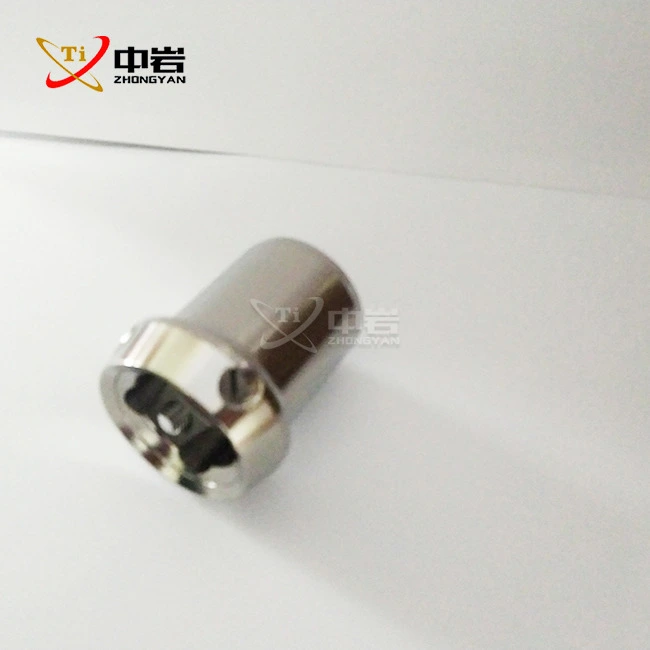
Indeed, Titanium Pylon Connectors are designed to work well in tough industrial settings. These precision-machined parts are made from Grade 5 titanium alloy (Ti-6Al-4V). They work exceptionally well in temperatures ranging from -55°C to 315°C, can withstand harsh chemical conditions, and keep their structural integrity under constant mechanical stress. Titanium has great corrosion resistance, a high tensile strength of over 950 MPa, and an amazing strength-to-weight ratio. These connectors are reliable for high-stress situations in aerospace, chemical processing, and heavy industrial machinery where failure is not an option.
Understanding Titanium Pylon Connectors in Industrial Applications
What Makes Titanium Pylon Connectors Essential for Industrial Systems
Titanium Pylon Connectors are very important mechanical parts for holding together complicated industrial systems. They connect structural parts where stability under stress is very important. These connectors work as load-bearing connections that spread forces across linked parts while keeping the alignment accurate. They provide safe attachment places in industrial machinery, chemical processing equipment, and aircraft structures that can handle thermal expansion, vibration, and dynamic loads without affecting the stability of the system.
Precision-threaded contacts, mounting flanges, and alignment features machined to within 0.01mm make up the core structure of a titanium connection. This level of detail makes sure that the parts fit together correctly, avoiding stress spots that could cause the parts to break before they're supposed to. When engineers and purchasing managers look at these parts, they like that titanium has a natural passivation layer, which is a thin oxide film that forms on its own and protects against rust without any extra coatings or upkeep.
Material Properties That Define Performance
Titanium is the best material for connectors that have to work under tough conditions because it has a unique mix of physical and chemical qualities. Titanium alloy connections make systems lighter without losing strength because they have a density that is about 40% lower than steel versions. This lower weight directly leads to better efficiency in aerospace uses and less stress on structures in industry settings.t.
Mechanical Integration and Load Distribution Principles
To properly incorporate Titanium Pylon Connectors into industrial systems, you need to know how these parts handle stress distribution. Titanium alloy has high elasticity, which means that connections can bend a little when they're loaded. This absorbs shock and keeps stress from moving to more brittle materials nearby. When adding titanium parts to metals that are not the same, like aluminum or stainless steel, where differences in thermal expansion factors could otherwise cause interface problems, this property comes in handy.
Evaluating Titanium Pylon Connectors for Harsh Industrial Environments
Temperature Extremes and Thermal Cycling Performance
Parts in industrial settings are often exposed to changes in temperature that make the material less stable. Titanium alloy connections keep their mechanical qualities over a wide range of temperatures, routinely working from very cold temperatures to temperatures close to 315°C. Because they can work with a wide range of temperatures, they can be used in liquid gas handling systems as well as high-temperature chemical laboratories.
Chemical Resistance in Aggressive Environments
Connectors are exposed to acids, bases, chlorides, and organic solvents that break down normal materials very quickly in places like chemical processing plants, remote platforms, and industrial cleaning systems. Titanium doesn't rust because it has a stable oxide layer that repairs itself right away if it gets broken, giving it constant security. This passiveness includes places that have:
Chloride-rich solutions, including seawater, brines, and industrial wastewater, can cause pitting and crevice rust in stainless steel. Titanium Pylon Connectors can be used in these materials forever without showing any signs of rusting.
Oxidizing acids such as nitric acid and chromic acid, which titanium can withstand over a wide range of temperatures and concentrations. Chemical companies that work with these chemicals choose titanium parts to avoid contamination and downtime for repair.
Alkaline media, including acidic solutions and ammonia compounds, where titanium stays intact because it has been carefully specified to work with certain chemical amounts and temperatures.
It turns out that the economic effects are big. It costs more than just the cost of the part to replace rusted steel connections because the system has to be shut down, workers have to be paid, and the product could get contaminated. Titanium has a longer service life—often more than 20 years in acidic environments—which lowers lifetime costs even though it costs more up front. Total cost of ownership studies done by procurement managers regularly show that titanium solutions are more cost-effective in situations where chemicals are present.
Mechanical Stress Resistance and Fatigue Durability
In industrial machines, connections are often put through a cycle of tension, compression, shear, and torsion, which creates a complex stress state. Titanium metal joints work great in these tough situations because they have a high specific strength and a very low fatigue limit. The material's endurance limit is close to 50% of its ultimate tensile strength. This means that parts that are properly built can withstand an infinite number of stress cycles below this limit.
When it comes to industrial tools, vibration is a big problem. Machines that work back and forth, turbulent fluid flow, and mechanical changes from the outside all cause loads to oscillate, which can loosen bolts or start fatigue cracks. Titanium connections that are CNC-machined have precise thread shapes and improved geometry that keep the clamping force even when the connector is vibrating. Surface treatments like controlled roughness and specialty coatings make friction even better, which stops things from coming loose on their own in places with a lot of shaking.
Comparative Material Analysis
Comparing titanium to other materials makes its efficiency benefits clear. Stainless steel is less expensive and doesn't rust, but it is much heavier and doesn't have as good of a strength-to-weight ratio. In structural uses, using titanium instead of stainless steel cuts the weight of parts by 40% while keeping their strength at the same level or higher. This weight-saving substance is used in many systems, which makes supporting structures lighter and lowers the amount of energy used.
Aluminum metals have a low density and enough strength for medium-duty uses, but they can't handle high temperatures or rust like titanium can. Aluminum connections break down quickly in salt water and chemically-rich environments, which makes them less useful in tough industrial settings. Carbon fiber materials are very strong for how light they are, but they are hard to mechanically attach, carry electricity, and predict how much they will cost. For most industrial connector uses, titanium is a better choice.
Titanium is also different from other materials because it can be made with great accuracy. CNC milling makes titanium parts with tolerances and surface finishes that are the same as or better than those of stainless steel. This makes sure that precision systems fit and work properly. Zhongyan can use advanced machining to make connections that meet the requirements of ASTM B381 and AMS 4928. The dimensions are checked using inspection methods for coordinate measuring machines to make sure they are correct.
Benefits of Using Titanium Pylon Connectors in Industrial Procurement
Long-Term Cost Efficiency and Maintenance Reduction
Titanium parts are more expensive to buy at first than steel or aluminum options, but a full lifecycle cost study shows that they save a lot of money over their useful lives. Titanium Pylon Connectors that are used in corrosive or high-stress settings usually last 15 to 25 years before they need to be replaced. Steel parts, on the other hand, need to be replaced every 3 to 7 years because they break down due to rust or fatigue.
Lessening the cost of maintenance is also important. Titanium doesn't rust, so it doesn't need protected coatings, regular checks for rust, or the work costs that come with those tasks. Unplanned shutdowns to change parts can cost thousands of dollars per hour in lost production, so industrial facilities that run continuous processes value this dependability. When titanium connectors are used in important applications, procurement plans that include them cut down on the need for spare parts inventory and the number of emergency repair events that stop operations.
Enhanced Safety and Operational Reliability
When parts of industrial systems break, they can put people in danger and cause failures that affect the whole process. These risks are lessened by titanium connections, which are strong, flexible, and don't crack easily. Because the material can absorb impact energy, it stops brittle fracture modes that could release held pressure or let united parts come apart without being controlled.
In situations with repetitive stress, fatigue resistance is directly related to safety. Titanium has an endurance limit that ensures properly built connectors don't get fatigue damage in normal working stress ranges. This means that there is no chance of fatigue failure over decades of service. When engineers choose connections for machinery that vibrates, machines that move back and forth, or buildings that are loaded by wind, they rely on this resistance to fatigue to keep safety margins high over the long life of the equipment.
Compliance with International Standards and Quality Certifications
More and more, industrial buying needs proof that standards are being met in order to meet government rules, insurance requirements, and customer quality expectations. This is guaranteed by titanium connectors made to ASTM B381, AMS 4928, and ISO 5832-3 standards, which have standard material qualities, testing procedures, and rules for tracking.
Each production lot comes with a material approval that shows how the titanium alloy was made and how it was heated in the mill. This includes chemical analysis results and mechanical property test data. This traceability meets the requirements for a quality management system set by ISO 9001:2015 and standards relevant to the aerospace business, such as AS9100. Getting these licenses protects procurement managers' companies from legal risks and ensures that the products they buy are always the same.
How to Choose and Procure Titanium Pylon Connectors for Industrial Use
Evaluating Technical Specifications and Application Requirements
For procurement to go well, technical standards must be clearly stated and in line with what the application needs. For the best fit, engineering teams should be very specific about the connector's shape, including its measurements, thread requirements, mounting features, and interface needs. This way, production processes won't be slowed down too much. Finding the best balance between standard tolerances and tight tolerances depends on the function. This will help keep costs low and production easy.
Customization Capabilities and OEM Solutions
Custom measurements can be used to work around limited room, connect to specific equipment designs, or combine several parts into a single unit. Zhongyan's engineering support helps customers make Titanium Pylon Connectors designs that are easier to make by finding ways to make the process simpler while still meeting useful needs. When compared to designing parts without manufacturing feedback, this collaborative method cuts down on development times and keeps costs down.
Supplier Evaluation and Quality Assurance
To find trusted suppliers, you have to look at their skills beyond what they say they can do. Examining a manufacturing plant shows how advanced the technology is, as well as the process control systems and quality management level, all of which show that products are consistently delivered. Suppliers who use modern CNC machine centers with in-process measurement systems can do work with tight tolerances, and those who keep their production areas at a stable temperature and humidity level show that they care about physical stability.
Logistics and Procurement Process Optimization
When buying things from other countries, logistics issues come up that change lead times, prices, and the risk in the supply chain. Knowing how long it takes to make something lets you plan output accurately and avoids the costs of speeding things up. Standard titanium links usually ship between 2 and 4 weeks, but custom parts can take up to 10 weeks, based on how complicated they are and how many are ordered. Procurement managers should let sellers know about deadlines for requirements early on so that they can properly assign manufacturing capacity.
Real-World Applications and Case Studies
Aerospace Structural Assemblies
Steel pylon links that connect wing-mounted extra equipment to main structures kept breaking for a company that makes business airplanes. Vibrations from the engine and changes in temperature during flight caused fatigue cracks that had to be inspected and replaced more often, which raised maintenance costs and caused the plane to be grounded more often.
Chemical Processing Equipment
Stainless steel joints in pipe systems that handled wet chlorine gas and hypochlorite solutions kept breaking down at an industrial chlor-alkali plant. Replacement every 12 to 18 months meant that maintenance had to be done a lot of the time, which cost $25,000 in missed production and required confined space entry methods that were dangerous.
Heavy Industrial Machinery
A company that makes mining tools asked for titanium connectors to be used with hydraulic cylinders that work in open-pit settings with big changes in temperature and lots of dust, water, and chemicals. In the past, metal connections rusted and broke, so they had to be replaced during regular maintenance checks.
Conclusion
Titanium Pylon Connectors are very good at working in tough industrial situations because of the way they are made and the material's natural benefits. Corrosion resistance, a high strength-to-weight ratio, temperature stability, and stress resistance are all qualities that this material has that make it useful in areas like aircraft, chemical processing, and heavy machinery, where other materials fail. Even though the initial costs of purchase are higher than those of other options, thorough lifecycle analysis constantly shows that it is more cost-effective because it extends the service life, lowers maintenance costs, and eliminates downtime.
Partnering with makers that offer both standard and custom solutions and are backed by strict quality systems and full technical support gives procurement pros a competitive edge. Specialized providers offer technical teamwork, material traceability, and production precision that make sure titanium connectors keep working as promised for the whole time they're in use. This protects both safety and profits in tough industrial settings.
FAQ
Why does titanium outperform stainless steel in industrial connector applications?
Titanium is more resistant to rust than even high-grade stainless steels in chloride and acidic situations, where stainless steels pit and crack from stress corrosion. Titanium's stable oxide layer heals itself right away if it gets broken, so it protects all the time without being vulnerable to limited attacks like stainless steel passive films are. Titanium is also 40% lighter than steel, and it has a higher strength-to-weight ratio, which lowers structural loading and increases efficiency in uses that care about weight.
What lead times should procurement teams expect when ordering custom titanium connectors?
Standard store items usually ship between 2 and 4 weeks after an order is confirmed. Custom-designed Titanium Pylon Connectors take between 6 and 10 weeks, based on how complicated the design is, how many are ordered, and when they are scheduled to be made. With expedited fees, rush items can be made to fit tighter deadlines. Setting up OEM deals with regular shipping times gives you the most reliable supply chain performance for ongoing needs.
What customization options address specific application requirements?
Manufacturers let you change a lot of things, like the size, thread type, fastening options, surface styles, and material grades. Custom solutions can combine several functions into a single part, use special finishes, or change connections so they work with specific equipment. Engineering support helps make plans more efficient so they can be made while still meeting useful needs. Zhongyan can do a lot of different kinds of CNC cutting, which lets them make complicated shapes that are hard to make with traditional methods.
Partner with Zhongyan for Superior Titanium Pylon Connector Solutions
Zhongyan Titanium is ready to meet your most specific connection needs with precision-machined titanium products that are made to work in tough industrial settings. Based in Baoji, China, which is the world's titanium production hub, we make Titanium Pylon Connectors using high-quality raw materials and modern CNC machining to make sure our products meet the toughest international standards, such as ASTM, AMS, and ISO requirements.
Our expert team works with engineers and purchasing managers to create unique connection solutions that work best for your needs, whether they are for heavy industrial machinery, chemical processing equipment, or aircraft structural parts. We offer open OEM and ODM setups that can help with both developing prototypes and producing large quantities. Our ISO 9001:2015-certified processes guarantee consistent quality.
Get in touch with us at sales@titaniumstudy.com to talk about your needs for a Titanium Pylon Connector. For both standard and custom solutions, we offer thorough technical talks, help with choosing materials, and cheap quotes. International shipping agreements and full paperwork and material certifications make sure that packages get delivered safely to places around the world. Find out how Zhongyan's dedication to quality and customer satisfaction can help strengthen your supply chain and boost operating efficiency with top-notch titanium connection solutions.
References
1. ASM International. (2021). Titanium and Titanium Alloys: Fundamentals and Applications in Aerospace and Industrial Systems. Materials Park, OH: ASM International Handbook Committee.
2. Boyer, R., Welsch, G., & Collings, E.W. (2019). Materials Properties Handbook: Titanium Alloys Performance in Corrosive Industrial Environments. Materials Park, OH: ASM International.
3. Donachie, M.J. (2020). Titanium: A Technical Guide for Engineers and Procurement Professionals. Materials Park, OH: ASM International.
4. Lütjering, G. & Williams, J.C. (2018). Engineering Materials and Processes: Titanium Alloy Component Design and Manufacturing. Berlin: Springer-Verlag.
5. Peters, M., Kumpfert, J., Ward, C.H., & Leyens, C. (2019). Titanium in Extreme Environments: Industrial Applications and Performance Analysis. Weinheim: Wiley-VCH Publishing.
6. Schutz, R.W. & Thomas, D.E. (2021). Corrosion of Titanium and Titanium Alloys in Industrial Applications: Handbook of Material Selection and Lifecycle Cost Analysis. Materials Park, OH: ASM International Technical Publications.
Learn about our latest products and discounts through SMS or email