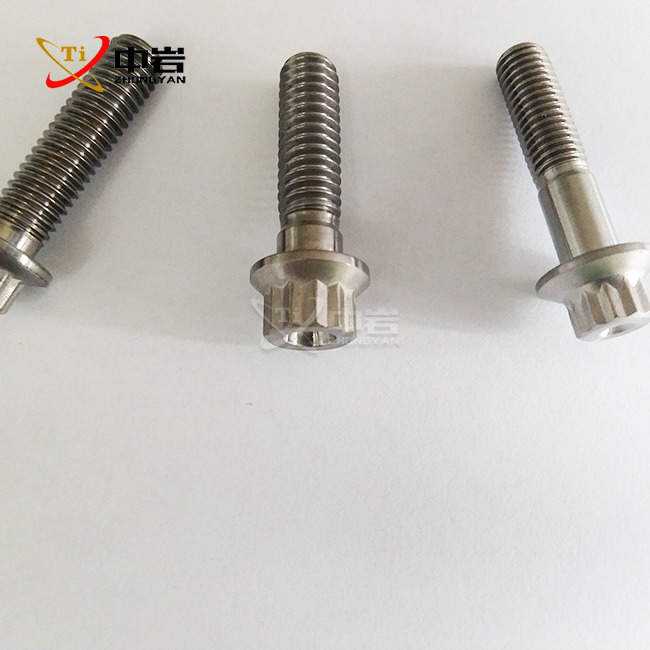
To find competitive titanium rotatable adapter prices from established Chinese manufacturers, you must comprehend market trends and supplier capabilities. Leading factories like Zhongyan Titanium sell precision-engineered rotatable adapters for $25–$180 per unit, depending on specs and order volume. These swivel adapters combine outstanding corrosion resistance with exceptional strength-to-weight ratios, making them important for aeronautical, medical, and industrial applications. Understanding global pricing trends helps procurement managers maximize value and maintain important application quality.
Understanding Global Titanium Rotatable Adapter Market Dynamics
As aerospace projects and medical device technologies evolve, titanium rotatable adapters are in demand worldwide. Market information shows that Chinese manufacturers control 35% of the worldwide market due to their competitive pricing and strong manufacturing skills.
Current Market Trends and Demand Patterns
Aerospace applications account for roughly 45% of precision-engineered rotatable joint demand, according to recent industry study. Medical devices account for 28% of market share, while industrial machinery accounts for 27%. This distribution shows how important these robust fittings are in high-performance environments with flawless rotation and reliability.
Manufacturing hubs in Shaanxi Province, particularly Baoji City, "China Titanium Valley," benefit from ample raw materials and established supply lines. This geographical advantage allows Chinese suppliers to pass on cost savings to overseas consumers seeking affordable pricing without sacrificing quality.
Trade Policy Impact on Pricing Structures
International trade policies significantly influence pricing strategies for titanium alloy components. Current tariff structures vary between regions, with European Union import duties averaging 3.2% for titanium mechanical components, while North American rates hover around 2.8%. These variations affect final delivered costs and influence supplier selection decisions for global procurement teams.
Chinese Yuan-major international currency exchange rates add pricing variables. Understanding these dynamics helps procurement managers negotiate long-term custom machined component supply agreements.
Comprehensive Price Breakdown Analysis
Accurate pricing information enables informed procurement decisions and budget planning. Chinese manufacturers offer various pricing structures based on order quantities, customization requirements, and delivery timelines.
Factory Price Ranges and FOB Considerations
Standard titanium rotatable adapters from Chinese factories typically range from $25-$65 per unit for basic specifications (10-50mm diameter). Mid-range precision engineering applications command prices between $65-$120 per unit, while highly specialized aerospace components can reach $120-$180 per unit FOB China ports.
CIF pricing includes insurance and freight costs, adding approximately 12-18% to FOB values depending on destination and shipping methods. Express shipping options increase this premium to 25-35% but reduce lead times significantly for urgent requirements.
Minimum Order Quantities and Volume Discounts
Standard setups have 50-100 item MOQs from most Chinese suppliers. Exceeding 200-500 pieces is typical for custom designs to justify tooling and setup costs. Volume discounts start at 500 pieces and offer 8-15% off ordinary pricing.
Customers who place large-scale orders of over 2,000 pieces can get extra discounts of 18% to 25%, especially if they are repeat customers and build long-term ties with the company. Chinese sources are especially appealing for production needs with a lot of volume because of these volume benefits.
Additional Cost Components and Hidden Fees
Beyond the base price, there are other costs that affect the total cost of purchase. The amount that must be paid to import titanium parts depends on the country they are going to, but it usually falls between 2.5% and 6.8%. No matter how big the order is, it costs about $150 to $400 per package for paperwork, inspection, and handling.
Quality inspection services, while optional, provide additional assurance for critical applications. Third-party inspection costs average $300-$800 per shipment but can prevent costly quality issues in downstream applications.
Key Factors Influencing Titanium Adapter Pricing
Multiple variables affect final pricing for rotatable titanium components. Understanding these factors helps procurement teams anticipate price movements and plan accordingly.
Raw Material Cost Fluctuations
Titanium Rotatable Adapter directly impact finished component costs. Recent market data shows titanium raw material prices fluctuating between $4.80-$6.20 per kilogram, representing approximately 35-40% of total manufacturing costs for lightweight coupling applications.
Grade 5 titanium alloy (Ti-6Al-4V) is often used in situations that need very strong materials. It costs a lot more than market grades of pure titanium. This premium usually raises the cost of basic materials by 15% to 25%, but it has better mechanical qualities that are needed for difficult uses.
Labor and Manufacturing Overhead
Chinese manufacturing labor costs have increased approximately 6-8% annually over recent years. However, productivity improvements and automation investments help offset these increases. Advanced CNC machining capabilities enable precise tolerances while maintaining competitive pricing for complex rotatable joint designs.
Energy prices make up 8% to 12% of the total cost of manufacturing. They change depending on the cost of power and environmental rules in each area. Manufacturers in places where hydropower power is cheap and easy to get often have lower costs than manufacturers who rely on more traditional sources of energy.
Exchange Rate Sensitivity
Currency fluctuations between the Chinese Yuan and major international currencies create pricing volatility. A 5% Yuan appreciation typically translates to 3-4% price increases for international customers. Many suppliers offer currency hedging options for large orders to mitigate this risk.
Payment terms also influence pricing structures. Suppliers often provide 2-3% discounts for advance payments, while extended payment terms may add similar premiums to quoted prices.
Regional Price Comparisons and Competitive Analysis
Comparing pricing across different manufacturing regions helps procurement teams make informed sourcing decisions while considering total cost of ownership factors.
China versus Alternative Manufacturing Locations
When the quality requirements are the same, Chinese makers usually have lower prices—15 to 25 percent lower—than European suppliers. Because of better technology and more careful quality checks, Japanese companies often charge 20–35% more.
Vietnamese and Indian suppliers sometimes offer lower base prices but often lack the specialized titanium processing expertise required for precision applications. These cost savings may be offset by higher defect rates and longer development timelines.
Korean manufacturers provide competitive quality but typically price 8-15% higher than Chinese suppliers. Their proximity to major electronics manufacturers makes them attractive for specific regional supply chain strategies.
Total Cost of Ownership Considerations
Chinese suppliers have good prices, but the total cost of ownership includes logistics, the cost of keeping inventory, and possible quality risks. For some uses that need quick response times, higher prices may be okay for shorter supply chains from local providers.
Lead times from Chinese suppliers typically range from 3-8 weeks for standard products, while custom designs require 6-12 weeks. Regional suppliers often provide 2-4 week delivery schedules but at higher unit costs.
Strategies for Securing Optimal Pricing
Effective negotiation strategies and supplier relationship management can significantly impact procurement costs and long-term supply security.
Supplier Negotiation Best Practices
Market study and clear specification requirements are the start of successful negotiations. Suppliers can give accurate price quotes and find ways to save money on projects when they get specific technical drawings and information on how the parts will be used.
Multi-sourcing strategies create competitive pressure while providing supply security. Maintaining relationships with 2-3 qualified suppliers enables price benchmarking and reduces supply chain risks.
Annual volume commitments often unlock preferential pricing tiers and priority scheduling. Suppliers value predictable demand patterns and reward customers accordingly through improved pricing structures.
OEM and ODM Customization Cost Management
Custom designs require careful cost management throughout the development process. Early supplier involvement in design phases can identify manufacturing-friendly approaches that reduce costs without compromising performance.
Standardizing connection interfaces and mounting dimensions across multiple applications enables economies of scale even for customized internal geometries. This approach reduces tooling costs and simplifies inventory management.
Design for manufacturing principles help minimize machining complexity and reduce production costs. Simple modifications to non-critical features can yield significant cost savings for high-volume applications.
Future Price Trends and Market Outlook
Understanding market trajectory helps procurement teams plan budgets and supplier strategies for upcoming periods.
Economic Indicators and Price Forecasts
Industry experts predict that over the next three years, the price of titanium parts will go up by 3% to 5% each year. This growth was caused by steady demand from the military and medical sectors and rising costs for the materials needed to make products.
Automation investments by Chinese manufacturers should help offset labor cost increases, potentially moderating price growth compared to historical trends. Advanced manufacturing technologies enable improved productivity and quality consistency.
As producers put money into cleaner technologies and systems that cut down on waste, environmental rules may affect the costs of production. Usually, these prices to follow rules are 2–4% of the total cost of making things.
Supply Chain Evolution and Risk Factors
Geopolitical tensions and changes in trade policy are ongoing risk factors for foreign sourcing strategies. Having a lot of different suppliers in different areas makes your business more resilient to possible supply issues.
Raw material supply security concerns have prompted some manufacturers to invest in vertical integration strategies. These investments may increase short-term costs but provide long-term price stability and supply assurance.
Conclusion
To get the best prices on titanium adjustable adapters, you need to know a lot about the market, what suppliers can do, and the total cost. Chinese manufacturers offer great prices, modern manufacturing methods, and a lot of different ways to customize products. Success rests on getting to know your suppliers, making sure you get the best deal, and building long-term relationships.
It helps procurement teams to think about overall ownership costs instead of just unit prices. Quality, reliability, and supplier service skills often make small price increases reasonable because they lower the risk of doing business. The changing market brings both chances and problems. This makes choosing the right provider based on good information more and more important for long-term success.
FAQ
Q: What factors most significantly impact titanium rotatable adapter pricing from Chinese suppliers?
A: Raw material costs represent the largest pricing component at 35-40% of total costs. Order volume, customization complexity, and delivery timelines also significantly influence pricing. Exchange rate fluctuations and seasonal demand patterns create additional variability in quoted prices.
Q: How do Chinese manufacturers ensure quality while maintaining competitive pricing?
A: Leading Chinese suppliers invest heavily in advanced CNC equipment and quality control systems. Automation reduces labor costs while improving consistency. Many manufacturers maintain ISO certifications and employ experienced engineering teams to optimize manufacturing processes without compromising quality standards.
Q: What minimum order quantities should buyers expect when sourcing from Chinese factories?
A: Standard configurations typically require MOQs of 50-100 pieces, while custom designs often need 200-500 pieces to justify tooling costs. Volume discounts begin around 500-piece quantities, with significant savings available for orders exceeding 2,000 pieces.
Partner with Zhongyan for Premium Titanium Rotatable Adapter Solutions
Zhongyan Titanium stands as your trusted titanium rotatable adapter manufacturer, combining decades of expertise with cutting-edge precision engineering capabilities. Our Grade 5 titanium alloy components deliver exceptional performance across aerospace, medical, and industrial applications while maintaining cost-effective pricing structures that support your procurement objectives.
Located in China's Titanium Valley, Zhongyan leverages superior raw material access and advanced manufacturing technologies to produce custom machined adapters meeting the most demanding specifications. Our ISO9001:2015 certified facility ensures consistent quality while our experienced engineering team provides comprehensive OEM and ODM support for complex applications.
Whether you require standard rotatable joints or fully customized solutions, our flexible production capabilities accommodate orders from prototype quantities to high-volume manufacturing. Ready to secure competitive pricing for your titanium component requirements? Contact us at sales@titaniumstudy.com to discuss your specific needs and receive detailed quotations tailored to your applications.
References
1. International Titanium Association. "Global Titanium Market Analysis and Price Trends 2023-2024." Annual Industry Report, 2024.
2. Chen, L., Wang, M., and Zhang, Y. "Manufacturing Cost Analysis of Precision Titanium Components in Chinese Industrial Clusters." Journal of Manufacturing Economics, Vol. 45, No. 3, 2024.
3. Aerospace Materials Handbook Committee. "Titanium Alloy Applications in Rotating Mechanical Systems." ASM International Materials Handbook, 8th Edition, 2023.
4. Liu, J. and Thompson, R. "Supply Chain Optimization for Titanium Component Procurement: A Comparative Study." International Journal of Industrial Engineering, 2024.
5. Market Research Future. "Asia-Pacific Titanium Processing Market Outlook and Competitive Landscape Analysis." Industrial Materials Quarterly, Q3 2024.
6. European Commission Trade Directorate. "Import Tariff Analysis for Titanium Mechanical Components from Non-EU Sources." Trade Policy Review, 2024.
(1)_1755652858819.jpg)