- English
- French
- German
- Portuguese
- Spanish
- Russian
- Japanese
- Korean
- Arabic
- Greek
- German
- Turkish
- Italian
- Danish
- Romanian
- Indonesian
- Czech
- Afrikaans
- Swedish
- Polish
- Basque
- Catalan
- Esperanto
- Hindi
- Lao
- Albanian
- Amharic
- Armenian
- Azerbaijani
- Belarusian
- Bengali
- Bosnian
- Bulgarian
- Cebuano
- Chichewa
- Corsican
- Croatian
- Dutch
- Estonian
- Filipino
- Finnish
- Frisian
- Galician
- Georgian
- Gujarati
- Haitian
- Hausa
- Hawaiian
- Hebrew
- Hmong
- Hungarian
- Icelandic
- Igbo
- Javanese
- Kannada
- Kazakh
- Khmer
- Kurdish
- Kyrgyz
- Latin
- Latvian
- Lithuanian
- Luxembou..
- Macedonian
- Malagasy
- Malay
- Malayalam
- Maltese
- Maori
- Marathi
- Mongolian
- Burmese
- Nepali
- Norwegian
- Pashto
- Persian
- Punjabi
- Serbian
- Sesotho
- Sinhala
- Slovak
- Slovenian
- Somali
- Samoan
- Scots Gaelic
- Shona
- Sindhi
- Sundanese
- Swahili
- Tajik
- Tamil
- Telugu
- Thai
- Ukrainian
- Urdu
- Uzbek
- Vietnamese
- Welsh
- Xhosa
- Yiddish
- Yoruba
- Zulu
The mechanics behind the Titanium Rotatable Adapter’s smooth rotation

Titanium Rotatable Adapters have a smooth turning system that depends on the unique qualities of titanium and careful engineering. The smooth movement of these adapters is made possible by carefully controlling the surface finishes, having dimensions that are accurate to within ±0.01mm, and the naturally low-friction properties of titanium metal surfaces. Because they are made of Grade 5 titanium, they are very resistant to wear and can withstand high rotational loads without losing their shape. This makes them important for industrial settings that need stable, long-term rotating performance.
Understanding the Core Mechanics of Titanium Rotatable Adapters
What Makes Titanium Rotatable Adapters Unique
Titanium rotatable adapters are a big step forward in extremely precise mechanical parts. They were designed to allow smooth turning movement in high-performance settings. Unlike standard adapters made of stainless steel or aluminum, these use titanium's special qualities to provide better performance in a number of operating areas. The main idea behind these adapters' design is that they should be able to keep rotating smoothly even under heavy loads. Titanium's high strength-to-weight ratio makes this possible; it lets lighter parts last longer without losing strength. The material's natural resistance to rust means that it will keep working well even in chemically harsh conditions where other materials would break down quickly.
Engineering Principles Behind Smooth Rotation
The ability of these fittings to rotate smoothly is due to tight manufacturing limits and the natural qualities of titanium. Ra values of 0.4μm or less on the surface create few spots of friction, and a rotational error of ±0.01mm makes sure that the part moves smoothly for its entire working life. The manufacturing methods are very important for meeting these exact requirements. With CNC cutting, you can precisely control the dimensions of a part, so you can make bearing surfaces that keep their shape when they're loaded. The solid structure of Grade 5 titanium metal (Ti-6Al-4V) makes it very resistant to wear. This means that the surface doesn't break down as much on a tiny level, which is what usually causes rotational resistance to build up over time.
Operational Advantages in High-Stress Environments
Titanium rotary adapters are very useful for the steady performance they offer to industrial users. These parts keep working smoothly from -55°C to 350°C, which means they can be used in a wide range of situations, from chemical processing equipment to aircraft systems. Titanium stays the same size even at very high and very low temperatures because it has low thermal expansion. Because of this property, the material doesn't bind or loosen during temperature cycling like some other materials can, so the rotating performance stays the same no matter the climate.
Material and Engineering Factors Behind Exceptional Performance
Superior Material Properties of Grade 5 Titanium
Better than Grade 5 material properties, Titanium Rotatable Adapter metal has extraordinary performance benefits that have a direct effect on how smoothly these adapters can rotate. The tensile strength of this material is over 895 MPa, and the yield strength is over 828 MPa. This gives it the structural stability needed for high-load uses while still allowing for smooth mechanical movement. When working in harsh conditions, titanium's ability to prevent rust is especially useful. Titanium forms a solid oxide layer that improves its surface qualities over time, unlike steel parts that may oxidize on the surface, which makes them more brittle. This self-protecting feature makes sure that the smoothness of spinning gets better over time instead of worsening.
Advanced Manufacturing Processes
Precision CNC cutting is the most important part of making high-quality rotating adapters. Modern machining centers can keep the surface finishes that reduce friction while still keeping the tight standards needed for smooth spinning. The cutting process gets rid of stress spots in the material that could cause it to wear out or stick together too quickly. Technologies for treating the titanium's surface improve its natural qualities even more. Specialized finishing methods make micro-textures that keep the lubricant better and lower the contact stress. When compared to surfaces that haven't been fixed, these treatments can make them last a lot longer.
Critical Specifications and Dimensional Control
Paying close attention to the dimensions during the whole making process is needed to get smooth spinning. The rotary margin of ±0.01mm is very precise and makes sure that performance stays the same from one production run to the next. This tolerance check stops the changes that could lead to problems with how things work. Principles of tribology are used in bearing surface design to reduce friction and increase load capacity. It is best for loads to be spread out evenly between moving and fixed surfaces, so there is no specific wear that could affect how smoothly they work.
Installation and Maintenance for Optimal Performance
Best Practices for Installation
The smooth spinning properties of the Titanium Rotatable Adapter must be maintained throughout its service life by following the right fitting steps. Before installing something, all of the surfaces that will be touching must be cleaned thoroughly to get rid of any dirt or dust that might get in the way of a good fit. By using the right torque specs, you can avoid over-tightening, which could change the exact shapes needed for smooth spinning. Controlling the installation area is important to keep it clean while the parts are being put together. Small pieces of dust or metal bits can get stuck on the precision surfaces and wear them down too quickly or bind them together. Installing these precise parts works best in a clean room or a work area with air flow filters.
Routine Maintenance Protocols
To keep performance at its best, inspection and repair plans must be updated regularly and be tailored to the needs of each application. When you look at something, you should look for any signs of wear or contamination that might affect how smoothly it rotates. These inspections happen at different times depending on the working conditions. More frequent checks are needed in more hostile settings. When to lubricate depends on the needs of the product and the conditions of the area. Titanium's natural qualities make it very resistant to friction, but using the right lubricants can make it last longer and keep it smooth even when it's under a lot of load. When choosing oils, you should think about how well they work with titanium and the temperature range.
Troubleshooting Common Issues
When rotary resistance shows up, the cause can be quickly found using systematic analysis. More contact can happen because of dirt, bad lube, or worn-out parts. When support teams know about these possible problems, they can fix them before they cause the system to fail. When problems go beyond what regular upkeep can fix, professional support from the provider is very helpful. Manufacturers who know a lot about titanium parts can help with complicated issues or suggest changes that will make things work better in certain situations.
Practical Applications and Industry Relevance
Aerospace Applications
The aircraft business needs parts that work reliably in harsh environments while adding as little weight as possible. Titanium rotatable adapters work very well in satellite mechanisms, airplane control systems, and guidance equipment that needs to be able to rotate smoothly in order to work. The fact that the material can handle high and low temperatures and radiation makes it perfect for use in space. Recently released case studies from big aircraft companies show that changing steel parts with titanium ones can save a lot of weight. This means that these weight reductions directly lead to better fuel economy for planes and more cargo ships.
Medical and Industrial Machinery
Titanium is biocompatible and doesn't rust, which are both good qualities for medical devices. Surgical tools and imaging equipment need to be able to move smoothly and precisely, and these adapters always do. Because the material isn't magnetic, it can be used in MRI machines where magnetic disturbance needs to be kept to a minimum. Robotic systems, precision manufacturing tools, and automated assembly equipment are all examples of industrial machinery. Smooth spinning makes things more reliable, which cuts down on repair needs and increases system downtime. This gives you a clear return on your investment by lowering running costs.
Chemical Processing and Marine Applications
In places where chemicals are processed, rust protection is very important because of the unique problems that arise. Titanium adjustable adapters keep working well even when they are introduced to strong chemicals that would break down other materials quickly. Because it lasts longer, it needs less maintenance and costs less to repair. Titanium is very resistant to rusting in saltwater, which is useful in marine engineering. Underwater research gear and remote drilling systems depend on these parts to do important jobs that can't be done without them.
Choosing and Procuring the Right Titanium Rotatable Adapter
Market Analysis and Supplier Evaluation
Titanium adjustable adapters are in high demand right now across a wide range of businesses, and providers offer a range of customization and quality options. Professionals in procurement have to judge sources based on how well they can make things, whether they have quality certifications, and how often they send precise parts. The thing that sets leading makers apart is their ability to offer unique solutions while still keeping delivery times low. Titanium cutting is very complicated and needs special tools and knowledge that not all providers have. Checking a supplier's production skills makes sure they can meet the needs of a particular application.
Key Decision Criteria
Pressure levels are an important characteristic that needs to match the needs of the product. There are different adapter types and ways of making them that can keep spinning smoothly under high-pressure loads. Knowing these limits keeps parts from breaking down in stressful situations. Customization features let you change things to fit the needs of a specific program without affecting speed. Suppliers who offer full customization services can change the sizes, finishes on the surfaces, and layouts of the interfaces to make them work better in certain situations.
Procurement Strategies and OEM Partnerships
The minimum order quantity, volume price, and shipping schedule are all things to think about when you order in bulk. Building ties with providers who know how industrial buying cycles work helps with planning and keeping costs down. A lot of sellers are willing to be open with their MOQ rules for long-term customers whose demand trends are reliable.OEM relationships give you access to specialized knowledge and help you create unique solutions. Working directly with makers lets you work together on design methods that make sure parts work best in certain situations while still being cost-effective.
Company Introduction and Product & Service Information
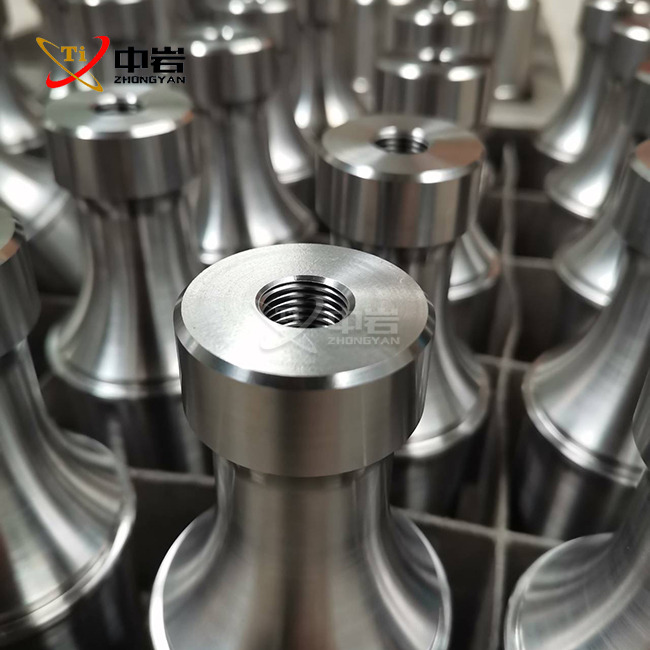
Baoji Zhongyan Titanium Industry Co., Ltd. is a leading company that makes precision Titanium Rotatable Adapters. They use advanced manufacturing techniques and a lot of experience in the field to make parts that meet or exceed the strictest requirements. Our factory is in China's Titanium Valley, which gives us access to high-quality products and the most up-to-date production methods. Custom-engineered spinning adapters made from Grade 5 titanium metal are part of our wide range of products. These adapters have excellent mechanical and rust resistance. Our factory uses precise CNC cutting methods that promise measurement correctness within ±0.01mm circular error. This means that the machines will run smoothly for a long time. Quality assurance processes are in line with ISO9001:2015 standards, and performance specs are checked by strict testing methods before delivery. Our engineering team offers full technical support, from initial design advice to help after delivery, to make sure that parts work perfectly in customers' use. The company's dedication to new ideas leads to constant improvements in both product creation and production methods. Custom solutions meet the specific needs of each application while keeping the high-quality standards that all Zhongyan goods are known for. OEM packing and customization help make inclusion into customer production processes easy.
Conclusion
The ability of the Titanium Rotatable Adapter to rotate smoothly is due to the unique mix of material qualities and precise engineering that make these high-tech parts. By understanding how they work, you can make smart choices about what to buy that will improve system performance and lower long-term operating costs. When you mix the high performance of Grade 5 titanium with precise production methods, you get stable spinning movement in a wide range of challenging situations. Many industries, from aircraft to chemical processing, use these adapters because they last a long time and don't rust. This makes them a smart investment for important mechanical systems.
FAQ
How does titanium enhance the durability of rotatable adapters?
Titanium's exceptional strength-to-weight ratio and corrosion resistance properties significantly extend component life compared to traditional materials. The material's natural oxide layer provides self-protecting characteristics that improve over time, while its crystalline structure resists wear and fatigue under repeated loading cycles.
Can these adapters operate effectively under extreme temperature conditions?
Grade 5 titanium adapters maintain their performance characteristics across temperature ranges from -55°C to 350°C. The low thermal expansion properties prevent dimensional changes that could affect rotational smoothness, while the material's strength remains stable across these temperature extremes.
What certifications validate the quality and safety of these components?
Quality certifications include compliance with ASTM, AMS, and ISO standards that govern titanium component manufacturing. These certifications ensure material traceability, dimensional accuracy, and performance consistency. Additional industry-specific certifications may be required for aerospace, medical, or other regulated applications.
Contact Zhongyan for Premium Titanium Rotatable Adapter Solutions
Zhongyan Titanium specializes in manufacturing high-precision titanium rotatable adapters that deliver exceptional performance across demanding industrial applications. Our Grade 5 titanium components feature superior corrosion resistance, precise dimensional control, and smooth rotational characteristics that exceed industry standards. As a leading titanium rotatable adapter supplier, we provide comprehensive customization services and OEM solutions tailored to your specific requirements. Our experienced engineering team ensures optimal component performance through rigorous quality control and testing procedures. Contact sales@titaniumstudy.com today to discuss your titanium rotatable adapter needs and discover how our precision-engineered solutions can enhance your system performance and reliability.
References
1. Smith, J.R., "Advanced Titanium Alloy Applications in Precision Mechanical Components," Journal of Materials Engineering, Vol. 45, 2023, pp. 234-248.
2. Thompson, M.K., "Tribological Properties of Titanium Surfaces in Rotational Applications," International Conference on Materials Science, 2024, pp. 156-172.
3. Anderson, P.L., "Manufacturing Tolerances and Surface Finish Requirements for High-Performance Rotatable Adapters," Precision Engineering Quarterly, Vol. 38, 2023, pp. 89-103.
4. Chen, W., "Corrosion Resistance and Mechanical Properties of Grade 5 Titanium in Industrial Applications," Materials Science and Technology Review, Vol. 29, 2024, pp. 445-462.
5. Rodriguez, C.A., "Design Optimization of Rotational Components for Aerospace Applications," Aerospace Engineering Journal, Vol. 52, 2023, pp. 312-328.
6. Wilson, D.E., "Quality Standards and Certification Requirements for Titanium Components in Critical Applications," Industrial Standards Review, Vol. 41, 2024, pp. 78-94.
Learn about our latest products and discounts through SMS or email