- English
- French
- German
- Portuguese
- Spanish
- Russian
- Japanese
- Korean
- Arabic
- Greek
- German
- Turkish
- Italian
- Danish
- Romanian
- Indonesian
- Czech
- Afrikaans
- Swedish
- Polish
- Basque
- Catalan
- Esperanto
- Hindi
- Lao
- Albanian
- Amharic
- Armenian
- Azerbaijani
- Belarusian
- Bengali
- Bosnian
- Bulgarian
- Cebuano
- Chichewa
- Corsican
- Croatian
- Dutch
- Estonian
- Filipino
- Finnish
- Frisian
- Galician
- Georgian
- Gujarati
- Haitian
- Hausa
- Hawaiian
- Hebrew
- Hmong
- Hungarian
- Icelandic
- Igbo
- Javanese
- Kannada
- Kazakh
- Khmer
- Kurdish
- Kyrgyz
- Latin
- Latvian
- Lithuanian
- Luxembou..
- Macedonian
- Malagasy
- Malay
- Malayalam
- Maltese
- Maori
- Marathi
- Mongolian
- Burmese
- Nepali
- Norwegian
- Pashto
- Persian
- Punjabi
- Serbian
- Sesotho
- Sinhala
- Slovak
- Slovenian
- Somali
- Samoan
- Scots Gaelic
- Shona
- Sindhi
- Sundanese
- Swahili
- Tajik
- Tamil
- Telugu
- Thai
- Ukrainian
- Urdu
- Uzbek
- Vietnamese
- Welsh
- Xhosa
- Yiddish
- Yoruba
- Zulu
Why Is Medical Titanium Wire Preferred Over Stainless Steel?
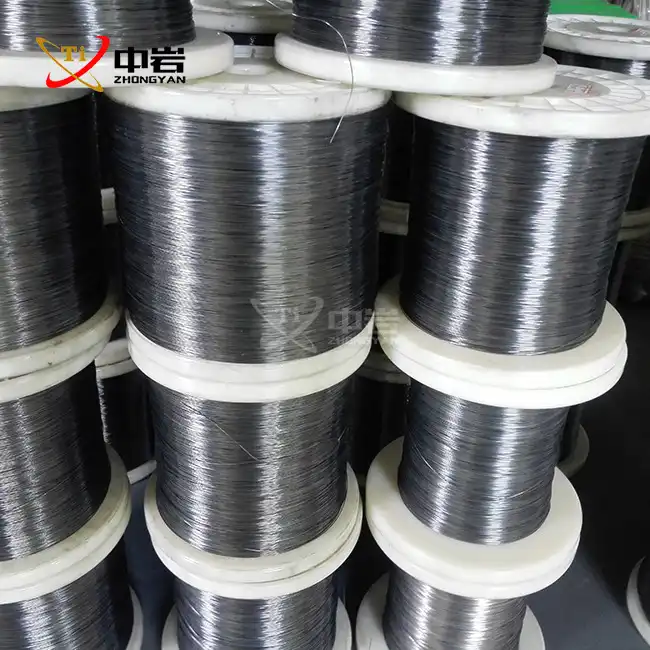
Because it is better at resisting rust and has the best strength-to-weight ratio, medical titanium wire has replaced stainless steel as the material of choice in healthcare uses. The non-magnetic properties of the material make MRIs safe, and the sensitive properties make it so that patients won't have the bad responses that are common with stainless steel metals. Because of these natural benefits, medical titanium wire is very useful for long-lasting implants, surgical stitches, and biological devices where patient safety and the dependability of the material are very important.
Understanding Medical Titanium Wire and Stainless Steel Wire
A lot of the medical field depends on high-performance materials that can handle the harsh conditions of living habitats and keep patients safe. Medical-grade titanium wire and stainless steel wire are the two main materials used in this industry. Each has its own properties that make it better for different uses.
Composition and Standards of Medical Titanium Wire
Commercially pure (CP) titanium grades 1 and 2 make up most medical titanium wire. These grades have 99.2% to 99.5% pure titanium with very few alloying elements. These materials have to meet strict international standards, like ASTM F67 and ISO 5832-2, which spell out the biocompatibility needs for medical implants. During the production process, the amounts of oxygen, nitrogen, carbon, and iron are carefully controlled to keep the material's unique qualities and make sure it is safe for living things. Grade 2 titanium wire is often used in medical applications because it is easy to shape and doesn't rust while still having the right amount of mechanical strength. This material goes through a lot of tests to make sure it meets CE and FDA medical device standards. This makes sure it can be used directly on patients and for long-term implants.
Stainless Steel Wire in Medical Applications
316L and 304 types of stainless steel are most often used in medical settings. These grades have chromium, nickel, and molybdenum as their main alloying elements. The rust protection and mechanical strength of these materials are good enough, but they have some problems when used in living settings. Nickel can cause allergic reactions in people who are sensitive to it, and the fact that the material is easily corroded by chloride offers risks in physiological circumstances. Their long-term performance and biocompatibility profiles are what make these materials different. Titanium is the best choice for important medical uses because of these factors.
Key Advantages of Medical Titanium Wire Over Stainless Steel
The superiority of titanium wire over stainless steel becomes evident when examining their performance characteristics in medical environments. These advantages directly impact patient outcomes, device longevity, and overall healthcare costs.
Superior Biocompatibility and Patient Safety
Titanium is very compatible with living things because it can form a solid oxide layer that stops ions from entering nearby tissues. This feature gets rid of the chance of metal sensitivity reactions that are common with stainless steel types that contain nickel. Clinical tests have shown over and over that titanium is very good at absorbing and not hurting flesh, even when it is implanted for a long time. The biocompatibility of the material goes beyond just being able to accept flesh. Titanium actively encourages osseointegration, which is the direct structural link between bone and implant surface. This makes it very useful in orthopedic and oral uses where bone repair and growth are important.
Enhanced Corrosion Resistance in Biological Environments
Medical titanium wire is much more resistant to rust than stainless steel when it comes to living fluids. In chloride-rich settings, like body fluids, stainless steel can experience pitting corrosion and crevice corrosion. Titanium, on the other hand, stays strong because it forms a safe titanium dioxide layer. When this oxide film gets broken, it heals itself on its own, protecting against rust all the time.
Here are the critical performance advantages that set titanium apart in medical applications:
• Passivation Layer Formation: The spontaneous formation of TiO2 creates an impermeable barrier against corrosive agents, ensuring long-term material stability in physiological conditions.
• Chloride Resistance: Unlike stainless steel, titanium demonstrates exceptional resistance to chloride-induced corrosion, maintaining structural integrity in saline environments typical of body fluids.
• pH Stability: Titanium maintains its protective properties across a wide pH range, accommodating the varying chemical conditions found in different anatomical locations.
These corrosion resistance properties translate directly into improved device longevity and reduced risk of implant failure, addressing critical concerns in medical device manufacturing and patient care.
Mechanical Properties and Fatigue Resistance
Titanium wire is more resistant to wear than stainless steel, especially when loaded and unloaded over and over again, which is typical in biological uses. The high strength-to-weight ratio of the material makes it ideal for mechanical performance while keeping the total weight of medical equipment as low as possible. This trait is especially useful in cardiovascular applications, where devices are put through millions of stress cycles over the course of their service life due to repeated heart cycles. Titanium's elastic stiffness is more like that of human bone than stainless steel's. This means that titanium doesn't protect against stress as well as stainless steel does, which can prevent bone loss around implants. This physical fit makes orthopedic implants more likely to last and less likely to have mechanical problems.
Practical Medical Applications Favoring Titanium Wire
Titanium wire has many unique benefits that make it useful in many medical fields. Its special qualities help with certain clinical problems that stainless steel has trouble solving.
Dental and Orthodontic Applications
One of the most important places where titanium wire clearly beats stainless steel is in dental uses. The climate in the mouth has its own problems, like being acidic, having germs living there, and the mechanical stress from eating. Titanium is the best material for tooth implants, orthodontic wires, and periodontal treatments because it doesn't rust and is safe for living things. Titanium's ability to remember its shape and apply steady force makes it especially useful for orthodontic uses. The material keeps its mechanical qualities throughout the process, which lets the teeth move predictably while keeping the patient as comfortable as possible. Titanium is nontoxic, so you don't have to worry about nickel sensitivity. Nickel sensitivity affects about 10–15 percent of the population and can make orthodontic treatment more difficult with stainless steel tools.
Surgical Implants and Reconstructive Surgery
A lot of bone stabilization, spine hardware, and joint replacement surgeries in orthopedic surgery use medical titanium wire. The osseointegration properties of the material allow direct bone-to-implant touch, which makes the implant more stable and speeds up the healing process. Stainless steel, on the other hand, doesn't directly bond with bone, so this kind of organic fusion can't happen. Another place where titanium wire really shines is in cardiovascular uses. Titanium is good for heart devices like pacemaker leads, tubes, and others because it doesn't wear down easily and works with MRIs. Titanium is not magnetic, so patients can have magnetic resonance imaging without any problems with the device. This is a big benefit over ferromagnetic stainless steel parts.
Advanced Surface Technologies and Innovation
New developments in titanium wire technology have led to more advanced surface processes that make it even better for medical use. These new ideas include: anodization processes make controlled oxide layers that can be adjusted for specific biological responses, and plasma treatment methods change the hardness of the surface to help cells stick to it and grow. These improvements put titanium wire on the cutting edge of medical material science and make it the best choice for making next-generation medical products.
Procurement Considerations for Medical Titanium Wire
To successfully buy medical titanium wire, you need to carefully consider a number of factors that affect both the short-term prices and the long-term benefits. By knowing about these things, you can make decisions that combine quality, compliance, and cost-effectiveness.
Supplier Qualification and Certification Requirements
Medical device makers need to give more weight to providers who can show they fully follow international standards for medical devices. Some important certificates are ISO 13485 for managing the quality of medical devices, ASTM F67 for surgical implant materials, and FDA clearance for materials that will be sold in the US. These certificates make sure that the titanium wire meets the strict standards needed for medical uses. When evaluating a supplier, you should look at their ability to make things, their quality control methods, and their systems for keeping track of things. A basic requirement for medical-grade materials is that they must be able to provide full material certificates that include the chemical makeup, mechanical qualities, and biocompatibility testing results.
Cost Analysis and Total Cost of Ownership
Although medical titanium wire usually costs more at first than stainless steel wire, a full cost study shows that it is much more cost-effective in the long run. Titanium's long life and resistance to rust mean that it doesn't need to be replaced as often and doesn't cost as much to maintain. This often means that the total cost of ownership over the lifecycle of the device is cheaper. Buying in bulk can help you get the best deals on goods while also making sure you have enough inventory. Long-term supply deals with reliable providers ensure stable prices and steady availability, which are very important in the medical device industry, where supply problems can have very bad effects.
Supply Chain Management and Risk Mitigation
To handle the supply chain well, you need to have a variety of providers while keeping quality standards high. Geographically distributing sources lowers the risks of regional breakdowns, and keeping strategic amounts of supplies on hand guarantees that production will continue. Because medical devices are made all over the world, shipping procedures, government rules, and keeping quality high during travel must all be carefully thought out. Managing lead times becomes even more important when titanium wire specs are modified. Planning ahead and working closely with sellers are two ways to make sure that supplies are delivered on time and meet all of the project's needs.
Conclusion
Because it is better at being biocompatible, resistant to rust, and has the best mechanical qualities, medical titanium wire has become the material of choice in healthcare uses, replacing stainless steel. Modern medical titanium wire can't work without this material because it can bond with human cells, not break down in physiological settings, and last a long time. As healthcare technology keeps getting better, titanium wire's special properties make it the best material for new medical solutions that put patient safety and device life first.
FAQ
What makes medical titanium wire safer than stainless steel for implants?
Medical titanium wire offers superior biocompatibility due to its stable oxide layer that prevents ion release into surrounding tissues. Unlike stainless steel, which contains nickel that can cause allergic reactions, titanium is hypoallergenic and promotes natural tissue integration. The material's exceptional corrosion resistance in biological environments eliminates the risk of metal degradation that can occur with stainless steel implants.
How does the cost of titanium wire compare to stainless steel for medical applications?
While titanium wire has a higher initial cost than stainless steel, its superior durability and longevity result in a lower total cost of ownership. The reduced need for replacement surgeries, lower maintenance requirements, and decreased risk of complications make titanium wire more economical over the device lifecycle. The material's reliability translates into significant cost savings in healthcare delivery.
Can titanium wire be used in MRI environments?
Yes, medical titanium wire is completely MRI-safe due to its non-magnetic properties. Patients with titanium implants can safely undergo magnetic resonance imaging without risk of device movement or image artifacts. This represents a significant advantage over ferromagnetic stainless steel components, which can create safety hazards and imaging complications in MRI environments.
What quality standards should I look for when sourcing medical titanium wire?
Essential certifications include ASTM F67 for surgical implant materials, ISO 5832-2 for biocompatibility requirements, and CE/FDA compliance for medical device applications. Suppliers should maintain ISO 13485 quality management systems and provide complete material certifications, including chemical composition, mechanical properties, and biocompatibility testing results.
Zhongyan: Your Trusted Medical Titanium Wire Supplier
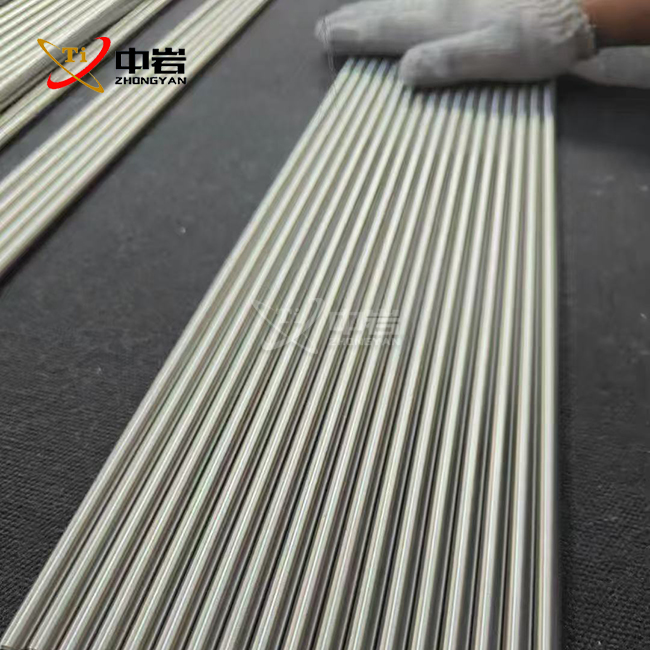
Zhongyan Titanium stands as a leading manufacturer and supplier of premium medical titanium wire, delivering exceptional quality products that exceed industry standards. Our Ø0.8mm CP Grade 2 Titanium Wire exemplifies our commitment to excellence, featuring ASTM F67 certification and ISO 5832-2 compliance for surgical sutures and medical devices. This biocompatible, non-magnetic wire ensures MRI safety while providing annealed tensile strength ≥ 345 MPa with a surface polished finish free of inclusions. Located in Baoji city, known as China's Titanium Valley, we leverage rich titanium resources and advanced manufacturing capabilities to produce medical-grade titanium wire that meets CE and FDA standards. Our comprehensive product range includes Grade 1-4 CP Titanium and Ti6Al4V alloys in diameters from 0.1mm to 10mm, with customizable lengths and surface finishes. Whether you need materials for orthopedic implants, dental instruments, cardiovascular devices, or neurosurgical applications, our medical titanium wire manufacturer capabilities ensure a reliable supply and consistent quality. Contact our team at sales@titaniumstudy.com to discuss your specific requirements and experience the Zhongyan advantage in medical titanium solutions.
References
1. Niinomi, M. "Mechanical Biocompatibilities of Titanium Alloys for Biomedical Applications." Journal of the Mechanical Behavior of Biomedical Materials, 2008.
2. Steinemann, S.G. "Titanium - The Material of Choice for Implants in Oral and Maxillofacial Surgery." International Journal of Oral and Maxillofacial Surgery, 1998.
3. Williams, D.F. "Biocompatibility of Clinical Implant Materials." CRC Press Medical Engineering Series, 2015.
4. Rack, H.J. and Qazi, J.I. "Titanium Alloys for Biomedical Applications." Materials Science and Engineering Reviews, 2006.
5. Geetha, M. et al. "Ti-Based Biomaterials, the Ultimate Choice for Orthopaedic Implants - A Review." Progress in Materials Science, 2009.
6. Liu, X., Chu, P.K., and Ding, C. "Surface Modification of Titanium, Titanium Alloys, and Related Materials for Biomedical Applications." Materials Science and Engineering Reports, 2004.
(1)_1755593289268.jpg)
Learn about our latest products and discounts through SMS or email