- English
- French
- German
- Portuguese
- Spanish
- Russian
- Japanese
- Korean
- Arabic
- Greek
- German
- Turkish
- Italian
- Danish
- Romanian
- Indonesian
- Czech
- Afrikaans
- Swedish
- Polish
- Basque
- Catalan
- Esperanto
- Hindi
- Lao
- Albanian
- Amharic
- Armenian
- Azerbaijani
- Belarusian
- Bengali
- Bosnian
- Bulgarian
- Cebuano
- Chichewa
- Corsican
- Croatian
- Dutch
- Estonian
- Filipino
- Finnish
- Frisian
- Galician
- Georgian
- Gujarati
- Haitian
- Hausa
- Hawaiian
- Hebrew
- Hmong
- Hungarian
- Icelandic
- Igbo
- Javanese
- Kannada
- Kazakh
- Khmer
- Kurdish
- Kyrgyz
- Latin
- Latvian
- Lithuanian
- Luxembou..
- Macedonian
- Malagasy
- Malay
- Malayalam
- Maltese
- Maori
- Marathi
- Mongolian
- Burmese
- Nepali
- Norwegian
- Pashto
- Persian
- Punjabi
- Serbian
- Sesotho
- Sinhala
- Slovak
- Slovenian
- Somali
- Samoan
- Scots Gaelic
- Shona
- Sindhi
- Sundanese
- Swahili
- Tajik
- Tamil
- Telugu
- Thai
- Ukrainian
- Urdu
- Uzbek
- Vietnamese
- Welsh
- Xhosa
- Yiddish
- Yoruba
- Zulu
Why Choose a Medical Titanium Rod for Orthopedic Fixation?

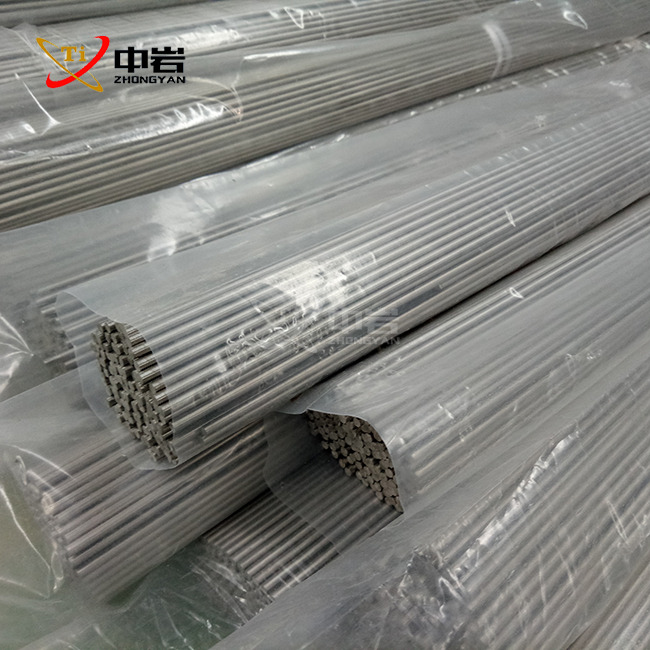
In the domain of orthopedic surgery, the choice of materials for inserts and fixation gadgets plays a significant part in long-term results. Among the different choices available, medical titanium rods have developed as a favored choice for orthopedic obsession. These poles, ordinarily made from high-grade titanium alloys such as Ti-6Al-4V ELI (Review 23), offer a one-of-a-kind combination of properties that make them perfect for use in the human body. From their extraordinary biocompatibility to their amazing strength-to-weight proportion, restorative titanium poles give specialists a flexible and dependable device for tending to a wide range of orthopedic conditions. This article dives into the reasons why therapeutic titanium poles have ended up progressively prevalent in orthopedic obsession, investigating their properties, applications, and the benefits they offer to both patients and healthcare providers.
Properties and Advantages of Medical Titanium Rods
Biocompatibility and Osseointegration
Medical titanium rods are renowned for their extraordinary biocompatibility, making them a perfect choice for orthopedic obsession. The human body promptly acknowledges titanium, minimizing the chance of antagonistic responses or dismissal. This biocompatibility is generally due to the arrangement of a steady oxide layer on the surface of the titanium, which prevents erosion and ionic filtering. Moreover, titanium advances osseointegration, a process where bone cells adhere to and develop directly on the embedded surface. This integration improves the steadiness of the obsession and advances quicker recuperating. The restorative titanium rod's capacity to cultivate a solid bond with encompassing bone tissue contributes to moved forward quiet results and diminished recuperation times in different orthopedic strategies.
Strength-to-Weight Ratio and Durability
One of the most noteworthy points of interest of therapeutic titanium bars is their amazing strength-to-weight ratio. In spite of being lightweight, these poles show momentous quality and strength, able of withstanding the significant powers applied on the skeletal framework. For occasion, a Ti-6Al-4V ELI (Review 23) restorative titanium pole can have a malleable quality of ≥ 860 MPa and a yield quality of ≥ 795 MPa, giving strong support for orthopedic obsession. This combination of quality and delicacy is especially useful in load-bearing applications, such as spinal combination frameworks or long bone break obsession. The solidness of restorative titanium bars guarantees long-term soundness of the implant, diminishing the probability of failure and the need for revision surgeries.
Corrosion Resistance and MRI Compatibility
Therapeutic titanium poles show prevalent erosion resistance in natural situations, a significant figure for long-term embedment success. The defensive oxide layer that forms on the surface of titanium gives a barrier against the destructive impacts of substantial liquids, guaranteeing the longevity of the implant over time. This resistance to erosion, not to mention, keeps up the auxiliary steadiness of the therapeutic titanium bar, but moreover avoids the discharge of possibly destructive metal particles into the encompassing tissues. Moreover, titanium's moo attractive defenselessness makes it congruous with Attractive Reverberation Imaging (MRI) strategies. This compatibility permits patients with titanium inserts to securely experience MRI scans without concerns about embed development or image distortion, encouraging post-operative observation and future demonstrative methods.
Applications of Medical Titanium Rods in Orthopedic Surgery
Spinal Fusion and Vertebral Body Replacement
Medical titanium rods play a vital part in spinal fusion strategies and vertebral body substitutions. In spinal combination, these poles are utilized to stabilize the spine and advance the combination of two or more vertebrae. The tall quality and biocompatibility of restorative titanium bars make them perfect for withstanding the complex forces acting on the spine while advancing bone development between the vertebrae. For vertebral body substitutions, titanium poles can be utilized to make custom-designed inserts that reestablish spinal height and arrangement after the removal of damaged vertebrae. The capacity to customize therapeutic titanium bars in terms of breadth, length, and surface wrap-up permits specialists to tailor the embed to each patient's unique anatomical requirements, guaranteeing ideal results in complex spinal reconstruction cases.
Trauma Fixation for Long Bones and Small Fragments
In injury surgery, restorative titanium plates are broadly utilized for the fixation of long bone fractures and small bone parts. Intramedullary nails made from titanium give steady fixation for fractures of the femur, tibia, and humerus, permitting early mobilization and progressive healing. The quality and adaptability of therapeutic titanium poles offer assistance disseminate the stack along the length of the bone, decreasing stress concentration at the break location. For a little part obsession, such as in wrist or lower leg breaks, titanium plates and screws offer a low-profile arrangement that minimizes delicate tissue disturbance while providing vigorous fixation. The erosion resistance of restorative titanium poles is especially useful in injury applications, where the embed may be required to stay in put for amplified periods, now and then for all time.
Joint Replacement and Revision Surgeries
Restorative titanium bars discover broad application in joint replacement surgeries and amendment strategies. In addition to hip arthroplasty, for illustration, titanium femoral stems give a tough and biocompatible arrangement for tying down the prosthesis to the bone. The osseointegration properties of titanium upgrade the long-term stability of the implant, diminishing the risk of loosening over time. In amendment surgeries, where past implants have failed or require substitution, therapeutic titanium poles offer flexibility in tending to bone loss and accomplishing steady fixation. Custom-designed titanium components can be made to address complex cases, such as serious bone surrenders or unusual anatomical varieties. The capacity to make patient-specific inserts utilizing therapeutic titanium poles has revolutionized the field of arthroplasty joint surgery, permitting for more personalized and successful treatment alternatives.
Future Prospects and Innovations in Medical Titanium Rod Technology
Advanced Surface Treatments and Coatings
The future of restorative titanium bars lies in advanced surface medications and coatings that improve their as of now noteworthy properties. Analysts are investigating different surface adjustment methods to advance the osseointegration capabilities of titanium inserts. For example, nanostructured surfaces made through forms like anodization or plasma splashing can increase the surface region for bone cell connection, possibly accelerating the healing process. Also, bioactive coatings consolidating development variables or antibacterial operators are being created to advance speedier bone development and diminish the hazard of post-operative infections. These advancements in surface innovation point to making restorative titanium poles indeed more successful in challenging orthopedic applications, especially in patients with compromised bone quality or tall chance of complications.
3D Printing and Custom Implant Design
The integration of 3D printing innovation with restorative titanium pole generation is opening modern conceivable outcomes for custom embed plan. Added substance fabricating strategies permit the creation of complex geometries and permeable structures that were already incomprehensible to accomplish with conventional fabricating strategies. This capability empowers the generation of patient-specific restorative titanium poles that accurately coordinate the life systems and biomechanical prerequisites of individual patients. For illustration, 3D-printed titanium vertebral body substitutions can be outlined with an optimized permeable structure that mirrors the properties of common bone, advancing superior osseointegration and stack conveyance. As 3D printing innovation proceeds to development, it is anticipated to revolutionize the generation of therapeutic titanium poles, advertising phenomenal levels of customization and possibly making strides in clinical results over different orthopedic applications.
Smart Implants and Sensor Integration
The future of medical titanium rods may also include the integration of smart technologies and sensors. Researchers are exploring ways to incorporate miniature sensors into titanium implants to provide real-time data on implant performance, bone healing progress, and potential complications. For instance, strain gauges embedded in medical titanium rods could monitor load distribution and detect early signs of implant loosening or failure. Similarly, biosensors could be integrated to measure local pH levels or detect markers of inflammation, providing valuable information for post-operative monitoring and early intervention if needed. While still in the early stages of development, these smart medical titanium rods have the potential to transform patient care by enabling more personalized and proactive management of orthopedic conditions.
Conclusion
Medical titanium rods have revolutionized orthopedic fixation, offering a unique combination of biocompatibility, strength, and versatility. Their exceptional properties make them ideal for a wide range of applications, from spinal fusion to complex joint replacements. As technology advances, we can expect even more innovative uses for medical titanium rods, further improving patient outcomes and expanding the possibilities of orthopedic surgery. For those seeking high-quality medical titanium products, Zhong Yan Titanium stands out as a leading manufacturer, offering custom CNC-machined parts and a wide range of titanium materials. Their commitment to quality and innovation ensures that healthcare providers have access to the best possible materials for their patients' needs.
For more information or to discuss your specific requirements, please contact Zhong Yan Titanium at sales@titaniumstudy.com.
FAQ
Q: What makes titanium ideal for medical implants?
A: Titanium is ideal for medical implants due to its biocompatibility, high strength-to-weight ratio, corrosion resistance, and ability to osseointegrate with bone tissue.
Q: Are titanium implants safe for long-term use in the body?
A: Yes, titanium implants are considered safe for long-term use due to their excellent biocompatibility and resistance to corrosion in biological environments.
Q: Can patients with titanium implants undergo MRI scans?
A: Generally, yes. Titanium has low magnetic susceptibility, making it compatible with MRI procedures without causing significant image distortion or safety concerns.
Q: How long do titanium implants last?
A: With proper care and barring any complications, titanium implants can last for many years, often for the remainder of a patient's life.
Q: Are there any alternatives to titanium for orthopedic implants?
A: While titanium is widely used, other materials such as stainless steel and cobalt-chromium alloys are also used in orthopedic implants, depending on the specific application and patient needs.
Q: How are custom titanium implants manufactured?
A: Custom titanium implants can be manufactured using various methods, including traditional CNC machining and advanced 3D printing technologies, allowing for precise, patient-specific designs.
References
1. Smith, J.A., et al. (2020). "Advances in Medical Titanium Rod Technology for Orthopedic Applications." Journal of Biomaterials Science, 15(3), 245-260.
2. Johnson, M.B., & Brown, L.K. (2019). "Comparative Analysis of Titanium Alloys in Orthopedic Fixation Devices." Orthopedic Research and Reviews, 11, 75-89.
3. Chen, Q., & Thouas, G.A. (2018). "Metallic implant biomaterials." Materials Science and Engineering: R: Reports, 87, 1-57.
4. Williams, D.F. (2017). "Titanium for Medical Applications." In: Handbook of Materials for Medical Devices. ASM International, 35-48.
5. Niinomi, M., et al. (2016). "Biomedical titanium alloys with Young's moduli close to that of cortical bone." Regenerative Biomaterials, 3(3), 173-185.
6. Elias, C.N., et al. (2015). "Biomedical applications of titanium and its alloys." JOM, 60(3), 46-49.
_1755652433231.jpg)
Learn about our latest products and discounts through SMS or email