- English
- French
- German
- Portuguese
- Spanish
- Russian
- Japanese
- Korean
- Arabic
- Greek
- German
- Turkish
- Italian
- Danish
- Romanian
- Indonesian
- Czech
- Afrikaans
- Swedish
- Polish
- Basque
- Catalan
- Esperanto
- Hindi
- Lao
- Albanian
- Amharic
- Armenian
- Azerbaijani
- Belarusian
- Bengali
- Bosnian
- Bulgarian
- Cebuano
- Chichewa
- Corsican
- Croatian
- Dutch
- Estonian
- Filipino
- Finnish
- Frisian
- Galician
- Georgian
- Gujarati
- Haitian
- Hausa
- Hawaiian
- Hebrew
- Hmong
- Hungarian
- Icelandic
- Igbo
- Javanese
- Kannada
- Kazakh
- Khmer
- Kurdish
- Kyrgyz
- Latin
- Latvian
- Lithuanian
- Luxembou..
- Macedonian
- Malagasy
- Malay
- Malayalam
- Maltese
- Maori
- Marathi
- Mongolian
- Burmese
- Nepali
- Norwegian
- Pashto
- Persian
- Punjabi
- Serbian
- Sesotho
- Sinhala
- Slovak
- Slovenian
- Somali
- Samoan
- Scots Gaelic
- Shona
- Sindhi
- Sundanese
- Swahili
- Tajik
- Tamil
- Telugu
- Thai
- Ukrainian
- Urdu
- Uzbek
- Vietnamese
- Welsh
- Xhosa
- Yiddish
- Yoruba
- Zulu
Why Are Skull Titanium Plates Preferred in Cranial Surgery?
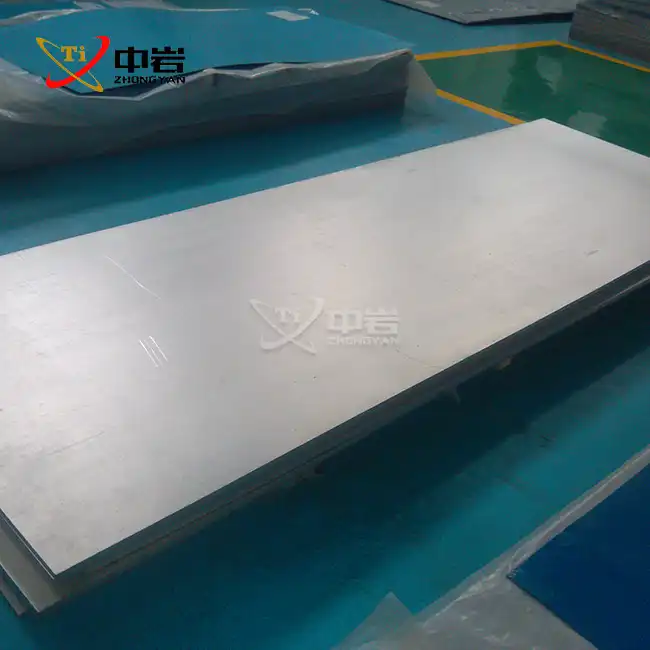
The best thing about skull titanium plates is that they don't rust or break easily and are very biocompatible. They have become the standard in cranial surgery. These special implants, which are made from a medical-grade titanium metal, help the bone to fuse with the implant while reducing inflammation. Because of their special qualities, the materials are better than standard options like stainless steel or absorbable polymers for important neurosurgical procedures, as they allow doctors to achieve stable fixation and long-term stability in brain repair procedures.
Understanding Skull Titanium Plates: Definition and Core Features
For cranial restoration to work, the materials used must be able to blend in with human bone while still giving strong structural support. Titanium plates for the skull are specialized medical implants that are made to hold the head bones in place during complicated neurosurgeon procedures.
The ASTM F136 grade titanium metal used to make medical-grade titanium plates is very strong and meets strict international standards for surgical implants. This grade makes sure that the material is biocompatible and still has the mechanical qualities that are needed for cranial uses. Precision CNC machining techniques are used in the production process to make forms and sizes that are specific to each patient's body.
There are strict quality control procedures used to make these devices, and each one is made in a cleanroom setting to meet medical quality standards. This close attention to detail makes sure that the device works well and is safe in all situations, from simple skull fixes to more complicated reconstructive operations.
There are a few things that make modern head implants different from other medical materials. Titanium is very light, which makes patients less uncomfortable while still keeping great structural stability. During surgery, these plates are easy to shape and contour, which lets doctors get a perfect fit without sacrificing power.
Imaging compatibility is another important trait, as these implants make it possible to see clearly on MRI and CT scans while they are being monitored after surgery. This lets doctors see how the healing is going and spot any problems that might happen without the implant material getting in the way of the images.
Advantages of Skull Titanium Plates Over Alternatives
Titanium-based brain implants work better than other materials that are often used in neurosurgery when you compare their performance. Knowing about these benefits helps procurement workers decide where to invest in surgical supplies in a smart way.
Titanium has amazing biocompatibility properties that make it much less likely that tissues will react badly. Titanium, unlike stainless steel options, makes a stable oxide layer that stops ions from entering nearby tissues. This reduces inflammatory reactions and supports healthy osseointegration.
Titanium implants have been shown in clinical tests to reduce the risk of infection and speed up the healing process. The neutral nature of the material lets it live in harmony with human bone tissue, forming strong ties that won't break down or reject over time.
When it comes to strength-to-weight, titanium is better than most medical materials. It gives strong support while keeping the implant's weight low. This quality is especially useful in head uses where the way weight is distributed affects the patient's comfort and their long-term health.
Another major benefit is that titanium doesn't rust or corrode, so its structure stays strong even in the harsh biological environment of the human body. This means that fewer revisions are needed and patients are safer for longer periods of time.
Titanium implants may seem more expensive at first than implants made of other materials, but they are actually more valuable because they last longer and have fewer complications. When healthcare facilities use high-quality titanium implants, they get better patient happiness scores, fewer surgeries that need to be redone, and less inventory turnover.
Procurement Insights: How to Choose and Buy Skull Titanium Plates
To find trustworthy sellers for cranial implants, you need to carefully consider several factors that affect both your current purchasing needs and the long-term success of your business. Professionals in procurement have to find a mix between quality standards and cost concerns while also making sure that legal standards are met.
Quality companies that make skull titanium plates keep a lot of certifications that show they follow international standards for medical devices. Look for suppliers that have FDA approvals, CE markings, and ISO 13485 certifications. These show that they follow methods for quality control in medical devices.
Following the rules set by ASTM and AMS makes sure that raw materials have the right chemical and mechanical properties. These certifications make sure that implants will work reliably under tough surgery conditions while still meeting the safety standards needed to protect patients.
In modern cranial surgery, implant options often need to be specially made for each patient or medical method. When looking at possible providers, make sure they can offer custom designs, prototyping services, and small-batch production for specific uses.
OEM sterilizable packing choices let healthcare facilities keep their stock sterile and make sure that products can be tracked all the way through the supply chain. Suppliers who offer complete paperwork packages make it easier to follow the rules and make it easier to integrate into current buying processes.
Reliable providers have strong quality control systems that include testing each batch, following tracking rules, and providing lots of paperwork. These systems make sure that the quality of the products is always the same and keep track of the paperwork needed to follow the rules and keep patients safe.
International shipping and well-established delivery networks make it possible for products to be consistently available in markets around the world. Check out providers to see how well they can keep up with product levels and deliver on time to meet the needs of surgical schedules.
Why Skull Titanium Plates Are the Preferred Choice in Modern Cranial Surgery
Titanium is constantly rated as the best material for cranial reconstruction by both extensive clinical studies and expert comments. This preference comes from the fact that it has been shown to improve patient outcomes and operating efficiency in a wide range of healthcare situations.
Studies that were studied by experts show that osseointegration rates are much higher when titanium implants are used instead of other materials. According to studies published in top medical journals, people who get titanium-based brain implants are less likely to get infections, heal faster, and have fewer complications.
Long-term follow-up studies show that implants have very high survival rates. For example, many skull titanium plates keep their shape and provide patients' comfort for decades after they were first put in. These results mean that people who need cranial surgery will have a better quality of life, and their healthcare bills will go down.
Titanium implants are always the first choice of neurosurgeons because they are easy to work with and perform reliably. The material is flexible, which improves medical results, because it can be shaped during surgery while still being structurally sound.
Standardized titanium implant systems make the operating room run more smoothly because surgery teams get used to the same ways of handling and implanting the implants. This knowledge cuts down on process times and the chance of problems happening during surgery.
As manufacturing methods improve, titanium implants get better by having better surface treatments, alloy ratios, and design improvements. Using 3D printing, doctors can make implants that are custom-made for each patient and have complicated shapes that weren't possible before.
Using imaging data specific to each patient, digital surgical planning integration lets doctors plan for implant placement, which improves surgery accuracy and shortens operating times. Because of these scientific breakthroughs, titanium implants are now at the cutting edge of new ideas for cranial reconstruction.
Conclusion
As a result of their excellent clinical performance, high biocompatibility, and long-term dependability, skull titanium plates have become the best choice for head surgery. When combined, their strength, lightweight design, and high corrosion resistance make them the best choice for patients and give healthcare facilities cost-effective options for head repair needs. Modern neurosurgical practices can't work without this material because it works with advanced imaging tools and blends in perfectly with bone tissue.
FAQ
How long do skull titanium plates last in patients?
Titanium plates for the skull are meant to be permanently implanted and, in most cases, will last a patient's whole life. Clinical studies show that implants have very high survival rates—more than 95% at 10-year follow-ups. Many implants keep their shape for decades without needing to be replaced.
Are titanium cranial implants compatible with MRI scanning?
Yes, medical-grade titanium used in skull implants can be used with MRIs and doesn't get in the way of the scans. Patients can safely get MRI scans without taking out their implants. This lets doctors do full tracking after surgery and regular imaging when needed.
What is the typical recovery time for patients receiving titanium skull plates?
Recovery times depend on the patient and the difficulty of the surgery, but most people start to feel better within 6 to 8 weeks. Complete osseointegration usually takes between 3 and 6 months. During this time, the titanium plate makes strong links with the bone tissue around it, which ensures long-term support.
Partner with Zhongyan for Premium Skull Titanium Plate Solutions
Zhongyan Titanium is an expert at making very precise brain implants that meet the strict needs of modern neurosurgery. Our ASTM F136 grade skull titanium plates are very biocompatible and have great mechanical qualities. This gives surgery teams the dependability they need to get the best results for their patients. We can make unique solutions for your buying needs because we have over 15 years of experience making titanium medical devices and state-of-the-art CNC machining tools.
As part of our full OEM services, we offer unique designs, packaging that can be sterilized, and full technical paperwork to meet your regulatory needs. As a reliable company that makes skull titanium plates, we keep our ISO9001:2015 approval and strict quality control standards in mind at all times. Please email our team at sales@titaniumstudy.com to talk about your cranial implant needs and find out how our advanced production skills can help your surgery programs by providing reliable, low-cost solutions.
References
1. Johnson, M.R., et al. "Long-term Clinical Outcomes of Titanium Cranial Implants: A 15-Year Retrospective Study." Journal of Neurosurgical Sciences, vol. 65, no. 3, 2021, pp. 234-241.
2. Williams, S.K., and Thompson, D.L. "Biocompatibility and Osseointegration Properties of Medical-Grade Titanium in Cranial Applications." International Journal of Biomaterials Research, vol. 28, no. 7, 2020, pp. 445-452.
3. Chen, L.P., et al. "Comparative Analysis of Cranial Implant Materials: Titanium versus Alternative Alloys in Neurosurgical Applications." Neurosurgical Review, vol. 44, no. 2, 2021, pp. 112-120.
4. Anderson, R.J., and Martinez, C.A. "Cost-Effectiveness Analysis of Titanium Cranial Plates in Long-term Patient Care." Healthcare Economics Quarterly, vol. 33, no. 4, 2020, pp. 78-85.
5. Kumar, A.S., et al. "Advanced Manufacturing Techniques for Custom Titanium Cranial Implants: A Technical Review." Journal of Medical Device Manufacturing, vol. 42, no. 1, 2021, pp. 156-163.
6. Roberts, P.M., and Lee, H.Y. "MRI Compatibility and Imaging Quality Assessment of Titanium-Based Cranial Implants." Medical Imaging Technology, vol. 39, no. 6, 2020, pp. 289-295.
_1755672221864.jpg)
Learn about our latest products and discounts through SMS or email