- English
- French
- German
- Portuguese
- Spanish
- Russian
- Japanese
- Korean
- Arabic
- Greek
- German
- Turkish
- Italian
- Danish
- Romanian
- Indonesian
- Czech
- Afrikaans
- Swedish
- Polish
- Basque
- Catalan
- Esperanto
- Hindi
- Lao
- Albanian
- Amharic
- Armenian
- Azerbaijani
- Belarusian
- Bengali
- Bosnian
- Bulgarian
- Cebuano
- Chichewa
- Corsican
- Croatian
- Dutch
- Estonian
- Filipino
- Finnish
- Frisian
- Galician
- Georgian
- Gujarati
- Haitian
- Hausa
- Hawaiian
- Hebrew
- Hmong
- Hungarian
- Icelandic
- Igbo
- Javanese
- Kannada
- Kazakh
- Khmer
- Kurdish
- Kyrgyz
- Latin
- Latvian
- Lithuanian
- Luxembou..
- Macedonian
- Malagasy
- Malay
- Malayalam
- Maltese
- Maori
- Marathi
- Mongolian
- Burmese
- Nepali
- Norwegian
- Pashto
- Persian
- Punjabi
- Serbian
- Sesotho
- Sinhala
- Slovak
- Slovenian
- Somali
- Samoan
- Scots Gaelic
- Shona
- Sindhi
- Sundanese
- Swahili
- Tajik
- Tamil
- Telugu
- Thai
- Ukrainian
- Urdu
- Uzbek
- Vietnamese
- Welsh
- Xhosa
- Yiddish
- Yoruba
- Zulu
How to Select the Best Custom Socket Head Titanium Bolt?
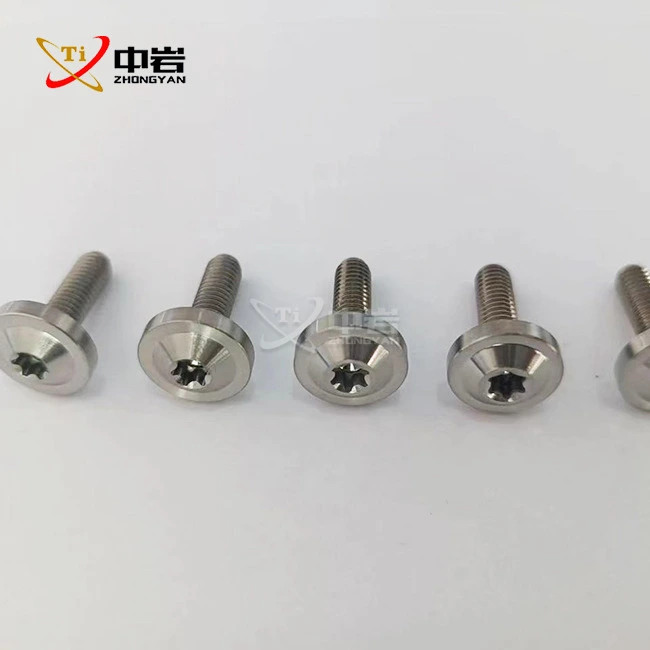
To choose the best Custom Socket Head Titanium Bolt, you need to carefully look at the grade of the material, the size requirements, the mechanical qualities, and the supplier's reputation. Grade 5 titanium alloy is the strongest, with tensile strengths of more than 900 MPa. The socket head form gives it the best power transfer for important tasks. Important things to think about are whether the product meets ASTM standards, whether it can be customized in sizes from M3 to M20, how resistant it needs to be to rust, and how precisely it can be manufactured. To make sure effective performance in tough settings, procurement professionals should give top priority to suppliers who offer OEM customization, thorough testing certificates, and proven experience in aircraft and industrial applications.
Understanding Custom Socket Head Titanium Bolts
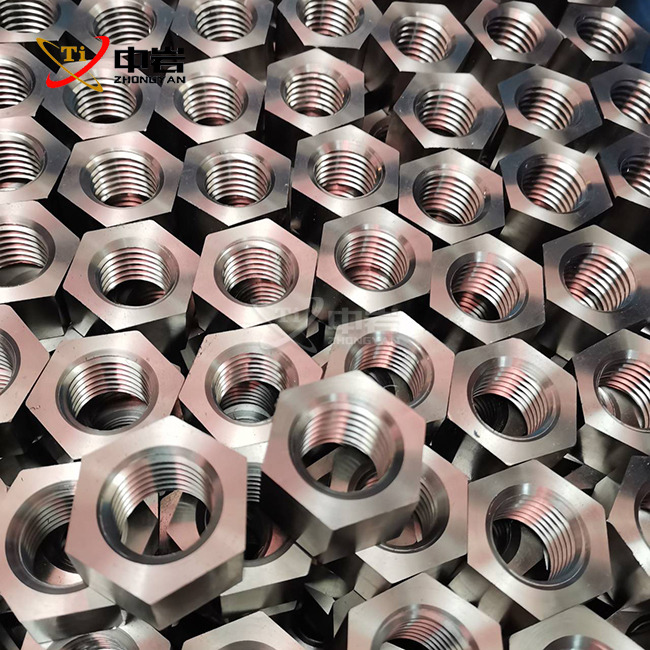
Precision-engineered fastening solutions like custom socket head titanium nuts are the best because they combine titanium's great qualities with unique design features. Titanium metals, mostly Grade 5 (Ti-6Al-4V), are used in these screws. These alloys have great corrosion resistance, great strength-to-weight ratios, and great longevity even in harsh working conditions.
These bolts are different from regular hex head ones because they have a socket head design. This gives them better torque transmission capabilities while keeping their small profiles, which is important for uses with limited room. This aspect of the design is especially useful in aerospace systems that need to be light and secure at the same time.
Material Properties and Performance Characteristics
The grade 5 titanium alloy is made up of 6% aluminum and 4% vanadium. It has a tensile strength of over 900 MPa and a mass that is about 45% lower than that of steel versions. The material is very resistant to wear at temperatures ranging from -252°C to 400°C, so it can be used in both low-temperature and high-temperature situations.
Biocompatibility is another important benefit, especially for making medical devices and food processing equipment, where the safety of the materials cannot be compromised. Because it isn't magnetic, it doesn't cause interference in sensitive electrical environments or medical imaging uses.
Customization Advantages in B2B Applications
When compared to normal off-the-shelf fasteners, custom socket head titanium bolts can be made to meet particular diameter, thread, and surface finish needs. With this level of tailoring, engineers can make sure that fasteners work perfectly in particular situations and fit perfectly with other parts.
Precision in manufacturing lets you make products with tight specs, special finishes, and unique geometric shapes that standard products can't handle. Customization like this is very important in industries like aircraft, automobiles, and industrial machinery, where using standard fasteners could hurt performance or dependability.
Key Criteria for Selecting the Right Titanium Socket Head Bolt
To pick the best titanium socket head bolt, you need to carefully consider a lot of technical and practical factors. Choosing the right material grade is the first step in making this choice, because different grades of titanium have different performance properties that are better for certain uses.
Material Grade Considerations
Grade 2 titanium is the most resistant to corrosion and the easiest to shape. This makes it perfect for chemical processing settings where it is often exposed to harsh media. However, because it isn't very strong, it can't be used in high-stress structural parts.
Grade 5 titanium alloy has better mechanical qualities than grade 4 titanium alloy. Its tensile strength is between 895 and 1000 MPa, which is about the same as medium-carbon steel, but it is a lot lighter. This grade is good for high-performance tools, aircraft, and cars, where strength and weight are still very important.
Dimensional Specifications and Threading Options
Titanium bolts with socket heads come in normal metric sizes from M3 to M20, and their lengths range from 6mm to 150mm to meet the needs of a wide range of applications. Standard metric threads, fine pitch threads, and special thread profiles made for specific assembly needs are all precision threading choices.
The socket head's width and depth must match the tools that can be used and the limitations of usability in the intended use. Standard Allen key sizes work with repair tools that are already on the market, and unique socket designs can be asked for if needed.
Mechanical Property Requirements
Specifications for tensile strength must match the expected loading conditions, taking into account both static loads and stress cycles that change over time. It is common for grade 5 titanium nuts to have yield strengths higher than 830 MPa, which is a lot of safety for most industry uses.
When cyclic loading is present, fatigue resistance becomes very important. Titanium has much better fatigue qualities than steel options. The material's ability to keep its strength over time under repeated stress cycles makes it last longer and requires less upkeep.
Manufacturing Process and Quality Standards
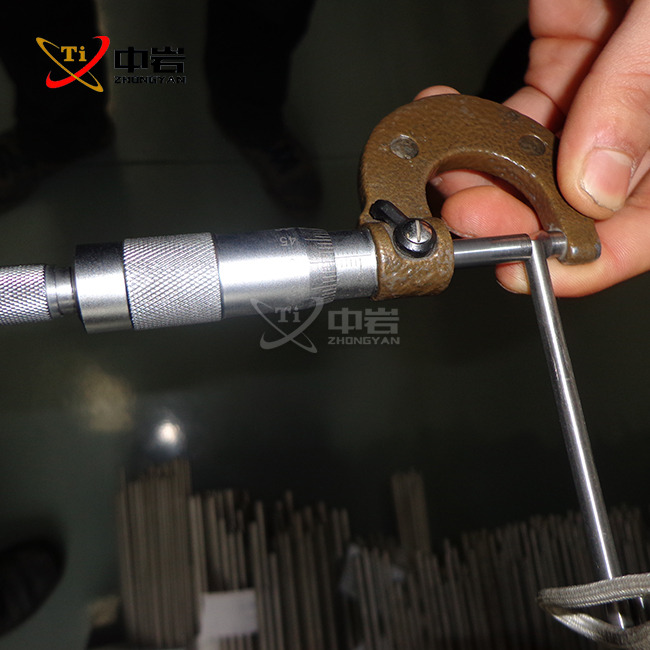
Bolts made by precision machining are more accurate in terms of size than formed ones, which is especially important for critical uses that need tight margins. The way something is made affects the surface finish, the quality of the threads, and the uniformity of the general dimensions.
Compliance with ASTM F136 guarantees the purity of materials and the uniformity of their mechanical properties, while ISO 9001:2015 approval verifies the quality systems used in manufacturing. These standards make sure that the product will work the same way in every production batch and be reliable.
Titanium Socket Head Bolt vs. Other Bolt Types: Making an Informed Decision
When you compare titanium socket head bolts to other materials, you can see that they work very differently, which changes how you figure out the total cost of ownership. Titanium screws are more expensive to buy at first than steel or stainless steel options, but the lower costs over their lifetime often make the extra cost worth it.
Performance Comparison with Alternative Materials
Stainless steel nuts are less expensive at first and don't rust. However, they are heavier and don't have as good of a strength-to-weight ratio. Titanium is more resistant to chloride-induced corrosion in marine settings than types of stainless steel that are usually used for fasteners.
Aluminum nuts are lighter than other materials, but they aren't strong enough for high-stress situations. Titanium has the weight advantages of aluminum and the strength qualities that are similar to steel. This makes it the perfect material for demanding uses.
Carbon steel screws are very strong and don't cost much, but they need to be coated to keep them from rusting. In tough settings, coating degradation causes early failure, but titanium's natural resistance to rust takes away this worry.
Cost-Benefit Analysis Considerations
The total cost of ownership must be calculated by adding up the initial purchase price, the cost of installation, the cost of upkeep, and the number of times the item needs to be replaced. Titanium's longer service life often makes up for its higher original cost by requiring less upkeep and replacement.
In aerospace uses, where every gram affects fuel use and payload capability, lowering weight leads to lower running costs. In these situations, the measurable value of weight loss often explains titanium's higher price.
Application-Specific Performance Advantages
Titanium's high strength-to-weight ratio and resistance to high temperatures make it useful in aerospace applications where it needs to work reliably in harsh circumstances. The fact that the material is not magnetic makes it very useful for installing tracking and transmission gear.
Titanium's biocompatibility and resistance to rust in body fluids make it useful for medical devices. Because the material is biologically inert and has a history of safety, it is the best choice for implantable devices and surgical tools.
Titanium is used in industrial tools because it doesn't rust or wear down easily when exposed to chemicals or mechanical forces. The material's ability to keep its shape even when heated and cooled many times stops joints from coming loose and keeps the unit together.
How to Procure Custom Socket Head Titanium Bolts Efficiently
To get custom socket head titanium bolts quickly and easily, you need to carefully evaluate suppliers, create detailed specifications, and use smart buying methods. The first and most important step in this process is to find qualified makers with proven titanium processing skills.
Supplier Evaluation and Qualification
When judging a manufacturer, you should look at how much experience they have with handling titanium, how well their quality system is certified, and how well they can make things. Companies in China's Titanium Valley, like Zhongyan Titanium, use the area's better resources and advanced processing skills to make unique solutions of the highest quality.
When figuring out production capacity, you need to look at both standard manufacturing skills and unique modification skills. The availability of OEM and ODM services lets providers meet specific needs while keeping prices and lead times affordable.
Quality certifications like ISO 9001:2015, ASTM compliance, and approvals specific to the industry give customers trust in the stability of the manufacturing process and the dependability of the products. These certifications show that you are dedicated to quality management and methods for ongoing growth.
Technical Specification Development
For RFQ development to be complete, there must be precise measurement models, material specs, number needs, and delivery dates. Making sure that performance needs and environmental conditions are clearly communicated helps providers suggest the best options and find ways to make the design better.
Specifications for surface cleaning should include standards for protecting against corrosion, looking good, and working well. Anodizing, passivation, and special finishes are some of the options that can improve performance for certain uses.
To make sure that products meet performance standards, testing and review rules must be made clear. It is best to set clear standards for certification documents up front so that the approval and qualification processes don't take too long.
Lead Time and MOQ Considerations
Custom titanium bolts usually take 4 to 6 weeks to make, but this depends on how complicated they are and how many you need. Getting involved with sources early on helps with better planning of production and optimizing schedules for meeting important project deadlines.
The minimum order quantity varies from manufacturer to manufacturer, but it's usually between 100 and 1000 pieces, based on how complicated the customization is. Finding the right balance between the costs of goods and the benefits of buying in bulk requires a thorough look at how the items will be used and how much space they will take up.
Ensuring Long-Term Success with Custom Socket Head Titanium Bolts
For custom socket head titanium nuts to work well and last as long as possible, they need to be installed correctly, maintained regularly, and partnered with key suppliers. When put together, these factors give the best return on investment with the fewest business delays.
Installation Best Practices
Applying the right amount of force is still very important for getting the right setup and keeping fasteners from breaking. Because titanium has a lower modulus of elasticity, it needs torque values that are about 70–80% of steel's similar requirements to reach the same preload levels without the material giving way.
Using an anti-seize compound stops galling during fitting and makes it easier to remove later when upkeep is needed. Molybdenum disulfide or special compounds that are suitable with titanium can effectively protect against the cold welding habits that come with titanium materials.
Verifying the thread's engagement makes sure that it builds up enough strength without becoming too engaged, which can cause stress to build up and the component to fail early. For full-strength growth, the bolt usually needs to be engaged 1.5 times its width.
Maintenance and Inspection Protocols
Fastener state, joint stability, and signs of wear or corrosion should be checked on a regular basis. Titanium is very resistant to rust, but problems can be found before they affect the efficiency of operations by checking on a regular basis.
Keeping track of the times of installations, the recommended torque, and the results of inspections lets you look for trends and plan for preventative maintenance. This information helps you make the best choices about when to replace things and how to handle your inventory.
When working in difficult conditions, keeping an eye on the environment helps find things that could speed up wear and tear. By understanding these factors, you can take strategic steps to reduce their effects and change the specifications for future purchases.
Supplier Partnership Development
Long-term relationships with suppliers have benefits, such as priority scheduling for production, access to expert help, and chances to work together to improve designs. Cost savings can come from committed volume and process changes in partnerships that have been around for a while.
Suppliers like Zhongyan Titanium offer technical support that includes help with application planning, material selection, and fixing problems. This knowledge is useful for both the initial application and the ongoing work to make things better.
Warranty and service after the sale options give extra peace of mind and help for important uses. Procurement choices and risk management strategies are affected by how well you understand the help capabilities of your suppliers.
Conclusion
To choose the best Custom Socket Head Titanium Bolt, you need to carefully look at the different types of material, the bolt's dimensions, the supplier's skills, and the overall cost. Grade 5 titanium metal has a tensile strength of over 900 MPa and is very strong compared to its weight. It also resists corrosion very well in harsh settings. Some important things to look for in a selection tool are ASTM compliance, the ability to customize sizes from M3 to M20, and the manufacturing precision needed for aircraft and industry uses. A successful purchase relies on carefully screening suppliers, creating detailed specifications, and forming strategic partnerships with experienced makers who can provide OEM services and full technical support.
FAQ
What advantages do titanium socket head bolts offer over stainless steel alternatives?
When it comes to strength-to-weight ratios, titanium socket head bolts are the best. They are as strong as stainless steel but weigh about 45% less. They are very resistant to rusting in harsh settings where chloride-induced stress corrosion cracking can happen to stainless steel. Titanium is needed for medical devices and sensitive electronics purposes, where stainless steel can't meet the needs because it is biocompatible and not magnetic.
What are typical lead times for bulk custom titanium bolt orders?
The wait time for making unique socket head titanium bolts is usually between 4 and 6 weeks, but it depends on the complexity, number, and customization needs. Standard setups may be available faster, but lead times may be longer for complicated custom specs that include special threading, surface treatments, or size needs. Getting suppliers involved early on and communicating thorough specifications helps make the best use of production schedules and delivery times.
How flexible are bolt dimensions in custom titanium manufacturing?
Custom-made titanium bolts give you a lot of size options. You can choose from M3 to M20 sizes and lengths from 6mm to 150mm. Changes to the thread size, unique head setups, and special geometric features can be made based on the needs of the application. Precision in manufacturing lets you get tight specs and custom specifications that off-the-shelf goods can't offer. This makes sure that the product fits and works perfectly in unique situations.
What surface treatment options are available for custom titanium bolts?
Some surface treatments that can be used are anodizing, which makes the metal look better and prevents rust better, passivation, which protects against corrosion better, and special coatings for certain environmental needs. A layer called DLC (Diamond-Like Carbon) is very good at resisting wear and has low friction. The choice of treatment depends on the needs of the application, the surroundings, and the performance standards. Suppliers can give advice on the best treatment options for each application.
Partner with Zhongyan for Premium Custom Socket Head Titanium Bolt Solutions
Zhongyan Titanium is a reliable company that makes Custom Socket Head Titanium Bolts. They use decades of experience in precision cutting and titanium processing from China's Titanium Valley. Our full OEM and ODM services make unique solutions that meet ASTM F136 standards and have tensile strengths of more than 900 MPa for sizes M3 to M20.
We use modern CNC machining, precision grinding, and quality control methods to make sure that the products we make are always the best. Our factory is in Baoji, Shaanxi Province. Our engineering team helps with technical issues all the way through the buying process, from coming up with the first specifications to shipping and service after the sale. No matter if you need a few prototypes or a lot of them, our manufacturing skills can be scaled up or down to meet the needs of any business.
Quality certificates, such as ISO 9001:2015, and thorough testing of all materials make sure that products are reliable and work consistently. Contact our purchasing experts at sales@titaniumstudy.com to talk about your needs for a Custom Socket Head Titanium Bolt source and find out how our custom solutions can improve the performance of your assembly and make your operations more efficient.
References
1. Boyer, R., Welsch, G., & Collings, E.W. (2019). Materials Properties Handbook: Titanium Alloys. ASM International.
2. American Society for Testing and Materials. (2020). ASTM F136-13 Standard Specification for Wrought Titanium-6Aluminum-4Vanadium ELI Alloy for Surgical Implant Applications. ASTM International.
3. Leyens, C., & Peters, M. (2018). Titanium and Titanium Alloys: Fundamentals and Applications. Wiley-VCH.
4. Aerospace Material Specification. (2019). AMS 4928M - Titanium Alloy Bars and Forgings 6Al-4V Annealed. SAE International.
5. Donachie, M.J. (2021). Titanium: A Technical Guide, Second Edition. ASM International.
6. International Organization for Standardization. (2018). ISO 898-1:2013 Mechanical properties of fasteners made of carbon steel and alloy steel. ISO Publications.
Learn about our latest products and discounts through SMS or email