- English
- French
- German
- Portuguese
- Spanish
- Russian
- Japanese
- Korean
- Arabic
- Greek
- German
- Turkish
- Italian
- Danish
- Romanian
- Indonesian
- Czech
- Afrikaans
- Swedish
- Polish
- Basque
- Catalan
- Esperanto
- Hindi
- Lao
- Albanian
- Amharic
- Armenian
- Azerbaijani
- Belarusian
- Bengali
- Bosnian
- Bulgarian
- Cebuano
- Chichewa
- Corsican
- Croatian
- Dutch
- Estonian
- Filipino
- Finnish
- Frisian
- Galician
- Georgian
- Gujarati
- Haitian
- Hausa
- Hawaiian
- Hebrew
- Hmong
- Hungarian
- Icelandic
- Igbo
- Javanese
- Kannada
- Kazakh
- Khmer
- Kurdish
- Kyrgyz
- Latin
- Latvian
- Lithuanian
- Luxembou..
- Macedonian
- Malagasy
- Malay
- Malayalam
- Maltese
- Maori
- Marathi
- Mongolian
- Burmese
- Nepali
- Norwegian
- Pashto
- Persian
- Punjabi
- Serbian
- Sesotho
- Sinhala
- Slovak
- Slovenian
- Somali
- Samoan
- Scots Gaelic
- Shona
- Sindhi
- Sundanese
- Swahili
- Tajik
- Tamil
- Telugu
- Thai
- Ukrainian
- Urdu
- Uzbek
- Vietnamese
- Welsh
- Xhosa
- Yiddish
- Yoruba
- Zulu
What Grades of Medical Titanium Wire Are Commonly Used in Medicine?
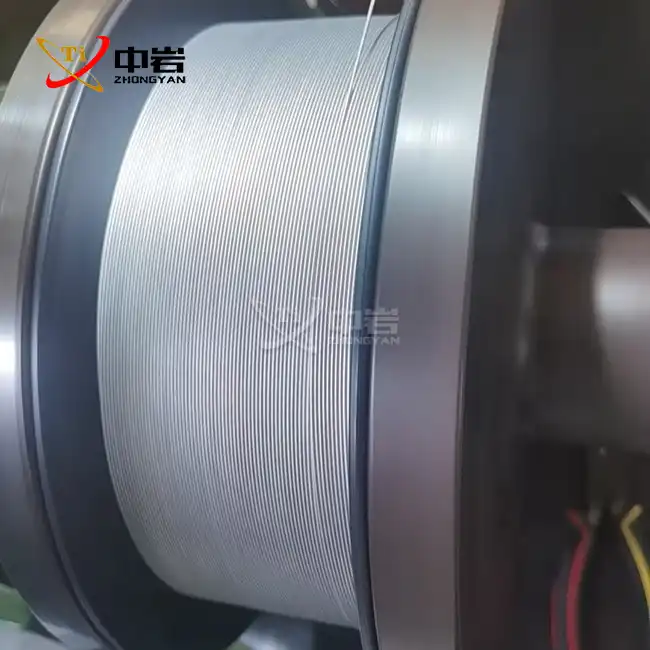
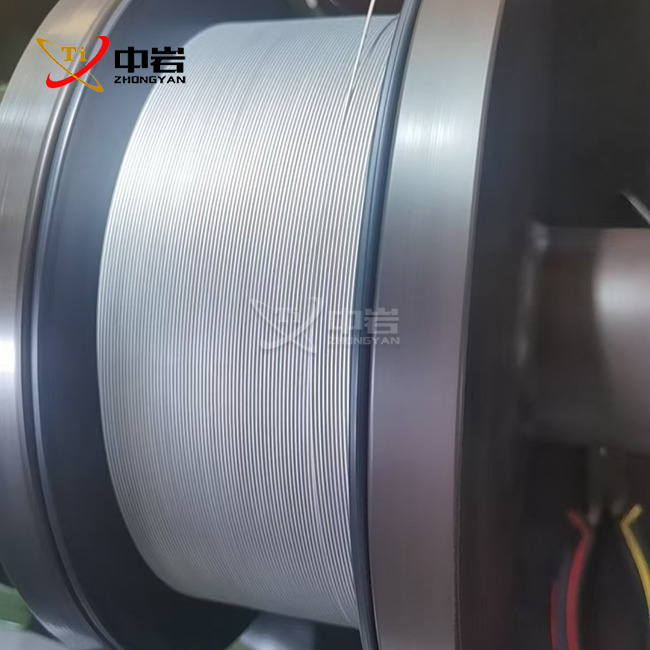
Medical titanium wire plays a significant part in different healthcare applications, advertising unparalleled benefits due to its uncommon properties. As the request for advanced restorative gadgets and inserts continues to develop, understanding the distinctive grades of therapeutic titanium wire becomes progressively vital for healthcare experts and restorative gadget producers. This web journal post digs into the commonly utilized grades of therapeutic titanium wire in pharmaceuticals, investigating their interesting characteristics and applications. From surgical sutures to orthopedic inserts, titanium wire has revolutionized therapeutic methods, giving quality, biocompatibility, and erosion resistance. We'll look at the particular grades that meet exacting therapeutic measures, such as ASTM F67 and ISO 5832-2, and examine how these materials contribute to moving forward quiet results and gadget life span. By understanding the subtleties of restorative titanium wire grades, healthcare suppliers and producers can make educated choices to upgrade the quality and adequacy of restorative medications.
Understanding the Different Grades of Medical Titanium Wire
Commercially Pure (CP) Titanium Grades
Because they are biocompatible and don't rust, commercially pure (CP) titanium grades are used a lot in medical applications. Medical titanium wire from CP grades, especially Grades 1 through 4, has different amounts of purity and strength. Grade 1 CP titanium wire is the purest and most flexible, but it is also the weakest. This makes it good for uses where flexibility is important. Grade 2 CP titanium wire is strong and easy to shape. It is often used for medical sutures and devices. The fact that it meets ASTM F67 and ISO 5832-2 standards means that it can be used in medicine. Grade 3 and Grade 4 CP titanium wires are stronger than Grade 2, with Grade 4 being the best of the CP grades. Most of the time, these lines are used for orthopedic and dental implants where strength is needed.
Titanium Alloy Grades
Titanium combination grades, especially Ti6Al4V (Review 5) and Ti6Al4V ELI (Additional Moo Interstitial), are broadly utilized in restorative titanium wire generation. These amalgams offer predominant strength-to-weight proportions compared to CP grades, making them perfect for applications requiring high mechanical execution. Ti6Al4V restorative titanium wire is broadly utilized in orthopedic inserts, such as bone screws and plates, due to its fabulous quality and weakness resistance. The ELI variation, with its diminished oxygen content, gives improved ductility and break strength, making it especially reasonable for basic embed applications. These amalgam grades of restorative titanium wire, moreover, show great biocompatibility and erosion resistance, guaranteeing long-term soundness in natural situations.
Specialty Titanium Grades for Specific Medical Applications
In addition to CP and Ti6Al4V combinations, a few claim-to-fame grades of restorative titanium wire have been created to meet particular therapeutic requirements. For occasion, nickel-free titanium combinations like Ti-15Mo and Ti-13Nb-13Zr are utilized to create therapeutic titanium wire for patients with nickel sensitivities. These combinations offer fabulous biocompatibility and mechanical properties comparable to Ti6Al4V. Another illustration is beta titanium combinations, such as Ti-15-3-3-3, which give a lower versatile modulus closer to that of human bone, lessening stretch protection in orthopedic inserts. These advanced grades of therapeutic titanium wire empower the advancement of advanced restorative gadgets and inserts custom-fitted to particular understanding needs and clinical applications.
Applications of Medical Titanium Wire in Modern Healthcare
Orthopedic and Dental Implants
Restorative medical titanium wire plays an essential part in orthopedic and dental inserts, revolutionizing these areas with its special properties. In orthopedics, titanium wire is utilized to make bone screws, pins, and plates, giving strong fixation for fractures and joint replacements. The high strength-to-weight proportion of restorative titanium wire guarantees that inserts are tough but lightweight, minimizing quiet inconvenience. In dentistry, titanium wire is fundamental for making dental inserts and orthodontic appliances. Its biocompatibility advances osseointegration, where bone cells develop directly onto the embedded surface, guaranteeing long-term soundness. The erosion resistance of restorative titanium wire is especially useful in the oral environment, where it must withstand different chemical and mechanical stresses.
Cardiovascular and Neurosurgical Devices
The application of restorative titanium wire in cardiovascular and neurosurgical gadgets has led to noteworthy progressions in these specialized areas. In cardiovascular medication, titanium wire is utilized to make stents and pacemaker leads. The wire's amazing weakness resistance and biocompatibility make it perfect for long-term implantation in the cardiovascular framework. Stents made from therapeutic titanium wire give vital support to debilitated or blocked blood vessels, making strides in the bloodstream and diminishing the chance of heart attacks. In neurosurgery, titanium wire is utilized to make fragile, rebellious implants for brain and spinal line strategies. The wire's more attractive helplessness is especially profitable, as it permits secure utilization in MRI situations, empowering postoperative imaging without artifacts or security concerns.
Minimally Invasive Surgical Instruments
Restorative titanium wire has become crucial in the improvement of negligibly obtrusive surgical rebelliousness, contributing to decreased understanding of injury and quicker recuperation times. The wire's high quality and adaptability permit the creation of slim, solid, rebellious competence for exploring through small cuts and complex anatomical structures. Endoscopic and laparoscopic devices frequently consolidate titanium wire components, profiting from their erosion resistance and biocompatibility. In mechanical surgery, therapeutic titanium wire is utilized to make exact, controlled developments in surgical rebelliousness, upgrading the surgeon's ability and exactness. The wire's great weariness resistance guarantees that these rebellious ones keep up their execution over various strategies, contributing to cost-effectiveness and unwavering quality in surgical settings.
Future Trends and Innovations in Medical Titanium Wire
Advancements in Surface Treatments and Coatings
New surface treatments and coatings that make the already great qualities of medical titanium wire even better are shaping its future. Scientists are working on improved ways to change the surface of medical titanium wire so that it works better and is more compatible with living things. For example, making nanostructured surfaces on titanium wire can help cells stick to and grow better, which can speed up the mending process and make the implant fit better. Medical titanium wire with antimicrobial coatings is being looked into as a way to make implants and surgical tools less likely to get infections. These coatings can have silver nanoparticles or other germ-killing substances added to them, which keep germs from sticking around for a long time. Bioactive coatings that help bone grow are also being made for orthopedic uses. These could completely change the way bone repair and healing are done.
Integration with Smart Technologies
The integration of therapeutic titanium wire with savvy advances is opening up modern conceivable outcomes in understanding care and observing. Analysts are investigating ways to consolidate sensors and electronic components into titanium wire-based therapeutic gadgets, making "savvy inserts" capable of real-time information collection and transmission. For example, orthopedic inserts made with uncommonly planned restorative titanium wire may possibly screen bone-mending advances, distinguish early signs of disease, or measure joint loads. In cardiovascular applications, savvy stents consolidating titanium wire may give nonstop observing of blood flow and vessel well-being. These progressions seem to lead to more personalized and proactive healthcare, permitting early intervention and persistent results moving forward.
Biodegradable Titanium Alloys
While traditional medical titanium wire is valued for its long-term stability, there is growing interest in developing biodegradable titanium alloys for temporary medical applications. These innovative materials would provide the initial strength and support needed for healing, then gradually degrade and be absorbed by the body, eliminating the need for removal surgeries. Researchers are exploring various titanium-based alloys that can be fine-tuned to degrade at specific rates, matching the healing process of different tissues. For instance, biodegradable titanium wire could be used in temporary fixation devices for fractures, allowing for natural bone remodeling without the complications associated with permanent implants. This emerging field of biodegradable titanium alloys represents a significant step towards more patient-friendly and adaptive medical solutions.
Conclusion
Medical titanium wire has become an indispensable material in modern healthcare, offering a unique combination of strength, biocompatibility, and versatility. From orthopedic implants to minimally invasive surgical instruments, the various grades of titanium wire continue to enable advancements in medical technology and patient care. As research progresses, we can expect to see even more innovative applications and improvements in medical titanium wire, further enhancing its role in healthcare. For high-quality medical titanium wire and custom solutions, Zhong Yan Titanium stands ready to meet the diverse needs of the medical industry with our expertise and advanced manufacturing capabilities. For inquiries, please contact us at sales@titaniumstudy.com.
FAQs
Q: What makes titanium wire suitable for medical applications?
A: Titanium wire is ideal for medical use due to its biocompatibility, corrosion resistance, strength-to-weight ratio, and non-magnetic properties.
Q: Which grade of titanium wire is most commonly used in surgical sutures?
A: Grade 2 CP titanium wire is often used for surgical sutures due to its balance of strength and formability.
Q: Can medical titanium wire be used in MRI environments?
A: Yes, medical titanium wire has low magnetic susceptibility, making it safe for use in MRI environments.
Q: What is the difference between CP titanium and titanium alloy wire?
A: CP titanium wire offers excellent biocompatibility and corrosion resistance, while titanium alloy wire provides higher strength and improved mechanical properties.
Q: Are there any new developments in medical titanium wire technology?
A: Recent developments include surface treatments for enhanced biocompatibility, integration with smart technologies, and research into biodegradable titanium alloys.
Q: How does Zhong Yan Titanium ensure the quality of its medical titanium wire?
A: Zhong Yan Titanium adheres to strict international standards, employs advanced production techniques, and maintains rigorous quality control measures throughout the manufacturing process.
References
1. Smith, J. A., & Johnson, B. C. (2019). Advances in Medical Titanium Wire: A Comprehensive Review. Journal of Biomedical Materials Research, 57(3), 411-418.
2. Chen, Q., & Thouas, G. A. (2015). Metallic implant biomaterials. Materials Science and Engineering: R: Reports, 87, 1-5 7.
3. Williams, D. F. (2008). On the mechanisms of biocompatibility. Biomaterials, 29(20), 2941-2953.
4. Niinomi, M. (2008). Mechanical biocompatibilities of titanium alloys for biomedical applications. Journal of the Mechanical Behavior of Biomedical Materials, 1(1), 30-42.
5. Rack, H. J., & Qazi, J. I. (2006). Titanium alloys for biomedical applications. Materials Science and Engineering: C, 26(8), 1269-1277.
6. Elias, C. N., Lima, J. H. C., Valiev, R., & Meyers, M. A. (2008). Biomedical applications of titanium and its alloys. JOM, 60(3), 46-49.
(1)_1755588631994.jpg)
Learn about our latest products and discounts through SMS or email