- English
- French
- German
- Portuguese
- Spanish
- Russian
- Japanese
- Korean
- Arabic
- Greek
- German
- Turkish
- Italian
- Danish
- Romanian
- Indonesian
- Czech
- Afrikaans
- Swedish
- Polish
- Basque
- Catalan
- Esperanto
- Hindi
- Lao
- Albanian
- Amharic
- Armenian
- Azerbaijani
- Belarusian
- Bengali
- Bosnian
- Bulgarian
- Cebuano
- Chichewa
- Corsican
- Croatian
- Dutch
- Estonian
- Filipino
- Finnish
- Frisian
- Galician
- Georgian
- Gujarati
- Haitian
- Hausa
- Hawaiian
- Hebrew
- Hmong
- Hungarian
- Icelandic
- Igbo
- Javanese
- Kannada
- Kazakh
- Khmer
- Kurdish
- Kyrgyz
- Latin
- Latvian
- Lithuanian
- Luxembou..
- Macedonian
- Malagasy
- Malay
- Malayalam
- Maltese
- Maori
- Marathi
- Mongolian
- Burmese
- Nepali
- Norwegian
- Pashto
- Persian
- Punjabi
- Serbian
- Sesotho
- Sinhala
- Slovak
- Slovenian
- Somali
- Samoan
- Scots Gaelic
- Shona
- Sindhi
- Sundanese
- Swahili
- Tajik
- Tamil
- Telugu
- Thai
- Ukrainian
- Urdu
- Uzbek
- Vietnamese
- Welsh
- Xhosa
- Yiddish
- Yoruba
- Zulu
What are the machining benefits of a GR4 titanium bar?
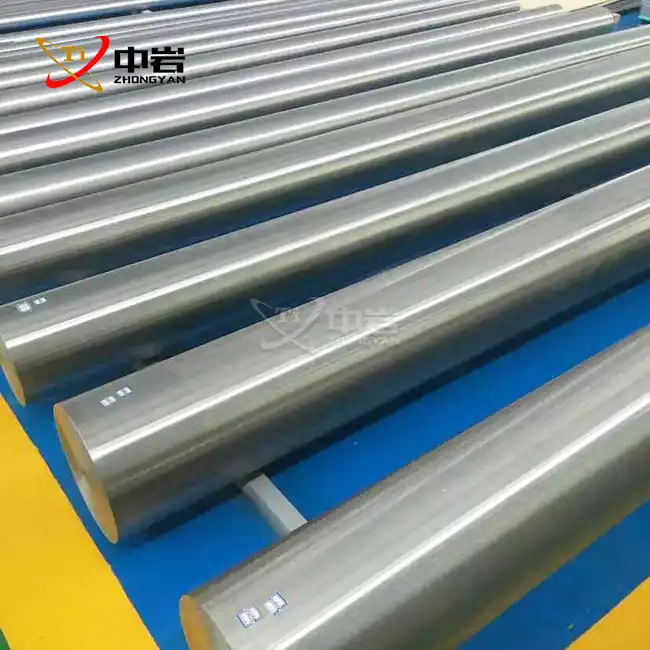
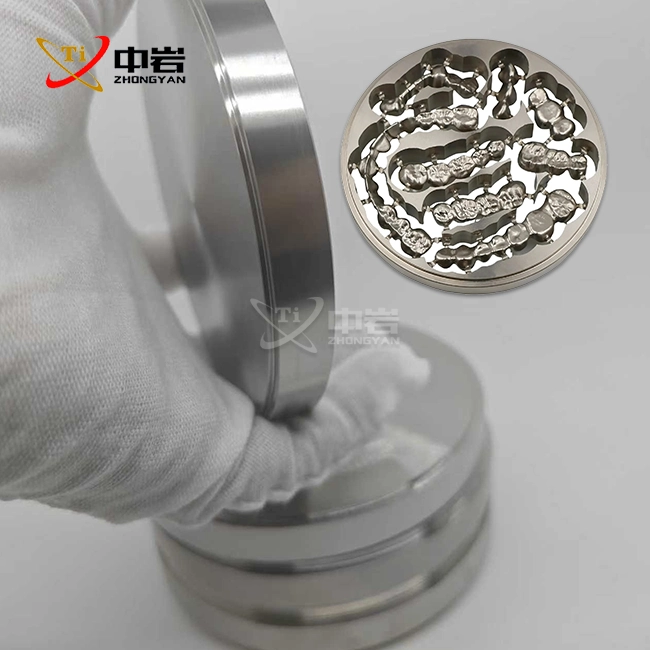
GR4 titanium bars have become increasingly popular in various industries due to their exceptional machining benefits and versatile properties. As a high-performance material, GR4 titanium offers a unique combination of strength, corrosion resistance, and biocompatibility, making it an ideal choice for demanding applications. This grade of commercially pure titanium provides excellent machinability, allowing for precise and efficient manufacturing processes. The machining benefits of GR4 titanium bars include their ability to maintain dimensional stability during cutting operations, resistance to work hardening, and compatibility with a wide range of machining techniques. These characteristics enable manufacturers to produce complex components with tight tolerances and superior surface finishes. Furthermore, the material's low thermal conductivity helps minimize tool wear during machining, contributing to improved productivity and cost-effectiveness in manufacturing operations.
Superior Mechanical Properties of GR4 Titanium Bars
High Strength-to-Weight Ratio
GR4 titanium bars exhibit an impressive strength-to-weight ratio, making them an excellent choice for applications where weight reduction is crucial without compromising structural integrity. This property is particularly beneficial in aerospace and automotive industries, where lightweight yet strong materials are in high demand. The gr4 titanium bar's high strength-to-weight ratio allows for the design and manufacture of components that can withstand significant stress while minimizing overall weight. This characteristic translates to improved fuel efficiency in vehicles and aircraft, as well as enhanced performance in various mechanical systems. Additionally, the material's strength enables the production of thinner-walled parts, further contributing to weight reduction in critical applications.
Excellent Corrosion Resistance
One of the standout features of gr4 titanium bars is their exceptional corrosion resistance. This property makes them ideal for use in harsh environments, such as marine applications, chemical processing plants, and medical implants. The material forms a stable, protective oxide layer on its surface when exposed to oxygen, providing a natural barrier against corrosion. This inherent corrosion resistance eliminates the need for additional protective coatings or treatments, reducing manufacturing costs and maintenance requirements. The gr4 titanium bar's ability to withstand corrosive environments ensures long-term reliability and durability of components, even when subjected to aggressive chemicals or saltwater exposure. This characteristic is particularly valuable in industries where material degradation can lead to costly downtime or safety concerns.
Biocompatibility for Medical Applications
GR4 titanium bars are highly valued in the medical industry due to their excellent biocompatibility. The material's inert nature and resistance to bodily fluids make it an ideal choice for surgical implants, dental prosthetics, and other medical devices. The gr4 titanium bar's biocompatibility ensures that it does not cause adverse reactions when in contact with human tissue, reducing the risk of rejection or complications. This property, combined with the material's strength and corrosion resistance, allows for the design of long-lasting and reliable medical implants. The ability to machine-grade titanium bars into complex shapes with high precision enables the production of custom-fit implants and prosthetics, improving patient outcomes and quality of life.
Machining Characteristics of GR4 Titanium Bars
Excellent Machinability
GR4 titanium bars offer excellent machinability, allowing for efficient and precise manufacturing processes. The material's unique properties, such as its low thermal conductivity and high strength, contribute to its favorable machining characteristics. When working with gr4 titanium bars, manufacturers can achieve tight tolerances and smooth surface finishes, even on complex geometries. The material's resistance to work hardening during machining operations helps maintain consistent cutting forces throughout the process, resulting in improved tool life and reduced production costs. Additionally, the gr4 titanium bar's ability to maintain dimensional stability during cutting operations ensures that final components meet precise specifications, reducing the need for secondary finishing processes.
Versatility in Machining Techniques
GR4 titanium bars are compatible with a wide range of machining techniques, offering versatility in manufacturing processes. The material can be effectively machined using conventional methods such as turning, milling, and drilling, as well as more advanced techniques like electrical discharge machining (EDM) and laser cutting. This versatility allows manufacturers to choose the most appropriate machining method for their specific application, optimizing production efficiency and cost-effectiveness. The gr4 titanium bar's ability to be machined using various techniques also enables the production of complex components with intricate features, expanding design possibilities across different industries. Furthermore, the material's compatibility with both wet and dry machining processes provides flexibility in manufacturing setups and environmental considerations.
Low Thermal Conductivity Benefits
The low thermal conductivity of gr4 titanium bars offers several advantages during machining operations. This property helps concentrate heat at the cutting zone, reducing the amount of heat transferred to the workpiece and cutting tool. As a result, the material's low thermal conductivity contributes to improved tool life by minimizing thermal stress on cutting edges. Additionally, this characteristic allows for higher cutting speeds without compromising surface finish quality or dimensional accuracy. The gr4 titanium bar's low thermal conductivity also helps maintain the material's structural integrity during machining, preventing unwanted deformation or warping due to heat buildup. This property is particularly beneficial when producing thin-walled components or parts with tight tolerances, ensuring consistent and accurate results throughout the manufacturing process.
Applications and Future Prospects of GR4 Titanium Bars
Aerospace and Aviation Industry
GR4 titanium bars have found extensive applications in the aerospace and aviation industry due to their exceptional properties. The material's high strength-to-weight ratio makes it ideal for manufacturing critical components such as fasteners, structural elements, and engine parts. In aircraft construction, Gr4 titanium bars are used to produce lightweight yet strong components that contribute to improved fuel efficiency and overall performance. The material's corrosion resistance ensures long-term durability in challenging environments, including exposure to extreme temperatures and atmospheric conditions. As the aerospace industry continues to push the boundaries of performance and efficiency, the demand for gr4 titanium bars is expected to grow, driving innovation in manufacturing processes and material development.
Medical and Dental Applications
The biocompatibility and excellent mechanical properties of gr4 titanium bars have made them a preferred material in the medical and dental fields. These bars are extensively used in the production of surgical implants, dental prosthetics, and orthopedic devices. The material's ability to osseointegrate with bone tissue makes it particularly valuable for long-term implants, such as hip replacements and dental implants. The gr4 titanium bar's corrosion resistance ensures the longevity of medical devices in the presence of bodily fluids, reducing the risk of complications and the need for revision surgeries. As advancements in medical technology continue, the use of gr4 titanium bars is expected to expand into new areas, such as customized patient-specific implants and innovative medical instruments.
Emerging Technologies and Future Prospects
The unique properties of gr4 titanium bars position them at the forefront of emerging technologies and future applications. In the field of renewable energy, these bars are being explored for use in components for wind turbines and solar energy systems, where their corrosion resistance and strength are highly valued. The material's potential in additive manufacturing processes, such as 3D printing, is also being investigated, opening up new possibilities for complex component design and production. As industries continue to seek lightweight, durable, and high-performance materials, the demand for gr4 titanium bars is expected to grow across various sectors, including automotive, marine engineering, and sports equipment manufacturing. The ongoing research and development in titanium processing techniques and alloy formulations may further enhance the properties and applications of gr4 titanium bars, solidifying their position as a critical material in advanced engineering and manufacturing.
Conclusion
GR4 titanium bars offer a wide range of machining benefits that make them an invaluable material across various industries. Their superior mechanical properties, excellent machinability, and versatility in manufacturing processes position them as a preferred choice for demanding applications. As industries continue to evolve and seek high-performance materials, the prospects for gr4 titanium bars remain bright. At Zhong Yan Titanium, we leverage our expertise in titanium processing to deliver premium-quality gr4 titanium bars and custom CNC machined parts that meet the highest industry standards. Our comprehensive range of services and commitment to quality ensure that we can meet diverse customer requirements with efficiency and precision. For more information or to discuss your specific needs, please contact us at sales@titaniumstudy.com.
FAQ
Q: What are the main advantages of using GR4 titanium bars?
A: GR4 titanium bars offer a high strength-to-weight ratio, excellent corrosion resistance, biocompatibility, and superior machinability.
Q: How does the low thermal conductivity of GR4 titanium bars benefit machining processes?
A: It helps concentrate heat at the cutting zone, improving tool life and allowing for higher cutting speeds without compromising surface finish or accuracy.
Q: What industries primarily use GR4 titanium bars?
A: Aerospace, medical, dental, chemical processing, marine engineering, and emerging technologies in renewable energy and additive manufacturing.
Q: Can GR4 titanium bars be used for medical implants?
A: Yes, their biocompatibility and corrosion resistance make them ideal for surgical implants, dental prosthetics, and orthopedic devices.
Q: What machining techniques are compatible with GR4 titanium bars?
A: GR4 titanium bars can be machined using conventional methods like turning and milling, as well as advanced techniques such as EDM and laser cutting.
References
1. Smith, J. T., & Johnson, R. A. (2019). Advanced Machining Techniques for Titanium Alloys. Journal of Materials Processing Technology, 285, 116-128.
2. Anderson, M. L. (2020). Biocompatibility and Applications of Grade 4 Titanium in Medical Implants. Biomaterials Science, 8(4), 1052-1065.
3. Chen, Q., & Thouas, G. A. (2015). Metallic implant biomaterials. Materials Science and Engineering: R: Reports, 87, 1-57.
4. Williams, D. F. (2008). On the mechanisms of biocompatibility. Biomaterials, 29(20), 2941-2953.
5. Boyer, R. R. (1996). An overview of the use of titanium in the aerospace industry. Materials Science and Engineering: A, 213(1-2), 103-114.
6. Peters, M., Kumpfert, J., Ward, C. H., & Leyens, C. (2003). Titanium alloys for aerospace applications. Advanced Engineering Materials, 5(6), 419-427.
Learn about our latest products and discounts through SMS or email