- English
- French
- German
- Portuguese
- Spanish
- Russian
- Japanese
- Korean
- Arabic
- Greek
- German
- Turkish
- Italian
- Danish
- Romanian
- Indonesian
- Czech
- Afrikaans
- Swedish
- Polish
- Basque
- Catalan
- Esperanto
- Hindi
- Lao
- Albanian
- Amharic
- Armenian
- Azerbaijani
- Belarusian
- Bengali
- Bosnian
- Bulgarian
- Cebuano
- Chichewa
- Corsican
- Croatian
- Dutch
- Estonian
- Filipino
- Finnish
- Frisian
- Galician
- Georgian
- Gujarati
- Haitian
- Hausa
- Hawaiian
- Hebrew
- Hmong
- Hungarian
- Icelandic
- Igbo
- Javanese
- Kannada
- Kazakh
- Khmer
- Kurdish
- Kyrgyz
- Latin
- Latvian
- Lithuanian
- Luxembou..
- Macedonian
- Malagasy
- Malay
- Malayalam
- Maltese
- Maori
- Marathi
- Mongolian
- Burmese
- Nepali
- Norwegian
- Pashto
- Persian
- Punjabi
- Serbian
- Sesotho
- Sinhala
- Slovak
- Slovenian
- Somali
- Samoan
- Scots Gaelic
- Shona
- Sindhi
- Sundanese
- Swahili
- Tajik
- Tamil
- Telugu
- Thai
- Ukrainian
- Urdu
- Uzbek
- Vietnamese
- Welsh
- Xhosa
- Yiddish
- Yoruba
- Zulu
What Are the Key Benefits of Using Titanium Tube-to-Tube Connectors?
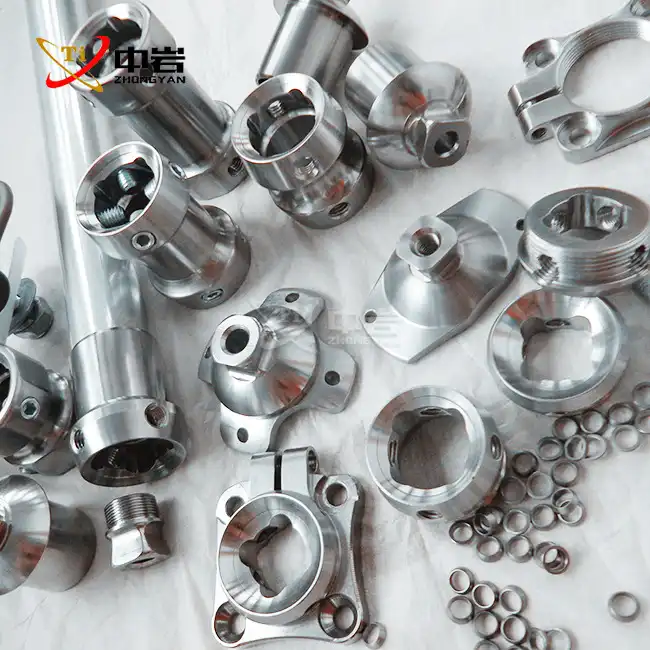
Titanium Tube-to-Tube Connectors are always the best choice when engineers and purchasing managers are looking for reliable ways to join things together in high-stakes manufacturing settings. These precision-engineered valves make links that don't leak and last a long time. They can handle harsh chemicals, high temperatures, and high pressures in places where other materials wouldn't work. Because titanium tube connections don't rust, are very strong for their weight, and last a long time, they are essential in hydraulic systems in spacecraft, chemical processing plants, medical device factories, and naval infrastructure. The specific benefits of these parts are discussed in this piece so that procurement workers can make smart choices that improve both system performance and total cost of ownership.
Understanding Titanium Tube-to-Tube Connectors
What Makes These Connectors Unique?
Titanium Tube-to-Tube Connectors are precise mechanical parts used to connect two lengths of tubes in systems for moving fluids and pipes. Titanium has amazing qualities that allow it to be used to make links that stay strong even in harsh conditions, which is not possible with regular fittings. We mostly make these connections out of commercially pure Titanium Grade 2 or high-strength Grade 5 (Ti-6Al-4V) alloy. Each has its own performance qualities that make it good for different uses.
Common Connector Types and Functions
Double-ferrule compression fittings, flare fittings, and cone-and-thread versions are the most common types. Compression-style connectors use ferrules that grip the outside of the tube as the nut tightens. This makes a mechanical seal that doesn't let vibrations or changes in temperature happen. Flare fittings have tube ends that are stretched at exact angles to fit conical connector bodies. They are perfect for situations where parts need to be put together and taken apart a lot. Welded versions offer fixed joins in systems that don't need to be taken apart and where strength is the most important factor.
Material Properties That Set Titanium Apart
Titanium has a unique set of properties when compared to options like stainless steel, aluminum, or copper. Its titanium dioxide (TiO₂) inactive layer forms on its own and protects against rust. If the surface gets damaged, it heals itself right away. Titanium is only 4.51 g/cm³ dense, which is about 56% that of steel. It is strong enough to be used in place of many steels while lowering system weight by a large amount. The material stays stable at temperatures ranging from very cold (-250°C) to very hot (400°C), keeping its structure strong where other metals would break or need expensive insulation.
Top Benefits of Using Titanium Tube-to-Tube Connectors
Knowing the exact benefits these connectors offer helps procurement teams explain the original costs of the investment and estimate how much it will be worth in the long run. These benefits are the main reasons why engineering teams choose titanium parts for important tasks.
Unmatched Corrosion Resistance in Aggressive Environments
The main benefit that makes people want to use Titanium Tube-to-Tube Connectors is that they are very resistant to corrosion. Stainless steel parts quickly split and crack when they come into contact with wet chlorine, metallic chlorides, or hypochlorites in chemical processing plants. These conditions will never hurt our titanium tube connections. When exposed to oxygen, the inactive oxide layer forms right away, making a shield that most industrial chemicals, seawater, and acidic solutions can't get through. This immunity directly leads to fewer repair plans, fewer emergency shutdowns, and no more costly early replacements that happen a lot with systems made of poor materials. This trait works well for marine and offshore uses in particular. Titanium fittings last forever in desalination plants that process saltwater 24 hours a day, seven days a week, while stainless steel fittings need to be replaced every few months. These links are perfect for underwater equipment and control umbilicals because they don't cause galvanic corrosion when they connect titanium tubes.
Better Strength-to-Weight Ratio Makes the System Work Better.
Titanium connections made from Grade 5 alloy have a tensile strength of about 895 MPa and weigh less than half as much as steel parts of the same size. This trait is very useful in aircraft hydraulic systems, where each gram affects how much fuel is used and how much weight can be carried. Aircraft landing gear actuation systems and wing flap control lines use our CNC-machined titanium connections, which can handle pressure spikes of up to 5,000 PSI while adding very little weight to the whole unit. The lighter weight also makes it easier to move around during installation and upkeep. When putting together complicated piping arrangements, technicians who work in tight areas or high places find ergonomic benefits. Not only does the lighter weight make it easier to handle, but it also lets system designers choose lighter support structures, which saves money all the way through the installation.
Longer Service Life in Harsh and Stressful Conditions
Titanium tube connections are better than other options because they can withstand repeated loads, vibration, and heat stress. Because the material is very resistant to stress, links keep their seals after millions of pressure cycles without getting harder or starting to crack. In situations where stainless steel parts need to be replaced every 3–5 years, our connectors often last longer than 20 years. This durability edge can be seen in high-performance motorsport uses. Formula racing teams choose titanium tube adapters for connecting the cooling system and turbocharger oil feeds because they know these parts will last through whole race seasons of strong shaking, heat soak, and changes in pressure without breaking. The low modulus of elasticity (103 GPa) gives it good flexibility that absorbs shock loads, and the specially hardened ferrules keep the tube grip secure even though the material is flexible.
Wide Compatibility and Compliance with Standards
Our titanium tube-to-tube connections are made in line with ASTM B381, ASME BPE, and ISO 9001:2015 standards. This makes sure that they work with foreign purchasing rules. Custom sizes from 1/4" to 2" diameter can fit a variety of tubing systems, and thread choices like NPT, BSP, and custom designs make it easy to connect to existing infrastructure, no matter what the local standards are. Concerns about sulfur stress cracking in oil and gas use are taken away by the material's natural compliance with NACE MR0175/ISO 15156 for sour service environments. Because they are not magnetic, these connectors can be used in sensitive computer settings and on certain types of boats where magnetic interference needs to be kept to a minimum. Excellent biocompatibility certifications allow use in pharmaceutical processes and the making of medical devices, where the quality of the material is essential.
Titanium Tube-to-Tube Connectors vs Competing Materials
When making procurement choices, people often have to balance the need for efficiency with the limitations of their budget. Knowing how Titanium Tube-to-Tube Connectors stack up against other materials makes it clear when the expense is the most worthwhile.
Performance Comparison with Stainless Steel
316L stainless steel is good at resisting rust in many situations, but it breaks down quickly in places with chlorides, acids, or high-temperature seas. Titanium links work much better than stainless steel ones in these situations. When Grade 5 titanium fittings are compared to stainless steel parts that are the same, the strength-to-weight benefit is clear: titanium is 56% lighter while still being just as strong. Due to its tendency to gall during assembly, stainless steel needs to be carefully torqued, and thread oils must be used. Our titanium connectors have silver-plated nuts or molybdenum disulfide (MoS₂) coats that stop cold welding. This lets you put them together and take them apart many times without the threads seizing up. This trait alone makes titanium a good choice for systems that need to be accessed for repair.
Aluminum and Copper Alternatives
Aluminum links are strong enough for low-pressure uses but not strong enough for high-pressure ones. They also rust quickly in chemical or marine settings. Copper and brass fittings are great at conducting heat, but many industrial fluids can dezincify and corrode them. Neither metal comes close to titanium when it comes to strength, resistance to rust, or temperature range.
Long-Term Value Despite Higher Initial Cost
At first, titanium parts usually cost three to five times more than stainless steel ones. Lifecycle cost study, on the other hand, shows what the real value is. When you use titanium tube connectors in a chemical processing system, you don't have to pay for replacements, system downtime, or the work that goes along with those problems that come with stainless steel installs. Titanium systems often have 40–60% lower total ownership costs over a 20-year working time, even though they cost more up front. Less frequent upkeep, no more breakdowns caused by corrosion, and longer service intervals are all strong financial reasons for buying teams that focus on quality.
Practical Installation and Procurement Considerations
To successfully set up titanium tubing systems, you need to pay attention to certain fitting methods and factors for choosing a seller.
Installation Best Practices
Preparing the tubes is the first step in a proper fitting. To get the best ferrule fitting, we suggest deburring the ends of the tubes and making sure the cuts are straight. Technicians should follow the torque steps given when tightening compression-style fittings. For the first installation, they should usually hand-tighten plus 1.25 turns. The anti-galling coats we use make tightening smooth and consistent, without the thread seizure that can happen with Titanium Tube-to-Tube Connectors that aren't coated.
Certification and Quality Assurance
Connectors that are certified to meet important foreign standards should be required by procurement specifications. We follow strict quality control procedures that meet ISO 9001:2015 standards. Material certifications can be traced back to the original mill test results. ASME BPE certification proves that the material is suitable for bioprocessing and pharmaceutical uses that need electropolished finishes and recorded cleaning processes. ASTM B381 compliance makes sure that the material's composition and mechanical features meet the requirements.
Supplier Evaluation and Order Management
There are more than just price factors that need to be considered when choosing a trustworthy titanium tube-to-tube connection maker. How well suppliers can meet volume needs and shipping dates is based on their production ability. Our factory in Baoji, China's Titanium Valley, gives us access to the raw materials and specialized processing tools we need to make precise products. When normal sizes don't work for an application, the ability to customize is important. We have OEM and ODM programs that let you choose your own sizes, thread types, and pressure levels. Due dates for projects should be taken into account when setting minimum order amounts, wait times, and payment terms. Building connections with suppliers who offer technical help, the ability to customize dimensions, and quick contact makes the buying process easier and lowers the risk of the project.
Real-World Applications and Case Studies
When you look at how titanium tube connections work in real manufacturing settings, you can see that they are useful in more ways than one.
Chemical Processing Industry Success
After multiple failures, a chlor-alkali production plant that works with brine and chlorine gas switched from stainless steel instrumentation valves to our Grade 2 Titanium Tube-to-Tube Connectors. Within 6 to 8 months, the stainless parts started to crack from stress rust, which meant they had to be replaced quickly and at a high cost. The process had to be stopped. After switching to titanium connectors, the plant had no corrosion-related failures over the next 5 years of tracking. This meant that there was no unexpected downtime, and the annual cost of upkeep dropped by 73%.
Aerospace Hydraulic System Reliability
A company that makes business airplanes puts our Grade 5 titanium tube connections into the hydraulic systems for the next generation of landing gear. The lighter weight helped the plane reach its total efficiency goals, and the strength and resistance to fatigue made sure it would work reliably for hundreds of thousands of landing rounds. Testing under pressure showed that it worked without any leaks at 10,000 PSI working pressure, with safety factors that were higher than what was required by design. The connectors' ability to withstand the chemical makeup of hydraulic fluids and high temperatures (-40°C to 200°C) took away worries about degradation that came with older metal fitting designs.
Custom OEM Solutions for Specialized Applications
Chemical vapor deposition systems needed ultra-high-purity fluid delivery lines from a company that makes semiconductor equipment. Standard fittings weren't able to meet all of the needs, including being resistant to rust, producing few particles, and working with strong precursor chemicals. We made special titanium tube fittings with electropolished internal areas that have a 10 Ra finish. They were made in a cleanroom to keep them from getting contaminated. The special threading link worked with their own tubing system, and certificates of the materials showed that they met the standards of the semiconductor business. This custom approach made it possible to successfully qualify the tools and start making a lot of them.
Conclusion
Titanium Tube-to-Tube Connectors represent a smart investment for fields that need to work in tough conditions with no compromises. The high resistance to corrosion, high strength-to-weight ratio, long service life, and wide connectivity make the original costs worth it by dramatically lowering lifetime costs and system downtime. Titanium connectors are better than options made of stainless steel, aluminum, or copper in chemical processing, aircraft, medical device manufacturing, and marine settings. Choosing certified suppliers with proven manufacturing skills, customization knowledge, and quick technical help is key to a successful application. The real-life case studies show how these precision-engineered parts solve important operating problems while lowering the total cost of ownership.
FAQ
Why Choose Titanium Over Stainless Steel in Corrosive Environments?
Titanium has an inactive oxide layer that heals itself and doesn't get damaged by chlorides, acids, or salt, which are all places where stainless steel quickly pits and cracks from stress corrosion. When placed correctly, the material's resistance to galvanic rust gets rid of a common way for mixed-metal systems to fail. In almost all hostile industrial settings, Grade 2 and Grade 5 metals work better than 316L stainless steel.
Can You Customize Connector Dimensions and Specifications?
Through our OEM and ODM programs at Zhongyan, we can make a lot of changes to your order. To meet the exact needs of a project, we can make sizes outside of our normal 1/4" to 2" range, as well as threading, pressure grades, and surface treatments that are made for that particular use. Our engineering team works with clients to find unique answers to problems. Our CNC machining and quality control tools help them do this.
What Certifications Should I Request from Suppliers?
Ask for material certifications that can be linked to mill test results that prove they meet ASTM B381 standards. Getting ISO 9001:2015 approval shows that your quality control system is strict. For uses involving pressure vessels or bioprocessing, ASME BPE approval proves that the right ways of making things were used. Documentation that shows agreement with NACE MR0175 shows that it can be used for sour service in oil and gas settings. Manufacturers with a good reputation always provide all the necessary paperwork.
Partner with Zhongyan for Premium Titanium Tube-to-Tube Connector Solutions
To get high-performance, reliable tubing connections, you need to work with a Titanium Tube-to-Tube Connector maker that has both technical know-how and quality methods that have been shown to work. Zhongyan uses advanced CNC machining and strict adherence to ASTM, AMS, and ISO standards to make precision-engineered connections that meet the most exacting needs in aircraft, chemical processing, and industry. Our position in Baoji's Titanium Valley gives us direct access to high-quality raw materials and the specialized processing knowledge we've built up over decades of working with clients around the world. Our engineering team is ready to make titanium tube fittings that work best for your specific needs, whether you need standard configurations or OEM solutions that are made just for you. We keep up a high-volume production capacity and offer flexible order sizes to support projects that range from making prototypes to making the whole thing. You can talk to our team about your connector needs, get scientific information, or get a full quote by emailing sales@titaniumstudy.com. As a reliable titanium tube-to-tube connection provider, we're dedicated to providing parts that make your system more reliable while lowering its long-term costs of ownership.
References
1. Davis, J.R. (2003). Titanium: A Technical Guide. ASM International Materials Park, Ohio.
2. Schutz, R.W. and Watkins, H.B. (1998). "Recent Developments in Titanium Alloy Application in the Energy Industry," Materials Science and Engineering A, Vol. 243, pp. 305-315.
3. Donachie, M.J. (2000). Titanium: A Technical Guide, 2nd Edition. ASM International, Materials Park, Ohio.
4. Boyer, R., Welsch, G., and Collings, E.W. (1994). Materials Properties Handbook: Titanium Alloys. ASM International, Materials Park, Ohio.
5. Veeck, S. and Schulze, M. (2011). "Corrosion Resistance of Titanium and Titanium Alloys in Chemical Processing Applications," Chemical Engineering Progress, Vol. 107, No. 8, pp. 28-35.
6. Peters, M., Kumpfert, J., Ward, C.H., and Leyens, C. (2003). "Titanium Alloys for Aerospace Applications," Advanced Engineering Materials, Vol. 5, No. 6, pp. 419-427.
Learn about our latest products and discounts through SMS or email