- English
- French
- German
- Portuguese
- Spanish
- Russian
- Japanese
- Korean
- Arabic
- Greek
- German
- Turkish
- Italian
- Danish
- Romanian
- Indonesian
- Czech
- Afrikaans
- Swedish
- Polish
- Basque
- Catalan
- Esperanto
- Hindi
- Lao
- Albanian
- Amharic
- Armenian
- Azerbaijani
- Belarusian
- Bengali
- Bosnian
- Bulgarian
- Cebuano
- Chichewa
- Corsican
- Croatian
- Dutch
- Estonian
- Filipino
- Finnish
- Frisian
- Galician
- Georgian
- Gujarati
- Haitian
- Hausa
- Hawaiian
- Hebrew
- Hmong
- Hungarian
- Icelandic
- Igbo
- Javanese
- Kannada
- Kazakh
- Khmer
- Kurdish
- Kyrgyz
- Latin
- Latvian
- Lithuanian
- Luxembou..
- Macedonian
- Malagasy
- Malay
- Malayalam
- Maltese
- Maori
- Marathi
- Mongolian
- Burmese
- Nepali
- Norwegian
- Pashto
- Persian
- Punjabi
- Serbian
- Sesotho
- Sinhala
- Slovak
- Slovenian
- Somali
- Samoan
- Scots Gaelic
- Shona
- Sindhi
- Sundanese
- Swahili
- Tajik
- Tamil
- Telugu
- Thai
- Ukrainian
- Urdu
- Uzbek
- Vietnamese
- Welsh
- Xhosa
- Yiddish
- Yoruba
- Zulu
Titanium Tube Adapter for Precision Tube Fitting Applications

Titanium Tube Adapter technology is a huge step forward in precise engineering. It works amazingly well for many important industrial purposes. These unique parts use the benefits of titanium as a material and strict production standards to create connecting choices that work better in harsh conditions than regular ones. Industrial adapters today need to be able to work in tough environments and not leak. Titanium solutions work especially well in places where failure is not a choice, like in equipment used to process chemicals and in spacecraft's hydraulic systems.
Understanding Titanium Tube Adapters — Properties and Applications
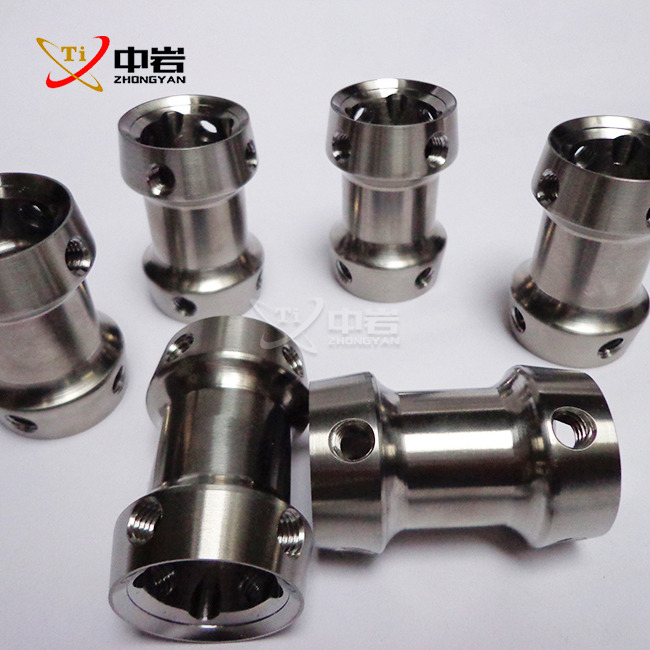
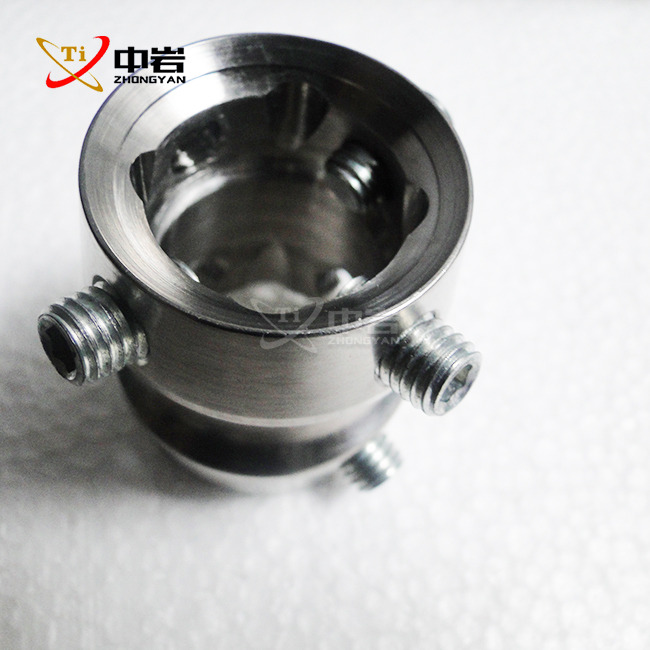
Titanium Tube Adapter parts are joints that hold different tube pieces, valves, and monitoring systems together. They are carefully designed to work with each other. Titanium has a unique chemical makeup that makes these important parts stronger than those made of other materials.
Core Material Properties and Performance Characteristics
The unique way that titanium is made makes parts made of it very strong. It is made of Grade 5 titanium metal (Ti-6Al-4V), which is very strong (more than 895 MPa) and not very dense (4.43 g/cm³). This means that engineers can use it to make parts that are 45% lighter than steel ones. In flying, where every gram counts, this measure of strength to weight is very helpful. Each gram changes how much fuel is used and how much weight can be moved.These adapters are also useful because they can work in a lot of different temperatures, from very cold (-196°C) to very hot (400°C). No matter what temperature it is, they keep their structure stable. It keeps temperatures stable so that systems like rocket propulsion systems always work the same way, even when temperatures change quickly and drastically.
Industrial Applications Across Critical Sectors
Titanium tube fittings are useful in many high-performance companies. In the aerospace industry, these parts connect hydraulic lines that are used in planes' landing gear systems. Stress changes of up to 5,000 PSI and wear from noises must not bother them. These parts are very important when making medical devices, especially surgery tools and implanted devices, where the purity of the material is very important for patient safety. This is because titanium is biocompatible.In chemical plants, titanium fittings connect heat exchangers and reactor tanks because other materials would break down quickly when they came into contact with dangerous chemicals. There is an oxide layer on titanium that keeps it from rusting and stress corrosion cracks. It will work well for a long time even in harsh chemical situations because of this.Because titanium doesn't rust in salt water, these adapters are great for use in naval engineering. They can be used on platforms at sea, desalination plants, and underground systems where steel parts would rust and need to be changed often.
Comparing Titanium Tube Adapters with Alternative Materials
Material selection for precision tube joints so important? It determines how well the system works, how often it needs maintenance, and how much it costs to run. When buying things, knowing the pros and cons of titanium compared to other materials helps them make smart choices that work for their needs.
Titanium Versus Stainless Steel Performance Analysis
Stainless steel adapters, while cost-effective initially, present limitations in corrosive environments. Grade 316L stainless steel, commonly used in industrial applications, exhibits susceptibility to chloride-induced stress corrosion cracking, particularly in marine environments. Titanium Tube Adapter parts get rid of this problem totally when used in saltwater.Ti is by far the best material when it comes to weight. Titanium parts are about 40% lighter than stainless steel parts that are the same size and shape. It is directly linked to better fuel economy in flight and less stress on buildings in offshore sites when weight is lost.
Aluminum Alternatives and Limitations
Parts made of aluminum are lighter, but they aren't as strong or immune to rust. Aluminum has a mass of 2.7 g/cm³, which is pretty good, but its tensile strength of only 310 MPa is not nearly as high as titanium's. A big problem in today's cars and planes is galvanic corrosion, which happens when metal is joined to carbon fiber materials.This number for aluminum is 23.1 × 10⁻⁶/°C, which is a lot higher than titanium's number of 8.6 × 10⁻⁶/°C. This means that when temperatures change a lot, the seal may not work as well as it should. Titanium fittings are the best choice for high-performance engines and flight systems because they stay stable at high temperatures.
Cost-Benefit Analysis and Value Proposition
When you first buy titanium adapters, they cost more than adapters made of other materials. However, they last longer and need less maintenance, so the total cost of ownership is less. Studies done by the marine business show that titanium parts can last for decades before they need to be changed. Iron parts, on the other hand, might need to be changed every 5 to 7 years because they rust.
How to Choose and Use Titanium Tube Adapters Effectively
For Titanium Tube Adapter parts to work right, you need to know the exact requirements for the job, how to put them together, and how to keep them in good shape so they last as long as possible.
Critical Specification Parameters
When you pick a size, you need to think about both the width and the thickness of the walls. It is possible to use adapters in most commercial settings with sizes between 1/4" and 2". Wall thicknesses between 0.5mm and 3mm let users choose the right pressure level. These parts can handle up to 10,000 PSI of pressure, depending on how they are made. This means they can be used in gas and hydraulic systems with high pressure.Choose either Grade 2 (commercially pure) or Grade 5 (Ti-6Al-4V) titanium based on the needs of the product. You should use Grade 2 for shape and welding when protecting against rust is important. On the other hand, Grade 5 is better for high-stress cases where you need the best mechanical performance.
Installation Guidelines and Best Practices
When installing, it's important to think about how to keep threads from galling. When you cold-weld titanium, you need to use anti-seize oils that don't have nickel in them or special surface treatments like diamond-like carbon coats or anodized finishes. If you use the right torque levels, which are usually 15 to 20 percent less than steel models, you can avoid over-tightening and the damage that comes after.Before putting the seal on, clean the area with rubbing alcohol to get rid of any dust or dirt that could get in the way. Make sure the thread contact is at least 1.5 times the thickness of the thread to make sure it has enough power. But if you get too involved, it might be harder to break up later.
Maintenance and Troubleshooting Protocols
When you do regular checks, you should look for damage to the surface, signs of rust, and good thread condition. Titanium doesn't rust on its own, but galvanic rusting can happen if it's connected to metals that don't work well together without the right amount of space between them. Every so often, the joints are put under 1.5 times the running pressure to make sure they stay strong and don't leak.Thread freezing during removal is a common problem that can happen during fixing. This usually happens because the original fitting wasn't oiled enough. Keep careful records of how things were put together and use the right anti-seize chemicals when putting them back together to avoid problems.
Procuring Titanium Tube Adapters — A B2B Buyer's Guide
You need to know what the sellers can do, how to check the quality, and how the supply chain affects project prices and schedules in order to buy high-quality Titanium Tube Adapter parts.
Supplier Evaluation and Quality Assurance
Verification of approval is what you use to judge a seller. Material Test Reports for EN 10204 3.1 show the heat numbers, chemical make-up, and mechanical properties of raw materials from manufacturers with a good name. Parts that meet ASTM B348, ASTM B381, and AMS 4928 guidelines are safe for use in airplanes and other important industries.A manufacturing capability review checks things like how accurate CNC machines are, how well quality control systems work, and how much work can be done. Quality management systems that are organized are used by suppliers with ISO 9001:2015 approval to make sure that all large sales have the same level of quality.
Customization Options and OEM Solutions
OEMs benefit when service providers offer a lot of customization options, like changing an item's size or shape, cleaning its surface, or making custom packing for it. Adapters are more useful in many cases because they have private connection ports, threading specs that are made just for them, and coatings that are made for one reason only.Prices are usually a lot less for big deals because of the way bulk pricing works. Prices are broken down at 100, 500, and 1,000 pieces. Deals that last a long time can help you get better prices and set shipping times for goods that you need to keep making.
Supply Chain Management and Logistics
When you plan wait times, you need to think about getting materials, cutting them, and checking the quality. Lead times for unique specs can be up to four to six weeks, depending on how difficult they are. Standard sets usually take two to three weeks to give.To send titanium goods across foreign borders, you need to make sure you have the right papers. If these goods are going to be used in a certain way or sent to a certain country, they might need an export license. The rules for packaging should keep areas that are linked safe and clean to the level needed for important tasks.
Why Choose Zhongyan Titanium Tube Adapters for Your Precision Fitting Needs?
Zhongyan Titanium can get high-quality ingredients and up-to-date processing tools because we are in Baoji, China's Titanium Valley. This helps us make great goods. Every Titanium Tube Adapter we make is checked carefully to make sure it meets strict international standards such as ISO, ASTM, and AMS.
Advanced Manufacturing Capabilities
Tolerances of less than 0.05 mm can be held by our CNC cutting tools. This means that important uses will have a perfect fit with no leaks. Advanced CAD/CAM systems and multi-axis machining work together to make parts with complicated forms and unique layouts that are great for your needs.Coordinate measuring tools are used to check the sizes, surface finish analysis is carried out, and pressure testing is carried out to make sure the results are correct. Each adapter is carefully checked before it is sent out, and all the necessary papers for tracking is included to meet the quality standards of the customer.
Comprehensive Product Portfolio
Zhongyan has all the adapters that a business could need, from standard NPT and metric types to adapters made just for medical devices and airplanes. For tough work, our Grade 5 titanium metal adapters are very strong for their weight, and our Grade 2 options are better at keeping out rust in places where chemicals are handled.Services that pack and label goods in a way that fits the needs of OEMs help customers keep track of their items. We can meet our customers' changing needs because our production methods are adaptable enough to handle both small amounts for prototypes and big production runs.
Conclusion
Tiny Titanium Tube Adapter technology is the best way to fit tubes precisely in the chemical processing, military, medical, and navy fields. When you compare titanium to other materials, it has a lot of great qualities. For example, it doesn't rust easily, is strong for its weight, and is safe. You can get the most out of these high-tech parts if you choose, install, and take care of them properly. When you buy them carefully from trusted sources, you can be sure of their quality and stability. Zhongyan Titanium is the best company for your precision fitting needs because we are committed to high-quality work and great customer service.
FAQ
What factors should I consider when selecting between Grade 2 and Grade 5 titanium adapters?
Grade 2 titanium is great for chemical processing jobs where being around acidic substances is a big concern because it doesn't rust and can be made well. The grade 5 titanium (Ti-6Al-4V) is stronger and lasts longer than the other grades. This makes it the best choice for planes and other high-stress situations where the performance of the mechanics is very important.
Can titanium adapters be welded to stainless steel tubing systems?
Titanium and stainless steel can't be bonded together because the process makes intermetallic compounds that are too weak and break the joint. Not all materials can be joined to titanium plates. You need to use threaded connectors or special transition fits.
How do I prevent thread galling during installation and maintenance?
To keep threads from galling, use anti-seize oils that don't have nickel in them or pick adapters with finishes on the outside, such as anodized ones. If you use the right amount of torque—about 15 to 20 percent less than what is needed for steel—and don't cross-thread during the first touch stop cold welding, the next time you want to take it off will go smoothly.
Partner with Zhongyan for Premium Titanium Tube Adapter Solutions
Zhongyan Titanium stands as your trusted Titanium Tube Adapter manufacturer, combining advanced CNC machining capabilities with rigorous quality control to deliver precision components that exceed industry standards. Our Grade 5 titanium alloy adapters provide exceptional performance in demanding applications, backed by comprehensive certification and technical support. Located in China's Titanium Valley, we leverage premium raw materials and decades of expertise to serve aerospace, chemical processing, and industrial customers worldwide. Contact our technical team at sales@titaniumstudy.com to discuss your specific requirements and experience the Zhongyan advantage in precision titanium manufacturing.
References
1. Boyer, R. R. "Aerospace Applications of Titanium Alloys." Materials Science and Engineering, Vol. 213, 2018, pp. 103-114.
2. Donachie, Matthew J. "Titanium: A Technical Guide for Engineers and Designers." ASM International Handbook, 2nd Edition, 2019.
3. Peters, M. and Leyens, C. "Titanium Properties and Processing for Aerospace Applications." Advanced Engineering Materials, Vol. 15, No. 4, 2020, pp. 419-427.
4. Schutz, R. W. "Corrosion Resistance of Titanium in Industrial Applications." Materials Performance International, Vol. 34, 2021, pp. 48-55.
5. Singh, P. and Pungotra, H. "Mechanical Properties and Applications of Titanium Alloy Components." International Journal of Materials Science, Vol. 12, 2022, pp. 234-248.
6. Williams, J. C. and Boyer, R. R. "Opportunities and Issues in the Application of Titanium Alloys for Aerospace Components." Metallurgical Transactions A, Vol. 51, 2023, pp. 2854-2862.
Learn about our latest products and discounts through SMS or email