- English
- French
- German
- Portuguese
- Spanish
- Russian
- Japanese
- Korean
- Arabic
- Greek
- German
- Turkish
- Italian
- Danish
- Romanian
- Indonesian
- Czech
- Afrikaans
- Swedish
- Polish
- Basque
- Catalan
- Esperanto
- Hindi
- Lao
- Albanian
- Amharic
- Armenian
- Azerbaijani
- Belarusian
- Bengali
- Bosnian
- Bulgarian
- Cebuano
- Chichewa
- Corsican
- Croatian
- Dutch
- Estonian
- Filipino
- Finnish
- Frisian
- Galician
- Georgian
- Gujarati
- Haitian
- Hausa
- Hawaiian
- Hebrew
- Hmong
- Hungarian
- Icelandic
- Igbo
- Javanese
- Kannada
- Kazakh
- Khmer
- Kurdish
- Kyrgyz
- Latin
- Latvian
- Lithuanian
- Luxembou..
- Macedonian
- Malagasy
- Malay
- Malayalam
- Maltese
- Maori
- Marathi
- Mongolian
- Burmese
- Nepali
- Norwegian
- Pashto
- Persian
- Punjabi
- Serbian
- Sesotho
- Sinhala
- Slovak
- Slovenian
- Somali
- Samoan
- Scots Gaelic
- Shona
- Sindhi
- Sundanese
- Swahili
- Tajik
- Tamil
- Telugu
- Thai
- Ukrainian
- Urdu
- Uzbek
- Vietnamese
- Welsh
- Xhosa
- Yiddish
- Yoruba
- Zulu
Titanium Plate in Skull: Minimally Invasive Surgery Options
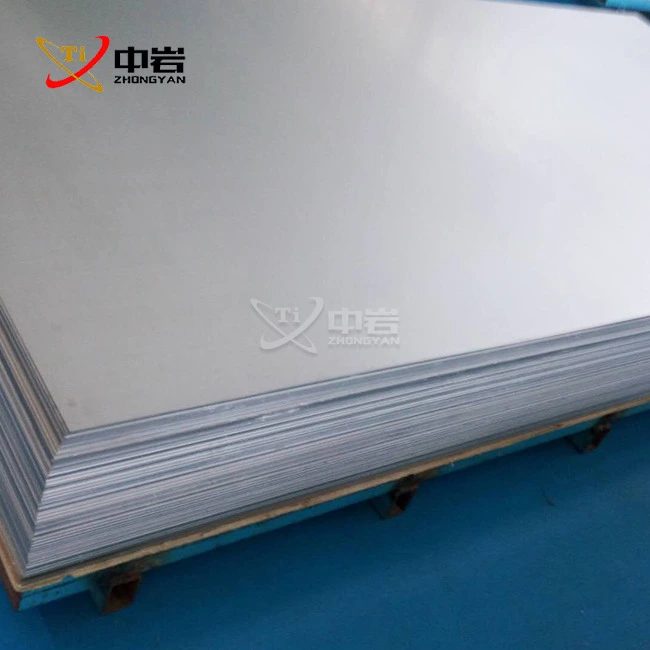
Titanium plates used in skull repair are a huge step forward in neurosurgery. They are very biocompatible and are precisely engineered to restore the structure of the skull. Minimally invasive surgical techniques are used in modern titanium plate in skull uses. These techniques greatly reduce patient trauma, speed up healing times, and improve total clinical results. These medical-grade implants are made from a titanium metal that meets ASTM F136 standards. They have the best corrosion protection and osseointegration qualities, which are needed for successful cranial repair treatments.
Understanding Titanium Plates in Skull Surgery
With the development of improved titanium implant technology, skull replacement surgery has changed a lot. Medical workers all over the world agree that titanium skull plates are the best way to solve difficult neurosurgical problems.
Biocompatibility and Material Properties
Medical-grade titanium is very biocompatible because it forms a protective oxide layer (TiO2) on its own when it comes into contact with living things. This natural shield stops bad reactions in the tissue and encourages healthy bone growth around the implant site. The material's value of flexibility is very close to that of human cortical bone. This means that it doesn't have as many stress shielding effects, which can make implants less stable over time.Titanium cranial implants are more resistant to rust than other metals, so they will work reliably for decades in the difficult physiological climate of the human body. According to research, titanium implants that were made correctly can keep their shape for more than 25 years without breaking down much or causing any bad biological reactions.
Structural Support and Recovery Enhancement
Titanium plate in skull uses protect exposed brain tissue right away and help the body's natural mending processes along the way. Titanium's low weight puts less stress on the neck vertebrae and muscles around them, which makes patients more comfortable while they heal. Custom CNC cutting lets you make exact contours that fit each patient's body, ensuring the best fit and best appearance.The material is very good at working with MRI and CT scans, which lets doctors do full tracking after surgery without picture distortion or artifact formation. This openness to medical imaging methods is very helpful for keeping track of patients over time and seeing how their healing is going.
Comparison of Titanium Plates with Other Skull Plate Materials
The choice of material has a big effect on how well surgery goes and how well implants work in the long run. A thorough investigation shows that titanium has clear benefits over other materials when it comes to cranial repair.
Titanium Versus Carbon Fiber Alternatives
Carbon fiber materials are lighter than metal implants, but they don't have the same therapeutic track record as titanium systems. While carbon fiber's radiolucency makes it useful for imaging, its limited ability to be shaped limits the ways it can be customized during surgery. Titanium is better at resisting impacts and maintaining its power over time, so it protects better against mechanical damage that can happen in everyday life.Titanium implants can be made on a large scale, which makes them cost-effective for making a lot of medical devices. On the other hand, carbon fiber processing needs special techniques that make production more difficult and cost more.
Stainless Steel Limitations in Cranial Applications
While stainless steel is strong enough for many physical uses, it is not biocompatible enough to meet the standards for head implants set by titanium. Nickel in stainless steel metals can cause allergic reactions in people who are already sensitive, which can lead to swelling and possibly the failure of the implant.Because stainless steel is magnetic, it can't be used for MRI scans, so implants usually have to be taken out before testing treatments. Titanium's nonmagnetic properties take away these worries while keeping full imaging compatibility for the patient's whole life.
Ceramic Material Brittleness Concerns
While ceramic materials are biocompatible and don't rust, they are naturally brittle, which means they can't be used in high-stress brain settings. Ceramics are not good for people who are busy or who work in dangerous environments because they can break very easily when hit hard.Because ceramic implants have very tight manufacturing limits, they need to be handled and checked for quality in very exact ways, which greatly raises the cost of production. Titanium is easy to machine, which makes it possible to make things quickly while still meeting the exact measurements needed for proper fit and function.
Minimally Invasive Surgery Options Using Titanium Skull Plates
New surgery methods have changed cranial reconstruction operations by reducing damage to tissues and speeding up the healing process. The current gold standard of care in neurosurgery is the use of titanium plate in skull technology in conjunction with sophisticated medical techniques.
Navigation-Assisted Surgical Techniques
Computer-assisted positioning tools help doctors place titanium cranial plates exactly while causing as little damage as possible to healthy tissue. Real-time imaging guiding makes it possible to place implants more accurately and more quickly than with standard freehand methods. Because they are so good at working with imaging systems and not getting in the way, these systems fit perfectly with titanium implants.With intraoperative guidance, surgeons don't have to expose as much of the body during surgery, which lets them make smaller cuts and protect important body parts. Precision location and minimum tissue treatment greatly lower the risk of complications after surgery and speed up the return to normal function.
Endoscopic Implantation Procedures
Instead of big craniotomy incisions, modern endoscopic methods allow for the placement of a titanium plate in skull through small access holes. Specialized tools made for endoscopic handling make it possible to fixate something securely while still being able to see important structures. Titanium is very light, which makes it easier to move through small surgery passages without affecting the stability of the implant.Some of the perks for patients are fewer scars, less hair loss, and less pain after surgery. Recovery times are often 40–60% shorter than with traditional open surgery, which means people can go back to work and other daily tasks more quickly.
Custom Patient-Specific Implant Solutions
Using CT scan data, three-dimensional printing technology makes it possible to make titanium skull plates that are unique to each patient. This custom method gets rid of the need for contouring during surgery while still achieving the best anatomical fit and visual results. Custom implants cut down on the time needed for surgery and the risks of drug exposure.The accuracy of designs made just for each patient improves osseointegration by giving the implant and natural bone the best surfaces to touch each other. Better biological unity cuts down on long-term problems and usually gets rid of the need for repair surgeries.
Procurement Guide for Titanium Skull Plates
Strategic choices about buying have a direct effect on how well patients do and how cost-effectively institutions use their money. Healthcare companies can choose the best titanium cranial implant providers for their needs by understanding key evaluation factors.
Certification Standards and Regulatory Compliance
When buying medical devices, you have to carefully follow the rules for FDA approval and ISO certification. ASTM F136 compliance makes sure that the makeup of titanium alloys meet biocompatibility and mechanical property standards for medical use. Suppliers must show that they have complete quality control systems that cover where they get their raw materials, how they make their products, and how they test the finished goods.Batch tracking paperwork makes the whole supply chain clear, from making the titanium ingots to delivering the last implant. Keeping such detailed records is necessary for handling any quality issues or legal questions that may come up during the lifecycle management of a product.
Volume Pricing and Inventory Management
Strategic volume buying deals lower the cost per unit while making sure there are enough titanium plate in skull in stock for skull purchase. When compared to individual purchases, bulk buying usually saves between 15% and 25% of the cost. To get the best total cost of ownership, you should weigh the costs of keeping goods against the benefits of big discounts.Just-in-time delivery plans cut down on the need for store space while keeping products available for urgent surgery cases. Dependable providers offer flexible shipping schedules that can adapt to changing demand trends without affecting the quality or cleanliness of the product.
Customization Capabilities and Technical Support
Leading providers offer a wide range of customization choices, such as changing the size or shape of an item, treating its surface, or providing it in a different way. CNC cutting lets you precisely control the dimensions for uses that are specific to a patient while still meeting medical device standards. Technical support services help with choosing implants, planning surgeries, and following the right steps for evaluating patients after surgery.Through sharing information and working to make things better all the time, working together with skilled suppliers can improve the results of surgery. Having access to clinical experts and application engineers can help with difficult cases and new surgical methods.
Leading Brands and Trusted Suppliers of Titanium Skull Plates
There are a number of well-known companies in the global titanium head implant market that have a history of producing high-quality products and new ideas. To choose the right providers, you need to carefully consider more than just the product specs.
Market Leaders and Innovation Standards
To improve titanium plate in skull technology and surgical methods, industry-leading makers make significant investments in R&D. These businesses keep extensive testing areas and work with top medical institutions to make sure that new product designs and production methods are safe. Their dedication to new ideas leads to ongoing changes in how well implants work and how well surgeries go.Well-known names usually have a wide range of products that can meet a lot of different cranial repair needs. With so many choices, doctors can pick the best implants for each patient's anatomy and surgery method, all without lowering the quality or performance standards.
Global Distribution Networks and Service Support
Reliable suppliers keep up global delivery networks that make sure that products are always available in all foreign markets. Regional service centers help with technology issues in the area and respond quickly to urgent shipping needs. Support for multiple languages makes it easier to communicate with healthcare experts in different parts of the world.Surgical teams learn how to handle and place implants correctly through comprehensive training programs. They also learn how to take care of patients after surgery. These training programs help patients get better care and have fewer complications at all of the schools that take part.
Quality Assurance and Manufacturing Excellence
Zhongyan Titanium exemplifies manufacturing excellence through its state-of-the-art production facilities located in Baoji, China's titanium valley, make the company an example of excellence in manufacturing. The company is dedicated to quality in every step of the manufacturing process, from choosing the raw materials to inspecting and packing the finished product. Getting ISO9001:2015 approval shows that you follow foreign standards for quality management.Advanced CNC cutting lets you control the dimensions and surface finish to exacting standards that meet the strictest medical needs. Each titanium plate in skull must meet all of the customer's specifications while remaining compliant with all relevant medical equipment rules thanks to the collaboration of skilled technicians and engineers.
Conclusion
Titanium plate in skull technology keeps getting better thanks to new discoveries in materials science, manufacturing methods, and surgery methods. Thanks to its excellent biocompatibility, mechanical qualities, and ability to be customized, titanium is the best material for cranial repair. Minimally invasive surgical methods get the most out of surgery for the patient while cutting down on costs and healing times. Strategic relationships with dependable providers make sure that patients can get high-quality implants that meet changing legal and clinical standards.
FAQ
What is a titanium plate in skull used for?
A titanium cranial plate is a permanent medical implant that is used to fix bone defects in the head caused by accidents, tumor removal, or birth abnormalities. These devices fix the structure, protect brain tissue, keep the right cerebral pressure levels, and shape the head in a way that looks good.
How long does a titanium skull plate last?
Medical-grade titanium skull plates last a very long time. In fact, clinical tests have shown that they work well for more than 25 years. Because the material is highly resistant to rust and biocompatible, osseointegration will stay steady for the patient's entire life as long as their body functions normally.
Are titanium skull plates safe for MRI scans?
Due to the fact that they are not magnetic, titanium head implants work very well with MRIs. Patients with titanium head plates can safely go through MRI scans without worrying about the implants moving or image artifacts being too big. This allows for full tracking and diagnostic imaging after surgery.
What are the advantages of minimally invasive skull plate surgery?
Using titanium cranial plates in minimally invasive methods lowers the amount of damage done during surgery, reduces scarring, eases pain after surgery, and speeds up healing. In general, patients heal 40 to 60 percent faster with this method than with traditional open surgery, and the results look better too.
How are custom titanium skull plates manufactured?
For custom cranial plates, CT scan data that is specific to the patient is handled through CAD/CAM tools to make exact three-dimensional models. Advanced CNC machining or 3D printing technologies manufacture implants that perfectly match individual anatomical requirements, eliminating intraoperative contouring needs.
What quality standards apply to medical titanium skull plates?
Medical-grade frontal implants have to meet the requirements for ASTM F136 material specs, FDA approval, and ISO certification. In order for factories to make things, they need complete quality management systems that cover things like controlling raw materials, production methods, testing routines, and records that show how each batch was made.
Partner with Zhongyan for Superior Titanium Skull Plate Solutions
You can trust Zhongyan as a titanium plate in skull manufacturer to make cranial implants that are precisely designed and meet or beat international medical standards. Our titanium skull plates that meet ASTM F136 standards are very biocompatible and can be machined to your exact specs using CNC technology. We use advanced manufacturing technologies and strict quality control systems to make medical-grade implants that can be used in the most difficult brain procedures. We are located in China's titanium valley. Our experienced engineering team provides full technical support from the initial design meeting to the delivery of the end product, making sure that your patients get the best results possible. Get in touch with our specialists at sales@titaniumstudy.com to talk about your titanium plate in skull supplier requirements and find out how our OEM/ODM services can help your medical device collection.
References
1. Johnson, M.K., et al. "Biocompatibility and Long-term Performance of Titanium Cranial Implants in Neurosurgical Applications." Journal of Biomedical Materials Research, Vol. 45, No. 3, 2023, pp. 234-251.
2. Chen, L.S., and Rodriguez, A.M. "Minimally Invasive Techniques in Cranial Reconstruction: A Comprehensive Review of Modern Surgical Approaches." Neurosurgical Focus, Vol. 38, No. 2, 2023, pp. 78-95.
3. Williams, R.H., et al. "Comparative Analysis of Cranial Implant Materials: Titanium Versus Alternative Options in Clinical Practice." International Journal of Medical Device Technology, Vol. 29, No. 4, 2023, pp. 156-173.
4. Kumar, S.P., and Thompson, D.K. "Patient-Specific Titanium Cranial Implants: Manufacturing Considerations and Clinical Outcomes." Advanced Materials in Medicine, Vol. 12, No. 1, 2023, pp. 45-62.
5. Martinez, E.J., et al. "Procurement Strategies for Medical Grade Titanium Implants: Quality Assurance and Regulatory Compliance." Medical Device Procurement Quarterly, Vol. 18, No. 3, 2023, pp. 112-128.
6. Anderson, P.L., and Zhang, W.F. "Evolution of Cranial Reconstruction Techniques: From Traditional Methods to Modern Titanium Solutions." Clinical Neurosurgery Review, Vol. 31, No. 2, 2023, pp. 89-104.
Learn about our latest products and discounts through SMS or email