- English
- French
- German
- Portuguese
- Spanish
- Russian
- Japanese
- Korean
- Arabic
- Greek
- German
- Turkish
- Italian
- Danish
- Romanian
- Indonesian
- Czech
- Afrikaans
- Swedish
- Polish
- Basque
- Catalan
- Esperanto
- Hindi
- Lao
- Albanian
- Amharic
- Armenian
- Azerbaijani
- Belarusian
- Bengali
- Bosnian
- Bulgarian
- Cebuano
- Chichewa
- Corsican
- Croatian
- Dutch
- Estonian
- Filipino
- Finnish
- Frisian
- Galician
- Georgian
- Gujarati
- Haitian
- Hausa
- Hawaiian
- Hebrew
- Hmong
- Hungarian
- Icelandic
- Igbo
- Javanese
- Kannada
- Kazakh
- Khmer
- Kurdish
- Kyrgyz
- Latin
- Latvian
- Lithuanian
- Luxembou..
- Macedonian
- Malagasy
- Malay
- Malayalam
- Maltese
- Maori
- Marathi
- Mongolian
- Burmese
- Nepali
- Norwegian
- Pashto
- Persian
- Punjabi
- Serbian
- Sesotho
- Sinhala
- Slovak
- Slovenian
- Somali
- Samoan
- Scots Gaelic
- Shona
- Sindhi
- Sundanese
- Swahili
- Tajik
- Tamil
- Telugu
- Thai
- Ukrainian
- Urdu
- Uzbek
- Vietnamese
- Welsh
- Xhosa
- Yiddish
- Yoruba
- Zulu
Titanium Metal Wire for Industrial Applications & Fabrication
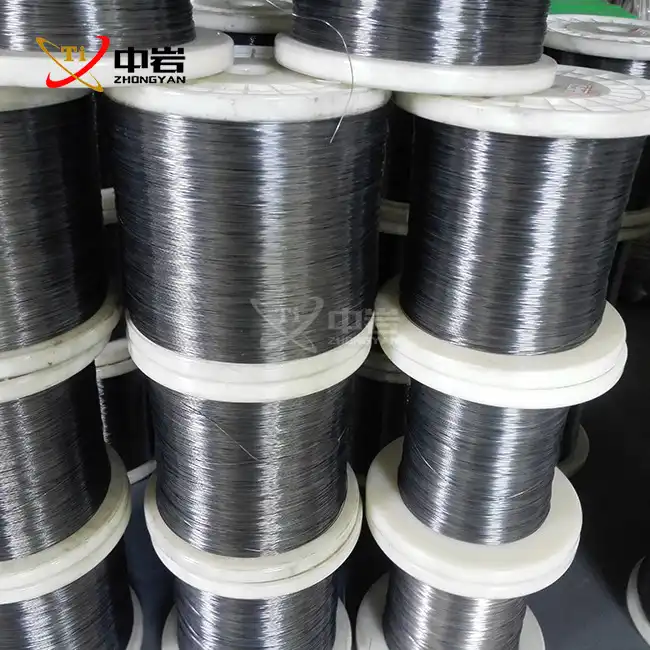
In today's demanding manufacturing landscape, titanium metal wire for industrial applications represents a revolutionary solution for engineers and procurement professionals seeking materials that exceed conventional performance standards. This high-precision drawn filament, produced from both commercially pure titanium grades and specialized alloys, addresses critical industry challenges, including corrosion fatigue, weight reduction requirements, and thermal compatibility in extreme environments. With exceptional strength-to-weight ratios and unparalleled chemical resistance, titanium wire serves as an essential component across aerospace, medical, electronics, and chemical processing industries.
Understanding Titanium Metal Wire: Properties and Industrial Benefits
Titanium metal wire for industrial fabrication undergoes sophisticated manufacturing processes that transform raw titanium billets into precision-engineered filaments. The production begins with vacuum arc remelting, where titanium ingots reach temperatures exceeding 1,660°C under controlled atmospheric conditions. Following this, the material undergoes multiple drawing operations through progressively smaller dies, reducing the diameter while maintaining structural integrity.
Manufacturing Processes and Quality Standards
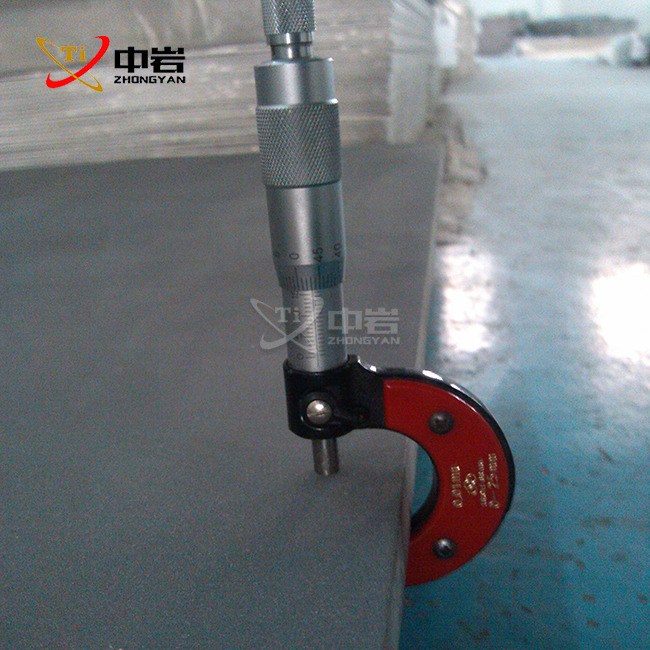
There are several important steps in the drawing process that decide how the wire will turn out in the end. The width is shrunk by cold drawing, which also works to harden the material. This is followed by annealing, which makes the material flexible again and reduces internal pressures. This cycle is repeated until the diameter range is reached, which is usually within ±0.01mm for precise uses. During production, quality control methods make sure that foreign standards are met, such as ASTM B863 and ISO 9001 certifications. Each batch goes through a lot of tests to check its chemical makeup, mechanical qualities, and surface quality. Inductively Coupled Plasma analysis checks the makeup of the elements, and tensile testing makes sure that the strength factors meet the requirements.
Superior Material Properties
Industrial titanium wire has special qualities that come from its unique crystalline structure and other natural traits. These qualities help engineers choose the right materials for tough jobs by giving them more information. Key performance characteristics include CP Grade 2 titanium's high tensile strength of 345 MPa and its amazing resistance to rust in chloride settings. The material is very resistant to wear, so even after millions of stress cycles, the structure stays the same. Low thermal expansion factors keep the shape stable when the temperature changes, and biocompatibility makes it possible to make medical devices. These qualities have real-world operating benefits, such as longer component lifecycles, less maintenance needs, and better energy economy. Companies that use titanium wire say they save a lot of money because their products are more reliable and they have less downtime.
Industrial Applications of Titanium Metal Wire
The versatility of titanium metal wire for industrial use spans multiple sectors, each leveraging specific material properties to solve complex engineering challenges. Understanding these applications helps buying teams find ways to improve performance and make the best use of materials.
Aerospace and Defense Applications
Manufacturing companies in the aerospace industry use titanium wire to make fasteners, spring systems, and structures stronger. The high strength-to-weight ratio of the material lets planes carry less weight while still staying safe. When commercial flight companies replace steel parts with titanium ones, they say the planes use less fuel. Defense companies use titanium wire for specific tasks like making parts for navy ships and missile guidance systems. The material's nonmagnetic qualities are very important in electronic warfare systems, and its resistance to corrosion ensures that it works well in marine settings.
Medical and Biomedical Technologies
Medical device makers are choosing titanium metal wire for industrial uses more and more because it is so biocompatible. The material's ability to survive multiple sterilization processes without breaking down is used to make surgical instruments. Orthopedic implant makers use titanium wire in oral dentures and bone fixation devices. Researchers have found that the osseointegration features of titanium help bone grow around devices, which is good for patients. Because the material is neutral, there are no worries about harmful metal ions leaking out. This makes it perfect for long-term implantation uses.
Electronics and Sputtering Target Manufacturing
Ultra-pure titanium wire, including titanium metal wire for industrial use, is used by electronics companies to make plasma targets for semiconductor manufacturing. The material is chemically pure and conducts electricity well, which makes thin-film deposition methods highly accurate—an essential requirement for modern devices. Companies that produce components report that using high-grade titanium metal wire in their industrial manufacturing processes leads to higher output rates. In emerging applications, titanium metal wire for industrial use is also used as a feedstock for Wire Arc Additive Manufacturing. This technology appeals to manufacturers seeking environmentally friendly production methods, as it enables the creation of near-net-shape parts with minimal material waste.
Titanium Wire vs. Other Metal Wires: Making the Right Choice
Before choosing the best wire materials, you need to carefully look at their performance, cost, and the needs of the particular purpose. For business uses, titanium metal wire for industrial applications has clear benefits over other options. However, knowing the trade-offs helps make the best material choice decisions.
Performance Comparison Analysis
Even though stainless steel wire is cheap, it has a lot of problems in places where it will rust. Exposure to chloride leads to pitting erosion, which weakens structures over time. Titanium wire is more resistant to these conditions than other materials, so it can keep working in settings with salt water and chemicals. Aluminum wire is very light and conducts electricity well, but it's not strong enough for high-stress situations. Titanium is lighter than aluminum but has a much higher tensile strength, which means it can be used in load-bearing situations where aluminum isn't strong enough.
Cost-Benefit Considerations
Titanium cable costs more to buy at first than other materials, but the total cost of ownership study often suggests that titanium is the better choice. This is because longer service life, less maintenance, and better performance traits often make up for higher material prices. Instead of just looking at the original material prices, procurement pros should also look at the costs over the whole lifecycle. Applications that need to repair parts often because they rust or wear out show clear cost benefits when selecting titanium wire. Manufacturing companies say they've saved a lot of money by cutting down on downtime and repair costs.
How to Procure Industrial Grade Titanium Metal Wire
To successfully buy titanium metal wire for industrial uses, you need to carefully evaluate suppliers and follow strict quality control procedures. Knowing the best ways to buy things helps make sure that the quality of the materials stays the same while reducing costs and improving delivery times.
Supplier Selection Criteria
To find good titanium wire suppliers, you need to look at their production skills, quality certifications, and expert support services. Suppliers with a good reputation keep their ISO 9001 license and show that they meet aircraft quality standards like AS9100. Audits of manufacturing facilities make sure that the quality management and process controls meet strict standards. Technical knowledge is another important decision factor. As a supplier, you should be able to get help with metallurgy, application engineering, and modification. Changing the qualities of wire through controlled heat treatment or surface finishing makes it possible to use materials in more ways.
Quality Assurance and Testing
Full incoming screening procedures make sure that materials received meet the requirements of the specifications. Chemical research checks that the grade is met, and mechanical testing checks that the strength and ductility standards are met. Surface quality checking finds flaws that could hurt performance in serious situations. Mill test certificates are required as proof of all the steps that were taken to make the product, from the raw materials to the finished product. Batch recognition systems make it possible to quickly fix problems with quality and help find the root cause of problems when they happen. These procedures are very important for medical and aerospace uses that need to be able to fully track materials.
Procurement Strategies and Logistics
Supply security and inventory costs should be balanced in good buying plans. Titanium metal wire for industrial applications often has longer lead times because it needs to be processed in a certain way. Planning ahead and managing supplies strategically can help keep production from being held up. When you buy in bulk, you may save money and make sure that you have enough of a product during times of high demand. But storage needs and the cost of keeping goods must be taken into account when making decisions about what to buy. Working with providers to set up flexible shipping times is the best way to keep production going while minimizing inventory needs.
Conclusion
Titanium metal wire for industrial applications represents an advanced material solution that addresses critical performance requirements across aerospace, medical, electronics, and chemical processing industries. Its exceptional strength-to-weight ratio, superior corrosion resistance, and biocompatibility make it indispensable for demanding applications where conventional materials prove inadequate. While initial costs exceed those of alternative materials, comprehensive lifecycle analysis demonstrates clear economic advantages through reduced maintenance, extended service life, and improved operational efficiency.
FAQ
What specifications should I consider when ordering titanium wire?
When choosing titanium metal wire for industrial use, you should think about the mechanical property goals, the thickness clearance requirements, and the surface finish requirements. ASTM B863 compliance guarantees the quality of the material, and unique diameter choices ranging from 0.5 mm to 3 mm meet the needs of a wide range of applications. The tensile strength needs to be at least 345 MPa for CP Grade 2 and higher for metal grades.
How does titanium wire compare to stainless steel in marine environments?
In naval uses, titanium wire works better than other materials because it is very resistant to corrosion caused by chloride. Although saltwater causes pitting and crevice rust in stainless steel, titanium's structure stays strong forever. In offshore and naval engineering, this performance benefit makes it worth paying more for materials.
What are the key quality control parameters for titanium wire?
Important quality factors include using ICP analysis to check the chemical makeup, ASTM standards for checking mechanical properties, and eddy current testing to find surface defects. Dimensional precision, usually kept within a tolerance of ±0.01mm, makes sure that the part can be used with automatic production equipment. Monitoring the hydrogen level stops problems with embrittlement that could hurt efficiency.
Can titanium wire be customized for specific applications?
Yes, titanium metal wire for industrial applications offers extensive customization options, including diameter variations, surface treatments, and mechanical property modifications through controlled heat treatment. When wire is annealed and bent, it becomes more flexible for shaping processes while still staying stable in its shape.
Partner with Zhongyan for Premium Titanium Metal Wire Solutions
Zhongyan stands as your reliable titanium metal wire for industrial providers. Our state-of-the-art plant in China's Titanium Valley provides a wide range of services. Our CP Grade 2 titanium wire comes in 0.8mm × 500m coils and has a tensile strength of at least 345 MPa. It meets the strict ASTM B863 standards for welding, filtering, and aircraft uses. We offer unique diameters from 0.5 mm to 3 mm and are fully ISO 9001 certified, so you can be sure that the quality will always be better than what the industry expects. Get in touch with our technical experts at sales@titaniumstudy.com to talk about your unique needs and find out how our advanced manufacturing services can help you make your production processes more efficient.
References
1. Davis, J.R. "Titanium: A Technical Guide, 2nd Edition." ASM International Materials Handbook, 2020.
2. American Society for Testing and Materials. "ASTM B863-21: Standard Specification for Titanium and Titanium Alloy Wire." ASTM International Standards, 2021.
3. Boyer, R., Welsch, G., and Collings, E.W. "Materials Properties Handbook: Titanium Alloys." ASM International Publication, 2019.
4. International Organization for Standardization. "ISO 5832-2:2018: Implants for Surgery - Metallic Materials - Part 2: Unalloyed Titanium." ISO Standards Catalog, 2018.
5. Lutjering, G. and Williams, J.C. "Titanium: Engineering Materials and Processes, 3rd Edition." Springer Materials Science Series, 2021.
6. AWS Committee on Filler Metals. "AWS A5.16/A5.16M:2020: Specification for Titanium and Titanium-Alloy Bare Welding Electrodes and Rods." American Welding Society Standards, 2020.
(1)_1755588522797.jpg)
(1)_1755593289268.jpg)
Learn about our latest products and discounts through SMS or email