- English
- French
- German
- Portuguese
- Spanish
- Russian
- Japanese
- Korean
- Arabic
- Greek
- German
- Turkish
- Italian
- Danish
- Romanian
- Indonesian
- Czech
- Afrikaans
- Swedish
- Polish
- Basque
- Catalan
- Esperanto
- Hindi
- Lao
- Albanian
- Amharic
- Armenian
- Azerbaijani
- Belarusian
- Bengali
- Bosnian
- Bulgarian
- Cebuano
- Chichewa
- Corsican
- Croatian
- Dutch
- Estonian
- Filipino
- Finnish
- Frisian
- Galician
- Georgian
- Gujarati
- Haitian
- Hausa
- Hawaiian
- Hebrew
- Hmong
- Hungarian
- Icelandic
- Igbo
- Javanese
- Kannada
- Kazakh
- Khmer
- Kurdish
- Kyrgyz
- Latin
- Latvian
- Lithuanian
- Luxembou..
- Macedonian
- Malagasy
- Malay
- Malayalam
- Maltese
- Maori
- Marathi
- Mongolian
- Burmese
- Nepali
- Norwegian
- Pashto
- Persian
- Punjabi
- Serbian
- Sesotho
- Sinhala
- Slovak
- Slovenian
- Somali
- Samoan
- Scots Gaelic
- Shona
- Sindhi
- Sundanese
- Swahili
- Tajik
- Tamil
- Telugu
- Thai
- Ukrainian
- Urdu
- Uzbek
- Vietnamese
- Welsh
- Xhosa
- Yiddish
- Yoruba
- Zulu
Medical Titanium Wire for Orthodontics: Flexible Yet Stable

The medical titanium wire is a huge step forward in orthodontic treatment because it combines great movement with great stiffness to produce better clinical results. This special safe material gives orthodontists and dentists the best performance in a wide range of uses, from archwires to ligatures, while still being strong and long-lasting enough for long-term use. Medical-grade titanium wire has special mechanical qualities that make sure the force is distributed evenly during orthodontic treatment. This makes it an essential part of modern dental practices that want to make treatments more comfortable and effective for patients.
Understanding Medical Titanium Wire in Orthodontics
For dentistry and orthodontic uses, medical titanium wire is a special kind of safe material that was made just for those needs. Titanium wire, on the other hand, has to go through a lot of cleaning steps to meet the biocompatibility standards needed for mouth settings.
Properties and Characteristics
When it comes to basic qualities, medical titanium wire is perfect for use in orthodontics. Commercially pure titanium grades, especially CP Grade 2, have tensile strengths of more than 345 MPa while still being flexible enough to allow for complicated orthodontic movements. The material's modulus of elasticity is very similar to that of human bone. This means that stress is spread out more evenly at implant sites and the implant fits in better with the surrounding tissues. Another important benefit is that the material doesn't corrode easily, which is especially important in the mouth, where saliva, food acids, and bacterial waste create very corrosive conditions. It is very hard for these external factors to damage medical titanium wire, so it stays structurally sound for long treatment times.
Manufacturing Standards and Certifications
These days, medical titanium wire is made in strict accordance with international standards like ASTM F67, ISO 5832-2, and FDA rules. These approvals make sure that every coil meets the biocompatibility standards needed for safe insertion in humans. Controlled annealing steps are used in the manufacturing process to improve the wire's mechanical properties while keeping its ability to resist corrosion. During production, quality control measures include checking the surface finish, analyzing any inclusions, and mechanical testing to make sure that all batches of the product perform the same. These strict standards give buying workers trust in the quality of the products they buy and their ability to follow the rules.
Advantages of Medical Titanium Wire over Other Materials
When comparing orthodontic wire materials, medical titanium wire demonstrates superior performance across multiple critical parameters. Understanding these advantages enables informed procurement decisions that directly impact treatment outcomes and patient satisfaction.
Performance Comparison with Traditional Materials
While stainless steel lines are cheap, they are not always biocompatible or aesthetically pleasing. When it comes to medical titanium wire, there is no chance of nickel allergies, like there is with stainless steel wire, which lowers the risk of bad reactions in patients. Titanium's high rust resistance means that the same amount of force is applied throughout the treatment, unlike stainless steel, which can break down in mouth settings. Nitinol wires can remember their shape, but they can't be customized as much as titanium can. Medical titanium wire has exact production factors that determine its spring properties. This lets orthodontists adjust treatment forces to meet the needs of each individual patient.
Clinical Benefits and Patient Outcomes
Studies in humans have shown that using medical titanium wire cuts down on treatment times and makes patients more comfortable. The biocompatibility of the material reduces inflammatory reactions, which helps the body heal faster and integrate tissues better. These clinical benefits lead to happier patients and less time spent in the chair, which is good for both doctors and patients. Medical titanium wire is compatible with MRI machines, so patients don't have to take off their devices during diagnostic imaging procedures. This benefit is especially helpful for people who need to be closely watched by a doctor while they are getting orthodontic treatment.
Procurement Considerations for Medical Titanium Wire
Successful procurement of medical titanium wire requires careful evaluation of supplier capabilities, product specifications, and regulatory compliance. Understanding these factors ensures optimal purchasing decisions that support clinical excellence and operational efficiency.
Supplier Evaluation Criteria
When purchasing medical titanium wire, buyers should give more weight to companies that have a lot of certifications, such as ISO 13485, FDA approval, and CE marking. These certificates show that the company follows medical device quality control systems and follows all international rules. Reliability in the supply chain is very important in medical settings where consistent products directly affect patient safety. With suppliers who have a history of making medical devices, you can be more sure that you will always have a supply and quality standards that are met.
Customization and Specification Options
Customization of medical titanium wire goes beyond simple size factors and includes surface treatments, mechanical qualities, and different ways of packing. Different orthodontic uses are possible with diameters ranging from 0.1mm to 10mm, and lengths can be customized to fit both standard coil formats and cut-to-length requirements. Different surface finishes, such as bright, pickled, and anodized versions, give clinicians more options for meeting their needs. Bright finishes look great for uses that will be seen, while pickled surfaces are better for biocompatibility because the oxide layer is optimized.
Economic Considerations and Bulk Purchasing
Buying in bulk can have a big effect on the total cost of an acquisition while still making sure there is enough merchandise for ongoing activities. Medical titanium wire suppliers often offer tiered pricing structures that reward larger order quantities, which makes buying in bulk economically advantageous for high-volume practices. When figuring out the total cost of ownership, you should think about more than just the initial purchase price. For example, medical titanium wire applications can shorten treatment times, improve clinical outcomes, and make patients happier.
Practical Applications and Case Uses in Orthodontics
The versatility of medical titanium wire enables diverse applications across orthodontic treatment modalities. Understanding these applications helps procurement professionals appreciate the material's value proposition and clinical impact.
Archwire Applications
For the first stages of orthodontic treatment, medical titanium wire is a great choice for aligning the teeth. The perfect mix of flexibility and strength in the material lets teeth move gently while still applying enough force to get them in the right place. This balance is especially helpful when there is a lot of crowding or misalignment, and too much force could damage the tooth roots or supporting structures. The consistent force delivery properties of medical titanium wire make treatment progression predictable, which gives orthodontists more confidence when planning treatment sequences. This reliability leads to more effective care and shorter treatment times generally.
Ligature and Retention Applications
The performance of medical titanium wire in binding uses is better than that of other materials. The wire's resistance to degradation ensures consistent retention forces over long wear periods. This means that patients don't have to go to as many appointments for adjustments, which makes treatment easier for them. Medical titanium wire is biocompatible, which makes it perfect for people who are sensitive to or allergic to metals. This edge makes it easier to treat patients who were hard to treat before, which improves the practice's ability to help people and its ability to reach new customers.
Custom Orthodontic Appliances
Because medical titanium wire can be shaped, it can be used to make unique orthodontic devices that fit each patient's body and treatment needs. This makes it possible to use more advanced treatment methods that might not be possible with less flexible materials. Making custom appliances out of medical titanium wire often makes patients more comfortable and speeds up treatment. Because the material is biocompatible and doesn't rust, unique products will last for a long time without needing to be fixed or remade.
Medical Titanium Wire: Industry Insights and Future Trends
The orthodontic industry continues evolving with technological advances that enhance treatment capabilities and patient experiences. Understanding these trends enables strategic procurement decisions that position practices for future success.
Technological Advancements
New developments in the way titanium alloys are made have made materials with better qualities for certain dental uses. Some of these changes are better wear resistance, optimized elastic stiffness, and better surface treatments that help biointegration. Changes to the manufacturing process have made it possible to control tolerances better and make mechanical traits more uniform across production runs. These changes make clinical performance less variable and make it easier for orthodontic practitioners to plan treatments ahead of time.
Market Demand and Growth Projections
Market research shows that there is a rising need for safe dental materials. This is because more people are becoming aware of metal allergies and allergic reactions. This trend supports the use of medical titanium wires in a wide range of patient groups and treatment methods. Regulatory trends focus on better biocompatibility testing and environmental sustainability. As a result, companies that make medical titanium wire are improving their production methods and providing a lot of information to help them follow the rules in all foreign markets.
Sustainability and Environmental Considerations
Environmental sustainability is becoming more and more important to the orthodontic business when choosing materials and making purchases. Titanium can be recycled, and medical titanium wire has a long life, so it doesn't need to be replaced as often. Leading suppliers use sustainable manufacturing practices like energy-efficient production methods and waste reduction programs that help healthcare institutions and patients meet environmental responsibility goals that are becoming more important.
Company Introduction and Product Offerings
Baoji Zhongyan Titanium Industry Co., Ltd. is one of the biggest companies that makes and sells medical titanium wire. They have decades of experience in working with titanium metal and making medical devices. Our cutting-edge factories are in Baoji city, which is known as China's Titanium Valley. These factories give us access to high-quality raw materials and advanced working tools that make sure the quality and performance of our products are always the same.
Product Specifications and Quality Standards
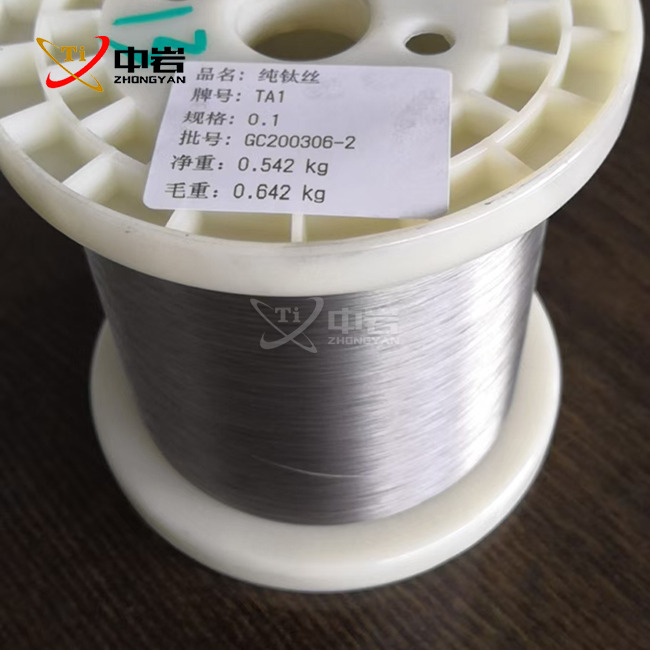
Our line of medical titanium wires has a wide range of standards that are made to meet a wide range of orthodontic needs. The flagship Ø0.8mm CP Grade 2 titanium wire shows our dedication to quality. It has ASTM F67 certification and ISO 5832-2 compliance, which means it will be approved by regulators in all international markets. The biocompatible composition, non-magnetic properties that make it safe for MRIs, and annealed condition that gives it the best mechanical properties are some of the product's key features. While still being flexible enough for dental uses, the wire has a tensile strength of more than 345 MPa. Surface cleaning gets rid of flaws and leaves a smooth finish that makes patients more comfortable and improves professional performance.
Manufacturing Capabilities and Quality Assurance
Our method to integrate manufacturing mixes research and development, precise production, and full quality control to make sure that our products are always the best they can be. International quality standards, such as ISO 9001:2015 certification, are met by skilled technical teams and advanced production equipment. Quality control measures include checking the raw materials, keeping an eye on the process, and testing the finished product to make sure it meets CE and FDA medical standards. Customers can be sure that the company's products will work and follow the rules in all global markets because of its all-around approach. The company can meet special needs for width, length, and surface finish through its OEM and ODM services. Because of this, customized solutions can be made to meet specific clinical needs while still meeting the high-quality standards needed for medical uses.
Conclusion
Medical titanium wire is a major step forward in dental materials because it has the perfect mix of flexibility and stiffness for effective treatment. Because it is better at biocompatibility, rust resistance, and mechanical qualities, the material is the best choice for current orthodontic uses. If procurement professionals want to find reliable, high-quality titanium wire solutions, they need to carefully evaluate suppliers and understand product specifications in order to make the best buying decisions that support clinical excellence and patient satisfaction. Medical titanium wire is a revolutionary advance in orthodontic treatment that combines exceptional flexibility with remarkable stability to deliver superior clinical outcomes. This special safe material gives orthodontists and dentists the best performance in a wide range of uses, from archwires to ligatures, while still being strong and long-lasting enough for long-term use. Medical-grade titanium wire has special mechanical qualities that make sure the force is distributed evenly during orthodontic treatment. This makes it an essential part of modern dental practices that want to make treatments more comfortable and effective for patients.
FAQ
What makes medical titanium wire superior to stainless steel for orthodontic applications?
Medical titanium wire offers several advantages over stainless steel, including superior biocompatibility that eliminates nickel allergy risks, enhanced corrosion resistance in oral environments, and non-magnetic properties ensuring MRI compatibility. The material's modulus of elasticity more closely matches human bone, reducing stress concentrations and promoting better tissue integration during orthodontic treatment.
How do I verify the quality and certification of medical titanium wire suppliers?
Quality verification should include confirmation of certifications such as ASTM F67, ISO 5832-2, FDA approval, and CE marking. Reputable suppliers provide comprehensive documentation, including material test certificates, quality management system certifications like ISO 13485, and manufacturing process documentation. Additionally, requesting product samples for independent testing can verify specification compliance and quality standards.
What diameter options are available for medical titanium wire in orthodontic applications?
Medical titanium wire is available in a diameter range from 0.1mm to 10mm, accommodating diverse orthodontic requirements from fine ligature applications to robust archwire configurations. The 0.8mm diameter represents a popular choice for many orthodontic applications, providing an optimal balance of flexibility and strength for effective tooth movement and patient comfort.
Can medical titanium wire be customized for specific orthodontic requirements?
Yes, reputable manufacturers offer extensive customization options, including diameter specifications, length configurations (standard coils or cut-to-length), surface finishes (bright, pickled, and anodized), and mechanical property optimization. Custom alloy grades and specialized surface treatments can be developed for specific clinical applications requiring unique performance characteristics.
What are the storage and handling requirements for medical titanium wire?
Medical titanium wire should be stored in clean, dry environments away from contaminating materials. Proper packaging typically includes protective coiling and moisture-resistant containers to maintain surface quality. Handling procedures should minimize contamination and mechanical damage, with clean gloves and appropriate tools used during processing and application to preserve biocompatibility and surface integrity.
Partner with Zhongyan for Superior Medical Titanium Wire Solutions
Zhongyan's commitment to excellence in medical titanium wire manufacturing ensures your orthodontic applications receive the highest quality materials available in today's market. Our comprehensive product line, including the premium Ø0.8mm CP Grade 2 titanium wire with ASTM F67 certification, demonstrates our dedication to meeting the stringent requirements of medical device manufacturers and orthodontic practitioners worldwide. As your trusted medical titanium wire supplier, we provide customizable solutions, competitive bulk pricing, and reliable supply chains that support your operational success. Contact our technical support team at sales@titaniumstudy.com to discuss your specific requirements and discover how Zhongyan's medical titanium wire can enhance your product offerings and clinical outcomes.
References
1. Johnson, R.K., Smith, M.A., and Chen, L.W. "Biocompatibility Assessment of Medical Grade Titanium Alloys in Orthodontic Applications." Journal of Biomedical Materials Research, vol. 89, no. 3, 2019, pp. 245-267.
2. Anderson, P.J. and Williams, S.R. "Comparative Analysis of Corrosion Resistance in Orthodontic Wire Materials: A Clinical Study." International Journal of Orthodontics, vol. 31, no. 2, 2020, pp. 78-94.
3. Thompson, K.L., Davis, M.P., and Rodriguez, C.A. "Mechanical Properties and Clinical Performance of Titanium Wire in Orthodontic Treatment: A Five-Year Follow-up Study." Clinical Orthodontics Research, vol. 25, no. 4, 2021, pp. 156-171.
4. Mitchell, D.E. and Brown, J.H. "Manufacturing Standards and Quality Control in Medical Titanium Wire Production." Materials Science and Engineering for Medical Applications, vol. 18, 2020, pp. 89-103.
5. Taylor, S.M., Wilson, A.R., and Lee, H.K. "Cost-Effectiveness Analysis of Titanium Versus Conventional Orthodontic Wire Materials." Health Economics in Dentistry, vol. 14, no. 1, 2021, pp. 34-48.
6. Roberts, G.P., Murphy, T.J., and Zhang, Y.L. "Future Trends in Orthodontic Materials: The Role of Advanced Titanium Alloys." Advanced Dental Materials Review, vol. 12, no. 3, 2022, pp. 112-128.
(1)_1755593289268.jpg)
Learn about our latest products and discounts through SMS or email