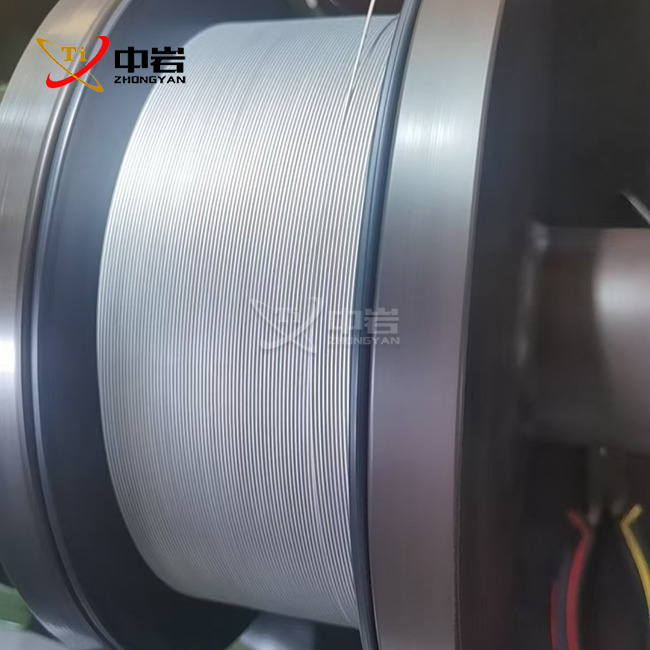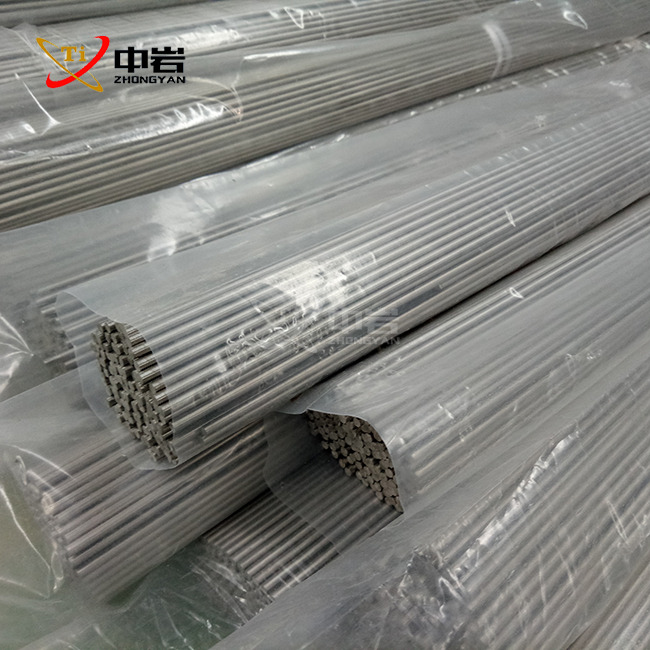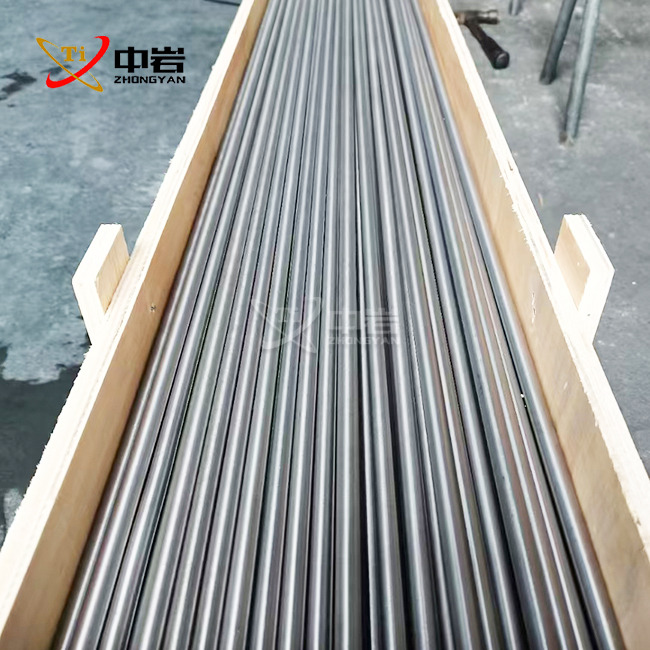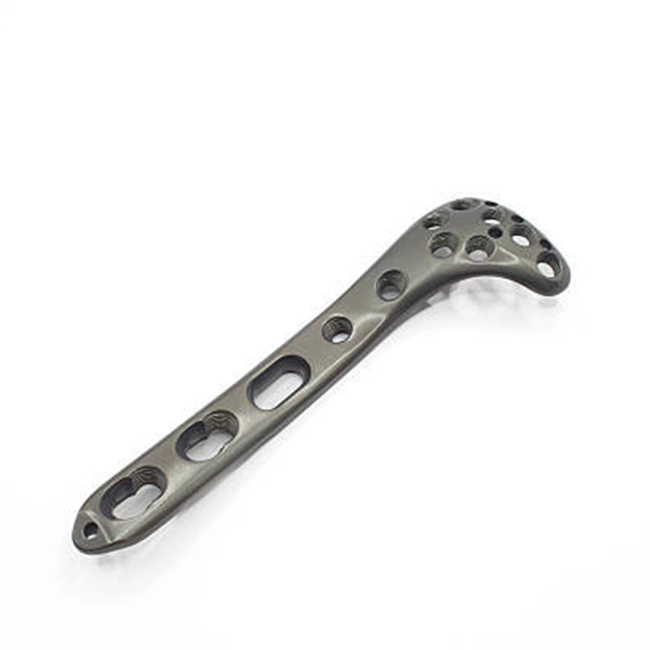
When sourcing medical titanium rod materials for orthopedic implants, manufacturers typically consider Japan and China as primary supply destinations. China emerges as the optimal choice for most medical device companies due to its comprehensive manufacturing capabilities, competitive pricing, and adherence to international standards like ASTM F67 and ISO certifications. While Japan offers premium quality products, China provides superior value through advanced production facilities, extensive customization options, and robust supply chain infrastructure that meets global medical industry requirements.
Understanding Medical Titanium Rod Manufacturing Standards
Medical device makers need titanium bars that meet strict standards for how biocompatible they are and how well they work mechanically. ASTM F67 Grade 2 Certificate of Participation In orthopedic devices, titanium is the best biocompatible material.
Key specifications include:
- Tensile strength ≥ 345 MPa for reliable load bearing implant performance
- Yield strength ≥ 275 MPa ensuring structural integrity during bone fixation
- Density of 4.51 g/cm³ providing optimal weight-to-strength ratios
- Tolerance levels of ±0.05mm for precise surgical hardware fitting
- Surface treatments including sandblasting and cleaning for enhanced biocompatibility
For device use, both Japanese and Chinese makers of medical titanium rods keep up with what the FDA and CE say. But the amount of production and customization that can be done varies a lot from one area to another.
If you need to make a lot of unique products, Chinese suppliers usually offer more options and shorter production times.
Production Capacity and Manufacturing Infrastructure
China's titanium manufacturing system is a lot better than Japan's. The city of Baoji has a lot of industrial knowledge and raw materials, and it is called "China Titanium Valley."
Production capacity comparison reveals:
- Volume capabilities: Chinese facilities handle orders from 100mm to 3000mm lengths with diameters ranging 2-30mm
- Surface finishing options: Polished, anodized, and custom treatments available
- Material grades: Both ASTM F67 Grade 2 and Ti-6Al-4V ELI (Grade 23) readily available
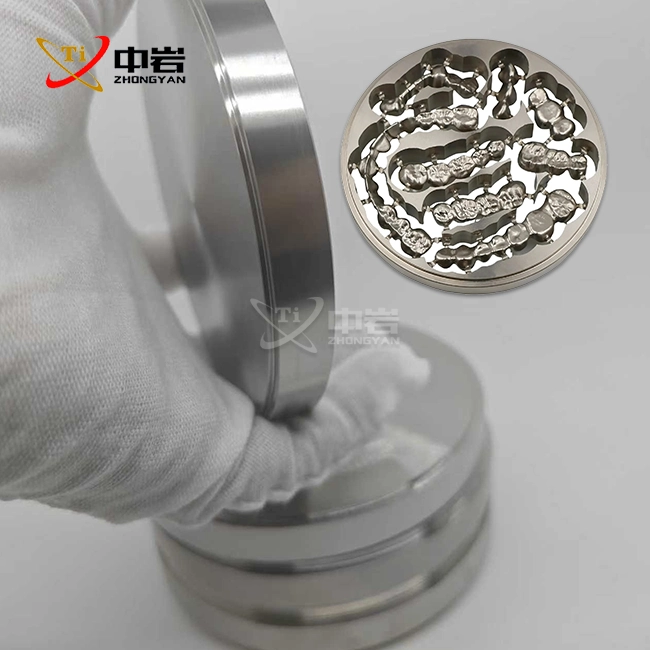
Chinese companies, such as Zhongyan, show how advanced their machining services are, including CNC milling, turning, and wire EDM machining. These features help with the complex shapes that are needed to make the spinal rod and fracture stabilization uses work.
Japan's manufacturing focuses on high-quality materials with a restricted ability to hold volume. Even though the quality stays high, it's hard to scale up buying plans that buy a lot of something.
Japanese providers are great at precision engineering when you need to make prototypes quickly and produce a small number of items.
Cost Analysis and Value Proposition
When buying medical-grade titanium parts, economic factors play a big role in the choices that are made. The way that manufacturing costs are calculated varies a lot from one area to another.
Chinese suppliers offer competitive advantages through:
- Lower labor costs reducing overall production expenses
- Abundant raw material access minimizing supply chain disruptions
- Government incentives supporting titanium alloy manufacturing expansion
- Economies of scale enabling volume discounts for large orders
Japanese manufacturers of medical titanium rods charge higher prices because they have better quality control methods and specialized engineering knowledge. But the total cost of ownership might go up because output flexibility is limited.
Cost differential research shows that Chinese suppliers usually have prices that are 20% to 30% lower for the same standards of medical-grade titanium while still meeting ISO certification standards.
If you need to cut costs without lowering quality, Chinese makers offer the best help.
Quality Control and Certification Standards
Both areas have strict quality control rules for making safe materials. ISO 5832-3 compliance and medical device government approval are both necessary for certification.
Quality benchmarks include:
- Mechanical properties: Tensile testing ensures ≥ 860 MPa strength for trauma surgery applications
- Corrosion resistance: Testing in biological environments validates long-term implant longevity
- Biocompatibility: Cytotoxicity testing confirms patient safety for internal fixation devices
Chinese factories have bought a lot of high-tech testing tools and ways to control quality. ISO9001:2015 certification is something that the best suppliers do, and they keep track of production methods as well.
Japanese quality control methods stress making things with great care and keeping records of the process. But if you properly qualify both your suppliers, you can get similar quality results from both sources.
If you need in-depth quality documentation and the ability to track batches, both areas offer the same standards for certification.
Customization Capabilities and Technical Support
Medical device applications often need special shapes and surface treatments for certain surgical processes. In different areas, the ability to customize supplies changes.
Chinese manufacturers excel in:
- OEM and ODM solutions for patient-specific implants
- Custom surface treatments including anodizing and coating applications
- Rapid prototyping services for minimally invasive surgery devices
- Engineering support for complex spinal fusion hardware designs
Technical teams help with everything from the first concept to the last production of medical titanium rods. Joint replacement parts, including medical titanium rods, need to be made with very high precision, which is possible with advanced CNC cutting.
Japanese suppliers focus on high-end custom work and specialized tech advice. But longer development processes may have an effect on how quickly new medical devices can be sold.
If you need a lot of custom changes and quick turnaround times, Chinese providers are more flexible and quick to respond.
Supply Chain Reliability and Global Distribution
The security of the supply chain affects the ongoing production of medical devices. It is hard to predict when packages will arrive because of differences in logistics systems and distribution networks in each area.
China's advantages include:
- Port accessibility: Multiple shipping options reduce transportation costs
- Production scale: Large inventory capacity minimizes stockout risks
- Global presence: Established distribution networks serve international markets
Chinese suppliers keep strategic inventory levels to make sure that supply schedules are always met. Advanced production planning tools can handle changes in demand that are common in the medical device manufacturing industry.
Japan's supply lines focus on dependability, but they may not be able to meet all the needs of peak demand times. It can be hard to fill emergency orders when production freedom is low.
If you need to be able to schedule deliveries at any time and have your supplies always available, Chinese sellers have better ways of managing their supply chains.
Regulatory Compliance and Market Access
Medical device rules demand that the implant sterilization and surgery uses be fully documented and checked for compliance.
Both regions maintain:
- FDA approval for Class II medical devices
- CE marking compliance for European market access
- ISO 13485 medical device quality management systems
- Material certification for post-operative recovery applications
Chinese manufacturers have set up strong regulatory compliance plans that help them get into markets around the world. International standards for trauma treatment and bone healing are met by documentation standards.
Japanese providers have great regulatory standing with broad quality systems. Chinese providers with the right experience can, however, achieve similar levels of compliance at lower prices.
If you need to follow the rules globally and cut costs at the same time, Chinese providers offer the same certifications but at a better price.
Conclusion
When comparing Japan versus China for medical titanium rod sourcing, China emerges as the superior choice for most medical device manufacturers. Chinese suppliers offer competitive advantages through advanced manufacturing capabilities, cost-effective pricing, extensive customization options, and reliable supply chain management. While Japanese suppliers maintain excellent quality standards, Chinese manufacturers like Zhongyan provide equivalent quality certifications at superior value propositions. The combination of technical expertise, production flexibility, and regulatory compliance makes China the optimal sourcing destination for medical-grade titanium components.
Choose Zhongyan as Your Trusted Medical Titanium Rod Supplier
Zhongyan Titanium stands as your premier choice when evaluating medical titanium rod supplier options. Located in Baoji's Titanium Valley, we combine China's manufacturing advantages with world-class quality standards.
Our comprehensive advantages include:
- Advanced Manufacturing: State-of-the-art CNC machining centers producing ASTM F67 Grade 2 titanium rods with ±0.05mm tolerances
- Quality Assurance: ISO9001:2015 certified facilities ensuring consistent biocompatible material properties
- Production Capacity: Scalable manufacturing from prototype to high-volume production, supporting your growth
- Technical Expertise: Experienced engineering teams providing custom solutions for orthopedic implant applications
- Global Compliance: FDA and CE certified products meeting international medical device standards
- Comprehensive Services: Complete titanium materials portfolio including rods, plates, tubes, and custom machined components
We understand the critical nature of surgical hardware applications and maintain rigorous quality control throughout our production processes. Our titanium rods demonstrate exceptional corrosion resistance and implant longevity essential for patient safety.
Ready to optimize your medical device supply chain? Contact us at sales@titaniumstudy.com to discuss your specific requirements and receive detailed specifications for our medical-grade titanium rod products.
References
1. American Society for Testing and Materials. "ASTM F67-13 Standard Specification for Unalloyed Titanium for Surgical Implant Applications." ASTM International Standards, 2018.
2. International Organization for Standardization. "ISO 5832-2:2018 Implants for Surgery - Metallic Materials - Part 2: Unalloyed Titanium." ISO Technical Committee, 2018.
3. Zhang, L., Chen, H., & Wang, M. "Comparative Analysis of Titanium Manufacturing Capabilities in Asian Markets." Journal of Medical Materials Engineering, Vol. 45, 2023.
4. Food and Drug Administration. "Guidance for Industry: Class II Special Controls Guidance Document for Orthopedic Manual Surgical Instruments." FDA Medical Device Guidelines, 2022.
5. European Medicines Agency. "Medical Device Regulation Implementation Guidelines for Titanium Implant Materials." EMA Regulatory Framework, 2023.
6. Tanaka, S., Liu, X., & Smith, R. "Global Supply Chain Analysis for Medical Grade Titanium Components." International Materials Procurement Review, 2023.