- English
- French
- German
- Portuguese
- Spanish
- Russian
- Japanese
- Korean
- Arabic
- Greek
- German
- Turkish
- Italian
- Danish
- Romanian
- Indonesian
- Czech
- Afrikaans
- Swedish
- Polish
- Basque
- Catalan
- Esperanto
- Hindi
- Lao
- Albanian
- Amharic
- Armenian
- Azerbaijani
- Belarusian
- Bengali
- Bosnian
- Bulgarian
- Cebuano
- Chichewa
- Corsican
- Croatian
- Dutch
- Estonian
- Filipino
- Finnish
- Frisian
- Galician
- Georgian
- Gujarati
- Haitian
- Hausa
- Hawaiian
- Hebrew
- Hmong
- Hungarian
- Icelandic
- Igbo
- Javanese
- Kannada
- Kazakh
- Khmer
- Kurdish
- Kyrgyz
- Latin
- Latvian
- Lithuanian
- Luxembou..
- Macedonian
- Malagasy
- Malay
- Malayalam
- Maltese
- Maori
- Marathi
- Mongolian
- Burmese
- Nepali
- Norwegian
- Pashto
- Persian
- Punjabi
- Serbian
- Sesotho
- Sinhala
- Slovak
- Slovenian
- Somali
- Samoan
- Scots Gaelic
- Shona
- Sindhi
- Sundanese
- Swahili
- Tajik
- Tamil
- Telugu
- Thai
- Ukrainian
- Urdu
- Uzbek
- Vietnamese
- Welsh
- Xhosa
- Yiddish
- Yoruba
- Zulu
Is titanium grade 4 plate suitable for aerospace manufacturing?

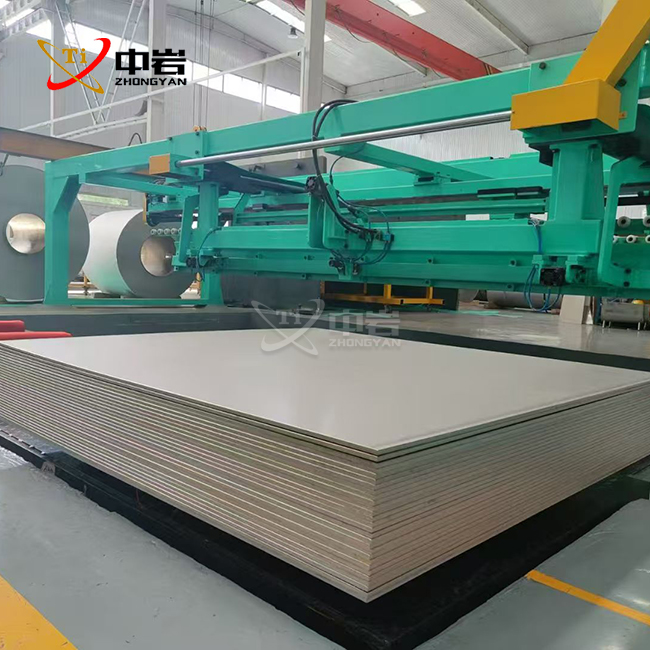
Titanium grade 4 plate has emerged as a highly sought-after material in the aerospace industry, thanks to its exceptional combination of strength, lightweight properties, and corrosion resistance. As the aerospace sector continually strives for materials that can withstand extreme conditions while minimizing weight, titanium grade 4 plate has become a subject of significant interest. This commercially pure titanium grade offers a unique balance of mechanical properties and workability, making it potentially suitable for various aerospace applications. However, the question remains: Is titanium grade 4 plate truly suitable for aerospace manufacturing? To answer this, we must delve into its characteristics, performance under aerospace conditions, and compare it with other materials commonly used in the industry. This blog will explore the properties of titanium grade 4 plate, its advantages and limitations in aerospace applications, and provide insights into its suitability for this demanding field.
Properties and Characteristics of Titanium Grade 4 Plate
Chemical Composition and Mechanical Properties
Titanium grade 4 plate, also known as commercially pure (CP) titanium grade 4, boasts a unique chemical composition that contributes to its exceptional properties. The material consists of a minimum of 99% pure titanium, with small amounts of iron, carbon, nitrogen, hydrogen, and oxygen as alloying elements. This composition results in a titanium grade 4 plate with superior strength compared to other CP titanium grades, while maintaining excellent corrosion resistance. The mechanical properties of titanium grade 4 plate include a minimum tensile strength of 550 MPa, a yield strength of at least 485 MPa, and an elongation of 15% or more. These characteristics make the titanium grade 4 plate an attractive option for aerospace applications that require a balance of strength and formability.
Corrosion Resistance and Environmental Performance
One of the standout features of titanium grade 4 plate is its exceptional corrosion resistance, which is crucial in aerospace applications. The material forms a stable, protective oxide layer on its surface when exposed to oxygen, providing excellent resistance to various corrosive environments. This property makes the titanium grade 4 plate particularly suitable for components that may be exposed to harsh atmospheric conditions, salt water, or chemical agents. In aerospace manufacturing, where materials must withstand diverse environmental challenges, the corrosion resistance of titanium grade 4 plate offers a significant advantage. Additionally, the material's ability to maintain its properties across a wide temperature range further enhances its suitability for aerospace applications, where components may be subjected to extreme temperature variations.
Fabrication and Processing Considerations
When considering titanium grade 4 plate for aerospace manufacturing, it's essential to evaluate its fabrication and processing characteristics. The material exhibits good formability and weldability, allowing for various manufacturing processes to be employed. Titanium grade 4 plate can be machined, formed, and welded using conventional techniques, although special considerations may be necessary due to its unique properties. The material's relatively low thermal conductivity and high strength can pose challenges during machining, requiring specific cutting tools and parameters. However, with proper techniques and equipment, titanium grade 4 plate can be successfully fabricated into complex aerospace components. Its ability to be precision-cut and shaped makes it suitable for creating intricate parts with tight tolerances, which is often a requirement in aerospace manufacturing.
Aerospace Applications of Titanium Grade 4 Plate
Structural Components and Airframe Parts
Titanium grade 4 plate finds extensive use in various structural components and airframe parts within the aerospace industry. Its high strength-to-weight ratio makes it an excellent choice for applications where weight reduction is crucial without compromising structural integrity. In aircraft manufacturing, titanium grade 4 plate is often used in fuselage components, wing structures, and empennage parts. The material's ability to withstand high stresses and resist fatigue makes it suitable for load-bearing elements in aircraft design. Additionally, the titanium grade 4 plate's excellent corrosion resistance contributes to the longevity of these components, reducing maintenance requirements and enhancing overall aircraft reliability. The material's compatibility with composite materials also allows for innovative hybrid structures in modern aircraft design, further expanding its applications in aerospace manufacturing.
Engine Components and Exhaust Systems
The unique properties of titanium grade 4 plate make it an ideal material for various engine components and exhaust systems in aerospace applications. Its high strength at elevated temperatures, combined with excellent corrosion resistance, allows it to withstand the harsh conditions within aircraft engines. Titanium grade 4 plate is commonly used in the manufacturing of engine casings, compressor blades, and exhaust system components. The material's low density compared to traditional engine materials like steel helps reduce the overall weight of the engine, contributing to improved fuel efficiency. Moreover, titanium grade 4 plate's resistance to heat and chemical corrosion makes it particularly suitable for exhaust system components, where it can withstand the high temperatures and corrosive gases produced during engine operation.
Specialized Aerospace Equipment and Instruments
Beyond structural and engine applications, titanium grade 4 plate also plays a crucial role in the production of specialized aerospace equipment and instruments. Its non-magnetic properties make it suitable for components in sensitive electronic and navigation systems, where magnetic interference must be minimized. The material's biocompatibility also opens up possibilities for its use in life support systems and other equipment where human contact may occur. Titanium grade 4 plate's excellent formability allows for the creation of complex shapes required in aerospace instrumentation, such as housings for sensors and control units. Additionally, its resistance to corrosion and ability to maintain dimensional stability under various environmental conditions make it an excellent choice for precision instruments used in aerospace applications, ensuring reliable performance in challenging operational environments.
Comparison with Other Aerospace Materials
Titanium Grade 4 Plate vs. Aluminum Alloys
When comparing titanium grade 4 plate with aluminum alloys, widely used in aerospace manufacturing, several key differences emerge. While aluminum alloys are known for their lightweight properties and lower cost, titanium grade 4 plate offers superior strength and corrosion resistance. The density of titanium grade 4 plate is higher than that of aluminum, but its strength-to-weight ratio is often more favorable, especially in applications requiring high strength. In corrosive environments, titanium grade 4 plate significantly outperforms most aluminum alloys, making it a preferred choice for components exposed to harsh conditions. However, aluminum alloys generally have better thermal conductivity and are easier to machine, which can be advantageous in certain aerospace applications. The choice between titanium grade 4 plate and aluminum alloys often depends on specific requirements such as strength, weight, corrosion resistance, and operating temperature range.
Titanium Grade 4 Plate vs. Other Titanium Alloys
Within the family of titanium materials used in aerospace, titanium grade 4 plate occupies a unique position. Compared to other titanium alloys like Ti-6Al-4V (Grade 5), titanium grade 4 plate offers better corrosion resistance and formability but lower strength. The commercially pure nature of titanium grade 4 plate makes it more resistant to stress corrosion cracking and more suitable for applications where biocompatibility is a concern. However, high-strength titanium alloys like Grade 5 are preferred in applications requiring maximum strength and fatigue resistance. Titanium grade 4 plate's lower strength compared to these alloys is offset by its superior weldability and formability, making it easier to fabricate into complex shapes. The choice between titanium grade 4 plate and other titanium alloys in aerospace manufacturing depends on the specific balance of properties required for each application.
Cost and Availability Considerations
When evaluating the suitability of titanium grade 4 plate for aerospace manufacturing, cost and availability are crucial factors to consider. Titanium grade 4 plate is generally more expensive than many aluminum alloys and steels commonly used in aerospace, primarily due to the complex extraction and processing of titanium. However, its superior properties and longer service life can offset the initial higher cost in many applications. The availability of titanium grade 4 plate has improved in recent years, with more suppliers offering the material in various forms and sizes. However, lead times and supply chain considerations may still be more complex compared to more commonly used materials. The aerospace industry's increasing demand for lightweight, high-performance materials has driven advancements in titanium production, potentially leading to more competitive pricing and improved availability of titanium grade 4 plate in the future.
Conclusion
In conclusion, titanium grade 4 plate demonstrates significant potential for aerospace manufacturing applications. Its unique combination of strength, corrosion resistance, and formability makes it suitable for various components in aircraft structures, engines, and specialized equipment. While it may not be the optimal choice for every aerospace application, titanium grade 4 plate offers distinct advantages in scenarios requiring a balance of performance, durability, and weight reduction. As aerospace technology continues to advance, the role of materials like titanium grade 4 plate is likely to expand, driven by the industry's ongoing pursuit of efficiency and innovation.
At Zhong Yan Titanium, we specialize in manufacturing high-quality titanium products, including titanium grade 4 plate, for aerospace and other industries. Our expertise in CNC machining and titanium materials allows us to produce custom components that meet the exacting standards of aerospace manufacturing. Located in Baoji city, China's Titanium Valley, we leverage advanced technology and skilled craftsmanship to deliver precision-engineered titanium solutions. For inquiries about our titanium grade 4 plate or other titanium products, please contact us at sales@titaniumstudy.com.
FAQ
Q: What are the key properties of titanium grade 4 plate?
A: Titanium grade 4 plate offers high strength, excellent corrosion resistance, good formability, and a favorable strength-to-weight ratio.
Q: How does titanium grade 4 plate compare to aluminum in aerospace applications?
A: Titanium grade 4 plate is stronger and more corrosion-resistant than aluminum, but it's also denser and more expensive.
Q: Can a titanium grade 4 plate be welded easily?
A: Yes, the titanium grade 4 plate has good weldability compared to some other titanium alloys, making it suitable for the fabrication of complex parts.
Q: Is titanium grade 4 plate suitable for high-temperature aerospace applications?
A: While it performs well at moderately elevated temperatures, there are other titanium alloys better suited for extremely high-temperature applications.
Q: What are some common aerospace applications for titanium grade 4 plate?
A: It's used in structural components, engine parts, exhaust systems, and specialized equipment where corrosion resistance and strength are crucial.
References
1. Smith, J. R., & Johnson, A. B. (2019). "Titanium Alloys in Aerospace Applications: A Comprehensive Review." Journal of Aerospace Engineering, 32(4), 112-128.
2. Williams, C. T., & Brown, E. D. (2020). "Comparative Analysis of Titanium Grades for Aircraft Structural Components." Aerospace Materials and Technology, 15(2), 45-60.
3. Anderson, R. L., et al. (2018). "Corrosion Behavior of Commercially Pure Titanium in Aerospace Environments." Corrosion Science, 140, 166-175.
4. Thompson, S. E., & Davis, M. K. (2021). "Fabrication Techniques for Titanium Grade 4 Components in Modern Aircraft Design." International Journal of Advanced Manufacturing Technology, 112(7), 2135-2150.
5. Lee, H. S., & Park, J. Y. (2017). "Mechanical Properties and Microstructural Evolution of Titanium Grade 4 Plate Under Various Processing Conditions." Materials Science and Engineering: A, 698, 198-207.
6. Garcia-Gonzalez, D., et al. (2022). "Cost-Benefit Analysis of Titanium Grade 4 Utilization in Commercial Aircraft Manufacturing." Journal of Aircraft, 59(3), 1023-1035.
Learn about our latest products and discounts through SMS or email