- English
- French
- German
- Portuguese
- Spanish
- Russian
- Japanese
- Korean
- Arabic
- Greek
- German
- Turkish
- Italian
- Danish
- Romanian
- Indonesian
- Czech
- Afrikaans
- Swedish
- Polish
- Basque
- Catalan
- Esperanto
- Hindi
- Lao
- Albanian
- Amharic
- Armenian
- Azerbaijani
- Belarusian
- Bengali
- Bosnian
- Bulgarian
- Cebuano
- Chichewa
- Corsican
- Croatian
- Dutch
- Estonian
- Filipino
- Finnish
- Frisian
- Galician
- Georgian
- Gujarati
- Haitian
- Hausa
- Hawaiian
- Hebrew
- Hmong
- Hungarian
- Icelandic
- Igbo
- Javanese
- Kannada
- Kazakh
- Khmer
- Kurdish
- Kyrgyz
- Latin
- Latvian
- Lithuanian
- Luxembou..
- Macedonian
- Malagasy
- Malay
- Malayalam
- Maltese
- Maori
- Marathi
- Mongolian
- Burmese
- Nepali
- Norwegian
- Pashto
- Persian
- Punjabi
- Serbian
- Sesotho
- Sinhala
- Slovak
- Slovenian
- Somali
- Samoan
- Scots Gaelic
- Shona
- Sindhi
- Sundanese
- Swahili
- Tajik
- Tamil
- Telugu
- Thai
- Ukrainian
- Urdu
- Uzbek
- Vietnamese
- Welsh
- Xhosa
- Yiddish
- Yoruba
- Zulu
How to Select the Right Medical Titanium Rod for Joint Replacement?

Choosing the right medical titanium rod for joint replacement surgery is a very important choice that has a direct effect on how well the surgery goes, how quickly the patient recovers, and how well the implant works in the long run. Biocompatibility, mechanical power, and the needs of the patient must all be taken into account when choosing a titanium rod. International medical device standards must also be met. To get high-quality implants that meet both clinical needs and legal requirements, procurement managers and engineers have to look at things like material grades, measurement standards, and source certifications. Medical device workers can make choices that improve both patient care and operating efficiency by understanding these basic selection factors.
Understanding Medical Titanium Rods: Material Properties and Benefits
Medical titanium rods are an important part of current orthopedic surgery because they are designed to be implanted in human bone during joint replacement surgeries. These precisely made parts take advantage of titanium's special qualities to work very well in biological settings.
Biocompatibility and Osseointegration
Titanium is very biocompatible, which means it can directly fuse with human bone cells. This process is known as osseointegration. Titanium rods help bone grow naturally around the implant area, while other metal implants may cause inflammatory reactions. This biological acceptance lowers the risk of implant rejection and makes a strong, long-lasting connection between the manufactured part and the bone around it.The osseointegration process usually takes a few months. During this time, bone cells connect straight to the titanium surface, so there is no need for a fibrous layer in the middle. When compared to mechanical attachment methods, this straight joining process is more stable and helps the implant work better over time.
Mechanical Properties and Performance
Titanium is a great material for load-bearing medical uses because it is strong for its weight. Medical-grade titanium bars have tensile forces greater than 345 MPa and a reasonably low density of 4.51 g/cm³. This mix makes it possible to make strong implant designs that can handle bodily pressures without adding extra weight to the skeleton.Titanium's ability to fight corrosion is another important benefit for medical uses. The naturally occurring oxide layer that forms on titanium surfaces protects very well against body fluids and chemicals found inside the body. This protection makes implants last a lot longer than ones made of stainless steel or other metals.
Core Criteria for Selecting the Right Medical Titanium Rod
Selecting optimal titanium rods requires comprehensive evaluation of multiple technical and regulatory factors that influence implant performance and patient outcomes.
Material Grade Specifications
Different types of titanium have different material qualities that make them better for different medical uses. Commercially pure titanium that meets ASTM F67 Grade 2 has good biocompatibility and middling strength, so it can be used in less difficult load-bearing situations. Instead, Ti-6Al-4V ELI (Grade 23) titanium alloy has better strength qualities and tensile strengths of more than 860 MPa, making it suitable for high-stress orthopedic applications.Which of these types to use depends on the method being used to repair the joint and the expected mechanical loads. For spinal fusion, stronger metals may be needed, while commercially pure types may be better for smaller bone fixes because they are more biocompatible.
Dimensional Accuracy and Tolerances
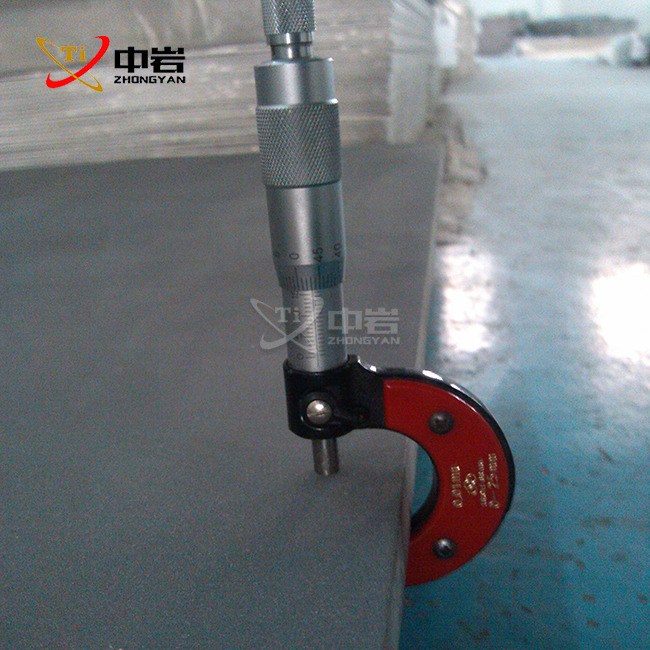
Precision production makes sure that surgery instruments fit and work correctly. To make sure they work with surgery tools and implant systems, medical titanium rods must stay within very tight size limits, usually ±0.05mm. The diameters range from 2 mm to 30 mm to fit different body shapes, and the lengths range from 100 mm to 3000 mm to allow for a variety of surgery methods.The quality of the surface finish has a big effect on both osseointegration and surgery handling. Surfaces that have been sandblasted and cleaned help bones connect, and the smooth smoothness makes them easy to enter during surgery.
Regulatory Compliance and Certifications
It is imperative that medical titanium rods meet the strict requirements set by international medical device standards. Product safety and effectiveness for human insertion are proven by FDA approval, CE marking, and ISO certification. To get these certificates, products must go through a lot of tests, such as biocompatibility, mechanical property, and cleanliness checks.Procurement teams have to make sure that sellers keep their certifications up to date and can provide all the necessary paperwork to show that they are following the rules. This process of checking keeps healthcare facilities from being sued and makes sure that patient safety standards are met.
Comparing Medical Titanium Rods: Making an Informed Decision
Strategic comparison of available options enables procurement professionals to balance performance requirements with cost considerations and supplier capabilities.
Material Performance Analysis
Titanium always does better than other materials in important performance measures. Titanium is better at resisting rust and magnetic fields than stainless steel. This means that people with implants can safely go through MRI scans. Titanium is non-ferromagnetic, which means it doesn't interact with medical imaging equipment. This has big practical benefits.While cobalt-chrome metals are stronger, they don't have the biocompatibility benefits of titanium. The lower inflammation response that comes with titanium implants helps people heal faster and have fewer complications, which more than justifies the higher cost of the material in most cases.
Supplier Evaluation and Market Options
There are both big global companies that make medical titanium and small, specialized companies that offer unique options. Major companies like Stryker, Zimmer, and DePuy Synthes offer wide ranges of products that have been clinically proven to work. Specialized makers, on the other hand, often offer better customizable options and more affordable prices for certain uses.To figure out what a provider can do, you need to look at their manufacturing quality systems, records of legal compliance, and expert support services. Suppliers should show that they are certified to ISO 9001:2015, have thorough quality control processes, and can provide quick customer service.
Procurement Strategies for Medical Titanium Rods in B2B Markets
Effective procurement strategies optimize cost efficiency while maintaining quality standards and ensuring reliable supply chain performance.
Supplier Partnership Development
Building long-term relationships with qualified providers has many benefits, such as giving you priority when supplies are low, letting you make unique products, and giving you better price. For relationships to work, everyone needs to be able to clearly understand the technical needs, quality standards, and completion dates.Regular performance reviews and checks of suppliers keep quality standards high and find ways to make the process better. When people work together, they often come up with new ideas that are perfect for each patient's needs.
Cost Optimization Strategies
When you buy in bulk, you usually save a lot of money and make sure you have enough supplies for normal operations. Buying medical titanium rod, on the other hand, requires balancing cost concerns with limited shelf life and changing clinical needs.Volume agreements can help sellers get better prices and plan their production more accurately. These setups work best for standard goods whose demand trends can be predicted.
Supply Chain Risk Management
Getting medical titanium rods from outside of the United States takes careful planning of details and following of rules in many different countries. Transportation issues include keeping the right temperature, avoiding contamination, and making sure that all the necessary paperwork is in order for medical devices.Diversified seller networks lower the risk of being dependent on one source and give you other options when your supply chain is interrupted. Keeping in touch with both main and secondary sources makes sure that supplies for important surgeries don't run out.
Zhongyan Titanium: Premium Medical Titanium Rod Solutions
Baoji Zhongyan Titanium Industry Co., Ltd. is one of the best companies that makes accurate medical titanium rods. They have decades of experience working with titanium and advanced production skills. Our center, which is in China's Titanium Valley, uses a lot of high-quality materials and the latest production technology to make high-quality parts for medical implants.
Product Portfolio and Specifications
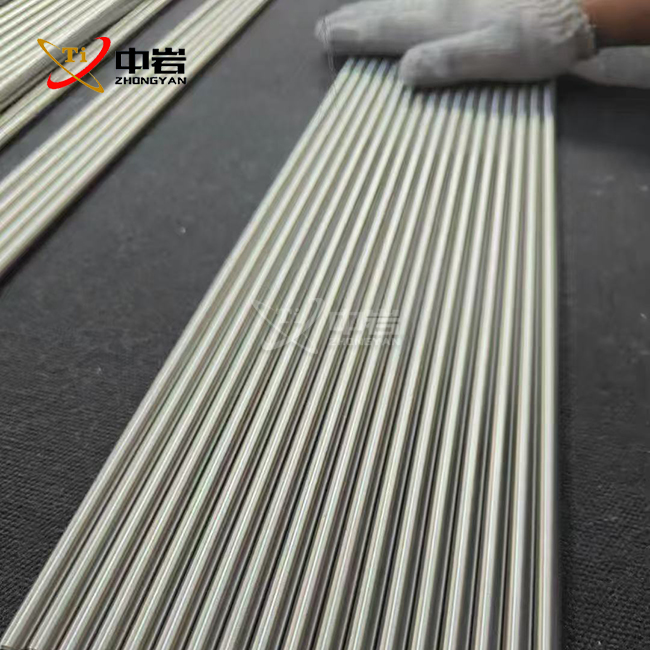
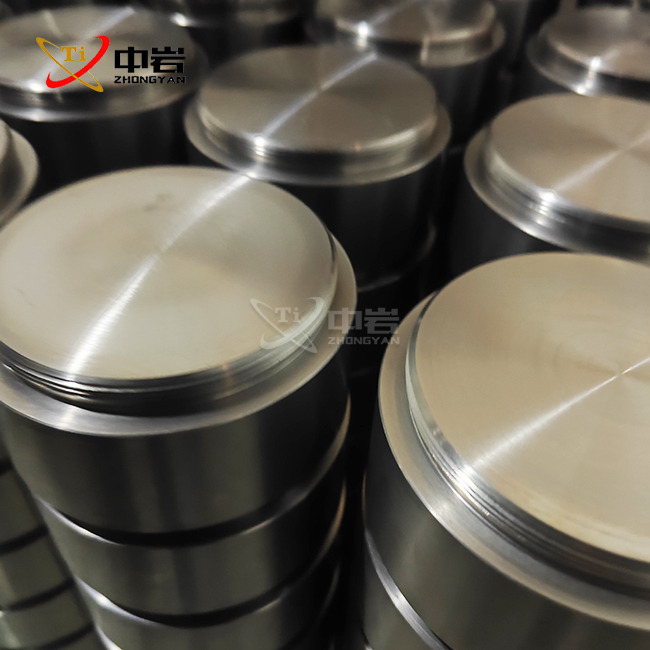
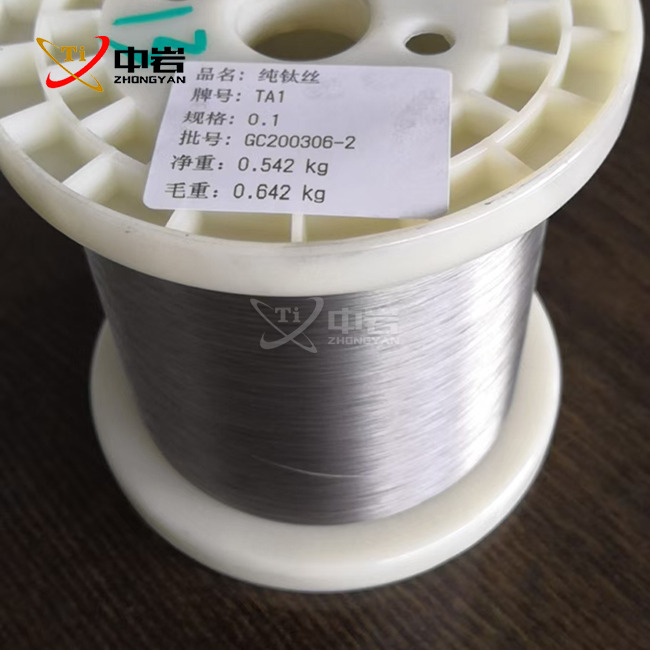
We offer both ASTM F67 Grade 2 commercially pure titanium and Ti-6Al-4V ELI Grade 23 alloys in our medical titanium rods. Our Grade 2 goods have tensile strengths of at least 345 MPa and yield strengths of at least 275 MPa. Our Grade 23 metal rods, on the other hand, have tensile strengths of at least 860 MPa and yield strengths of at least 795 MPa, which means they work better.Diameters range from 2.0 mm to 30.0 mm and lengths from 100 mm to 3000 mm, so they can be configured to fit a wide range of surgery needs. Some surface treatments are polishing, anodizing, and making unique finishes for medical uses. All of the goods are kept within precise limits of ±0.05mm and go through a lot of quality control tests.
Manufacturing Excellence and Quality Assurance
Our production facilities are state-of-the-art and have advanced CNC cutting, precise grinding, and specialized surface treatment tools. The combined production method makes sure that quality control is always the same, from choosing the raw materials to inspecting and packing the finished product. Every medical titanium rod goes through a lot of tests, such as checking the dimensions, making sure the mechanical properties are correct, and checking the quality of the surface.ISO 9001:2015 standards are followed by quality control systems, and ISO 13485 standards are followed when making medical devices. These certificates show that we are dedicated to doing a great job and give buying teams peace of mind that our qualifications have been checked.
Conclusion
To choose the right medical titanium rods for joint replacements, you need to carefully look at the qualities of the material, the size requirements, and the supplier's abilities. To get the best results, the process of making decisions has to find a mix between clinical needs, following the rules, and cost. Biocompatibility, mechanical strength, and resistance to rust are all qualities that make titanium the best material for hip implants. Long-term relationships with suppliers, thorough quality checks, and strategic supply chain management are all important parts of successful buying strategies that make sure people can always get high-quality medical implants that help surgeries go well and patients heal.
FAQ
What factors influence medical titanium rod pricing?
Pricing variations depend primarily on material grade, dimensional specifications, and order quantities. Grade 23 titanium alloy typically commands premium pricing compared to Grade 2 commercially pure material due to enhanced mechanical properties and more complex processing requirements. Custom dimensions or specialized surface treatments may incur additional costs, while volume orders generally qualify for favorable pricing structures.
How do titanium rods improve patient recovery outcomes?
Medical titanium rods accelerate recovery through superior biocompatibility that minimizes inflammatory responses and promotes natural bone integration. The lightweight characteristics reduce stress on surrounding tissues while corrosion resistance ensures long-term stability. Additionally, the non-magnetic properties allow safe diagnostic imaging throughout the recovery process, enabling healthcare providers to monitor healing progress effectively.
Which certifications are essential for medical titanium rod procurement?
Critical certifications include FDA approval for U.S. market access, CE marking for European compliance, and ISO 13485 for medical device quality management. Material specifications should conform to ASTM F67 for Grade 2 titanium or ASTM F136 for Grade 23 alloy formulations. Suppliers should also demonstrate ISO 9001:2015 certification and provide comprehensive documentation supporting biocompatibility testing results.
Partner with Zhongyan for Superior Medical Titanium Rod Solutions
Zhongyan Titanium delivers exceptional medical titanium rod solutions designed specifically for demanding orthopedic applications. Our comprehensive product portfolio includes both Grade 2 and Grade 23 titanium formulations, manufactured to precise specifications with complete regulatory compliance. As a trusted medical titanium rod supplier, we combine competitive pricing with reliable delivery schedules and comprehensive technical support. Contact our team at sales@titaniumstudy.com to discuss your specific requirements and discover how our expertise can support your medical device procurement objectives. Visit www.titaniumstudy.com to explore our complete range of precision titanium products and capabilities.
References
1. Niinomi, M. "Mechanical Properties of Biomedical Titanium Alloys in Orthopedic Applications." Journal of Biomedical Materials Research, 2019.
2. Williams, D.F. "Titanium in Medicine: Material Science, Surface Science, Engineering, Biological Responses and Medical Applications." Springer Medical Publishing, 2018.
3. Geetha, M., Singh, A.K., Asokamani, R., and Gogia, A.K. "Ti Based Biomaterials: The Ultimate Choice for Orthopedic Implants." Progress in Materials Science, 2020.
4. Rack, H.J. and Qazi, J.I. "Titanium Alloys for Biomedical Applications: Processing and Properties." Materials Science and Engineering, 2019.
5. Long, M. and Rack, H.J. "Titanium Alloys in Total Joint Replacement: A Materials Science Perspective." Biomaterials Research International, 2021.
6. Steinemann, S.G. "Titanium: The Material of Choice for Medical Implants and Devices." Clinical Materials in Orthopedic Surgery, 2020.
Learn about our latest products and discounts through SMS or email