- English
- French
- German
- Portuguese
- Spanish
- Russian
- Japanese
- Korean
- Arabic
- Greek
- German
- Turkish
- Italian
- Danish
- Romanian
- Indonesian
- Czech
- Afrikaans
- Swedish
- Polish
- Basque
- Catalan
- Esperanto
- Hindi
- Lao
- Albanian
- Amharic
- Armenian
- Azerbaijani
- Belarusian
- Bengali
- Bosnian
- Bulgarian
- Cebuano
- Chichewa
- Corsican
- Croatian
- Dutch
- Estonian
- Filipino
- Finnish
- Frisian
- Galician
- Georgian
- Gujarati
- Haitian
- Hausa
- Hawaiian
- Hebrew
- Hmong
- Hungarian
- Icelandic
- Igbo
- Javanese
- Kannada
- Kazakh
- Khmer
- Kurdish
- Kyrgyz
- Latin
- Latvian
- Lithuanian
- Luxembou..
- Macedonian
- Malagasy
- Malay
- Malayalam
- Maltese
- Maori
- Marathi
- Mongolian
- Burmese
- Nepali
- Norwegian
- Pashto
- Persian
- Punjabi
- Serbian
- Sesotho
- Sinhala
- Slovak
- Slovenian
- Somali
- Samoan
- Scots Gaelic
- Shona
- Sindhi
- Sundanese
- Swahili
- Tajik
- Tamil
- Telugu
- Thai
- Ukrainian
- Urdu
- Uzbek
- Vietnamese
- Welsh
- Xhosa
- Yiddish
- Yoruba
- Zulu
How to Select Optimal Titanium Blocks for Industry Use?
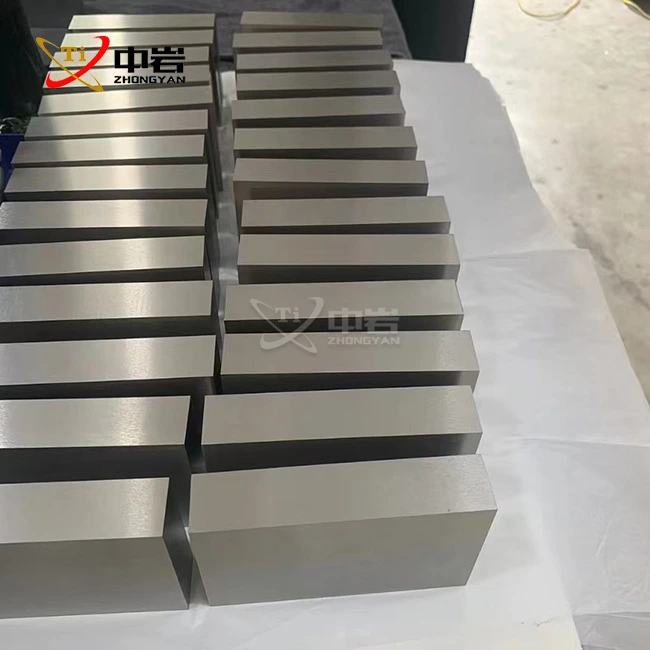
Selecting optimal titanium blocks for industrial applications requires understanding material properties, supplier capabilities, and specific application requirements. These high-performance materials offer exceptional strength-to-weight ratios, corrosion resistance, and biocompatibility across aerospace, medical, electronics, and chemical processing industries. Smart procurement decisions begin with matching titanium grades to operational demands, evaluating supplier certifications like ASTM and AMS compliance, and considering customization options. The selection process involves analyzing cost structures, lead times, and quality assurance protocols while ensuring materials meet stringent international standards for mission-critical applications.
Understanding Titanium Blocks — Key Properties and Manufacturing
Titanium blocks serve as fundamental raw materials across diverse manufacturing sectors, with their unique combination of properties making them indispensable for high-performance applications. These solid titanium forms provide manufacturers with the flexibility to machine complex components while maintaining structural integrity under extreme conditions. The aerospace industry relies heavily on titanium blocks for creating turbine components, structural elements, and fasteners that must withstand high temperatures and stress loads while minimizing weight penalties.
Chemical Composition and Grade Classifications
Understanding the chemical composition differences between titanium grades enables procurement professionals to make informed material selections. Grade 2 titanium, known as commercially pure titanium, contains 99.2% titanium with trace amounts of iron, oxygen, nitrogen, and hydrogen. This grade offers excellent corrosion resistance and formability, making it ideal for chemical processing equipment and marine applications where environmental resistance takes precedence over ultimate strength.
Grade 5 titanium, designated as Ti-6Al-4V, incorporates 6% aluminum and 4% vanadium, creating an alpha-beta alloy structure that significantly enhances mechanical properties. This aerospace-grade material achieves tensile strengths exceeding 130,000 psi while maintaining a density of only 4.43 g/cm³, roughly half that of steel. The alloying elements improve strength, hardness, and elevated temperature performance, making Grade 5 the preferred choice for aerospace structural components, medical implants, and high-performance automotive parts.
Manufacturing Process Excellence
The manufacturing process for premium titanium blocks begins with vacuum arc remelting, which ensures uniform chemical composition and eliminates inclusions that could compromise material performance. Hot isostatic pressing follows, applying simultaneous heat and pressure to achieve near-theoretical density and eliminate internal porosity. These manufacturing steps are crucial for applications requiring consistent mechanical properties throughout the material cross-section.
CNC machining capabilities enable the production of planar titanium targets with exceptional flatness and uniformity. These specialized products require surface finishes of Ra ≤0.4μm and dimensional tolerances measured in micrometers. The precision machining process involves multiple stages of roughing, semi-finishing, and finish operations using carbide tooling specifically designed for titanium applications.
Quality Control Standards and Certifications
Rigorous quality control protocols ensure titanium blocks meet international standards, including ASTM B348 for titanium bars and ASTM B381 for titanium forgings. Testing procedures include chemical analysis using inductively coupled plasma mass spectrometry (ICP-MS) to verify composition accuracy within specified limits. Mechanical testing encompasses tensile strength, yield strength, elongation, and impact resistance measurements conducted according to standardized test methods.
Ultrasonic inspection detects internal defects that could compromise structural integrity, while surface inspection identifies any irregularities that might affect downstream processing. Each titanium block shipment includes material certificates documenting test results, heat treatment history, and traceability information essential for quality assurance in regulated industries.
Comparing Titanium Blocks with Alternatives for Optimal Choice
Material selection decisions require a comprehensive analysis of performance characteristics, cost implications, and long-term operational benefits. Titanium blocks offer unique advantages over conventional materials like steel and aluminum, particularly in applications where multiple performance criteria must be simultaneously satisfied. The superior strength-to-weight ratio positions titanium as the optimal choice when weight reduction directly impacts system performance or operational costs.
Performance Attribute Analysis
Strength-to-weight ratio comparisons reveal titanium's exceptional performance advantages across multiple application scenarios. Grade 5 titanium achieves specific strength values of approximately 295,000 inches, significantly exceeding aluminum alloys at 230,000 inches and high-strength steels at 180,000 inches. This performance advantage translates directly into reduced structural weight, improved fuel efficiency in aerospace applications, and enhanced portability in medical devices.
Corrosion resistance represents another critical performance differentiator, with titanium demonstrating exceptional resistance to chloride environments, acidic solutions, and oxidizing conditions. Unlike stainless steel, which can experience pitting and crevice corrosion in marine environments, titanium maintains surface integrity even after extended exposure to seawater. This corrosion resistance eliminates the need for protective coatings and reduces long-term maintenance requirements.
Cost-Benefit Analysis Considerations
While titanium blocks command premium pricing compared to conventional materials, total cost of ownership calculations often favor titanium for long-term applications. Reduced maintenance requirements, extended service life, and elimination of protective coating systems contribute to lower lifecycle costs. The biocompatibility of medical-grade titanium eliminates the need for additional surface treatments or barrier layers required with other metallic materials.
Energy savings achieved through weight reduction can offset initial material premiums in transportation applications. Aerospace manufacturers calculate that each pound of weight reduction saves approximately $1,000 annually in fuel costs over typical aircraft service life. This economic benefit justifies the use of titanium blocks for structural components where weight reduction directly impacts operational efficiency.
Grade Selection Optimization
Selecting the appropriate titanium grade requires matching material properties to specific application requirements while considering cost implications and availability. Grade 2 titanium excels in corrosion-resistant applications where moderate strength requirements allow for cost optimization. Chemical processing equipment, marine hardware, and architectural applications benefit from Grade 2's excellent formability and weldability characteristics.
Grade 5 titanium becomes necessary when high strength and elevated temperature performance are required. Aerospace components, performance automotive parts, and medical implants utilize Grade 5's superior mechanical properties to achieve design objectives impossible with lower-strength alternatives. The additional cost of alloying elements is justified by enhanced performance capabilities and reduced component weight.
Procurement Considerations for Titanium Blocks
Strategic procurement of titanium blocks requires understanding market dynamics, supplier capabilities, and logistics considerations that impact project timelines and costs. Effective procurement professionals develop relationships with qualified suppliers while maintaining flexibility to adapt to changing project requirements. The specialized nature of titanium processing means that supplier selection significantly impacts product quality and delivery reliability.
Supplier Capability Assessment
Evaluating supplier manufacturing capabilities ensures alignment between production requirements and available resources. Advanced suppliers operate vacuum melting facilities, hot isostatic pressing equipment, and precision machining centers capable of achieving tight dimensional tolerances. These capabilities are essential for producing high-quality titanium blocks that meet aerospace and medical industry standards.
Quality management systems provide insight into supplier reliability and consistency. ISO 9001:2015 certification indicates established quality procedures, while AS9100 certification demonstrates aerospace industry expertise. Suppliers with multiple certifications typically maintain more robust quality systems and demonstrate commitment to continuous improvement processes.
Order Optimization Strategies
Bulk purchasing strategies can significantly reduce per-unit costs while ensuring adequate inventory for production planning. Titanium market prices fluctuate based on raw material availability, energy costs, and global demand patterns. Strategic buyers monitor market trends and place orders during favorable pricing periods to optimize procurement costs.
Custom sizing and processing services add value by reducing downstream machining requirements and material waste. Suppliers offering near-net-shape processing can deliver titanium blocks with dimensions closely matching final part requirements. This service reduces customer machining time, extends tool life, and minimizes material waste, creating cost savings that often exceed the additional processing charges.
Lead Time Management
Titanium block production involves multiple manufacturing stages that impact delivery schedules. Vacuum melting, forging, heat treatment, and inspection processes typically require 8-12 weeks for standard products. Custom specifications may extend lead times to 14-16 weeks, particularly when special chemistry or non-standard dimensions are required.
Planning procurement schedules around these lead times prevents production delays and reduces the need for expedited shipping. Experienced procurement teams maintain buffer inventory for critical applications while coordinating delivery schedules with production planning departments. This coordination ensures material availability when needed without excessive inventory carrying costs.
How to Evaluate and Choose Your Titanium Blocks Supplier
Supplier selection decisions significantly impact product quality, delivery reliability, and long-term project success. The specialized nature of titanium processing means that supplier capabilities vary considerably, making a thorough evaluation essential for risk mitigation. Successful partnerships develop through careful assessment of technical capabilities, quality systems, and service commitment.
Industry Reputation and Track Record
Established titanium suppliers build reputations through consistent performance across multiple industries and applications. Companies with aerospace industry experience typically maintain the highest quality standards and most rigorous testing procedures. This experience translates into a better understanding of customer requirements and the ability to provide technical support throughout the procurement process.
Customer references provide valuable insight into supplier performance under real-world conditions. Discussions with existing customers reveal information about delivery reliability, quality consistency, and responsiveness to technical issues. This feedback helps procurement teams assess whether potential suppliers can meet their specific requirements and service expectations.
Certification and Standards Compliance
Multiple industry certifications indicate supplier commitment to quality excellence and regulatory compliance. ASTM B348 compliance ensures titanium bars meet standardized composition and mechanical property requirements. AMS specifications provide additional requirements for aerospace applications, including stricter tolerances and enhanced testing protocols.
ISO 13485 certification demonstrates capability for medical device applications, while NADCAP accreditation validates specialized processing capabilities. These certifications require regular audits and continuous compliance monitoring, assuring that suppliers maintain consistent quality standards throughout their operations.
Technical Support and Services
Comprehensive technical support capabilities distinguish premium suppliers from commodity providers. Engineering teams with materials expertise can assist with grade selection, specification development, and application optimization. This support is particularly valuable when developing new products or entering unfamiliar application areas.
Value-added services such as custom machining, surface treatment, and packaging extend supplier capabilities and reduce customer processing requirements. Suppliers offering these services can streamline supply chains and reduce total procurement costs while maintaining quality control throughout the manufacturing process.
Practical Tips for Selecting Optimal Titanium Blocks
Successful titanium block selection requires systematic evaluation of application requirements, material properties, and supplier capabilities. Experienced engineers develop selection criteria that prioritize the most critical performance characteristics while considering cost and availability constraints. This structured approach ensures optimal material choices that meet both immediate needs and long-term objectives.
Application-Specific Requirements Analysis
Different industries emphasize varying performance characteristics when selecting titanium blocks. Aerospace applications prioritize strength-to-weight ratio and elevated temperature performance, often justifying premium grades and specialized processing. Medical applications emphasize biocompatibility and corrosion resistance, with surface finish requirements that may necessitate additional processing steps.
Chemical processing applications focus on corrosion resistance and material purity, with chemistry requirements that may exclude certain alloying elements. Electronics applications, particularly sputtering targets, require exceptional purity levels and precise dimensional control to ensure consistent coating performance.
Dimensional and Tolerance Considerations
Specifying appropriate dimensions and tolerances optimizes both material utilization and processing costs. Oversized blocks provide machining allowance for achieving final dimensions but increase material costs and waste generation. Undersized blocks may compromise final part quality if insufficient material remains for achieving specified tolerances.
Standard block sizes typically offer the best combination of availability and cost-effectiveness. Custom dimensions may be justified when material savings exceed the additional processing costs, particularly for high-volume applications where tooling investments can be amortized across multiple orders.
Best Practices Implementation
Successful procurement teams establish standard operating procedures that ensure consistent material selection and supplier evaluation. These procedures include approved vendor lists, qualification requirements, and performance monitoring systems that track delivery reliability and quality metrics.
Documentation requirements ensure traceability and regulatory compliance throughout the supply chain. Material certificates, test reports, and processing records provide essential information for quality assurance and regulatory submissions in aerospace and medical applications.
Zhongyan Titanium: Your Trusted Partner for Premium Titanium Solutions
Zhongyan Titanium stands as a leading titanium blocks manufacturer, delivering exceptional quality and precision to global industries requiring advanced materials solutions. Located in China's Titanium Valley, our comprehensive manufacturing capabilities encompass everything from standard titanium blocks to specialized planar titanium targets designed for semiconductor and optical coating applications. Our commitment to excellence ensures every product meets rigorous international standards, including ASTM, AMS, and ISO certifications.
Our state-of-the-art facility produces high-purity Grade 1 and Grade 2 planar titanium targets with purity levels exceeding 99.995%, specifically engineered for physical vapor deposition processes. These precision-machined components feature exceptional flatness and uniformity, making them ideal for semiconductor manufacturing, display technology, and optical coating applications. Custom sizes and thicknesses accommodate diverse project requirements while maintaining the stringent quality standards demanded by high-tech industries.
The advantages of partnering with Zhongyan extend beyond product quality to encompass comprehensive customer support and flexible manufacturing capabilities. Our CNC machining services deliver dimensional accuracy within micrometers, while our quality control systems ensure consistent material properties throughout production runs. OEM packaging and branding support streamline customer supply chains while maintaining brand identity requirements.
These capabilities combine to solve critical production challenges facing modern manufacturers. Consistent material quality eliminates process variations that can compromise coating uniformity in semiconductor applications. Reliable delivery schedules support just-in-time manufacturing strategies while reducing inventory carrying costs. Technical support services assist customers with specification development and application optimization, ensuring optimal performance in demanding applications.
Conclusion
Selecting optimal titanium blocks requires a comprehensive understanding of material properties, application requirements, and supplier capabilities. The decision-making process involves evaluating strength-to-weight ratios, corrosion resistance, and biocompatibility characteristics against specific performance criteria. Grade selection between commercially pure and alloyed titanium depends on mechanical property requirements and operating environment conditions. Supplier evaluation encompasses quality certifications, manufacturing capabilities, and technical support services that ensure long-term project success. Strategic procurement considers market dynamics, lead times, and cost optimization opportunities while maintaining quality standards. These considerations enable procurement professionals to make informed decisions that optimize both immediate performance and long-term value.
FAQ
What factors determine titanium block pricing?
Titanium block pricing depends on several key variables, including material grade, dimensions, quantity, and market conditions. Grade 5 titanium typically costs 20-30% more than Grade 2 due to alloying element content and processing complexity. Custom dimensions and special requirements increase costs compared to standard sizes. Market fluctuations in raw material prices, energy costs, and global demand patterns influence pricing cycles throughout the year.
How do I determine the correct titanium grade for my application?
Grade selection depends on specific performance requirements and operating conditions. Grade 2 titanium suits applications requiring excellent corrosion resistance with moderate strength requirements, such as chemical processing equipment and marine components. Grade 5 titanium becomes necessary when high strength, elevated temperature performance, or superior fatigue resistance are required, such as aerospace structural components and medical implants.
What lead times should I expect for custom titanium blocks?
Standard titanium block orders typically require 8-12 weeks from order placement to delivery. Custom specifications, special chemistry requirements, or non-standard dimensions may extend lead times to 14-16 weeks. Expedited processing is sometimes available for critical applications but may involve premium pricing. Planning procurement schedules around these lead times prevents production delays and reduces expediting costs.
What quality certifications should I look for in suppliers?
Essential quality certifications include ISO 9001:2015 for basic quality management systems, with AS9100 certification indicating aerospace industry capability. ASTM and AMS compliance ensure materials meet standardized specifications, while NADCAP accreditation validates specialized processing capabilities. Medical applications may require ISO 13485 certification for medical device manufacturing.
Contact Zhongyan for Your Titanium Blocks Requirements
Zhongyan Titanium delivers precision-engineered titanium blocks and specialized sputtering targets that meet the most demanding industrial applications. Our expertise in producing high-purity planar titanium targets with exceptional dimensional accuracy positions us as your preferred titanium blocks supplier for semiconductor, aerospace, and medical manufacturing needs. Located in China's Titanium Valley, we leverage advanced manufacturing capabilities and strict quality control to ensure every product exceeds international standards. Contact our technical team at sales@titaniumstudy.com to discuss your specific requirements and discover how our custom solutions can optimize your manufacturing processes while ensuring reliable, on-time delivery for your critical projects.
References
1. Boyer, R.R., Welsch, G., & Collings, E.W. "Materials Properties Handbook: Titanium Alloys." ASM International, Materials Park, Ohio, 1994.
2. Donachie, M.J. "Titanium: A Technical Guide, 2nd Edition." ASM International, Materials Park, Ohio, 2000.
3. Peters, M., Kumpfert, J., Ward, C.H., & Leyens, C. "Titanium Alloys for Aerospace Applications." Advanced Engineering Materials, Vol. 5, No. 6, 2003.
4. Rack, H.J. & Qazi, J.I. "Titanium Alloys for Biomedical Applications." Materials Science and Engineering: C, Vol. 26, No. 8, 2006.
5. Schutz, R.W. & Thomas, D.E. "Corrosion of Titanium and Titanium Alloys." ASM Handbook, Volume 13B, Corrosion: Materials, ASM International, 2005.
6. Lutjering, G. & Williams, J.C. "Titanium: Engineering Materials and Processes, 2nd Edition." Springer-Verlag, Berlin Heidelberg, 2007.
Learn about our latest products and discounts through SMS or email