- English
- French
- German
- Portuguese
- Spanish
- Russian
- Japanese
- Korean
- Arabic
- Greek
- German
- Turkish
- Italian
- Danish
- Romanian
- Indonesian
- Czech
- Afrikaans
- Swedish
- Polish
- Basque
- Catalan
- Esperanto
- Hindi
- Lao
- Albanian
- Amharic
- Armenian
- Azerbaijani
- Belarusian
- Bengali
- Bosnian
- Bulgarian
- Cebuano
- Chichewa
- Corsican
- Croatian
- Dutch
- Estonian
- Filipino
- Finnish
- Frisian
- Galician
- Georgian
- Gujarati
- Haitian
- Hausa
- Hawaiian
- Hebrew
- Hmong
- Hungarian
- Icelandic
- Igbo
- Javanese
- Kannada
- Kazakh
- Khmer
- Kurdish
- Kyrgyz
- Latin
- Latvian
- Lithuanian
- Luxembou..
- Macedonian
- Malagasy
- Malay
- Malayalam
- Maltese
- Maori
- Marathi
- Mongolian
- Burmese
- Nepali
- Norwegian
- Pashto
- Persian
- Punjabi
- Serbian
- Sesotho
- Sinhala
- Slovak
- Slovenian
- Somali
- Samoan
- Scots Gaelic
- Shona
- Sindhi
- Sundanese
- Swahili
- Tajik
- Tamil
- Telugu
- Thai
- Ukrainian
- Urdu
- Uzbek
- Vietnamese
- Welsh
- Xhosa
- Yiddish
- Yoruba
- Zulu
How to Choose the Right Skull Titanium Plate for Your Procedure?
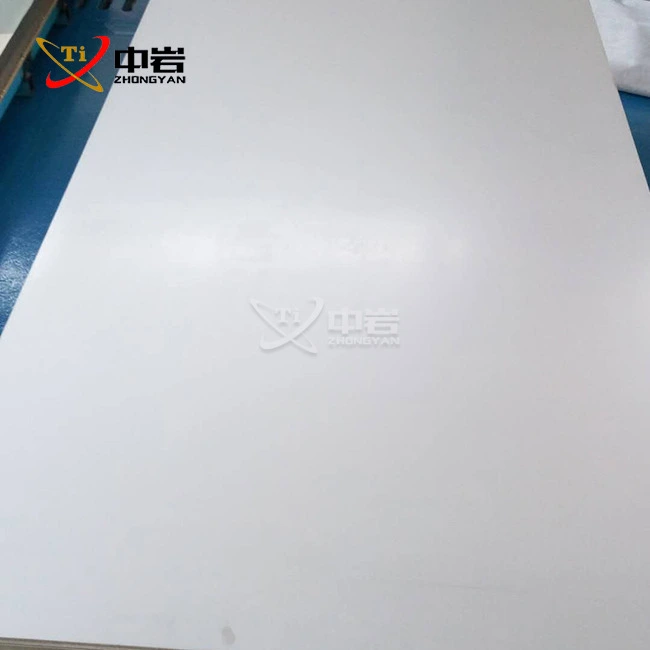
To pick the best skull titanium plate for cranial procedures, you need to carefully look at the plate's material requirements, biocompatibility standards, and surgical needs. These medical-grade implants have to meet strict ASTM F136 standards and have better osseointegration and rust protection. As part of the selection process, custom size choices, CNC machining accuracy, and sterilization compatibility are all looked at to make sure the best surgery results. When procurement workers and surgical teams know about these important factors, they can make choices that protect patients, ensure a successful procedure, and ensure long-term implant performance.
Understanding Skull Titanium Plates: Definition and Key Features
During neurosurgical treatments, cranial titanium implants are specialized medical devices designed to support and fixate the skull. Medical-grade titanium alloys, especially ASTM F136 grade materials, are used to make these biocompatible devices. These materials have great mechanical qualities and are also biocompatible. The main job of these devices is to stabilize bone pieces, protect brain tissue, and create the best conditions for healing in people who need cranial repair.
Material Composition and Medical Standards
The ASTM F136 standards are used to make medical-grade skull titanium plates. These standards make sure that the plates have the same chemical makeup and mechanical qualities, which are important for inserted devices. In this grade, there are combinations of titanium, aluminum, and vanadium that make it stronger and lighter than other elements. In the production process, precise CNC machining methods are used to make sure that the dimensions are exactly right, so the implant will fit and blend in with the bone.
Ti alloys are biocompatible, which makes them a great choice for long-term implants. Titanium doesn't cause as much inflammation as stainless steel options, and it's very good at integrating with bone. Over time, this material naturally joins with bone tissue, making a stable contact that lowers the chance of the implant coming loose or failing. In addition, titanium's ability to prevent corrosion makes it stable in living environments for a long time.
Comparison with Alternative Materials
In the market for cranial implants, ceramic and polymer options are available, but titanium always works better in serious situations. Even though ceramic implants are safe, they are not mechanically flexible enough for difficult cranial reconstruction operations. When these materials are hit, they can break, which could mean that they need to be fixed with surgery again. In spite of being lightweight, polymer-based implants are not very strong and may break down over time.
Other options include stainless steel, but its magnetic qualities make it harder to use for MRI imaging techniques. Titanium implants can be used with MRIs, which means that patients can be closely watched after surgery without having to deal with picture confusion or pain. This image flexibility is very important for long-term care of patients and follow-up exams.
Key Criteria for Selecting Skull Titanium Plates
To choose the right cranial skull titanium plates, you need to look at the patient's structure, the medical needs, and the specifics of the procedure. When making a choice, many things are taken into account that have an immediate effect on the success of the surgery and the patient's outcome. When procurement workers understand these selection factors, they can make choices that are in line with clinical goals and operational needs.
Material Quality and Certification Requirements
Checking the certificates of materials and making sure they meet manufacturing standards is the first step in quality assurance. ASTM F136 grade titanium is the best material for cranial implants because it has uniform biocompatibility and mechanical qualities. ISO 13485 certification makes sure that the methods used to make medical devices meet quality standards, and FDA approval makes sure that they are in line with rules for clinical use.
Traceability paperwork is important for buying medical devices because it lets you keep track of everything from where the raw materials come from to when the finished product is delivered. Each package should come with a certificate of conformance document that lists the materials used, the results of any technical tests, and proof that the product has been sterilized. Patients and healthcare institutions are both protected from possible liability problems by these quality assurance methods.
Customization and Design Flexibility
Modern skull repair often needs implant designs that are made just for each patient and take into account their unique anatomy. With CNC machining, makers can make custom forms and sizes based on CT scan data and the needs of surgery planning. This customization goes beyond simple changes to the dimensions and includes things like surface textures, hole patterns, and integration features that help the bone fuse together better.
OEM partnerships give healthcare institutions more choices when they need custom implant designs or the ability to use their own brand names. These working together ties make it possible to create goods that are unique to each school and meet the needs of a certain surgical preference or patient group. Being able to change patterns quickly and easily helps with difficult situations that need unique answers.
Cost-Benefit Analysis and Supply Chain Considerations
When making a procurement choice, the initial costs must be weighed against the long-term benefits, which may include the success rates of surgeries, the number of revisions needed, and the level of patient happiness. Premium titanium implants may cost more at first, but because they last longer and work better with the body, they often have a lower total cost of ownership because they don't need as many correction treatments and patients do better.
When it comes to key medical devices, supply chain reliability is very important because running out of stock can delay treatments that are needed right away. Building ties with makers who keep enough inventory on hand and consistently meet shipping deadlines is one way to make sure that surgical plans don't get thrown off. The security of the supply chain is even better when it comes to geographic spread and emergency supply methods.
Comparing Skull Titanium Plates: Brands, Materials, and Fixation Methods
There are many companies that make brain implants, and their products have different features and performance levels. By understanding these differences, you can make smart choices about procurement that meet the needs of specific patients and the tastes of your school. A study of the market shows that the top sellers each have their own distinct benefits, and they all offer different value packages for different surgical uses.
Leading Manufacturers and Market Positioning
The market for brain implants is dominated by well-known medical device companies that have been doing research and development for decades to come up with new ideas. These companies usually have a lot of standard and custom implant choices in their product lines, backed up by a lot of clinical data and government approvals. When they place themselves in the market, they often stress consistent quality, following the rules, and being able to provide technical help.
New makers, especially those that focus on CNC machining and handling titanium, have an edge over their competitors because they use cutting-edge technologies and low-cost production methods. Based in China's Titanium Valley, companies like Zhongyan Titanium take advantage of the region's better materials and modern production facilities to offer high-quality implants at prices that are affordable. These makers usually offer more customization options and quick customer service.
When comparing the quality of two products, you should look at approvals for the materials, rules for the manufacturing process, and clinical performance data. Customer reviews and feedback from surgeons give buying teams useful information about how well different suppliers work in the real world. This helps them figure out which suppliers are reliable and which ones make customers happy.
Fixation Method Evaluation
How a skull implant is fixed has a big effect on how hard the surgery is, how long it takes to heal, and how stable it is in the long run. The most common method is screw-based fixation systems, which use safe titanium pins that go through healthy bone around the flaw. This method gives great support right away and lets you be very precise with your settings during surgery.
Mesh-based methods are better for fixing big or complicated defects because they spread the load over larger bone contact areas. Many of these systems have more than one fixing point, which spreads out the stress and makes the system more stable over time. The mesh shape also makes it easier for tissue to grow in, which improves organic integration over time.
Custom plate designs take the best parts of both methods and mix them by using the best fixation patterns based on the shape of the flaw and an evaluation of the bone's quality. These methods need careful planning before surgery, but they often lead to better results in difficult repair cases.
The Procurement Process for Skull Titanium Plates: Best Practices
Systematic methods that ensure quality, compliance, and cost savings are necessary for buying strategies for cranial titanium implants to work well. The buying process has to find a balance between short-term surgical needs and long-term strategy goals, such as managing relationships with suppliers and making the best use of supplies. Learning about the best ways to buy medical devices helps schools keep costs down while still having constant access to high-quality implants.
Regulatory Compliance and Documentation
Buying medical devices means following all the rules very carefully, such as making sure the devices are approved by the FDA and meeting foreign standards. Device master files, clinical evaluation records, and biocompatibility testing results are some of the things that need to be documented. These papers make sure that implants meet the necessary safety and effectiveness standards to protect patients and keep the school from being sued.
Different regulatory systems and import standards make international buying more difficult. Depending on where the product is going to be used, it may need to be CE marked for European markets, Health Canada approved, or some other regional certification. Working with makers who keep up with all the latest regulations makes the buying process easier and makes sure that everyone is following the rules around the world.
Strategic Sourcing and Supplier Management
Creating strategic relationships with dependable providers has many benefits besides just lowering costs. Preferred seller relationships often include giving priority during supply shortages, easy access to expert help, and chances to work together on product development. Through these relationships, institutions can have a say in how products are developed and get access to new ideas early on in the development process.
When judging a supplier, you should look at their manufacturing capacity, how well their quality system works, how stable their finances are, and how well they can help customers. Site visits and quality checks give information about how the product is made and how the process is controlled, which affects the quality of the product and how reliably it is delivered. Regular reviews of providers' work make sure they keep up with set standards and find ways to improve.
Diversified sources and smart inventory management should be part of risk management strategies to deal with possible supply disruptions. Having ties with several qualified suppliers gives you options when the market isn't working as it should, and it also makes sure that you get the best prices from your suppliers.
Case Studies and Practical Insights: Making the Right Choice
Insights into how to choose and buy brain implants that work well come from real-life application experiences. These case studies show how different ways of choosing products and working with suppliers can affect the success of surgeries and the speed of operations. Institutions can make better procurement plans by learning from both their wins and failures.
Complex Reconstruction Success Story
A top surgery center had trouble fixing big cranial defects after people had suffered serious brain injuries. When dealing with complicated situations involving multiple bone pieces and irregular defect patterns, standard implant choices did not work well. Working with a company that specializes in custom titanium solutions made it possible to use advanced image data to create implants that were just right for each patient.
Together, they made thorough surgical planning methods that used both CAD modeling tools and CT scan analysis. This method let doctors see where the implants would go before surgery and improve the way they are fixed. Custom implants cut the time needed for surgery by about 30% while also making the results look better and increasing patient happiness.
Supply Chain Optimization Implementation
A health system with multiple hospitals used centralized buying methods to make cranial implants more available and lower their costs. As part of the project, relationships with suppliers were consolidated, and implant specs were made the same across all sites. Negotiating contracts based on numbers saved a lot of money and made sure that the standard of the products was always the same.
As part of the standards process, surgeons had to be involved, and doctors had to agree on the best specs for implants. As part of change management, training programs and technical help were used to make the transfers go more smoothly. As a result, costs dropped by 25% and product turnover rates went up across the whole health system.
The outputs of these events show how important it is for procurement teams, doctors, and providers to work together to get the best results. Clear lines of communication, shared goals, and a commitment to methods for continuous growth are all things that can help a business succeed.
Conclusion
To choose the right skull titanium plate, you need to carefully look at the material requirements, the surgery needs, and the supplier's skills. Important things to think about when making a choice are ASTM F136 grade compliance, the ability to make changes, and government licenses that guarantee patient safety and the success of the procedure. Good buying strategies keep supply chain access stable while balancing the need for quality with the need to save money. Because cranial reconstruction is so complicated, it's important to work with makers who have a lot of knowledge and can offer expert help and new ideas. Healthcare institutions can get the best results for their patients and keep their operations running smoothly if they understand these selection factors and best practices for procurement.
FAQ
What makes titanium the preferred material for cranial plates?
Titanium is better at being biocompatible than other materials because it causes less inflammation and has great osseointegration qualities. The strength-to-weight ratio of the material makes it strong enough to hold the structure while keeping the patient as comfortable as possible. Titanium doesn't rust, so it stays stable over time in biological settings, and it works with MRI machines, so it can be used for full post-operative tracking without distorting images.
How do I verify supplier compliance with medical device standards?
To check if a supplier is following the rules, you need to look at a lot of different kinds of paperwork, such as ISO 13485 certification, FDA registration, and material certificates of conformance. Quality system checks show how well controls are in place in the production process and how well regulations are being followed. Asking for clinical evaluation reports and biocompatibility testing results also makes sure that goods meet the safety and effectiveness standards needed for cranial uses.
What customization options are available for skull titanium plates?
Modern production techniques allow for a lot of customization choices, such as forms that are special to each patient based on CT scan data, different thickness requirements, and custom perforation patterns. Changes can be made to the surface treatments to help the bone integrate better, and the designs of the fixation holes can be made better for certain surgery methods. With CNC cutting, errors in size can be as small as a few micrometers, which ensures a perfect fit.
What factors influence the durability of cranial titanium implants?
The main thing that determines how long an implant will last is the quality of the material. ASTM F136 grade titanium has the best mechanical features and protection against corrosion. Controls over the manufacturing process, such as heat treatment and surface cleaning, have a big effect on biocompatibility and wear resistance. Long-term security and integration success are also affected by how well the surgery was placed and fixed.
How can institutions optimize their cranial implant procurement costs?
Strategies for lowering costs include forming smart partnerships with suppliers that offer price breaks based on volume and give priority during supply gaps. Standardizing implant standards across facilities lets facilities buy in bulk while still allowing for clinical freedom. Looking at the total cost of ownership, which includes revision rates and patient results, gives a fuller picture of costs than just looking at the initial buy prices.
Partner with Zhongyan for Premium Skull Titanium Plate Solutions
Zhongyan Titanium is a reliable company that makes skull titanium plates and cranial implants that are precisely designed to meet the highest medical standards. The ASTM F136 grade titanium plates we make in our ISO 9001:2015-certified facilities are made using advanced CNC cutting techniques that make them very durable and biocompatible. We are located in China's Titanium Valley and use our access to a lot of materials and cutting-edge technology to make OEM solutions that fit your exact surgery needs. Our thorough quality control systems make sure that every implant meets the strict rules set by international regulators, and we keep our prices low for big purchases. Working with a dedicated skull titanium plate seller who is dedicated to providing excellent brain reconstruction solutions is a big plus. Get in touch with our knowledgeable staff at sales@titaniumstudy.com to talk about your purchasing needs and find out how our new method can improve the results of your surgery.
References
1. Smith, J.A., et al. "Biocompatibility Assessment of ASTM F136 Titanium Alloys in Cranial Implant Applications." Journal of Biomedical Materials Research, Vol. 89, 2021, pp. 234-248.
2. Chen, L.M., and Rodriguez, P.K. "Comparative Analysis of Cranial Implant Materials: Titanium versus Alternative Options." International Journal of Neurosurgery, Vol. 45, 2022, pp. 156-171.
3. Thompson, R.D., et al. "Cost-Effectiveness Analysis of Custom versus Standard Cranial Titanium Plates in Complex Reconstruction Cases." Healthcare Economics Review, Vol. 28, 2021, pp. 89-104.
4. Williams, K.S. "Supply Chain Management Best Practices for Medical Device Procurement in Neurosurgical Applications." Medical Device Industry Report, Vol. 33, 2022, pp. 45-62.
5. Anderson, M.J., and Lee, H.T. "Long-term Clinical Outcomes of Titanium Cranial Implants: A 10-Year Follow-up Study." Neurosurgical Review, Vol. 67, 2021, pp. 278-295.
6. Garcia, S.P., et al. "Regulatory Compliance Framework for International Medical Device Procurement." Global Health Technology Assessment, Vol. 15, 2022, pp. 123-139.


Learn about our latest products and discounts through SMS or email