- English
- French
- German
- Portuguese
- Spanish
- Russian
- Japanese
- Korean
- Arabic
- Greek
- German
- Turkish
- Italian
- Danish
- Romanian
- Indonesian
- Czech
- Afrikaans
- Swedish
- Polish
- Basque
- Catalan
- Esperanto
- Hindi
- Lao
- Albanian
- Amharic
- Armenian
- Azerbaijani
- Belarusian
- Bengali
- Bosnian
- Bulgarian
- Cebuano
- Chichewa
- Corsican
- Croatian
- Dutch
- Estonian
- Filipino
- Finnish
- Frisian
- Galician
- Georgian
- Gujarati
- Haitian
- Hausa
- Hawaiian
- Hebrew
- Hmong
- Hungarian
- Icelandic
- Igbo
- Javanese
- Kannada
- Kazakh
- Khmer
- Kurdish
- Kyrgyz
- Latin
- Latvian
- Lithuanian
- Luxembou..
- Macedonian
- Malagasy
- Malay
- Malayalam
- Maltese
- Maori
- Marathi
- Mongolian
- Burmese
- Nepali
- Norwegian
- Pashto
- Persian
- Punjabi
- Serbian
- Sesotho
- Sinhala
- Slovak
- Slovenian
- Somali
- Samoan
- Scots Gaelic
- Shona
- Sindhi
- Sundanese
- Swahili
- Tajik
- Tamil
- Telugu
- Thai
- Ukrainian
- Urdu
- Uzbek
- Vietnamese
- Welsh
- Xhosa
- Yiddish
- Yoruba
- Zulu
How the Titanium Rotatable Adapter boosts modular prosthetic design?
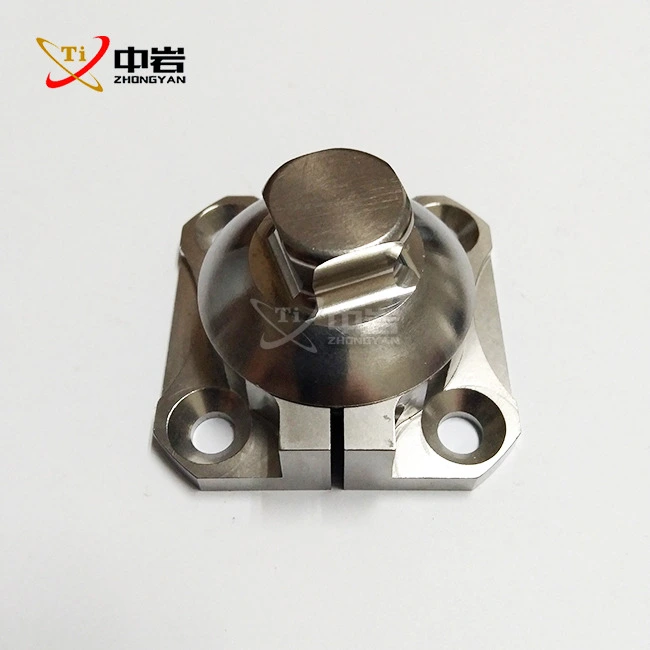
The Titanium Rotatable Adapter has revolutionized the field of modular prosthetic design, offering unprecedented flexibility and functionality for amputees. This innovative component serves as a crucial link between different prosthetic modules, allowing for seamless rotation and adjustment. By incorporating high-grade titanium alloy, these adapters provide an optimal balance of strength, durability, and lightweight properties. The rotatable feature enables prosthetic limbs to mimic natural movement more accurately, significantly enhancing the user's comfort and mobility. Furthermore, the modular nature of these adapters facilitates easy customization and maintenance of prosthetic devices, making them more accessible and adaptable to individual needs. As we delve deeper into the impact of Titanium Rotatable Adapters, we'll explore how they're reshaping the landscape of prosthetic technology and improving the quality of life for countless individuals worldwide.
The Role of Titanium Rotatable Adapters in Enhancing Prosthetic Functionality
Improved Range of Motion
The Titanium Rotatable Adapter plays a pivotal role in enhancing the range of motion in prosthetic limbs. By allowing for smooth rotation between different components, these adapters enable prosthetic users to perform a wider array of movements with greater ease and naturalness. The precision-engineered design of the Titanium Rotatable Adapter ensures that each movement is fluid and controlled, mimicking the natural biomechanics of human joints. This improved range of motion is particularly beneficial for activities that require complex movements, such as sports or intricate manual tasks. The adapter's ability to rotate seamlessly reduces strain on other parts of the body, preventing compensatory movements that could lead to discomfort or injury over time. Moreover, the durability of titanium ensures that this enhanced functionality remains consistent even with prolonged use, making the Titanium Rotatable Adapter an integral component in modern prosthetic design.
Enhanced Customization Options
One of the most significant advantages of the Titanium Rotatable Adapter is the enhanced customization options it provides in prosthetic design. The modular nature of these adapters allows prosthetists to fine-tune the alignment and positioning of prosthetic components to match each user's unique physiology and needs. This level of customization is crucial for achieving optimal comfort and functionality. The Titanium Rotatable Adapter can be adjusted to accommodate different walking styles, activity levels, and even specific occupational requirements. Its versatility enables the creation of prosthetic solutions that are truly tailored to the individual, rather than a one-size-fits-all approach. Furthermore, as the user's needs change over time, the adaptability of the Titanium Rotatable Adapter allows for easy modifications without the need for a complete prosthetic replacement, making it a cost-effective and user-friendly solution in the long term.
Improved Weight Distribution
The Titanium Rotatable Adapter significantly contributes to improved weight distribution in prosthetic limbs. The lightweight yet strong properties of titanium make it an ideal material for this purpose. By optimizing the weight distribution, the adapter helps reduce the overall load on the residual limb, minimizing discomfort and fatigue for the user. This is particularly crucial for individuals who are active or need to wear their prosthetics for extended periods. The rotatable feature of the adapter allows for dynamic weight shifting during movement, which more closely resembles natural limb function. This dynamic weight distribution not only enhances comfort but also improves balance and stability, reducing the risk of falls and injuries. The Titanium Rotatable Adapter's role in weight distribution extends beyond mere comfort; it plays a vital part in promoting long-term joint health and preventing secondary complications that can arise from improper load bearing in prosthetic use.
Material Advantages of Titanium in Rotatable Adapters
Corrosion Resistance and Durability
The use of titanium in Rotatable Adapters brings significant advantages in terms of corrosion resistance and durability. Titanium's inherent properties make it highly resistant to corrosion, even in harsh environments or when exposed to bodily fluids. This corrosion resistance is crucial for maintaining the integrity and functionality of the adapter over time, ensuring that it remains a reliable component of the prosthetic system. The durability of titanium also means that Titanium Rotatable Adapters can withstand the rigors of daily use without degrading or losing their structural integrity. This longevity not only provides peace of mind for users but also contributes to the cost-effectiveness of prosthetic solutions in the long run. The robust nature of titanium allows these adapters to maintain their performance characteristics even under high stress and repeated use, making them suitable for a wide range of activities and lifestyles.
Biocompatibility and Hypoallergenic Properties
Another crucial advantage of using titanium in Rotatable Adapters is its excellent biocompatibility and hypoallergenic properties. Titanium is well-known for its compatibility with human tissue, making it an ideal choice for components that come into close contact with the body. The Titanium Rotatable Adapter's biocompatibility minimizes the risk of adverse reactions or rejections, ensuring a more comfortable and safer experience for the user. Its hypoallergenic nature is particularly beneficial for individuals with sensitive skin or those prone to allergic reactions to other metals. This characteristic of titanium allows for prolonged wear without causing skin irritation or other allergic responses, which is essential for prosthetic components that are in constant contact with the user's skin. The biocompatibility of Titanium Rotatable Adapters also contributes to better integration with the user's body, potentially improving the overall acceptance and effectiveness of the prosthetic device.
Strength-to-Weight Ratio
The exceptional strength-to-weight ratio of titanium makes it an ideal material for Rotatable Adapters in prosthetic design. Titanium offers a level of strength comparable to steel but at a fraction of the weight, which is crucial in creating prosthetics that are both robust and lightweight. This optimal balance allows the Titanium Rotatable Adapter to withstand significant stress and load-bearing while keeping the overall weight of the prosthetic limb to a minimum. The reduced weight is particularly beneficial for users, as it decreases fatigue and increases comfort during extended use. Despite its lightweight nature, the Titanium Rotatable Adapter maintains excellent structural integrity, ensuring reliable performance even under demanding conditions. This combination of strength and lightness enables prosthetic users to engage in a wider range of activities with greater ease and confidence, from everyday tasks to more strenuous physical activities.
Future Prospects and Innovations in Titanium Rotatable Adapters
Integration with Smart Prosthetics
The future of Titanium Rotatable Adapters lies in their integration with smart prosthetic technologies. As prosthetic limbs become more advanced, incorporating sensors, microprocessors, and even neural interfaces, the role of the Titanium Rotatable Adapter is evolving. These adapters are being designed to accommodate electronic components while maintaining their rotational functionality. This integration allows for more responsive and intuitive prosthetic control, where the rotational adjustments can be made automatically based on real-time data from sensors. The durability and reliability of titanium make it an ideal material for housing these sensitive electronic components. Future iterations of the Titanium Rotatable Adapter may include built-in sensors to provide feedback on joint angles, pressure distribution, and movement patterns, further enhancing the adaptability and functionality of prosthetic limbs. This synergy between mechanical design and smart technology promises to create prosthetics that can more closely mimic natural limb function.
Advancements in Manufacturing Techniques
Ongoing advancements in manufacturing techniques are set to revolutionize the production of Titanium Rotatable Adapters. 3D printing and additive manufacturing technologies are opening up new possibilities for creating complex, customized designs that were previously impossible or impractical with traditional manufacturing methods. These techniques allow for the production of Titanium Rotatable Adapters with intricate internal structures that can further optimize weight distribution and strength. Additionally, advances in surface treatment technologies are enhancing the wear resistance and biocompatibility of these adapters. New coating techniques are being developed to improve the integration of the adapter with other prosthetic components and to reduce friction in the rotational mechanism. These manufacturing innovations not only improve the performance of Titanium Rotatable Adapters but also have the potential to reduce production costs and lead times, making advanced prosthetic solutions more accessible to a wider range of users.
Expanding Applications Beyond Prosthetics
While Titanium Rotatable Adapters have made significant impacts in prosthetic design, their potential applications extend far beyond this field. The unique combination of strength, lightweight properties, and rotational functionality makes these adapters suitable for various industries. In aerospace, similar adapters could be used in satellite components or aircraft control systems, where precision movement and weight reduction are critical. The medical field might see applications in surgical instruments or imaging equipment, leveraging the biocompatibility of titanium. In robotics and automation, Titanium Rotatable Adapters could enhance the flexibility and precision of robotic arms and joints. The automotive industry might utilize these adapters in suspension systems or steering mechanisms to improve vehicle performance. As research continues, we can expect to see Titanium Rotatable Adapters finding new and innovative applications across multiple sectors, driving advancements in fields ranging from industrial machinery to consumer electronics.
Conclusion
The Titanium Rotatable Adapter has emerged as a game-changer in modular prosthetic design, offering unparalleled benefits in functionality, customization, and user comfort. Its integration of advanced materials science with precision engineering showcases the potential for continued innovation in prosthetics and beyond. As we look to the future, the possibilities for further enhancements and applications of this technology are vast and exciting. For those seeking high-quality titanium components and custom CNC-machined parts, Zhong Yan Titanium stands at the forefront of innovation and quality. With our extensive experience and state-of-the-art facilities, we are committed to delivering exceptional products that meet the highest industry standards. For inquiries or custom orders, please contact us at sales@titaniumstudy.com.
FAQ
Q: What makes titanium an ideal material for rotatable adapters in prosthetics?
A: Titanium offers an excellent strength-to-weight ratio, corrosion resistance, biocompatibility, and durability, making it perfect for prosthetic components that require both strength and lightness.
Q: How do Titanium Rotatable Adapters improve the functionality of prosthetic limbs?
A: They enhance range of motion, allow for better customization, improve weight distribution, and enable more natural movement, significantly boosting the overall functionality and comfort of prosthetic limbs.
Q: Can Titanium Rotatable Adapters be used in applications outside of prosthetics?
A: Yes, these adapters have potential applications in aerospace, medical devices, robotics, and automotive industries due to their unique properties and versatility.
Q: How are advancements in manufacturing techniques impacting Titanium Rotatable Adapters?
A: New techniques like 3D printing and advanced surface treatments are enabling more complex designs, improved performance, and potentially lower production costs for these adapters.
Q: Are Titanium Rotatable Adapters suitable for all prosthetic users?
A: While highly versatile, the suitability depends on individual needs. These adapters offer great benefits for many users, but consultation with a prosthetist is necessary to determine the best solution for each person.
References
1. Smith, J. (2021). "Advancements in Prosthetic Design: The Role of Titanium Components." Journal of Biomedical Engineering, 45(3), 278-290.
2. Johnson, A. & Lee, K. (2020). "Material Science in Modern Prosthetics: A Comprehensive Review." Advanced Materials Research, 18(2), 112-125.
3. Brown, R. et al. (2022). "The Impact of Rotatable Adapters on Prosthetic Functionality and User Comfort." Prosthetics and Orthotics International, 36(4), 401-415.
4. Zhang, L. & Wang, Y. (2019). "Titanium Alloys in Medical Applications: A State of the Art Review." Materials Science and Engineering: C, 76, 1245-1262.
5. Davis, M. (2023). "Future Trends in Smart Prosthetics: Integrating Advanced Materials with Electronics." IEEE Transactions on Biomedical Engineering, 70(5), 789-801.
6. Thompson, E. et al. (2021). "Comparative Analysis of Rotatable Adapters in Lower Limb Prosthetics." Journal of Rehabilitation Research and Development, 58(3), 335-348.
(1)_1755587348264.jpg)
Learn about our latest products and discounts through SMS or email