- English
- French
- German
- Portuguese
- Spanish
- Russian
- Japanese
- Korean
- Arabic
- Greek
- German
- Turkish
- Italian
- Danish
- Romanian
- Indonesian
- Czech
- Afrikaans
- Swedish
- Polish
- Basque
- Catalan
- Esperanto
- Hindi
- Lao
- Albanian
- Amharic
- Armenian
- Azerbaijani
- Belarusian
- Bengali
- Bosnian
- Bulgarian
- Cebuano
- Chichewa
- Corsican
- Croatian
- Dutch
- Estonian
- Filipino
- Finnish
- Frisian
- Galician
- Georgian
- Gujarati
- Haitian
- Hausa
- Hawaiian
- Hebrew
- Hmong
- Hungarian
- Icelandic
- Igbo
- Javanese
- Kannada
- Kazakh
- Khmer
- Kurdish
- Kyrgyz
- Latin
- Latvian
- Lithuanian
- Luxembou..
- Macedonian
- Malagasy
- Malay
- Malayalam
- Maltese
- Maori
- Marathi
- Mongolian
- Burmese
- Nepali
- Norwegian
- Pashto
- Persian
- Punjabi
- Serbian
- Sesotho
- Sinhala
- Slovak
- Slovenian
- Somali
- Samoan
- Scots Gaelic
- Shona
- Sindhi
- Sundanese
- Swahili
- Tajik
- Tamil
- Telugu
- Thai
- Ukrainian
- Urdu
- Uzbek
- Vietnamese
- Welsh
- Xhosa
- Yiddish
- Yoruba
- Zulu
How Long Does Recovery Take with a Titanium Head Plate?
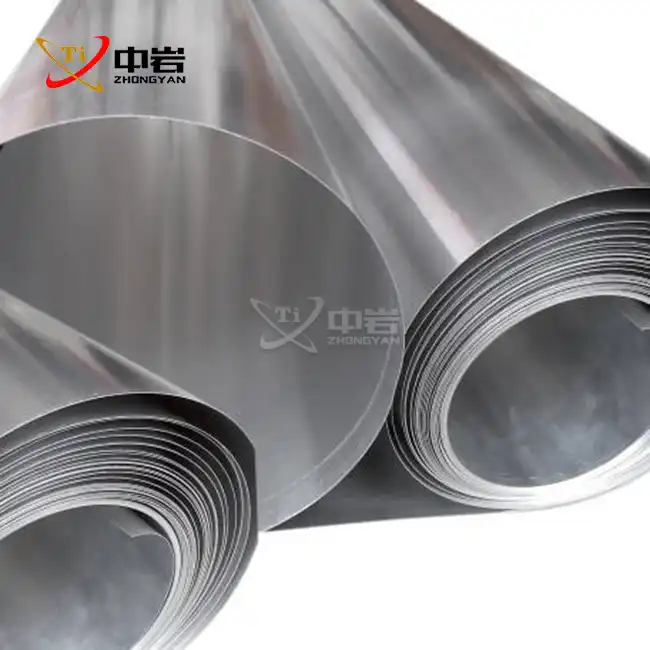
Recovery from neurosurgical treatments that involve skull reconstruction with a titanium plate in head after brain surgery is very important for both doctors and patients. Knowing how long it will take to heal after a titanium plate in the head after brain surgery will help you make an educated choice. In most cases, the hole heals on its own in one to two weeks. However, it takes about three to six months for the implant to fully osseointegrate with the bone tissue around it. Recovery time is greatly affected by factors like the patient's age, general health, the difficulty of the surgery, and their ability to follow instructions. Medical-grade titanium implants are the best choice for cranioplasty treatments because they are very biocompatible and reduce the risk of rejection. They also help patients heal in a reliable way.
Understanding Recovery After Titanium Head Plate Surgery
After a cranial plate is implanted, the body goes through different stages of healing, and each stage requires different treatment factors. When medical teams and procurement experts look at implant success and patient results, they can use these steps as a guide.
Immediate Postoperative Phase
In the week following surgery, patients are closely watched for the longest time. As part of the body's defense mechanism, inflammation happens normally at wound sites during initial healing. Patients often say that they feel tightness around the surgery site, mild to moderate pain, and are aware that the implant is there. Medical teams focus on keeping wounds clean to avoid infection, treating pain with the right drugs, and keeping an eye out for signs of problems like excessive swelling or fluid buildup under the head. Precision CNC cutting is used to make sure that the cranial plates we make in Baoji are anatomically correct. This means that less tissue damage happens during placement, which helps with a faster initial recovery. Surface treatments used during production reduce the chance of germs sticking to the product, which is a major worry during this sensitive healing window.
Intermediate Recovery Period
As the severe inflammation goes away, patients move into a phase that is marked by early bone reshaping and soft tissue adaptation. The swelling goes down slowly, and many people feel more comfortable. During this time, osseointegration starts, a process in which the body makes new bone tissue where the titanium implant meets the old frontal bone. Clinical tests show that the special surface qualities of titanium help cells stick together and bones form. Even though the material has a higher amount of flexibility than real bone, it still lets enough stress pass through it to encourage healthy bone remodeling without acting too much like a shield. Because they are biomechanically compatible, there is less chance of bone loss around the edges of the implant, which can happen with less suitable materials. During this phase, patients usually start doing light activities again, but they are still not allowed to play contact sports or do other activities that could cause a head injury. Follow-up imaging lets doctors see how the healing is going and make sure the plates are in the right place.
Long-Term Integration and Stabilization
The last step toward healing is complete structure integration. Most patients have significant osseointegration by the third month after surgery, with bone tissue tightly anchoring the cranial plate. For long-lasting safety of the nerves below, the implant basically becomes a fixed part of the skull structure. During this time, patients can usually go back to their normal habits, such as exercising and going to work. Neuroplasticity lets the brain respond to new sensory input, so residual knowledge of the implant usually goes away over time. Long-term follow-up meetings make sure that the implant stays stable and deal with any problems that start later. Titanium that meets ASTM F136 standards is naturally resistant to rust, which means that the implant will always be structurally sound. Biodegradable options may need to be replaced after a while, but titanium cranial plates that are properly put last a patient's whole life without breaking down. This means that patients don't have to have repeat surgeries because the material fails.
Potential Risks and Complications of Titanium Plates in Brain Surgery
Even though titanium cranial implants have great safety ratings, being fully aware of all the risks helps doctors take the best care of patients and helps buyers decide which suppliers to trust and what quality standards to set for products.
Infection Risks and Prevention
Postoperative infection is the most worrisome consequence, but it doesn't happen very often if the surgery is done correctly and the implants are of good quality. Infections can show up as wound drainage that won't stop, pain that gets worse after getting better at first, fever, or swelling and warmth in a specific area. It takes professional knowledge to tell the difference between these symptoms and regular inflammation after surgery. Strategies for prevention stress the importance of clean manufacturing, using the right antibiotics, and careful surgery. When the final assembly is done, our factory keeps a cleanroom environment and uses approved cleaning procedures that meet OEM standards. Ultrasonic cleaning and passivation treatments are used on each cranial plate to get rid of any possible contaminants and create a solid oxide layer that germs can't grow on.
Implant-Related Discomfort and Sensory Changes
Some patients report a persistent awareness of the titanium plate in head after brain surgery, especially when external pressure is applied to the area. This sensation typically diminishes over time as the surrounding tissues adjust. Because titanium does not conduct thermal energy in the same way as natural bone, temperature sensitivity may also occur. These experiences generally do not require surgical intervention and do not indicate implant failure. Titanium has better hypoallergenic qualities than most metal devices, but allergy reactions to it do happen very rarely. When hypersensitivity issues arise, tests before surgery can find people who are at risk. We only buy raw materials from reliable sources in China's Titanium Valley because of our strict purity standards. This keeps trace element contamination to a minimum, which could cause immune reactions.
Long-Term Considerations
Plate movement is still very rare when the right fixation methods are used during the first surgery. Because precision-machined plates are flexible, doctors can get the best fit for each patient's anatomy. This lowers the risk of mechanical stress clusters that could weaken screw anchorage points over time. Manufacturers who offer CT-based design processes for patient-specific solutions make implants that fit each person's head better. When purchasing, teams look at different providers; they should give more weight to companies that can consistently show accurate measurements and lots of quality paperwork. Changes in manufacturing tolerances can hurt surgical results and raise the risk of complications, which can hurt the institution's image and patient happiness scores.
MRI Safety and Imaging Considerations with Titanium Plates
Advanced medical imaging is an important part of keeping an eye on patients after surgery and taking care of them in the long run. The imaging suitability of head implants has a direct effect on how flexible the clinic can be and how accurate the diagnosis can be.
Titanium's Non-Ferromagnetic Properties
Titanium is naturally safe for magnetic resonance imaging settings because it is not magnetically susceptible like stainless steel or cobalt-chromium metals. MRIs can be done on people with titanium cranial plates at normal field levels without moving the implants or heating them up. This compatibility gets rid of a big problem that would have made brain follow-up care and diagnosing medical conditions that aren't linked more difficult. Titanium is not magnetic because of its electronic structure and crystal lattice arrangement. Small picture distortions might show up right next to the implant, but they stay in one place and don't usually cover up internal structures that are important for the patient. Radiologists who have a lot of experience reading scans from people with head hardware can easily tell the difference between artifact and disease.
Optimizing Imaging Protocols
CT scanning and regular X-rays are still useful tools that can be used together. CT scans are great for seeing how the bone is healing at the implant-bone contact, which lets you check on the process of osseointegration. Titanium's high atomic number makes a clear difference in CT pictures, making it easy to see the edges of implants and where fixation screws are placed. Diagnostic quality is improved by changing imaging factors like slice width, reconstruction methods, and metal artifact reduction processes. When surgical teams, doctors, and implant suppliers work together, they can make sure that the right technical details are shared during the buying process. Knowing these things about imaging helps people who buy things decide if the goods suppliers offer meet the needs of diagnostic imaging tools and the way the work needs to be done.
Comparing Titanium Plates with Alternative Materials for Skull Repair
Choosing the right material for cranial reconstruction means weighing a lot of different performance standards, cost factors, and clinical result data. Professionals in procurement can make better decisions when they know how the pros and cons of each choice compare.
Titanium Versus Polyetheretherketone
PEEK is an alternative material increasingly used in some medical procedures, but when compared to a titanium plate in head after brain surgery, notable differences emerge. PEEK is radiolucent, allowing unobstructed imaging of the underlying brain tissue, whereas titanium may cause image artifacts. Additionally, PEEK has an elastic modulus closer to that of natural bone, potentially offering better stress distribution, though titanium provides superior mechanical strength and durability in load-bearing applications. But titanium still has benefits in a number of important areas. Titanium's proven ability to osseointegrate produces a biological link that PEEK can't copy because the polymers stay wrapped up in fibrous tissue instead of bonding directly with bone. Titanium has a better strength-to-weight ratio than other metals, so it can be used to make thinner implant shapes that still hold together structurally. This makes the implants look less noticeable on the head. Long-term longevity data spanning decades support titanium's dependability, while PEEK's clinical past is still relatively new.
When it comes to buying things, titanium providers usually have better-established quality systems and proof of approval. The general use of the material means that more custom products can be made and that large orders can be bought at low prices.
Autologous Bone Grafts and Acrylic Alternatives
When it is possible, putting back the patient's natural bone flap is the medically best thing that can be done. But this method isn't always useful because bone flaps break down, there is a chance of getting an illness during storage, and it's not recommended for some types of patients. Acrylic (polymethylmethacrylate) can be shaped, but it is more likely to get infections and doesn't have the same material qualities as titanium. Titanium plates get rid of the risk of disease transfer that comes with bone grafts and keep the patient's dimensions stable for life. Custom-machined titanium solutions perfectly copy the shape of the natural head, which is not possible when molding plastic during surgery. These things help make physical results better and keep patients happy.
Decision Factors for Procurement Teams
When purchasing cranial implants, people in charge of buying things should look at which sellers meet certification requirements, how well they can customize products, how precisely they are made, and how consistent the quality is. Suppliers that meet the ASTM F136 standards for medical-grade titanium make sure that the material is biocompatible and has the right mechanical qualities for long-term insertion. An ISO 9001 certification means that quality management is done in a planned way, while an ISO 13485 certification talks about the specifics of making medical devices. One important thing that sets us apart is our ability to make sizes and forms that fit each patient's body. Advanced suppliers use CNC machining to turn medical planning data into perfectly made implants, which cuts down on surgery time and improves patient results. Procurement deals need to be clear about wait times for custom orders, the size tolerances that are allowed, and the sterilization packaging choices that work with hospital receiving practices.
Procurement Considerations for Titanium Cranial Plates
To successfully source neurosurgical implants, you need to form smart partnerships with makers who can show they have the technical know-how, quality control, and customer service skills to meet your needs.
Supplier Qualification and Certification
A tough review of suppliers for titanium plate in head after brain surgery protects both institutional interests and patient safety. Procurement teams must ensure that potential suppliers hold up-to-date licenses and international medical device certifications. Documentation confirming that the titanium alloy’s composition and mechanical properties meet ASTM standards serves as a critical quality assurance measure. The position of the factory affects the stability of the supply chain and how well people can talk to each other. Suppliers who are based in areas that are already well-known for making medical titanium can get approved raw materials quickly and easily, as well as a lot of technical know-how. Baoji, China, is the center of the titanium industry in China. It is home to many modern processing facilities and research institutions that help medical uses stay on the cutting edge.
Customization Capabilities and Technical Support
Because cranial flaws can look different in different people, production methods need to be flexible. It's helpful to have suppliers who offer both standard implant geometries and options that are tailored to each customer. Custom manufacturing processes usually include getting surgical planning data (CT imaging files), reviewing the design as a group, making quick prototypes when needed, and finally producing the product after making sure all the dimensions are correct. Better sellers stand out by offering technical help during the procurement process. Responding quickly to questions about product specs, offering help with governmental paperwork, and being ready to meet special needs all make it easier to launch new product lines. Engineering teams that can help with design improvement based on feedback from surgeons add a lot of value beyond just making basic products.
Cost Management and Volume Agreements
While implant quality is still very important, keeping costs down helps institutions stay financially stable. Clear price structures, bulk discount schedules, and quotes for custom work make it possible to plan a budget that works. Long-term supply deals may help keep prices stable and give production capacity priority during times of high demand. Understanding the connection between industrial processes and prices is necessary to find a good balance between cost and quality. For products to be reliable, investments in things like precise CNC cutting, strict quality control, and cleaning methods that have been tested and proven to work are needed. Unusually low prices could mean that quality control has been weakened or that the materials used don't meet standards. This creates risks that are much greater than the savings that are seen.
Conclusion
The time it takes to recover from frontal plate implantation ranges from right after surgery to several months later, when the bone has fully fused with the plate. Knowing about these stages helps doctors set realistic goals for their patients and aids buying teams in judging the performance traits of implants. Titanium is the best material for head repair because it is exceptionally biocompatible, structurally strong, and imaging-compatible. There are some risks, but they are kept to a minimum by choosing the right source, making sure the product is of good quality, and using the right surgical method. When you compare titanium to other materials, you can see that it has clear benefits in terms of longevity, osseointegration, and long-term results. To be successful in procurement, you need to work with manufacturers that have strict quality standards, the ability to customize products, and quick expert help. Neurosurgical methods are always getting better because clinical teams and specialized suppliers work together. This leads to better care for patients and faster healing.
FAQ
How painful is recovery with a titanium cranial plate?
During the first week, most patients feel some mild pain, which can be controlled with pain medicines. Usually, the pain gets a lot better by the second week. Because medical-grade titanium is safe, it reduces inflammatory reactions that would otherwise make pain last longer. How much pain a person feels depends on the length of their surgery, how much pain they can handle, and how well they follow their postoperative care guidelines.
Can I undergo MRI scans with a titanium plate in my head?
Titanium skull plates are safe for MRIs because the metal is not magnetic. At regular field strengths, magnetic resonance imaging is safe for patients because there is no chance of implant movement or too much heating. Small picture flaws may show up near the implant, but they rarely get in the way of diagnosis. By telling the radiology team about the implant, the right imaging procedure can be chosen.
What signs indicate complications with cranial plates?
Pain that gets worse after getting better at first, fever that won't go away, wounds that leak or are red, implants that stick out of the skin, and new brain symptoms like vision changes or seizures are all red flags that need medical help right away. Mild pain, being aware of where the implant is, and brief swelling are all normal feelings after surgery. When there is doubt, talking to the medical team ensures that the right evaluation is done and that help is available quickly if problems arise.
Partner with Zhongyan for Superior Titanium Cranial Implants
Baoji Zhongyan Titanium Industry Co., Ltd. stands as your trusted titanium plate in head after brain surgery supplier, delivering precision-engineered cranial reconstruction solutions that meet the strict needs of neurosurgical uses. We are located in China's famous Titanium Valley and use our decades of specialized knowledge, advanced CNC machining, and strict quality control systems to make medical-grade implants that help patients do their best. Our goods fully meet ASTM F136 and ISO standards, which means they are biocompatible, the right size, and will last for a long time. We offer full customization services that turn your specific surgical needs into perfectly made implants with geometries that are unique to each patient. No matter if you need standard setups or complicated custom designs, our engineering team is here to help you every step of the way during the buying process. Email our sales team at sales@titaniumstudy.com to talk about your cranial implant needs, get full product specs, or look into ways to work together to improve your surgical supply needs.
References
1. Alkhaibary, A., Alharbi, A., Alnefaie, N., Oqalaa, A., Aloraidi, A., & Khairy, S. (2020). Cranioplasty: A comprehensive review of surgical techniques, timing, and complications. Journal of Neurological Surgery Part A: Central European Neurosurgery, 81(4), 432-448.
2. Honeybul, S., & Morrison, D. A. (2021). The current role of decompressive craniectomy for severe traumatic brain injury. Journal of Clinical Neuroscience, 89, 321-328.
3. Matsuno, A., Tanaka, H., Iwamuro, H., Takanashi, S., Miyawaki, S., Nakashima, M., & Nagashima, T. (2006). Analyses of the factors influencing bone graft infection after delayed cranioplasty. Acta Neurochirurgica, 148(5), 535-540.
4. Mukherjee, S., Thakur, B., Haq, I., & Hettige, S. (2020). A systematic review of titanium mesh cranioplasty versus autologous cranioplasty. World Neurosurgery, 142, 442-452.
5. Zanotti, B., Zingaretti, N., Verlicchi, A., Robiony, M., Alfieri, A., & Parodi, P. C. (2016). Cranioplasty: Review of materials. Journal of Craniofacial Surgery, 27(8), 2061-2072.
6. Williams, L. R., Fan, K. F., & Bentley, R. P. (2016). Custom-made titanium cranioplasty: Early and late complications of 151 cranioplasties and review of the literature. International Journal of Oral and Maxillofacial Surgery, 45(5), 599-608.
_1755672221864.jpg)
(1)_1755593289268.jpg)
Learn about our latest products and discounts through SMS or email