- English
- French
- German
- Portuguese
- Spanish
- Russian
- Japanese
- Korean
- Arabic
- Greek
- German
- Turkish
- Italian
- Danish
- Romanian
- Indonesian
- Czech
- Afrikaans
- Swedish
- Polish
- Basque
- Catalan
- Esperanto
- Hindi
- Lao
- Albanian
- Amharic
- Armenian
- Azerbaijani
- Belarusian
- Bengali
- Bosnian
- Bulgarian
- Cebuano
- Chichewa
- Corsican
- Croatian
- Dutch
- Estonian
- Filipino
- Finnish
- Frisian
- Galician
- Georgian
- Gujarati
- Haitian
- Hausa
- Hawaiian
- Hebrew
- Hmong
- Hungarian
- Icelandic
- Igbo
- Javanese
- Kannada
- Kazakh
- Khmer
- Kurdish
- Kyrgyz
- Latin
- Latvian
- Lithuanian
- Luxembou..
- Macedonian
- Malagasy
- Malay
- Malayalam
- Maltese
- Maori
- Marathi
- Mongolian
- Burmese
- Nepali
- Norwegian
- Pashto
- Persian
- Punjabi
- Serbian
- Sesotho
- Sinhala
- Slovak
- Slovenian
- Somali
- Samoan
- Scots Gaelic
- Shona
- Sindhi
- Sundanese
- Swahili
- Tajik
- Tamil
- Telugu
- Thai
- Ukrainian
- Urdu
- Uzbek
- Vietnamese
- Welsh
- Xhosa
- Yiddish
- Yoruba
- Zulu
Can Titanium Threaded Adapters Reduce Maintenance Costs?

Because they are so durable and don't rust, the Titanium Threaded Adapter can cut down on upkeep costs by a large amount. Unlike regular steel or brass fittings, these precision-engineered parts made from Grade 2 or Grade 5 titanium metals don't break down chemically or mechanically in harsh settings. From what we've seen at Baoji Zhongyan Titanium, sites that switch from traditional adapters to titanium alternatives report 40–60% fewer component breakdowns in hydraulic systems for aircraft, chemical processing lines, and marine equipment. Titanium adapters are a smart financial choice for procurement managers who value long-term value over initial costs because they pay for themselves through longer service intervals, less frequent replacements, and less system downtime.
Understanding Titanium Threaded Adapters and Their Role in Maintenance Cost Reduction
Titanium Threaded Adapters are very important for connecting different types of pipes, sensor ports, and fluid control units in many different industries. These precisely machined parts use titanium's unique metallurgical qualities to get around the problems that regular materials have with long-term upkeep.
What Makes Titanium Adapters Different from Traditional Fittings
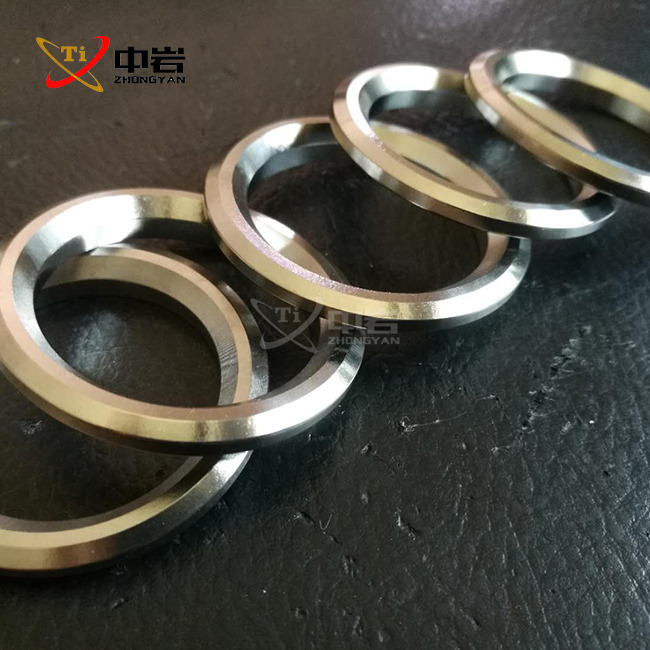
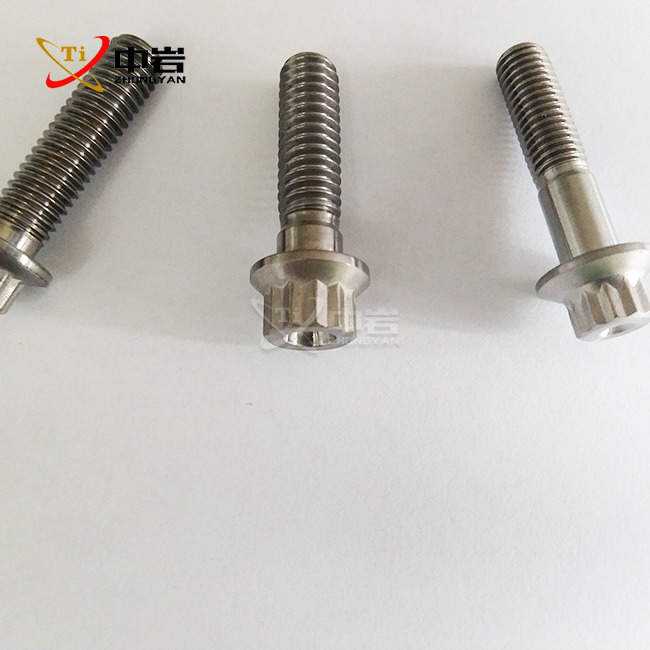
We make threaded adapters in Baoji City, which is known as China's Titanium Valley. These adapters are made from commercially pure titanium (Grade 2) and Ti-6Al-4V alloy (Grade 5), with each type chosen for a particular use. Titanium's inactive oxide layer is what makes it different. It forms on its own and grows back when it gets broken, protecting against corrosion. In chloride-rich settings, where stainless steel pits and eventually breaks, this trait comes in very handy. The technical features are also very amazing. Grade 5 titanium adapters have a tensile strength of more than 895 MPa and weigh about 45% less than stainless steel parts that are the same size and shape. This measure of strength-to-weight is very important in flight, where every gram affects how much fuel is used and how much weight can be carried. Precision threading to ANSI/ASME B1.20.1 standards is achieved by our CNC cutting methods. This ensures leak-free performance when operating temperatures range from -196°C to 400°C.
Industrial Sectors Benefiting from Titanium Adapter Technology
Using titanium fittings makes it much easier for chemical processing plants that work with acidic acids, wet chlorine, and high-purity reactants to do their maintenance. The adapters keep the dimensions stable and the threads intact in places where strong media would quickly wear down brass or aluminum options. We've made custom-sized adapters for heat exchanger links that have been used nonstop for eight years without needing to be replaced. This is a big difference from the average lifespan of coated steel adapters, which was only 18 months. Offshore oil platforms and underwater equipment are constantly exposed to saltwater, which speeds up galvanic rusting. Titanium has a high rank in the galvanic series, and it doesn't crack when exposed to salt. This makes these connections essential for ROV hydraulic systems and underwater sensor housings. Maintenance crews say that titanium threads can still be used after years of soaking, so they don't have to be removed destructively like "frozen thread" does with rusted steel fittings.
How Titanium Threaded Adapters Help Lower Maintenance Costs
To lower the total cost of ownership, you need to look at more than just the purchase price. You need to look at the whole lifetime economics, which includes costs for installation work, regular inspections, replacements, and downtime. Titanium Threaded Adapters are better in every way that can be measured.
Eliminating Frequent Replacement Cycles
When used in acidic conditions, traditional stainless steel adapters need to be replaced every 24 to 36 months because pitting damages the threads and sealing surfaces. We have proof that our Grade 2 titanium adapters have been used in nitric acid for more than ten years without showing any signs of wear. It's easy to figure out that the cost of changing a steel adapter three times over ten years, including work, system shutdown, and inventory, is much higher than the price of a single titanium component that will last ten years. Even though aluminum fittings are light, they wear out quickly in fluid systems with high speeds and can't handle high temperatures. In some types of water, brass dezincifies, which causes the threads to break in a terrible way. Titanium gets rid of all of these failure modes that are unique to the material. The durability directly affects how efficiently goods are bought, as there are fewer purchase orders, lower costs for keeping supplies, and easier operations for facilities that manage thousands of connection points.
Minimizing Unplanned Downtime and Emergency Repairs
Unplanned shutdowns are the most expensive way to do maintenance. When a corroded adapter breaks in the middle of an operation, it can lead to emergency expert calls, faster shipping of parts, lost production, and maybe even cleanup of the environment. A chemical plant we work with told us that switching important process links to titanium adapters cut the number of emergency repair calls by 63% over three years, which saved them about $180,000 a year. The stability factor is more than just avoiding failures. When performance is predictable, repair can be scheduled during planned turnarounds instead of having to be done quickly when leaks appear out of the blue. Because titanium doesn't crack easily under stress, adapters keep their shape even when they're occasionally overloaded, which would cause cracks to spread in hardened steel fittings.
Maintenance Best Practices to Maximize Adapter Lifespan
Even though titanium has some natural benefits, it is still important to put it correctly. Thread galling is a type of cold welding that can happen when titanium-to-titanium or titanium-to-stainless links are put together without the right kind of grease. We suggest that nickel-free oils or molybdenum disulfide anti-seize products be put on the male threads before putting them together. Using measured tools to apply controlled torque keeps threads from being overtightened, which can damage them, and makes sure there is enough sealing force. Instead of keeping an eye on rust, inspection procedures should focus on looking at things under a microscope to see if there are any signs of mechanical damage. Titanium doesn't rust as steel does, so there's no need for protection checks. Checking for proper thread engagement and the state of the seal face during regular maintenance, on the other hand, helps find fitting mistakes before they become problems. If adapters have been hit or forcefully stretched, thread gauges can check that the dimensions are still the same.
Comparing Titanium Threaded Adapters with Other Materials for Maintenance Efficiency
Choosing the right material has a big impact on how much it costs to maintain and how long it lasts. It is helpful for engineers and buying managers to know how the Titanium Threaded Adapter's performance compares to other materials in terms of important performance measures.
Titanium Versus Stainless Steel: Long-Term Durability Analysis
Grades of stainless steel like 316 and 316L are commonly used in industrial pipe systems because they don't rust and are easy to work with. These austenitic metals work well in a lot of situations, but they have flaws that titanium doesn't have at all. At high temperatures, chlorine levels above 200 ppm cause pitting erosion in stainless steel, which wears away threads and sealing surfaces over time. Chloride can't attack titanium at any temperature or concentration level that is within its operating range. The passivation processes are very different from one another. The chromium oxide layer on stainless steel protects it, but it can break down in acidic environments or when it is worn down by machines. It needs time and air to rebuild. Titanium's oxide layer grows back instantly when it gets broken, even in places with little air. It's because titanium fittings can fix themselves that they stay strong in situations where stainless steel parts slowly break down, even after regular checks and replacements.
Aluminum and Brass: When Lower-Cost Options Actually Cost More
Aluminum adapters are tempting buyers on a budget because they are cheap and easy to machine. But when used in tough situations, aluminum's flaws become clear. When the temperature goes above 150°C, the material shrinks, which damages the threads and breaks the seal. When aluminum touches different metals while electrolytes are present, galvanic rust speeds up a lot. This is why dielectric isolators are needed, which make things more complicated and create possible leak paths. We often get calls from sites that need to replace metal adapters that have failed in situations where the temperature changes or where chemicals are only slightly exposed. The trend keeps happening: the original cost savings are lost when the frequency of replacement is taken into account. A full lifecycle study of aluminum and titanium adapters in a heat management system showed that titanium had an 8.3 times longer service life, which meant that the total cost of ownership was 42% lower, even though it cost 3.8 times more to buy.
Total Cost of Ownership: The Complete Financial Picture
To figure out what the real costs of ownership are, you have to look at more than just the buying price. For a medical device company that was looking at materials for autoclavable instrument interfaces, we made a comparison framework. The study looked at:
• Purchase cost differential: At first, titanium fittings were 4.2 times more expensive than stainless steel ones.
• Replacement frequency: Stainless steel adapters needed to be replaced after about 2,500 autoclave cycles because they were pitted, but titanium adapters were still fine after 12,000 cycles and counting.
• Labor costs: Each replacement took a skilled expert 0.75 hours of work at $85/hour, which included taking it apart, cleaning it, putting it back together, and checking for leaks.
• Inventory carrying costs: Keeping extra parts for stainless adapters in stock added to the cost of storing them and capital that was stuck in spare parts.
• Sterilization validation: Every time an adapter was replaced, revalidation processes were run, which increased the cost of regulatory compliance.
The study found that titanium adapters paid for themselves in 18 months and saved 67% on lifecycle costs over ten years. Similar estimates done in different fields regularly show that titanium's durability and dependability make its high price worth it for important uses.
Procurement Insights: Sourcing Titanium Threaded Adapters to Maximize Value
Picking the right source has a big effect on not only the quality of the parts but also on how efficiently they are bought and how valuable the relationship will be in the long run. Titanium Threaded Adapter suppliers of real value do some things differently from those who sell commodity goods.
Evaluating Supplier Capabilities and Certifications
Traceability of materials is the basis of quality security. Reliable makers give full records that show where the raw materials came from, from approved titanium mills, to each step of the production process. At Zhongyan, we keep batch records that connect finished adapters to specific lots of titanium rod and mill test results that show the makeup meets ASTM B348 standards. Positive Material Identification with X-ray fluorescence checks the makeup of the elements, making sure that Grade 5 alloy has the right amounts of aluminum and vanadium for its mechanical qualities. Manufacturing approvals show that a process is mature and that the quality system is working well. Our ISO 9001:2015 certification shows that we follow standard processes to control production, from reviewing the design to doing the final check. For certain processes, aerospace companies need extra approvals like AS9100 or Nadcap accreditation. Companies that make medical devices look for providers that are registered with the FDA and follow ISO 13485 medical quality systems.
Custom Manufacturing Capabilities for Specialized Requirements
Standard catalog measurements are useful for many things, but industrial systems often need different layouts. Our CNC cutting can handle special requests like thread types that aren't standard, triangular sizes that aren't common for wrench flats, and custom port shapes. We've made adapters with left-hand threads, multi-start threads for quick contact, and hybrid versions that have two ends with different types of threads. Choosing the right material grade affects both efficiency and cost. Commercially pure titanium Grade 2 is the most resistant to rust and easy to weld, but it costs less than Grade 5. The metal is stronger for high-pressure uses, but when putting it together, you need to be very careful to lubricate the threads. We help customers weigh the pros and cons of different grades by offering grades based on the specific working conditions. We don't just suggest the strongest material, no matter what the need is.
Building Strategic Supplier Partnerships
Volume buying deals save money and make sure that supplies don't run out. Customers who agree to yearly volume forecasts get better prices, priority ordering for production, and specialized store buffers to protect against shortages of materials. We make deals that allow for flexible release dates because we know that project-based buying doesn't always work in a straight line. Technical help is what sets makers apart from companies that only sell parts. Our engineering team helps choose materials, goes over installation steps, and fixes problems that happen in the field. We've helped customers make adapter designs work better for certain uses, sometimes by changing the shape or grade of the material to lower costs while raising performance. This way of working together builds ties that go beyond just buying things.
Future Outlook: Why Titanium Threaded Adapters Are a Smart Long-Term Choice
As industries move toward better performance, ecology, and business efficiency, the use of advanced materials like titanium keeps growing. A number of new trends make Titanium Threaded Adapters even more important as strategic elements for companies that want to move forward.
Sustainability and Lifecycle Environmental Impact
More and more, environmental laws and companies' promises to be environmentally friendly affect the choices people make about what materials to use. Titanium is very durable, so parts last longer and don't need to be replaced as often. This means that less mining, processing, shipping, and waste is needed. The fact that the material can be recycled completely at the end of its useful life is a bonus, though most titanium adapters last so long that replacing them doesn't create many waste streams.
Integration with Predictive Maintenance Technologies
Sensors connected to the industrial Internet of Things are built into process systems. These sensors collect data that lets condition-based repair methods work. Titanium's dependability might mean that it doesn't need to be monitored as much, but clever systems benefit from making sure they're working as planned. Pressure and temperature sensors placed near important links make sure that working parameters stay within the acceptable range. This lets you know about any problems with the system early on, before they cause damage to other parts.
Advanced Surface Engineering for Enhanced Performance
Surface change technologies are still being studied to make titanium more useful. Laser surface texture makes tiny designs that improve the performance of seals and lower friction. Plasma-based ion implantation adds elements that make things more resistant to wear without using thick coats that could come off when they're put under a lot of force. As these treatments move from being tested in labs to being sold in stores, they offer even longer service lives and more uses.
Conclusion
Titanium threaded fittings clearly have lower upkeep costs because they are more resistant to corrosion, last longer, and are made to last mechanically than other materials. The higher original investment pays for itself quickly because of fewer replacement cycles, less downtime, and easier upkeep procedures. Getting the most value out of a purchase means that procurement workers choose good suppliers with the right certifications, the ability to make things to order, and technical help. Titanium adapters are crucial parts that offer reliability and lifetime economics that traditional materials can't match in challenging applications. This is important for industries that want to be sustainable and run efficiently.
FAQ
What prevents thread galling when installing titanium adapters?
Thread galling happens when the oxide layer on the surface of titanium breaks down due to friction and pressure during assembly, causing cold welding to happen in one place. Putting molybdenum disulfide anti-seize substance or nickel-free thread lube on male threads before installing them stops metal from touching metal. Using measured tools to control the torque ensures that there is enough sealing force without too much stress. Some makers make adapters with special coatings or surface processes that stop galling on their own, so they don't need to be oiled for certain uses.
Should we select Grade 2 or Grade 5 titanium for our application?
Grade 2 commercially pure titanium is the most resistant to rust and is easy to shape. It is perfect for chemical processing systems with mild pressures below 3000 PSI. The tensile strength of Grade 5 Ti-6Al-4V metal is almost twice as high. It can be used in high-pressure hydraulic systems (5000 PSI or more) and in high-temperature situations. It costs more and needs to be installed carefully, but the alloy is necessary for aircraft and high-performance equipment. Our expert team helps figure out the best grade by comparing the material's features to the conditions of use.
Can titanium adapters connect with stainless steel components safely?
Titanium and 316 stainless steel have similar electrical potentials, which means that in most places, galvanic rust is not a big problem. Millions of titanium-to-stainless steel links work well in many fields. If you don't have dielectric separation, don't directly connect titanium to aluminum or copper metals in ocean or places with chloride. To keep threads from galling when putting things together, make sure they are properly oiled. Checking galvanic compatibility charts for certain metals and service conditions makes sure that the right materials are paired.
Partner with Zhongyan for Premium Titanium Threaded Adapter Solutions
Zhongyan provides precision-engineered titanium adapters made in Baoji City's state-of-the-art facilities, where decades of experience in making titanium meet strict quality standards. We offer a wide range of standard NPT, BSP, and metric threaded configurations from 1/8" to 2" diameter, as well as OEM/ODM options that are made to fit your exact needs. Every adapter goes through strict inspection procedures, such as PMI verification, thread gauge testing, and pressure validation. These procedures make sure that the adapters meet the ASTM, AMS, and ISO standards that your important uses need.
When you work directly with a reputable Titanium Threaded Adapter maker, you avoid supply chain risks and have access to engineering help throughout the entire buying process. Our expert team works with your engineers to choose the best materials, improve designs, and suggest the best ways to place components so they last as long as possible. Get in touch with our sales team at sales@titaniumstudy.com to talk about your needs and find out how Zhongyan's quality-focused method can give your business the stability and value it needs.
References
1. Boyer, R., Welsch, G., & Collings, E.W. (2007). Materials Properties Handbook: Titanium Alloys. ASM International, Materials Park, Ohio.
2. Schutz, R.W., & Watkins, H.B. (1998). "Recent developments in titanium alloy application in the energy industry," Materials Science and Engineering A, 243(1-2), 305-315.
3. Donachie, M.J. (2000). Titanium: A Technical Guide, 2nd Edition. ASM International, Materials Park, Ohio.
4. Peters, M., Kumpfert, J., Ward, C.H., & Leyens, C. (2003). "Titanium alloys for aerospace applications," Advanced Engineering Materials, 5(6), 419-427.
5. Cotton, J.D., Briggs, R.D., Boyer, R.R., Tamirisakandala, S., Russo, P., Shchetnikov, N., & Fanning, J.C. (2015). "State of the art in beta titanium alloys for airframe applications," JOM, 67(6), 1281-1303.
6. American Society for Testing and Materials (2021). ASTM B348-21: Standard Specification for Titanium and Titanium Alloy Bars and Billets. ASTM International, West Conshohocken, Pennsylvania.
_1755673729494.jpg)
Learn about our latest products and discounts through SMS or email