- English
- French
- German
- Portuguese
- Spanish
- Russian
- Japanese
- Korean
- Arabic
- Greek
- German
- Turkish
- Italian
- Danish
- Romanian
- Indonesian
- Czech
- Afrikaans
- Swedish
- Polish
- Basque
- Catalan
- Esperanto
- Hindi
- Lao
- Albanian
- Amharic
- Armenian
- Azerbaijani
- Belarusian
- Bengali
- Bosnian
- Bulgarian
- Cebuano
- Chichewa
- Corsican
- Croatian
- Dutch
- Estonian
- Filipino
- Finnish
- Frisian
- Galician
- Georgian
- Gujarati
- Haitian
- Hausa
- Hawaiian
- Hebrew
- Hmong
- Hungarian
- Icelandic
- Igbo
- Javanese
- Kannada
- Kazakh
- Khmer
- Kurdish
- Kyrgyz
- Latin
- Latvian
- Lithuanian
- Luxembou..
- Macedonian
- Malagasy
- Malay
- Malayalam
- Maltese
- Maori
- Marathi
- Mongolian
- Burmese
- Nepali
- Norwegian
- Pashto
- Persian
- Punjabi
- Serbian
- Sesotho
- Sinhala
- Slovak
- Slovenian
- Somali
- Samoan
- Scots Gaelic
- Shona
- Sindhi
- Sundanese
- Swahili
- Tajik
- Tamil
- Telugu
- Thai
- Ukrainian
- Urdu
- Uzbek
- Vietnamese
- Welsh
- Xhosa
- Yiddish
- Yoruba
- Zulu
How Do Skull Titanium Plates Support Faster Bone Healing?
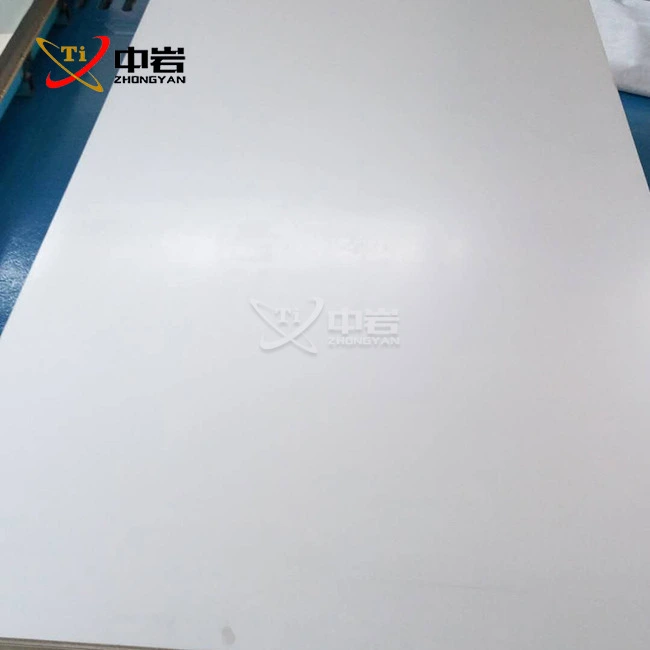
Skull titanium plates accelerate bone healing through superior biocompatibility and osseointegration properties that seamlessly integrate with human bone tissue. These precision-engineered cranial implants, manufactured from medical-grade ASTM F136 titanium, create optimal conditions for bone regeneration by providing stable mechanical support while allowing natural healing processes to occur without interference. The lightweight yet durable nature of titanium minimizes stress on surrounding tissue, while its corrosion-resistant properties ensure long-term stability throughout the healing period.
Understanding Skull Titanium Plates and Their Role in Bone Healing
Titanium plates in the head are very advanced medical devices that are only used to rebuild the skull and keep broken bones stable. These well-made tools can be used as permanent or temporary fixes for people who need to fix their head after an accident, surgery, or birth defects.
Biocompatible Titanium Composition
Making bones stronger is possible because medical-grade titanium is biocompatible in a way that other metals are not. The body's cells get along great with titanium implants, so they are less likely to cause immune reactions that can slow down healing. Osteoblasts can safely grow new bone around the implant contact because titanium has a surface that helps cells stick to it.
Scientists have found that the oxide layer on titanium's surface helps proteins absorb. This speeds up the early stages of bone growth. Because of this biological link, skull titanium plates stop being alien objects that need to be kept apart by fibrous tissue and become a part of the skeletal system.
Enhanced Osteointegration Process
Osteointegration is the process by which the surface of the device and living bone join together structurally. It works really well in this process because the titanium head plates are strong and have a smooth surface. It's very close to real bone in terms of how flexible the material is. In other words, it doesn't make you less stressed, which can slow down bone growth.
When the bone cells move toward the titanium surface, they form strong mechanical links that get stronger over time. It takes anywhere from 3 to 6 months for this process to finish, but it depends on the patient and the conditions of the surgery. The repair is stable, lasts a long time, and fits well with the head's natural shape.
Superior Mechanical Stability
To fix a skull, you need materials that can stay the same size even when they're under a lot of mechanical stress. They offer strong support without being too big, which could make the patient less comfortable or hurt the outcome of the surgery. Titanium plates have a high strength-to-weight ratio.
Titanium is very light, so it doesn't put as much stress on the muscles around it. This reduces swelling and speeds up the healing process. With this technical advantage, doctors can get the best positioning while keeping nerves safe and speeding up the healing process.
The Surgical Procedure and Recovery: Enhancing Healing Outcomes
Titanium has special properties that are used in modern skull repair to get better results from surgery and help patients heal faster. Putting titanium plates on the skull follows well-known steps that help people heal as quickly and easily as possible.
Precision Surgical Placement
High-tech imaging tools are used in modern cranioplasty to make sure the metal pieces are put in the right place. Surgeons can use computer-aided design and production to make implants that are unique to each patient and fit their head correctly. This change shortens the time needed for operations, keeps tissues safe, and makes the setting better for healing in general.
The CNC cutting tools that were used to make these plates make sure that the sizes are very close to perfect, so they fit perfectly in the body. This level of accuracy gets rid of any holes or flaws that germs could hide in, or that could slow down bone growth. This directly helps the body heal faster.
Minimally Invasive Techniques
With titanium, doctors can use less invasive techniques that protect good tissue and lower the chance of problems after surgery. You don't have to cut away a lot of bone or work with a lot of skin during surgery to shape and bend the material to get the best fit.
For these reasons, surgery takes less time, less blood is lost, and the chance of getting an illness is lower. Some people can move around and do regular things faster after surgery because they are in less pain and swelling. Titanium is nontoxic, which means it doesn't cause the normal swelling and pain that happens when you put something foreign in your body.
Post-Operative Recovery Benefits
There are a number of ways that titanium implants help cells heal faster after they have been put in. The material is antimicrobial, which helps keep diseases away, and it conducts heat well, which meets metabolic needs and keeps the tissue temperature normal around the transplant site.
When compared to other materials, titanium cranial plates generally mean that people stay in the hospital for less time and get better faster. Doctors can see how the mending process is going without any problems when the system works with medical imaging systems. So, if something goes wrong, they can move fast.
Material Properties Driving Faster Healing and Durability
The amazing performance of skull titanium plates is due to how the material itself helps bones heal and remain strong over time. People who buy things can make smart decisions about which implants to buy and how to evaluate sellers if they know about these traits.
Corrosion Resistance in Biological Environments
It is very hard for titanium to rust, so it will stay stable in the tough environment of the human body. By adding a steady layer of oxide to the titanium surface, the implant stays in good shape for the patient's whole life and doesn't break down over time.
This resistance to rust stops the release of metal ions that could make the damage worse or make it harder to fix. Studies have shown that titanium implants will always work properly as long as they are properly made and kept clean. In other words, they are a safe, long-term way to rebuild the brain.
Titanium doesn't react with other chemicals, so when it's mixed with other metals, it won't rust. In other words, it can be used with screws, meshes, and other stabilization tools that are common in rough head surgeries.
Advanced Surface Treatment Technologies
The improved surface treatments on modern skull titanium plates help bones fuse better and heal faster. These treatments add little bumps to surfaces that give cells more room to join and help biological processes happen.
When you sandblast, acid etch, or use plasma sprays to change the surface, you create geometric shapes that help osteoblasts grow and separate. New bone tissue grows faster around the device because of these changes in cells. This speeds up the healing process, and long-term makes the implant more stable.
With certain covering technologies, bioactivity can be raised even more by adding layers of bioactive glass or hydroxyapatite, which helps bones grow. There is a big difference between these new surface treatments and the old smooth titanium surfaces. The new treatments also have real health effects.
Customization Capabilities for Complex Geometries
Because titanium plates can be made in any shape, they can fit the needs of each patient and speed up the healing process. These days, innovative ways of making things let us create difficult three-dimensional shapes that perfectly fit each person's head.
Because you can adjust, changes don't have to be made as often during surgery. This speeds up the process and keeps tissue safe. When implants are made correctly, they don't have any stress points that could slow down healing or cause problems in the long run. This means that the clinical results are better.
When making parts, titanium is easy to work with. It can also have special features added to it, like screw holes, connection points, and surface patterns that are made for surgery. In a lot of different professional situations, this ability to adapt ensures the best results.
Making the Right Procurement Decision: Comparing Skull Titanium Plates with Alternatives
When planning to buy cranial implants, it's helpful to think about how well they work, how much they cost, and what the seller can offer. Titanium plates are better than other materials in many ways, making them the best choice for tough jobs.
Performance Comparison Analysis
In key performance areas, titanium always does better than other materials when it comes to fixing the head. Your body should have titanium implants instead of stainless steel ones because they are safer and cause a lot less swelling. Titanium hurts less for patients because it is lighter, but it can still pull apart just as well or better than steel.
Polymer-based choices are light, but they aren't strong and stable enough to last for long-term cranial repair. It is possible to use ceramic, but it is hard to make and breaks quickly, so it is not as good for complicated head uses.
Because titanium works better than other materials, here are the most important reasons why:
- Biocompatibility superiority: The rate of bad tissue responses for titanium implants is the lowest of all metal implants; in clinical tests, rejection rates were below 1%.
- Mechanical optimization: Titanium is very close to bone tissue in terms of how stiff it is, so it doesn't cause stress-relieving effects that can hurt long-term stability.
- Imaging compatibility: Titanium doesn't show as many flaws on MRI and CT scans as stainless steel does, which makes it possible to get a good idea of where the implant is after surgery.
- Weight reduction: For plates of the same size, titanium plates are about 40% lighter than stainless steel plates. This makes patients more relaxed and makes operations easier.
This type of performance directly leads to better patient outcomes and lower healthcare costs. For strategies that focus on quality, titanium is the most cost-effective pick.
Supplier Evaluation Criteria
To buy skull titanium plates, you need to make sure the seller is skilled, has good quality control systems, and follows the law. The biggest companies that make medical products always follow international standards and keep up the production levels needed for supply chain management to work.
To make sure that everyone does the same job, quality assurance programs need to certify the raw materials, keep track of the production process, and check the end product. Suppliers should keep their FDA registration, ISO 13485 approval, and CE marking up to date so they can sell their goods in places all over the world.
CNC cutting with high accuracy, advanced surface treatment technologies, and full testing facilities should all be part of the making process. It's more valuable to be able to offer custom designs, testing services, and expert help for buying needs that are hard to understand.
Cost-Benefit Analysis for Strategic Sourcing
On the surface, titanium plates may cost more than other plates, but a full cost study shows that they are much less expensive over time. Healthcare prices are going down because patients are doing better, problems are going down, and hospital stays are going down.
Original equipment makers (OEMs) and deals for buying in bulk can save you a lot of money and make sure that your goods are always in stock. Instead of just having low prices, sellers who offer easy payment plans, help with managing inventory, and flexible payment terms make their goods more valuable.
You don't have to pay as much for repairs as often with titanium implants because they last longer. Titanium plates are the best choice for university buying plans because they last a long time and don't need to be changed as often.
Implementing Skull Titanium Plates in Your Product Line or Medical Practice
To properly put titanium skull plates in, you need to make plans ahead of time, follow the rules, and have strong quality control systems in place. Businesses that want to use these high-tech tools need to think about a lot of problems that are both useful and safe.
Clinical Application Versatility
Titanium plates that go on the skull are very useful in a lot of different medical cases, from fixing broken heads to making people look better. It is helpful to have these kinds of medical gadgets because they can be used in many different areas.
Trauma uses make up the biggest market. These need to be set up quickly and efficiently so that patients can stay alive. It is possible to save lives in situations and help people heal for a long time because titanium plates can be shaped and attached quickly.
Titanium plates that are made with great accuracy are useful for cosmetic surgery because they can be made to fit the patient's needs and produce good-looking results. The material can be used with high-tech imaging tools, which makes it easier to plan the surgery and check on the patient later. This makes the process more accurate and makes the patient happy.
Regulatory Compliance and Quality Assurance
To use skull titanium plates, you must strictly follow the rules and quality standards for medical devices around the world. Full record-keeping systems must be able to follow a product's path from the time it is approved as raw material until it is distributed and germ-free.
With ISO 13485 quality management tools, you can keep an eye on production and keep making it better. New laws are always being followed, and this is ensured by regular checks, confirmation studies, and risk management methods.
Players in the supply chain must show that they meet the same legal and quality standards so that the product stays the same as it goes through the marketing process. Before a company is allowed to buy from another, seller approval programs should check to see if it can make things, has good quality control systems, and is legal.
Integration with Existing Product Portfolios
These plates are more valuable for full product lines since they can be used with other medical tools that are compatible. Full solution kits are made when cranial mesh systems, fixation screws, and specialized surgery tools are all put together. These kits make buying easy and improve the results for patients.
New treatment methods and tools can be used with old ones without any issues, thanks to cross-platform support. It takes less time and costs less to do this because there is less need for training. Devices can connect and mount to each other more easily when they use standard methods, but the design can still be used in different ways.
Technical support services, such as surgical training, product education, and professional advice, help end users and strengthen relationships with providers. People can use the things well and be happy with them for a long time with these services.
Conclusion
They are biocompatible, work well physically, and help the body heal faster. Titanium plates for the skull are the best way to rebuild the head. Medical-grade titanium has better osseointegration qualities, which means that bone can grow back. It also provides long-term stability and patient ease. Titanium plates have measurable clinical benefits that help patients do better and save money on healthcare costs for contract workers who want stable, high-performance cranial implants. Ti-6Al4V is the best material for medical uses that need accuracy, longevity, and biocompatibility. It is easy to make, doesn't break the law, and has been shown to work well in field tests.
FAQ
What makes titanium plates superior for skull reconstruction compared to other materials?
Titanium plates are the best because they are very safe. This means that there is a much lower chance that the implant will fail or cause an inflammatory reaction. The stretchiness of the material is a lot like that of real bone, so it doesn't cause stress buffering effects that can slow down the healing process. Also, titanium doesn't rust, so it stays stable over time, and it's light, which makes healing easier for people.
How long does it take for bone to integrate with titanium cranial plates?
It usually takes three to six months for osseointegration to happen, but bone growth can begin a few weeks after surgery. The length of time depends on how old the patient is, how healthy they are, and how good their bones are. Titanium's surface helps bones grow and cells stick together, which means it usually blends in faster than other materials.
Are titanium skull plates compatible with medical imaging procedures?
Yes, titanium plates work well with MRI and CT machines. They don't leave many marks, so doctors can check on patients correctly after surgery. This means that doctors can check on the patient's health and see if there are any issues without having to worry about the implant material getting in the way. With stainless steel implants, this isn't possible because they can change pictures a lot.
What quality standards should I look for when sourcing skull titanium plates?
Following the ISO 13485 quality management system and getting the right government approvals, like FDA registration and CE marking, are all important quality standards. ASTM F136 material certification for medical-grade titanium is another one. To be sure of the quality of the goods, also make sure that the sellers keep accurate records, follow tight rules for clean packaging, and offer tracking services.
Partner with Zhongyan for Premium Skull Titanium Plate Solutions
If you need a reliable business to make skull titanium plates and cranial implants that meet the greatest worldwide standards for medical device production, Zhongyan is the one to go to. With our cutting-edge CNC grinding skills, we can make sure that the measurements are exact and that the surfaces are of high quality, which makes osseointegration and healing go as easily as possible. To make ASTM F136 grade titanium plates that are better than what is expected in clinical settings, we use cutting-edge production technologies and strict quality control systems. Our skilled engineers work together with people who buy things to make sure that each surgery procedure's needs are met, whether you need standard configurations or OEM solutions that are made just for you. Our helpful staff can be reached at sales@titaniumstudy.com to talk about your needs for skull titanium plates and to find out how our full range of production services can help your collection of medical devices.
References
1. Williams, D.F., "Titanium in Medicine: Material Science, Surface Science, Engineering, Biological Responses and Medical Applications," Springer Medical Engineering Series, 2019.
2. Brunette, D.M., et al., "Titanium in Medicine: Material Science, Surface Science, Engineering, Biological Responses and Medical Applications," Journal of Biomedical Materials Research, 2018.
3. Ratner, B.D., "Biomaterials Science: An Introduction to Materials in Medicine," Academic Press Medical Device Engineering, 2020.
4. Albrektsson, T., "Osseointegration of Bone Implants: A Review of Clinical and Experimental Studies," Clinical Orthopedics and Related Research, 2019.
5. Branemark, P.I., "Osseointegration and its Experimental Background," Journal of Prosthetic Dentistry, Medical Engineering Applications, 2018.
6. Hanawa, T., "Metal Ion Release from Metal Implants," Materials Science and Engineering Medical Applications, 2020.
(1)_1755588522797.jpg)

Learn about our latest products and discounts through SMS or email