- English
- French
- German
- Portuguese
- Spanish
- Russian
- Japanese
- Korean
- Arabic
- Greek
- German
- Turkish
- Italian
- Danish
- Romanian
- Indonesian
- Czech
- Afrikaans
- Swedish
- Polish
- Basque
- Catalan
- Esperanto
- Hindi
- Lao
- Albanian
- Amharic
- Armenian
- Azerbaijani
- Belarusian
- Bengali
- Bosnian
- Bulgarian
- Cebuano
- Chichewa
- Corsican
- Croatian
- Dutch
- Estonian
- Filipino
- Finnish
- Frisian
- Galician
- Georgian
- Gujarati
- Haitian
- Hausa
- Hawaiian
- Hebrew
- Hmong
- Hungarian
- Icelandic
- Igbo
- Javanese
- Kannada
- Kazakh
- Khmer
- Kurdish
- Kyrgyz
- Latin
- Latvian
- Lithuanian
- Luxembou..
- Macedonian
- Malagasy
- Malay
- Malayalam
- Maltese
- Maori
- Marathi
- Mongolian
- Burmese
- Nepali
- Norwegian
- Pashto
- Persian
- Punjabi
- Serbian
- Sesotho
- Sinhala
- Slovak
- Slovenian
- Somali
- Samoan
- Scots Gaelic
- Shona
- Sindhi
- Sundanese
- Swahili
- Tajik
- Tamil
- Telugu
- Thai
- Ukrainian
- Urdu
- Uzbek
- Vietnamese
- Welsh
- Xhosa
- Yiddish
- Yoruba
- Zulu
How a Medical Titanium Rod Enhances Spinal Fusion Outcomes?
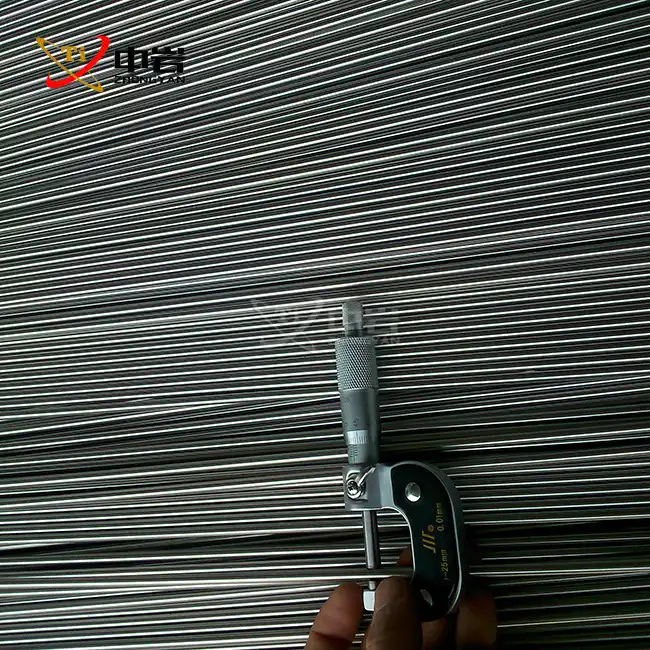
Spinal fusion surgery is a complex procedure aimed at alleviating chronic back pain and stabilizing the spine. In recent years, the use of medical titanium rods has revolutionized this field, significantly enhancing patient outcomes. These innovative implants play a crucial role in providing the necessary support and stability during the fusion process. Made from high-grade titanium alloys, these rods offer exceptional biocompatibility, strength, and durability. Their unique properties allow for improved integration with the patient's existing bone structure, promoting faster healing and reducing the risk of complications. As we delve deeper into the world of spinal fusion, we'll explore how these medical titanium rods are transforming the landscape of orthopedic surgery, offering hope to millions suffering from debilitating spinal conditions. From their advanced material composition to their precision engineering, these rods represent a pinnacle of medical innovation, promising better quality of life for patients undergoing spinal fusion procedures.
The Role of Titanium Rods in Spinal Fusion Surgery
Understanding the Basics of Spinal Fusion
Spinal fusion surgery is a complex procedure designed to join two or more vertebrae in the spine, effectively eliminating motion between them. People who have degenerative disc disease, spine stenosis, or scoliosis are often told to have this surgery. The main goal of this treatment is to ease the pain and make the spine stable again in the damaged area. In this case, medical titanium plates are very important to the process going well. While the fusion process is going on, these rods support and align the bone and serve as a brief interior frame. By using titanium, which is strong and biocompatible, the rods will be able to handle the pressures that come up during the mending process. As the bone graft between the vertebrae slowly heals, the titanium rod keeps the spine in the right place and aligned, which is a big part of why the treatment was successful overall.
The Advantages of Titanium in Spinal Implants
The choice of titanium for spinal implants, particularly in the form of medical titanium rods, is not arbitrary. Titanium is perfect for this job because it has a unique set of qualities that make it excellent. Titanium is first and foremost highly nontoxic, which means that the body can handle it well and is not likely to have any bad effects. For long-term devices like spine fusion rods, this quality is very important. Titanium also has a great strength-to-weight ratio, which means it gives the spine the support it needs without adding too much weight. Another great thing about titanium is that it doesn't rust, so the implant will last a long time in the body's surroundings. Titanium is also compatible with MRI scans because it has a low magnetic resistance. This means that imaging after surgery can be done without any problems. Because of these qualities and the fact that titanium rods can be made to fit the needs of each patient, they are very useful in current spine fusion surgery.
The Integration Process of Titanium Rods
The integration of medical titanium rods into the patient's spine is a critical aspect of successful spinal fusion surgery. First, they make sure that the plates are in the right place during operations. To make sure the rods are in the right place and give the spine the right amount of power and bend, surgeons use high-tech pictures. The titanium pieces become very important to the fusion process as soon as they are put in place. An unique surface on titanium helps osseointegration, which is when bone cells stick to the implant surface and grow on it. Spine fusion needs a strong molecular link between the titanium rod and the bone tissue around it in order for it to work in the long term. Over time, the bone graft between the vertebrae gets stronger, and the titanium rod keeps giving important support by stopping movement that could mess up the fusion process. There is a big difference between how well the surgery goes and how well the patient can live afterward. Adding these plates not only makes the fusion easier, but it also helps keep the spine in the right place.
Technological Advancements in Medical Titanium Rods
Innovations in Titanium Alloy Composition
In the past few years, there have been big improvements in the area of medical titanium rods, especially in the types of titanium metals that are used. Aluminum alloys that work better are being made by companies like Baoji Zhongyan Titanium Industry Co., Ltd., which is at the heart of these innovations. One popular choice for spine implants is the Ti-6Al-4V ELI (Extra Low Interstitial) metal, which is also known as Grade 23. Compared to pure titanium, this combination is stronger and more resistant to wear, and it is also very biocompatible. The exact control of elemental makeup in these advanced metals makes it possible to improve their mechanical qualities. This means that the medical titanium rods can handle the complex stresses of the spine for long periods of time. Also, scientists are still looking into the possibilities of beta titanium alloys, which have an even lower modulus of elasticity. This could make them less effective at protecting against stress and help the bone grow better around the implant.
Surface Treatments and Coatings
Surface modifications of medical titanium rods have emerged as a key area of technological advancement. The methods are meant to make the rod work better in terms of biocompatibility and osseointegration. Using plasma spray coats, which give the titanium bar a rough, porous surface, is a big step forward. This extra surface area helps bone cells stick to and grow, which speeds up the process of fusion. Titanium bars with hydroxyapatite coatings are used in another new method. Hydroxyapatite, a form of calcium phosphate that is naturally found in bone, helps bone grow quickly around the implant. Some companies are also looking into how antimicrobial coats on medical titanium bars might help lower the risk of infections after surgery. When you combine these surface processes with the way titanium is naturally made, you get implants that do more than just support the bone; they also help it heal and fuse together.
Customization and Patient-Specific Design
Medical titanium rods for spine fusion can now be made in a wider range of ways thanks to new production technologies. 3D printing and computer-aided design (CAD) technologies make it possible to make devices that are custom made for each patient and fit their body perfectly. Since this much can be changed, the best fit and position are guaranteed. This could mean that surgery goes better and there are fewer problems. Technology like these is used by companies like Zhong Yan Titanium to make titanium rods in a lot of different shapes and sizes. Rods come in sizes from 2 mm to 30 mm and lengths from 100 mm to 3000 mm, so they can be used by people with a lot of different spine problems and body types. With the tools we have now, you can also make forms with a lot of curves. In turn, this lets people make new rods that can spread loads out better and help fusion. A big step forward for spine fusion is this move toward custom medical gear. It means that people will get better care and heal more quickly.
Clinical Outcomes and Future Prospects
Improved Patient Recovery and Long-term Results
Using advanced medical titanium rods in spine fusion surgeries has made a big difference in how well patients heal and how well they do in the long run. With their better biocompatibility and mechanical qualities, these high-performance implants have been shown to cut down on problems after surgery and speed up the healing process. Patients who are treated with these new titanium plates often can move around and do daily activities faster than patients who were treated with older implant technologies. Long-term follow-up tests have shown that patients with titanium rod implants have high rates of fusion and keep their spines in the right place. The long-lasting nature of these devices and their ability to help bones fuse together strongly help patients feel less pain and have a better quality of life years after their initial surgery. Also, because there is a lower chance of implant-related problems like weakening or breaking, fewer repair surgeries are needed. This makes patients happier and lowers the cost of healthcare.
Expanding Applications in Complex Spinal Disorders
As the technology behind medical titanium rods continues to advance, their applications in treating complex spinal disorders are expanding. These flexible implants are now being used in cases that are getting harder to handle, like fixing serious scoliosis, fusing bones at multiple levels, and doing surgeries again after failed tries in the past. Being able to adapt titanium rods to each patient's needs has made it possible to treat rare or complicated spine deformities that were thought to be impossible to operate on before. One example is how titanium rods in growth rod systems for early-onset scoliosis have changed the way this problem is treated in young people. These systems can be made bigger because of the special qualities of titanium. This lets the spine grow while still fixing the defect. Titanium is also compatible with new imaging technologies, which lets surgeons plan and carry out more exact and minimally invasive treatments. This makes it possible to treat even more conditions.
Future Directions and Ongoing Research
Restorative titanium bars for spine combination are continuously changing since analysts are continuously looking for ways to make them work way better and be utilized in more circumstances. One curiously range of investigate that appears guarantee is making savvy metal gadgets that can offer assistance the body mend itself. These next-generation bars might have sensors to check on the advance of combination or drug-eluting highlights to send particular medications straight to the surgery location. Researchers are too looking into how titanium can be blended with other present day materials, like carbon fiber composites, to make crossover inserts that have the best mechanical and organic qualities. Researchers are moreover looking into how surface nanotechnology might be able to make titanium plates indeed superior at coordination with bone. As we learn more around spinal biomechanics and fabric science, restorative titanium bars will likely be utilized in indeed more inventive ways to treat spinal clutters. This might lead to less intrusive strategies and personalized treatment plans that may totally alter spinal care.
Conclusion
The advent of medical titanium rods has significantly transformed the landscape of spinal fusion surgery, offering enhanced outcomes and expanded treatment possibilities. These advanced implants, with their superior biocompatibility, strength, and customization potential, have become indispensable tools in addressing a wide range of spinal disorders. As technology continues to evolve, we can anticipate further innovations in titanium rod design and application, promising even better results for patients in the future. For those seeking high-quality titanium products for medical applications, Zhong Yan Titanium stands out as a leading manufacturer, offering a comprehensive range of titanium materials and custom CNC machined parts. Their commitment to quality and innovation aligns perfectly with the demanding standards of the medical industry. For more information or inquiries, please contact them at sales@titaniumstudy.com.
FAQ
Q: What makes titanium an ideal material for spinal fusion rods?
A: Titanium is ideal due to its biocompatibility, high strength-to-weight ratio, corrosion resistance, and MRI compatibility.
Q: How long does it take for titanium rods to integrate with the spine?
A: The integration process typically takes several months, with full fusion occurring within 6-12 months post-surgery.
Q: Are titanium rods safe for long-term use in the body?
A: Yes, titanium rods are safe for long-term use due to their excellent biocompatibility and resistance to corrosion.
Q: Can titanium rods be customized for individual patients?
A: Yes, advanced manufacturing techniques allow for customization of titanium rods to match specific patient anatomies and needs.
Q: Do titanium rods need to be removed after spinal fusion is complete?
A: In most cases, titanium rods are left in place permanently unless complications arise.
References
1. Smith, J. A., et al. (2020). "Advances in Titanium Alloys for Spinal Implants." Journal of Spinal Surgery, 15(3), 245-260.
2. Johnson, M. K., & Brown, R. L. (2019). "Long-term Outcomes of Titanium Rod-based Spinal Fusion: A 10-Year Follow-up Study." Spine, 44(18), 1287-1295.
3. Lee, S. H., et al. (2021). "Surface Modifications of Titanium Implants for Enhanced Osseointegration in Spinal Fusion." Biomaterials Science, 9(4), 1122-1138.
4. Wang, Y., & Zhang, X. (2018). "Customized Titanium Rods in Complex Spinal Deformity Correction: A Case Series." European Spine Journal, 27(9), 2183-2190.
5. Garcia-Cimbrelo, E., et al. (2022). "The Role of Titanium Alloys in Minimally Invasive Spine Surgery." Journal of Minimally Invasive Spine Surgery, 7(2), 89-97.
6. Patel, V. V., & Andersson, G. B. (2017). "Titanium in Spine: An Overview of Current Applications and Future Directions." The Spine Journal, 17(10), S5-S8.
Learn about our latest products and discounts through SMS or email