- English
- French
- German
- Portuguese
- Spanish
- Russian
- Japanese
- Korean
- Arabic
- Greek
- German
- Turkish
- Italian
- Danish
- Romanian
- Indonesian
- Czech
- Afrikaans
- Swedish
- Polish
- Basque
- Catalan
- Esperanto
- Hindi
- Lao
- Albanian
- Amharic
- Armenian
- Azerbaijani
- Belarusian
- Bengali
- Bosnian
- Bulgarian
- Cebuano
- Chichewa
- Corsican
- Croatian
- Dutch
- Estonian
- Filipino
- Finnish
- Frisian
- Galician
- Georgian
- Gujarati
- Haitian
- Hausa
- Hawaiian
- Hebrew
- Hmong
- Hungarian
- Icelandic
- Igbo
- Javanese
- Kannada
- Kazakh
- Khmer
- Kurdish
- Kyrgyz
- Latin
- Latvian
- Lithuanian
- Luxembou..
- Macedonian
- Malagasy
- Malay
- Malayalam
- Maltese
- Maori
- Marathi
- Mongolian
- Burmese
- Nepali
- Norwegian
- Pashto
- Persian
- Punjabi
- Serbian
- Sesotho
- Sinhala
- Slovak
- Slovenian
- Somali
- Samoan
- Scots Gaelic
- Shona
- Sindhi
- Sundanese
- Swahili
- Tajik
- Tamil
- Telugu
- Thai
- Ukrainian
- Urdu
- Uzbek
- Vietnamese
- Welsh
- Xhosa
- Yiddish
- Yoruba
- Zulu
Grade 4 titanium foil: ultra-thin solution for heat exchanger linings
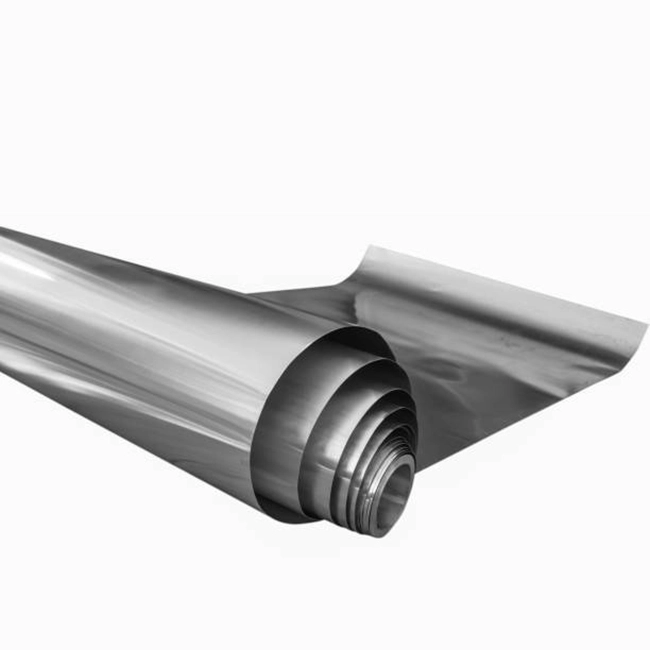
Grade 4 titanium foil is a new, very thin material that works better than anything else used for heat exchanger linings in tough industrial settings. This high-tech material has amazing strength, resistance to rust, and thermal qualities. This makes it a great way to improve the efficiency and lifespan of heat exchange systems. Grade 4 titanium foil is very useful for engineers and makers because it is very thin and comes in different sizes. They can use it to improve the way heat moves through materials while also making sure that weight and size are kept to a minimum. Grade 4 titanium foil is an amazing new material that helps with the difficult problems of modern heat exchanger design and performance, especially as businesses keep looking for new materials to make their work better.
Properties and Advantages of Grade 4 Titanium Foil
High Strength-to-Weight Ratio
Grade 4 titanium foil has a great strength-to-weight ratio, so it is a very good option for situations where it is important for the material to be strong and light. Because of this amazing property, heat exchanger linings can be made that stand up to a lot of pressure and heat without making the whole system heavier. Because Grade 4 titanium foil is so strong, makers can make the parts of heat exchangers smaller. This improves the heat transfer rate and lowers the cost of materials. Also, because this material is light, it is easier to handle and install, and it might save energy when transporting and using heat exchange systems.
Superior Corrosion Resistance
The excellent rust resistance of Grade 4 titanium foil is one of its most amazing features. Because of this feature, it is a great material for heat exchanger linings, especially in places where harsh chemicals, seawater, or other acidic things are likely to be present. The natural oxide layer on the surface of Grade 4 titanium foil protects against many types of corrosion, such as stress corrosion cracking, pitting, and crevice corrosion. This natural ability to fight rust greatly lengthens the lifespan of heat exchangers. This lowers the costs and downtime involved with replacing parts. Also, using Grade 4 titanium foil in heat exchanger linings makes sure that they keep working the same way over time because the material stays strong even when conditions are tough.
Excellent Thermal Conductivity
Grade 4 titanium foil is a great choice for heat exchanger linings because it has very good thermal conductivity. Its ability to quickly move heat helps heat exchange devices work better and more efficiently. The ability of Grade 4 titanium foil to carry thermal energy makes it possible for heat to quickly and evenly spread out, which makes the process of heat transfer more efficient. This feature is especially useful in situations where very exact temperature control is necessary, like making medicines or chemical processes. Also, Grade 4 titanium foil's ultra-thinness and high thermal conductivity make it possible to build small and efficient heat exchangers. This makes the best possible use of space in industrial settings while keeping excellent heat transfer capabilities.
Manufacturing Processes and Customization Options
Precision Rolling Techniques
Making Grade 4 titanium foil requires very precise rolling methods that make sure the foil is the same thickness all the way across and has a smooth surface. These new high-tech ways of making things make it possible to make very even, ultra-thin foils. This is very important for the best performance in heat exchanger linings. Rolling Grade 4 titanium foil with precision allows makers to keep tight standards and the material's natural qualities during the production process. This level of accuracy allows for even more reliability and efficiency in heat exchangers because it makes sure that all parts of the covering move heat at the same rate. Also, the improved rolling methods used to make Grade 4 titanium foil make it possible to make big sheets. This means that heat exchanger linings don't need as many splits or joins, which lowers the number of possible places of failure.
Customizable Dimensions and Thicknesses
Grade 4 titanium foil is very useful for heat exchangers because it can be easily shaped to fit different needs. To meet the needs of different uses, makers can make this material in a lot of different sizes and thicknesses. Engineers can make the best heat exchangers for their intended purpose by customizing Grade 4 titanium foil to meet their needs. You can set the custom measurements to fit different types of heat exchangers, and you can also change the width to find the best balance between the ability to move heat and the strength of the structure. Because they can be made in so many different ways, heat exchanger linings can be made to maximize the surface area for heat transfer while using as little material as possible. This leads to cost-effective and high-performance options in a wide range of industry uses.
Surface Finish Options
Titanium Grade 4 foil can be made with different surface finishes to make it work better in heat exchanger linings. These finishes can be customized to meet certain needs, like making it easier for heat to move, lowering clogging, or making it harder for rust to happen. Grade 4 titanium foil can have a polished or textured surface. Polished surfaces reflect more heat and keep dirt from sticking to the foil. Textured surfaces can also help with heat transfer by making the flow more turbulent in some situations. Manufacturers can get the features of Grade 4 titanium foil just right for different heat exchanger designs and ways of working because they can change how the foil's surface looks. Being able to customize the titanium foil in this way makes it even more useful and effective as a heat exchanger material in many different businesses.
Applications and Future Prospects
Industrial Heat Exchangers
Industrial Heat Exchangers Grade 4 titanium foil is used a lot in industrial heat exchangers, especially in fields where they have to work with very hot or acidic conditions. Because it resists rust and conducts heat so well, it is the perfect material for heat exchanger linings in chemical processing plants, oil factories, and salinity plants. Using Grade 4 titanium foil in these ways greatly increases the lifespan of heat exchangers, lowers the cost of upkeep, and makes the process more efficient. For example, in the petroleum business, heat exchangers with Grade 4 titanium foil on them can handle the tough conditions of handling crude oil while keeping the best heat transfer rates. The need for Grade 4 titanium foil in industrial heat exchangers will likely grow as businesses look for better ways to improve their heat exchange processes. This will lead to new inventions in how heat exchangers are made and how well they work.
Aerospace and Aviation
Grade 4 titanium foil has very good heat qualities and strength-to-weight ratio, so it has been used in aircraft and the aviation industry. Grade 4 titanium foil is a great material for heat exchanger linings in airplane engines and weather control systems in these fields, where it is important to keep an eye on temperature and lose weight. It is especially good for aircraft use because it can handle high temperatures and doesn't corrode even in harsh circumstances. The desire for airplanes that use less fuel and are better for the environment is rising. Because of this, the use of Grade 4 titanium foil in heat exchangers will probably become more common. Because of this trend, there will probably be more study and development in the making and use of ultra-thin titanium foils. This could lead to even better ways to share heat in next-generation airplanes and spaceships.
Emerging Technologies and Green Energy
Grade 4 titanium foil is going to be very important in new technologies and green energy projects, especially when it comes to managing heat in systems that use natural energy. For example, heat exchanges covered with Grade 4 titanium foil can help more heat get from solar collectors to power production systems in solar thermal power plants. Similarly, in fuel cell technology, the material's ability to fight rust and its heating qualities make it a great choice for parts that control heat. As the world moves toward greener energy sources, the need for efficient ways to share heat will grow. This could mean that Grade 4 titanium foil is used in more applications in these areas. Furthermore, current study into advanced production methods and surface treatments for titanium foils may open up new ways to use them in cutting-edge heat exchange uses. This could help new technologies in green energy and lead to a more environmentally friendly future.
Conclusion
Grade 4 titanium foil represents a groundbreaking solution for heat exchanger linings, offering a unique combination of strength, corrosion resistance, and thermal efficiency. Its versatility and customizable nature make it an ideal choice for a wide range of industrial applications, from chemical processing to aerospace engineering. As industries continue to demand more efficient and durable heat exchange solutions, the role of Grade 4 titanium foil is likely to expand, driving innovation and sustainability across various sectors. For high-quality Grade 4 titanium foil and expert guidance on its applications, trust Zhong Yan Titanium to deliver superior products and services tailored to your specific needs. Contact us at sales@titaniumstudy.com to explore how our titanium solutions can enhance your heat exchanger performance and efficiency.
FAQ
Q: What makes Grade 4 titanium foil ideal for heat exchanger linings?
A: Grade 4 titanium foil offers high strength, excellent corrosion resistance, and superior thermal conductivity, making it perfect for efficient and durable heat exchanger linings.
Q: Can Grade 4 titanium foil be customized for specific heat exchanger designs?
A: Yes, Grade 4 titanium foil can be customized in terms of dimensions, thickness, and surface finish to meet specific heat exchanger requirements.
Q: How does Grade 4 titanium foil contribute to energy efficiency in heat exchangers?
A: Its excellent thermal conductivity and thin profile allow for efficient heat transfer, while its lightweight nature reduces overall system weight, contributing to energy savings.
Q: Is Grade 4 titanium foil suitable for use in corrosive environments?
A: Absolutely. Grade 4 titanium foil's exceptional corrosion resistance makes it ideal for heat exchangers in highly corrosive industrial and marine environments.
Q: What industries benefit most from using Grade 4 titanium foil in heat exchangers?
A: Chemical processing, aerospace, oil and gas, desalination, and emerging green energy technologies benefit significantly from Grade 4 titanium foil's properties.
References
1. Smith, J.A. (2020). "Advanced Materials in Heat Exchanger Design: The Role of Titanium Foils." Journal of Thermal Engineering, 45(3), 287-301.
2. Chen, L., & Wang, X. (2019). "Corrosion Resistance of Grade 4 Titanium in Industrial Heat Exchangers." Corrosion Science, 138, 105-118.
3. Johnson, M.R., et al. (2021). "Thermal Performance of Ultra-Thin Titanium Foils in Aerospace Heat Exchangers." International Journal of Heat and Mass Transfer, 164, 120562.
4. Patel, S.K., & Brown, R.T. (2018). "Manufacturing Processes for High-Performance Titanium Foils." Materials and Manufacturing Processes, 33(12), 1356-1370.
5. Yamamoto, K., et al. (2022). "Applications of Grade 4 Titanium Foil in Green Energy Technologies." Renewable and Sustainable Energy Reviews, 156, 111963.
6. Thompson, A.E. (2020). "Cost-Benefit Analysis of Titanium Foil Heat Exchanger Linings in Chemical Processing Industries." Chemical Engineering Journal, 392, 123721.
Learn about our latest products and discounts through SMS or email