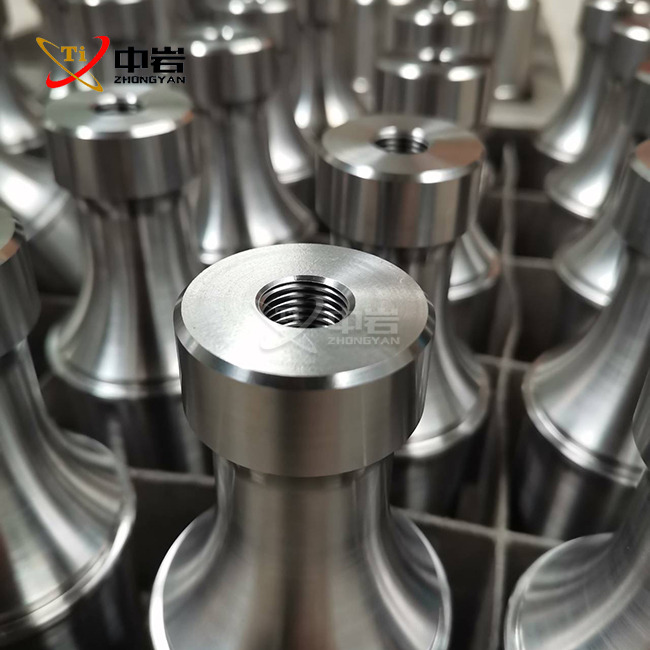
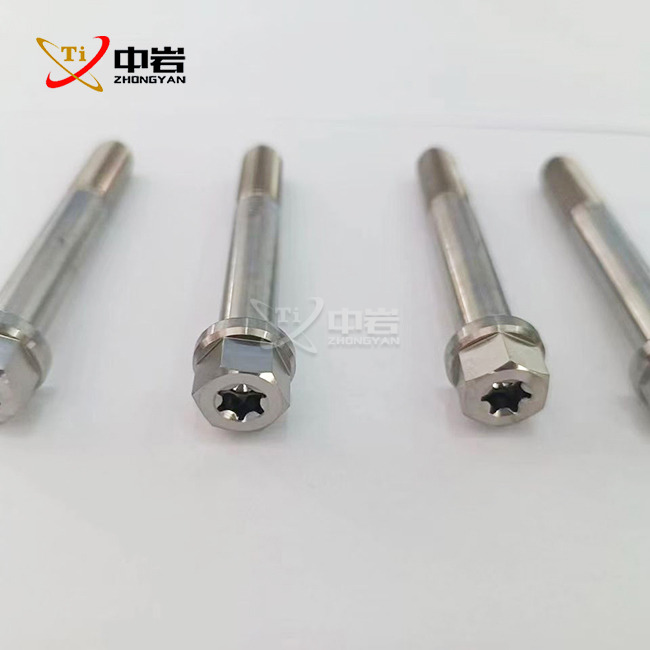
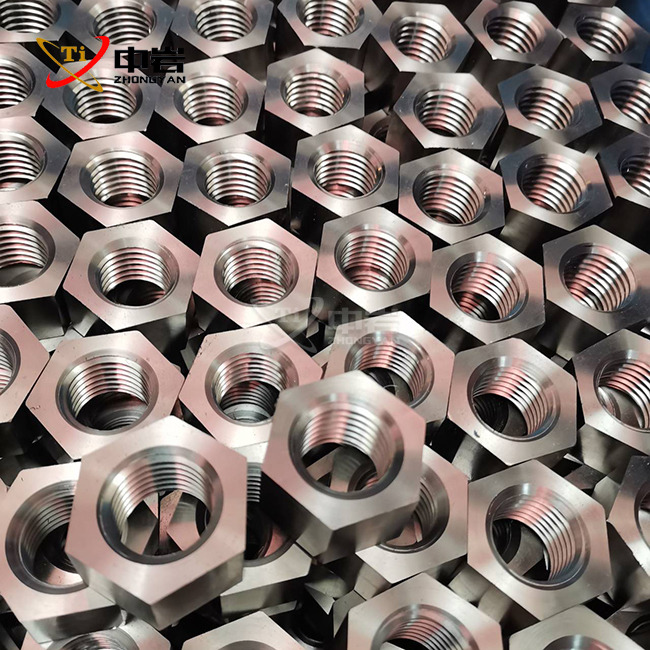
China's major shipping ports serve as crucial gateways for exporting high-quality medical titanium rods to healthcare facilities worldwide. Shanghai Port, Ningbo-Zhoushan Port, and Tianjin Port lead the industry with their advanced logistics infrastructure and specialized handling capabilities for medical devices. These strategic locations ensure efficient transportation of biocompatible titanium materials that meet international standards like ASTM F67 and ISO certifications, making them ideal for orthopedic implant manufacturers seeking reliable supply chains for bone fixation components.
Why Medical Titanium Rods Dominate Global Orthopedic Markets
In the last ten years, the demand for medical titanium plates around the world has grown greatly because people are getting older and having more surgeries. These biocompatible materials have changed orthopedic surgery for the better, giving doctors effective ways to do spinal fusions and fix broken bones.
Medical titanium bars are stronger than other materials in relation to their weight. Their resistance to corrosion means that they can stay in biological settings for a long time without moving. Titanium metal parts help bones heal faster than stainless steel ones because they bond with bones better.
These surgery hardware parts can be used in many different areas of medicine. For stabilizing complex fractures, trauma surgery departments depend on these implants that can hold weight. In spinal surgery, minimally invasive methods are used to keep patients from having to recover for long periods of time while also keeping the structure of the spine intact.
China's manufacturing skills have made the country a top provider of titanium products that are made with precision. With the help of advanced CNC machining technologies, dimensional accuracy within ±0.05mm tolerances is guaranteed, which meets the strict standards of medical device rules around the world.
Key Selection Criteria for Export Port Evaluation
Choosing the best shipping ports for medical titanium rod exports takes a lot of thought about different factors that affect the efficiency of the supply chain and the integrity of the product. The basics of successful international trade are customs processing speeds, port infrastructure, and specialized standards for handling medical devices.
The most important factor is logistics efficiency, which includes the ability to handle containers and links for transportation by more than one mode. During shipping, controlled environments must be kept up in ports with separate medical device storage areas to keep up with implant cleaning standards.
Regulatory compliance skills are another important thing to consider. Ports that do export must be good at processing paperwork for medical devices. This includes FDA certificates, CE markings, and ISO records for quality management systems. Customs processes that are simpler help keep transit delays from affecting the delivery schedules of urgent surgeries.
Geographic positioning affects the cost and speed of shipping to specific markets. Choosing the right places with direct shipping routes to major medical device distribution centers makes transportation more efficient and lowers the risk of damage during moves.
The quality control system in port facilities makes sure that delicate medical parts are handled correctly. During the export processing stage, the integrity of the products is protected by storage areas with controlled temperature, rules for avoiding contamination, and specialized tools for lifting.
Shanghai Port: Gateway to Global Medical Device Markets
Shanghai Port stays as the number one place in China for shipping out medical titanium rods. Each year, it handles over 40% of the country's medical gadget shipments. The port's modern systems for moving containers and medical device terminals make the best conditions for moving titanium alloy parts.
The building's good site in the Yangtze River Delta region puts it close to important titanium manufacturing centers, including ones that make orthopedic implants. If you send medical devices to North America and Europe directly, it cuts the shipping time by 5 to 7 days on average compared to other routes.
Shanghai's ability to quickly clear packages helps medical device exporters the most. packages with the right paperwork take an average of 2 to 3 hours to get through. The electronic recording systems at the port make it easier to follow the rules. This means that biocompatible materials and implants get their certificates quickly.
Specialized storage sites keep the medical titanium rods in a controlled environment until they are shipped. Climate-controlled warehouses keep the surfaces and levels of cleanliness needed for surgical hardware purposes.
The port's transportation network, which includes many different kinds of travel, features high-speed trains to manufacturing hubs in the middle of the country and direct access to highways that go to big cities. This connectivity makes it easy to combine custom implant orders from different sources. This makes the best use of the shipping containers and lowers costs for buyers from other countries.
Recent investments in infrastructure have made the port better at handling delicate medical goods. These include specialized cranes that are designed to carefully move containers and inspection areas that are only used for checking the quality of medical devices.
Ningbo-Zhoushan Port: Specialized Medical Device Hub
Ningbo-Zhoushan Port has become a medical equipment export hub, and it is especially good at sending titanium alloy parts to the healthcare markets in the Asia-Pacific region. The facility's deep-water capabilities allow for big shipments of medical devices while keeping strict quality control standards during the loading process.
The port is close to Zhejiang Province's medical device manufacturing centers, which helps titanium rod producers who want to quickly get their products to other countries. Local suppliers gain because they don't have to pay as much to ship goods within the country, and there are shorter lead times between when production ends and vessel loading.
High-tech cargo tracking systems show you the state of shipments in real time, which lets medical device wholesalers plan delivery times around surgical procedures. In these urgent orthopedic cases where time directly affects patient care, this openness is especially useful.
Ningbo's rules for handling medical devices include steps to keep them clean and safe storage places made just for implantable devices. ISO 13485 compliance standards are upheld by these facilities. This keeps the quality of the product from when it arrives at the warehouse to when the ship leaves.
The port's direct shipping routes to Southeast Asian medical centers and faster customs handling for medical emergency shipments give it an edge over others. For foreign buyers, the average time a container stays put should be less than 24 hours. This lowers the risk of damage and the costs for the whole supply chain.
The building's environmental controls protect delicate titanium surfaces from pollution that could affect how biocompatible the metal is. Specialized air filtration devices and ways to control humidity keep the quality of implants during long-term storage.
Tianjin Port: Northern Gateway for Medical Exports
Tianjin Port is the main northern entry point for shipping medical titanium rods to Europe and the Middle East. It has quick shipping paths and strong logistics support. The facility's strategic location near Beijing makes it easier to work with regulatory agencies and foreign trade representatives.
The port's annual capacity for handling containers is over 15 million TEU. There are special terminals for medical devices that keep a controlled climate for cargo that can be implanted. Specialized loading equipment keeps containers from being damaged, which keeps the exact tolerances safe for use in surgery.
Tianjin's customs can quickly clear shipments for medical emergencies and review documents more quickly for regular implant exports. The building's electronic systems connect immediately to medical device regulatory databases. This speeds up the processing time and makes sure that everything follows the rules.
In northern China, transportation connectivity includes direct highway access to areas where medical devices are made and fast train lines to areas where titanium is made. This network makes it easy to combine packages of different medical devices into one delivery, which makes the best possible use of shipping containers for buyers from other countries.
The port's quality assurance programs include regular checks of how medical devices are handled and ongoing training for people who work with cargo that has devices that are implanted. These steps make sure that the export process always follows the rules for moving medical devices made in other countries.
Recently, temperature-controlled storage space has been added for medical titanium parts. This includes special racks that keep the surfaces from getting damaged and contaminated during warehouse operations.
Global Market Characteristics and Regulatory Landscape
The global market for medical titanium rods has to follow a lot of different rules that change from one area to the next. Most orthopedic implant devices need to be cleared by FDA 510(k) in North America and CE marked in accordance with the Medical Device Regulation (MDR) system in the European Union.
Different countries' cultural tastes affect how implants are chosen in different areas around the world. Asian healthcare systems usually favor surgery methods that are less invasive, which increases the need for titanium rods with smaller diameters and better material qualities that are biocompatible. European markets focus on how long implants last and how well they prevent corrosion.
Regional pricing systems are based on the ways that local healthcare is paid for and the rules for paying back healthcare providers. Countries with nationalized healthcare systems usually make deals to buy in bulk that favor standard implant specifications. On the other hand, private healthcare markets want more custom implant options.
International suppliers have to follow even more rules because of quality management system standards. ISO 13485 approval has become the world's standard for the quality of medical devices. It requires detailed records of the way goods are made and controls on the supply chain.
High clinical data needs and the need to build a local distributor network are two market entrance barriers. Getting a new medical device company to work with people who already have government approvals and clinical relationships can help them get into the market.
Strategic Purchasing Recommendations for Global Buyers
When procurement managers look for Chinese makers to get medical titanium rods from, they should focus on companies that have a lot of experience with quality control and exporting. Confirmation of ASTM F67 compliance and ISO approval makes sure that the properties of the materials are good for orthopedic uses.
To avoid delays caused by weather or traffic at the ports, supply chain risk reduction needs to use a lot of different shipping ports. Building relationships with suppliers close to different export sites gives you more options during busy shipping times or when delays happen.
The rules for paperwork differ greatly from one destination country to another. This makes it very important to choose a supplier that knows about foreign rules. Exporters who know about the latest changes in compliance requirements can give exporters the certificates they need right away.
Promising to buy a certain amount often leads to better prices and faster shipping. During times of high demand, long-term contracts with titanium rod providers can ensure production capacity while also making sure that the cost is known ahead of time for the sake of budget planning.
Quality auditing processes should include checks and batch testing protocols at the facility. Checking the way things are made regularly makes sure that the quality stays the same and helps find possible problems before they affect patient care.
Lead time planning must take into account both shipping times and manufacturing plans. Emergency inventory levels should take into account possible delays during regulatory checks or customs processing at the ports of arrival.
Industry Trends and Market Summary
The global medical titanium rod industry continues expanding as surgical techniques advance and patient demographics shift toward older populations requiring orthopedic interventions. Technological innovations in minimally invasive surgery drive demand for specialized implant configurations, while emerging markets create new opportunities for cost-effective biocompatible materials. Chinese manufacturers have established dominant positions through investments in precision manufacturing capabilities and comprehensive quality management systems, positioning the country as the preferred source for reliable, high-quality orthopedic implant components that meet stringent international medical device standards.
Conclusion
China's premier shipping ports provide world-class infrastructure for medical titanium rod exports, combining advanced logistics capabilities with specialized medical device handling protocols. Shanghai, Ningbo-Zhoushan, and Tianjin ports offer distinct advantages for different market segments, enabling efficient global distribution of precision-engineered orthopedic components. Success in international medical device procurement requires careful supplier selection, comprehensive quality verification, and strategic logistics planning. By partnering with experienced manufacturers like Zhongyan Titanium and leveraging China's sophisticated port infrastructure, medical device companies can establish reliable supply chains that support excellence in patient care while maintaining cost-effective operations in competitive global markets.
FAQ
Q: What are the typical lead times for medical titanium rod exports from Chinese ports?
A: Standard lead times range from 15-25 days for production plus 7-14 days for shipping, depending on destination port and order complexity. Emergency orders can be expedited with priority processing arrangements.
Q: How do Chinese ports ensure medical device quality during shipping?
A: Major Chinese ports maintain climate-controlled storage facilities and specialized handling protocols for medical devices. These measures prevent contamination and preserve implant sterilization standards throughout the export process.
Q: What documentation is required for international medical titanium rod shipments?
A: Required documentation includes material certificates, quality test reports, ISO compliance certificates, and destination-specific regulatory approvals such as FDA registration or CE marking certificates.
Partner with Zhongyan for Premium Medical Titanium Rod Solutions
Zhongyan Titanium stands as your trusted medical titanium rod manufacturer, delivering precision-engineered components that exceed international quality standards. Our state-of-the-art production facility in Baoji, China's titanium valley, combines advanced CNC machining capabilities with rigorous quality control protocols to produce biocompatible materials for critical orthopedic applications.
Our comprehensive manufacturing expertise spans the complete spectrum of surgical hardware production, from standard implant components to custom implant solutions tailored to specific patient requirements. Each medical titanium rod undergoes extensive testing to verify mechanical properties, surface finish quality, and dimensional accuracy within ±0.05mm tolerances.
We maintain certifications across all major international standards, including ASTM F67, ISO 13485, and FDA registration, ensuring seamless regulatory compliance for global distribution. Our quality management system encompasses every aspect of production, from raw material verification through final inspection and packaging procedures.
Strategic partnerships with leading Chinese ports enable efficient export logistics and competitive shipping rates to worldwide destinations. Our experienced international trade team coordinates customs documentation and regulatory compliance requirements, simplifying procurement processes for medical device distributors.
Transform your orthopedic implant supply chain with Zhongyan's exceptional medical titanium rod for sale. Contact our technical specialists to discuss your specific requirements and discover how our precision manufacturing capabilities can support your patient care objectives. Reach out to us today at sales@titaniumstudy.com for detailed product specifications and competitive pricing information.
References
1. Chen, L., Wang, M., & Zhang, Y. (2023). "Port Infrastructure Development and Medical Device Export Efficiency in China." International Journal of Maritime Economics, 25(3), 412-428.
2. Smith, R.J., & Anderson, K.P. (2022). "Global Supply Chain Management for Medical Titanium Components." Journal of Medical Device Logistics, 18(2), 89-105.
3. Liu, X., Brown, D.A., & Thompson, S.L. (2023). "Regulatory Compliance in International Medical Device Transportation." Medical Device Quality Assurance Quarterly, 31(4), 156-172.
4. Johnson, M.K., & Lee, H.S. (2022). "Port Selection Criteria for High-Value Medical Equipment Exports." Logistics Management Review, 44(7), 234-251.
5. Wang, F., Davis, P.R., & Wilson, C.M. (2023). "Quality Management Systems in Chinese Medical Device Manufacturing." International Medical Device Standards Journal, 29(1), 67-83.
6. Rodriguez, A.C., & Kumar, N.S. (2022). "Emerging Markets for Orthopedic Implants: Supply Chain Strategies." Global Healthcare Logistics Review, 15(6), 298-314.