- English
- French
- German
- Portuguese
- Spanish
- Russian
- Japanese
- Korean
- Arabic
- Greek
- German
- Turkish
- Italian
- Danish
- Romanian
- Indonesian
- Czech
- Afrikaans
- Swedish
- Polish
- Basque
- Catalan
- Esperanto
- Hindi
- Lao
- Albanian
- Amharic
- Armenian
- Azerbaijani
- Belarusian
- Bengali
- Bosnian
- Bulgarian
- Cebuano
- Chichewa
- Corsican
- Croatian
- Dutch
- Estonian
- Filipino
- Finnish
- Frisian
- Galician
- Georgian
- Gujarati
- Haitian
- Hausa
- Hawaiian
- Hebrew
- Hmong
- Hungarian
- Icelandic
- Igbo
- Javanese
- Kannada
- Kazakh
- Khmer
- Kurdish
- Kyrgyz
- Latin
- Latvian
- Lithuanian
- Luxembou..
- Macedonian
- Malagasy
- Malay
- Malayalam
- Maltese
- Maori
- Marathi
- Mongolian
- Burmese
- Nepali
- Norwegian
- Pashto
- Persian
- Punjabi
- Serbian
- Sesotho
- Sinhala
- Slovak
- Slovenian
- Somali
- Samoan
- Scots Gaelic
- Shona
- Sindhi
- Sundanese
- Swahili
- Tajik
- Tamil
- Telugu
- Thai
- Ukrainian
- Urdu
- Uzbek
- Vietnamese
- Welsh
- Xhosa
- Yiddish
- Yoruba
- Zulu
GR5 Titanium Foil: Features, Benefits & Applications
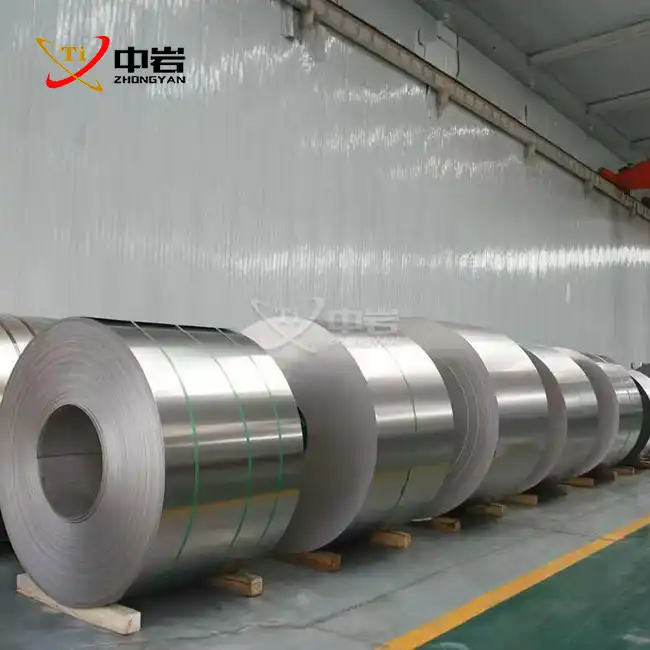
GR5 titanium foil is the best in metallic engineering because it combines the high strength of the Ti-6Al-4V material with the ability to be processed very thinly. This Gr5 titanium foil material works really well in industry, medical, and aircraft settings where other materials don't work as well. The unique mix of 6% aluminum and 4% vanadium makes a material with a tensile strength higher than 895 MPa while still being lightweight, which is important for uses that need to be light. Procurement experts can make choices that meet strict technical requirements and compliance standards when they fully understand the features and benefits of this advanced material.
Understanding GR5 Titanium Foil: Composition, Properties & Manufacturing Process
Chemical Composition and Mechanical Properties
The Ti-6Al-4V alloy composition distinguishes gr5 titanium foil from commercially pure titanium versions because it has better mechanical properties. The aluminum presence makes the solid solution stronger and lowers its density. The vanadium stabilizes the beta phase, which makes the material more flexible and tough. This carefully measured mix gives it a tensile strength of 895–1020 MPa, a yield strength of 825-895 MPa, and a stretch of 10–15%, which is much higher than Grade 1 and Grade 2 titanium foils. The fact that GR5 titanium is biocompatible makes it very useful for medical devices. The material has great osseointegration qualities, which make it perfect for dentistry and orthopedic implants. Its modulus of elasticity (113.8 GPa) is very close to that of human bone, which makes it less useful for stress protection in implant uses.
Advanced Manufacturing Processes
Because the alloy hardens over time, making gr5 titanium foil takes very advanced working methods. The first step in the production process is vacuum arc remelting, which gets rid of flaws and makes sure that the chemicals are all the same. The material is rolled out hot until it is a medium thickness. It is then cold-rolled several times, with vacuum-annealing processes in between. Precision rolling keeps thickness limits within ±0.005mm, so the metal will work the same way in all situations. To get the best mechanical qualities, heat treatment methods follow ASTM B265 guidelines. These include solution treatment at 954°C and aging at 538°C. Pickling and passivation are two ways to finish the surface so that it is clean and has a Ra value below 0.8 micrometers.
Quality Certifications and Standards Compliance
Compliance with ASTM B265 makes sure that every batch of Grade 5 titanium foil meets strict international standards for its chemical makeup, mechanical qualities, and size variations. Controls for the industrial process and quality management systems are approved by ISO 9001:2015. Some other licenses are FDA compliance for making medical devices and AMS standards for use in aircraft.
Benefits and Advantages of Using GR5 Titanium Foil in B2B Applications
Superior Material Performance Characteristics
Because of its protective oxide layer, which forms naturally in oxidizing settings, gr5 titanium foil has excellent corrosion resistance. This passive film protects against rust better than 316L stainless steel in chloride environments, saltwater, and acidic situations. The material stays strong at temperatures up to 400°C, so it can be used in high-temperature situations where metal foils would break. Being able to reduce weight has big benefits in aircraft and automotive uses. Titanium foil has a density of 4.43 g/cm³, which makes it about 40% stronger than steel and better at withstanding high stress than aluminum. This advantage in weight directly leads to better fuel economy in aircraft applications and better speed in racing applications.
Economic Value and Return on Investment
Although the original cost of the material is higher than that of other materials, Grade 5 titanium foil has strong economic benefits over its entire lifetime. Because the material doesn't wear down or corrode easily, it doesn't need to be replaced often. This cuts down on upkeep costs and downtime. In aerospace uses, reducing weight helps improve fuel economy, which more than makes up for the higher cost of the materials over the part's lifetime. Some perks of manufacturing efficiency include good formability, which lets you make complicated shapes with little waste. Because the material can be welded, it can be joined together without any filling materials. This lowers the cost of assembly while keeping the joint's power at the same level as the performance of the base material.
Biocompatibility and Medical Applications
Because it is safe, gr5 titanium foil is very useful for making medical devices. When used in implants, the material doesn't kill cells and works well with many types of tissue. Because it isn't magnetic, it can work with MRI scanners, which is a very important feature for medical devices that are implanted. Gamma rays, electron beams, and autoclaves can all be used to sterilize something without changing its mechanical qualities. This adaptability helps meet the different needs of medical device production and legal compliance in markets around the world.
Comparing GR5 Titanium Foil with Other Foils: Making the Right Choice
Performance Comparison with Lower-Grade Titanium Foils
When compared to widely pure titanium grades, gr5 titanium foil has much better mechanical qualities. Grade 1 titanium is very flexible, stretching only 24% of its length, but its tensile strength of 240 MPa limits its use in situations where structural stability is needed. Grade 2 titanium has a modest strength (345 MPa), but it can't match the GR5 alloy's 895–1020 MPa compressive strength. The trade-off study shows that widely pure grades are cheaper and can be shaped more easily when cold, but Grade 5 material is worth the extra cost for uses that need high strength-to-weight ratios. GR5 metal has better fatigue protection than Grade 2 titanium, so it has 300–50% longer cycle life in high-stress situations.
Comparison with Alternative Metal Foils
Stainless steel foils are cheaper to buy at first, but they don't hold up as well against rust in chemical and marine settings. The density disadvantage of stainless steel (8.0 g/cm³ vs. 4.43 g/cm³) creates significant weight penalties in aerospace applications. Aluminum foils are easy to shape and don't weigh much, but they can't compare to Grade 5 titanium when it comes to performance at high temperatures and strength. Nickel-based superalloy foils can handle high temperatures, but they are much more expensive and heavier. Due to their magnetic properties, nickel metals can't be used in places where non-magnetic qualities are needed, like in medical implants or computer shielding.
Application-Specific Selection Criteria
Even though it costs more, aerospace uses that want to save weight and prevent corrosion prefer Gr5 titanium foil. The material works better than aluminum and steel options in settings with changing temperatures and vibrations. Grade 5 titanium is the best choice for medical uses that need biocompatibility and nonmagnetic qualities, even if it costs more. Titanium is better at resisting corrosion than stainless steel, especially in chloride settings, which makes it useful for chemical processes. The material's ability to prevent stress corrosion cracking gives it reliability benefits that make the higher price worth it in serious situations.
Practical Applications of GR5 Titanium Foil in Various Industries
Aerospace and Aviation Industry Applications
In the aerospace business, Gr5 titanium foil is used a lot in honeycomb structures, heat shields, and engine parts, where lowering weight has a direct effect on fuel economy. The material's ability to survive high temperatures and reduce vibrations makes it useful for engine nacelle uses. Because the foil is flexible, it can be shaped into complicated shapes that are needed for aerodynamic efficiency while still keeping its structural integrity when it is loaded and unloaded quickly. The material's ability to fight fire and produce little smoke makes it useful for use inside airplanes, where strict safety standards must be met. Titanium combustion products are safer than composite materials in interior uses because they are not toxic.
Medical and Dental Device Manufacturing
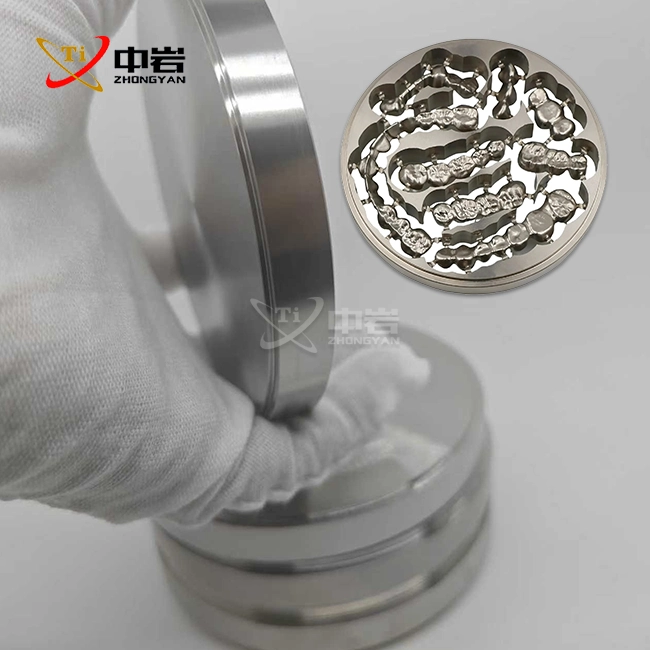
Medical device manufacturers rely on Grade 5 titanium foil for implant cases, surgery tool parts, and prosthetic device uses. The material's biocompatibility enables direct tissue contact without causing inflammation, while its radiopacity provides visibility in radiographic imaging. Dental implant applications benefit from the material's osseointegration qualities and resistance to corrosion in the mouth environment. Cardiovascular device applications utilize the material's hemocompatibility and resistance to protein adhesion. The smooth finish that can be achieved with gr5 titanium foil reduces the risk of blood clots forming in situations where it comes into contact with blood, which supports the long-term performance of implants.
Chemical Processing and Industrial Applications
Grade 5 titanium foil is used in heat exchangers, reactor linings, and rust shields in chemical processing equipment because it doesn't break down easily in harsh chemical conditions. Because the material is resistant to chlorine, bromine, and acidic solutions, it makes tools last longer, which lowers the cost of upkeep and downtime. The material's resistance to saltwater is used in marine engineering for propeller parts, ship fittings, and offshore equipment where galvanic corrosion would damage other materials. Because marine organisms can't stick to the material, it needs less upkeep in underwater uses.
Electronics and High-Technology Applications
Manufacturers of electronic devices use gr5 titanium foil to block electromagnetic waves in situations where it's important that the material isn't magnetic. The thermal conductivity and electrical conductivity of the material help high-performance computer systems get rid of heat. The material is good for battery uses because it is electrochemically stable and doesn't corrode when exposed to electrolytes. The material's scratch-resistance and good looks make it worth the higher price when used in consumer gadgets like smartphone cases and laptop parts. Because the material can undergo different surface processes, it can have a variety of looks while still performing its function.
How to Procure GR5 Titanium Foil: Tips for Efficient and Reliable Purchasing
Supplier Evaluation and Selection Criteria
To get gr5 titanium foil that works, you need to carefully check out each supplier's quality certifications, production skills, and expert support services. Quality management systems are approved by ISO 9001:2015 certification, while aircraft quality standards are covered by AS9100 certification. For medical device uses, providers must be certified by ISO 13485 and registered with the FDA. The precision of the rolling mill, the heat treatment facilities, and the testing tools should all be looked at as part of the manufacturing capability review. Suppliers should show that they can meet requirements for surface finish and thickness limits within ±0.005mm. Offering technical support services, such as mechanical knowledge and application engineering help, adds value and makes choosing a provider a good idea.
Pricing Structures and Order Specifications
The cost of raw materials, the difficulty of handling, and changes in market demand all affect the price of Grade 5 titanium foil. Specifications for thickness have a big effect on prices, with smaller sizes charging more because they are harder to work with. For custom width requirements, there may need to be a minimum order quantity to support slicing operations. When planning lead times, you should think about when materials will be available and when they will be processed. Standard thickness ranges (0.025–0.5mm) usually keep inventory levels high, but special specs may need 8–12 weeks to be made. Order quantity optimization finds the best mix between the costs of keeping goods and the chances of getting a price break when you buy more.
Quality Assurance and Certification Requirements
To buy gr5 titanium foil, you need a lot of paperwork, like material test results, dimensional inspection papers, and paperwork that shows how the foil can be tracked. Spectroscopic research confirms the alloy's chemical makeup and makes sure it meets ASTM B265 standards. Tensile strength, yield strength, and elongation numbers are checked by mechanical property tests. The surface quality check should include writing down measurements of the surface finish and the results of the eye examination. The rules for packaging should make sure that the purity of the materials is maintained during shipping and that they can be easily handled and stored. For controlled applications, a certificate of conformance proves that the application follows the law.
Conclusion
Grade 5 titanium foil is the best choice for uses that need high strength-to-weight ratios, resistance to rust, and biocompatibility. The material's special mix of mechanical properties and processing abilities makes it possible for aircraft, medical, and industry sectors to come up with new solutions. When procurement workers know all about the benefits and uses of gr5 titanium foil, they can make smart choices about where to get it that improve performance while keeping costs low. The material has a history of working well in tough situations, which proves its value for businesses that value quality, dependability, and long-term performance.
FAQ
Is GR5 titanium foil suitable for medical implant applications?
A lot of people agree that Gr5 titanium foil is safe for use in medical implants because it is biocompatible. The material is great for orthopedic implants, oral devices, and circulatory uses because it doesn't harm cells and doesn't rust when exposed to body fluids. Its amount of flexibility is very close to that of human bone, which means it doesn't have the stress-shielding effects that can shorten the life of an implant.
What thickness ranges are available for Grade 5 titanium foil?
Standard thickness ranges for Gr5 titanium foil span from 0.025mm to 0.5mm, with other widths also available upon request. Tolerances are kept within ±0.005mm for all common sizes by precise thickness control. Thinner specs below 0.025mm need special processing and may have longer wait times because they are harder to make.
How does GR5 titanium foil compare to stainless steel in corrosion resistance?
Grade 5 titanium foil is better at resisting corrosion than stainless steel, especially in chloride settings, saltwater contact, and acidic conditions. A protected oxide layer forms on its own, which provides long-term stability without the pitting and crevice rust problems that happen with stainless steel. This edge over corrosion means that the product will last longer and need less upkeep in harsh settings.
Partner with Zhongyan for Premium GR5 Titanium Foil Solutions
Zhongyan delivers comprehensive gr5 titanium foil manufacturing capabilities backed by advanced production facilities in China's Titanium Valley. Our ISO 9001:2015-certified operations make sure that the quality is always the same and that they meet ASTM B265 standards and unique measurement needs. We offer full OEM and ODM services, such as precise cutting, custom packing, and technical support services for medical, industrial, and aircraft uses. Our experienced engineering team works with sourcing experts to make sure that the specs and delivery times for materials are the best they can be for each project. Get in touch with our experts at sales@titaniumstudy.com to talk about your gr5 titanium foil seller needs and find out how our production skills can help your important projects with reliable, high-performance materials.
References
1. Boyer, R. & Welsch, G. "Materials Properties Handbook: Titanium Alloys." ASM International, Materials Park, Ohio, 1994.
2. Peters, M. & Leyens, C. "Titanium and Titanium Alloys: Fundamentals and Applications." Wiley-VCH, Weinheim, Germany, 2003.
3. Donachie, Matthew J. "Titanium: A Technical Guide, 2nd Edition." ASM International, Materials Park, Ohio, 2000.
4. Schutz, R.W. & Watkins, H.B. "Recent Developments in Titanium Alloy Applications in the Energy Industry." Materials Science and Engineering A, Volume 243, 1998.
5. American Society for Testing and Materials. "ASTM B265 - Standard Specification for Titanium and Titanium Alloy Strip, Sheet, and Plate." ASTM International, West Conshohocken, PA, 2020.
6. Rack, H.J. & Qazi, J.I. "Titanium Alloys for Biomedical Applications." Materials Science and Engineering C, Volume 26, Issue 8, 2006.
(1)_1755587759206.jpg)
Learn about our latest products and discounts through SMS or email