- English
- French
- German
- Portuguese
- Spanish
- Russian
- Japanese
- Korean
- Arabic
- Greek
- German
- Turkish
- Italian
- Danish
- Romanian
- Indonesian
- Czech
- Afrikaans
- Swedish
- Polish
- Basque
- Catalan
- Esperanto
- Hindi
- Lao
- Albanian
- Amharic
- Armenian
- Azerbaijani
- Belarusian
- Bengali
- Bosnian
- Bulgarian
- Cebuano
- Chichewa
- Corsican
- Croatian
- Dutch
- Estonian
- Filipino
- Finnish
- Frisian
- Galician
- Georgian
- Gujarati
- Haitian
- Hausa
- Hawaiian
- Hebrew
- Hmong
- Hungarian
- Icelandic
- Igbo
- Javanese
- Kannada
- Kazakh
- Khmer
- Kurdish
- Kyrgyz
- Latin
- Latvian
- Lithuanian
- Luxembou..
- Macedonian
- Malagasy
- Malay
- Malayalam
- Maltese
- Maori
- Marathi
- Mongolian
- Burmese
- Nepali
- Norwegian
- Pashto
- Persian
- Punjabi
- Serbian
- Sesotho
- Sinhala
- Slovak
- Slovenian
- Somali
- Samoan
- Scots Gaelic
- Shona
- Sindhi
- Sundanese
- Swahili
- Tajik
- Tamil
- Telugu
- Thai
- Ukrainian
- Urdu
- Uzbek
- Vietnamese
- Welsh
- Xhosa
- Yiddish
- Yoruba
- Zulu
GR5 Titanium Bars: Which Sizes and Shapes Are Available?

Understanding the available measurements is very important when looking for titanium alloy goods for use in aerospace, medicine, or industry. The formal name for GR5 titanium bars is Ti-6Al-4V alloy, and they are made in a wide range of sizes and forms to meet different technical needs. Round bars can be as thin as 6 mm or as thick as 300 mm, and they can be as long as 6000 mm. Specialized shapes like square, rectangular, and hexagonal curves give you more design options. Reliable makers make it easy to get custom sizes with tight tolerances, like h9 grade accuracy. This helps buying teams cut down on wasteful materials and machining time while still meeting strict standards like ASTM B348 and ISO 5832-3.
Understanding GR5 Titanium Bars: Composition, Properties, and Benefits
What Makes Ti-6Al-4V Alloy Unique
Because of how they are made, GR5 titanium bars are the most commonly used titanium metal in production around the world. About 6% of this alpha-beta combination is aluminum, and 4% is vanadium. It also has small amounts of iron (≤0.40%), oxygen (≤0.20%), and carbon (≤0.08%). The aluminum part makes it stronger and denser, and the vanadium part stabilizes the beta phase, which makes it easier to form and keep its strength at high temperatures. This exact chemical balance creates a material that fills the gap between the high rust resistance of commercially pure titanium and the structural strength of steel. This solves a fundamental engineering problem in weight-critical applications.
Superior Mechanical Performance Characteristics
The mechanical qualities of GR5 titanium bars are very good, meeting the most stringent needs of industry. In the annealed state, our goods at Baoji Zhongyan Titanium Industry have tensile strengths of more than 900 MPa and yield strengths of more than 850 MPa. The modulus of elasticity is 114 GPa, which is very close to the modulus of elasticity of human bone tissue. This is an important factor in biological uses. With a hardness grade of HRC 36 and elongation values of 10% or more, these bars keep their shape under high-cycle wear conditions and are flexible enough for complicated shaping operations. With a density of 4.43 g/cm³, it has a strength-to-weight ratio that steel and stainless metals can't match. This means that in similar designs, it can cut the weight of parts by up to 45%.
Industry Advantages Over Alternative Materials
When compared to other industrial materials, GR5 titanium bars perform better, which directly leads to cost savings and increased operating efficiency in many fields. When weight is very important, like in aircraft, titanium alloy parts can be used instead of heavy steel fasteners and structural elements that don't lose their ability to hold weight. It has better corrosion protection than 300-series stainless steel in chloride-rich marine settings and chemical processing plants. This means that stress corrosion cracking doesn't pose the same catastrophic failure risks. Because it is biocompatible and osseointegrates well with bone, medical device makers like Ti-6Al-4V more than aluminum and cobalt-chrome metals. This is why it is the usual material for orthopedic implants and dental fixtures. Because of these real benefits, this metal makes up more than half of all the titanium used in the world.
Available Sizes of GR5 Titanium Bars: From Standard to Custom Dimensions
Standard Diameter Ranges and Their Applications
There are a lot of different standard diameters for GR5 titanium bars on the market to meet the needs of different production methods and end-uses. Small precision bars with a width of 6 mm are used in electronics and medical devices that need tight tolerances and little material loss during CNC cutting. Most of the time, aircraft bolts, valve parts, and general engineering parts are called out in sizes between 10mm and 50mm. As an example, our polished 10mm diameter bars with ASTM B348 certification fall into this group. They have a smooth, shiny surface and weigh about 2.5 kg per meter, making them perfect for automatic machining tasks. Large industrial bars with diameters ranging from 80 mm to 300 mm are used in heavy machinery, naval propulsion systems, and oil-and-gas downhole tools that need strong cross-sections to handle high mechanical loads and harsh conditions.
Procurement teams should know that choosing the right width affects both the cost of materials and the speed with which they can be machined. Larger sizes cost more in raw materials but require fewer pieces in assemblies with more than one part. In precise uses, smaller bars reduce waste, but they may take more time to handle and set up during production.
Length Options and Custom Cutting Services
Standard lengths are usually between 1000mm and 6000mm, which is long enough to meet most industry needs without having to be custom-made. Our warehouse always has 1000mm annealed GR5 titanium bars on hand that are the perfect starting point for CNC turning and cutting operations because they make the best use of material and are easy to ship. Longer lengths (up to 6000 mm) are good for uses that need few welded joins, like marine shafting systems and structural aircraft parts, where weld zones could be failure places.
Custom cutting services are very useful for buyers who want to save money and are working on complicated projects that need to be cut to exact measurements. By buying bars that are cut to exact working lengths, procurement managers cut down on waste, lower the cost of handling, and speed up production plans. We can meet your needs for custom lengths with high accuracy thanks to our modern CNC sawing and wire EDM cutting tools. Minimum order numbers depend on the diameter and total volume, and lead times are usually between 2 and 4 weeks for normal sizes and between 4 and 6 weeks for highly customized sizes that need special processing conditions.
Weight Considerations and Handling Requirements
When planning transportation and production processes, it's important to know how bar dimensions affect weight. The density of 4.43 g/cm³ makes it easy to figure out how much something weighs. For example, a 1-meter length of 10mm diameter GR5 titanium bars weighs about 2.5 kg, and a 50mm diameter bar of the same length weighs about 62 kg. These numbers have a direct effect on how much it costs to move, how much space is needed, and what kind of material handling equipment is needed at receiving sites.
For heavier bars, you need special lifting gear and machine sets that can handle large loads during milling and turning operations. Our technical team gives procurement managers weight tables and handling suggestions to help them plan transport processes and make sure the shop floor is ready before the materials arrive.
Shapes of GR5 Titanium Bars: Versatility to Match Application Needs
Round Bars: The Industry Standard
Round bars make up about 80% of all GR5 titanium bars used. This is because they work with all CNC turning centers and have the same mechanical qualities in all rotational directions. The cylinder shape makes it easier to remove material efficiently during cutting, and centerless grinding and peeling methods produce better surface finishes than hot-rolling. Our round bars are cold-drawn and have polished surfaces, which get rid of the "alpha case" layer. This is an oxygen-rich layer that forms on the surface during hot working and ensures that the tools last a long time and the parts are machined accurately.
When rotary symmetry is needed for function, aerospace makers choose round bars for landing gear parts, turbine engine shafts, and hydraulic actuator rods. Manufacturers of medical implants like this shape for hip stems and spine fixation devices because round cross-sections evenly distribute stress when loaded in multiple directions.
Square and Rectangular Bars for Enhanced Rigidity
When directed strength, ease of fixturing, and making good use of material are more important than rotational symmetry, square and rectangular GR5 titanium bars are used. These forms make it easier to hold the workpiece while cutting, which cuts down on setup time and improves the accuracy of positioning for complicated parts with many sides. For maximum twisting resistance within limited outer measurements, rectangular bars are often used in structural aircraft clamps, electronic enclosure frames, and industrial tooling elements.
When rectangular pieces are hot rolled, an anisotropic grain structure forms that can improve properties along the lengthwise line. This is useful for situations where stress is mostly applied in one direction. When buying rectangular GR5 titanium bars for fatigue-critical parts, procurement managers should talk to sellers about the grain orientation requirements.
Specialty Geometries: Hexagonal, Flat, and Custom Profiles
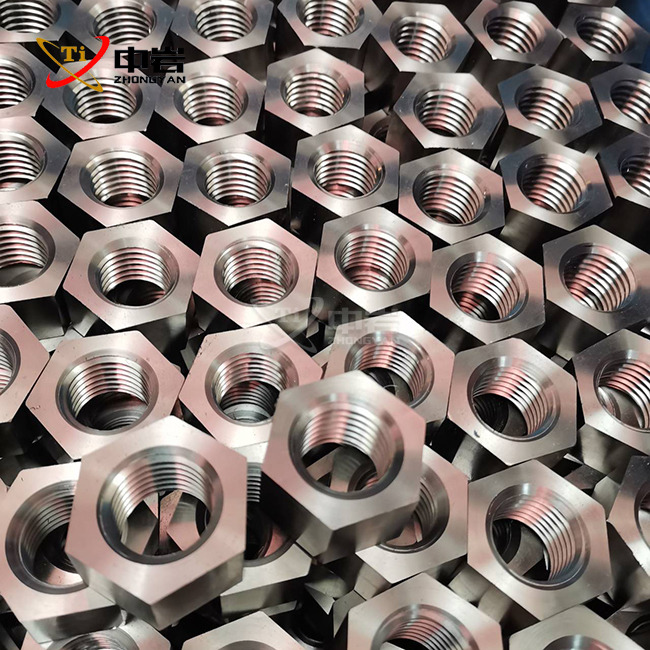
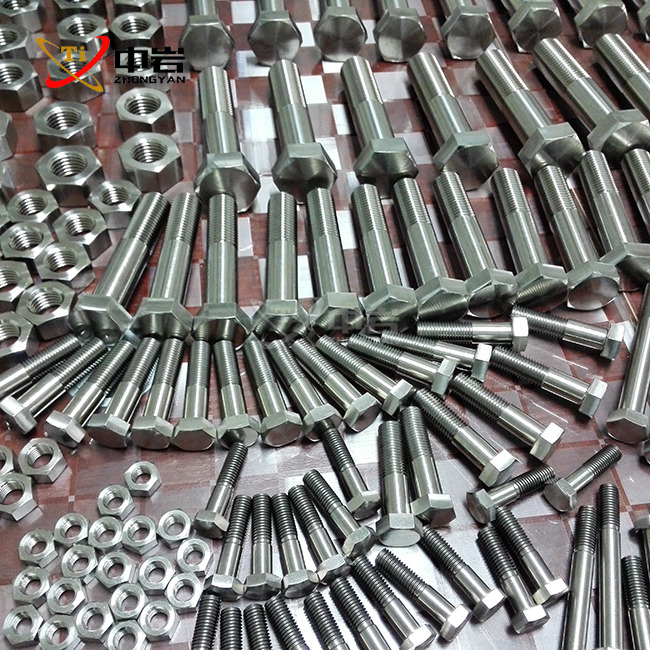
Hexagonal GR5 titanium bars have special benefits in uses that require a lot of assembly and where wrench flats or anti-rotation features are built into the part design. This shape cuts down on the need for extra cutting on valve stems and fastener heads, which lowers the cost of production while keeping the material's purity. Flat bars are used to make blade elements, spring parts, and building hardware that needs thin cross-sections and high aspect ratios.
Custom profile extrusion and precise forging make it possible to make near-net-shape GR5 titanium bars that fit the geometry of specific parts. This cuts down on waste and cuts time in high-volume production settings. With our OEM and ODM services, we can create custom bar profiles that are best for each assembly need. These profiles are then put through a lot of mechanical testing, and measurements are made sure they are correct.
How to Choose the Right GR5 Titanium Bar Size and Shape for Your Project
Evaluating Mechanical and Environmental Requirements
To choose the right GR5 titanium bars measurements, you should first carefully look at the mechanical needs of the end part in your application. Load-bearing structure parts that are pulled or squished by forces need to have enough cross-sectional area to keep stress levels below 850 MPa, with the right safety factors applied according to industry standards. When parts are bent, bigger diameters or rectangular sections help increase the moment of inertia, which makes the part stiffer and less likely to bend when it's loaded.
Comparing Grade 5 with Alternative Titanium Alloys
When buying things, people often compare GR5 titanium bars to Grade 2 commercially pure titanium or other specific metals. While Grade 2 bars are better at resisting corrosion and being flexible, they are only one-third as strong when it comes to tensile strength as GR5 titanium bars. This means that Grade 2 bars are not ideal for highly stressed structural parts. Both grades are biocompatible, so they can be used in medical settings. However, Grade 5 ELI (Extra Low Interstitial) versions are better for hip implants that need to be strong against breaking.
Procurement Strategy and Supplier Selection
To get GR5 titanium bars effectively, you need to work with manufacturers who can provide full documentation, uniform quality, and expert help throughout the supply chain. Verified providers should provide EN 10204 3.1 Mill Test Certificates that show the chemical make-up, mechanical qualities, and heat treatment conditions that are unique to each output lot. These certificates help with quality management systems that meet AS9100 aircraft standards and ISO 13485 medical device rules. They also make it possible to track products.
Applications of GR5 Titanium Bars by Size and Shape Across Industries
Aerospace and Defense Structural Components
Aerospace companies use GR5 titanium bars that are exactly sized for mission-critical structural parts. Any performance gaps have a direct effect on safety and operational capability. Large-diameter round bars are machined into shock struts and trunnion pins in landing gear systems. This is done to take advantage of the alloy's ability to fight fatigue and damage over many high-impact loading cycles. Jet engine makers use medium-diameter bars for compressor blades and turbine discs that work in harsh thermal environments. These bars stay strong at high temperatures and have a low mass, which makes them better at converting power to weight.
Medical and Dental Device Manufacturing
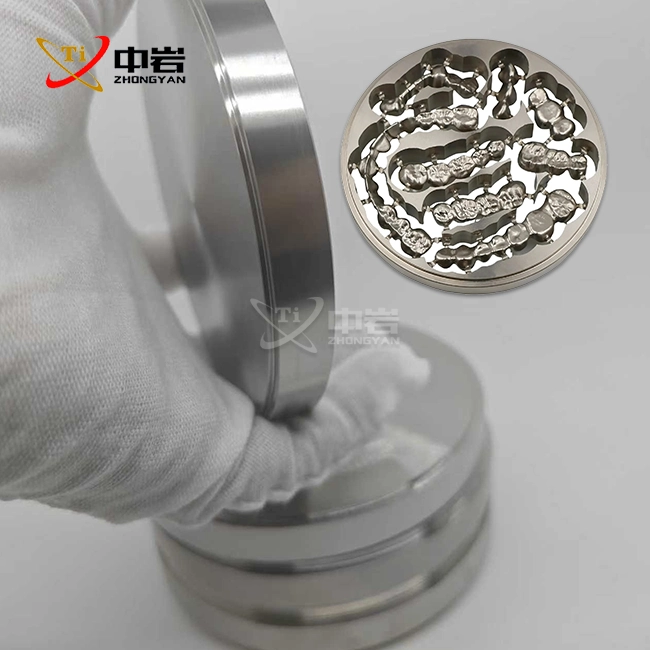
For regulatory approval processes, the medical device business needs GR5 titanium bars with a very smooth surface, precise control over dimensions, and full material certification. Manufacturers of orthopedic implants make hip stems, knee components, and spinal fixation devices from bars with diameters ranging from 10mm to 50mm. They use the material's modulus of elasticity, which is very similar to human bone, to reduce the stress shielding effects that cause bone to break down around implants. The natural biocompatibility and osseointegration qualities allow for a direct connection between bone and implant without rejection or bad tissue reactions.
Industrial Machinery and Chemical Processing Equipment
GR5 titanium bars are used in industry because they don't rust and have good mechanical qualities. They are used in harsh settings where other materials fail quickly. Chemical processing plants use Ti-6Al-4V for parts of pumps, valve stems, and reactor vessels that are exposed to chlorinated hydrocarbons, acidic solutions, and high-salinity brines that are known to be toxic. It is the passive titanium dioxide layer that forms on its own, protecting against general rust and targeted attack mechanisms that weaken stainless steel equipment.
Conclusion
To choose the right measurements and shape for your GR5 titanium bars needs, you need to carefully think about the mechanical requirements, the application setting, and the supplier's capabilities. There is a wide range of sizes available, from precision 6mm diameter bars to heavy industrial 300mm sections. This means that there are choices for almost any engineering problem in the medical, military, and industrial fields. In general, round bars are the most common type of bar. However, different forms work better in situations where direction strength or assembly speed is needed. To be successful at procurement, you need to work with makers who offer strict quality control, full certification paperwork, and expert help all the way through the supply chain. Our factory has the most up-to-date production tools, is strategically located in China's Titanium Valley, and has decades of metallurgical experience to make titanium goods that meet the strictest international standards. Whether your project needs standard stock sizes that can be delivered quickly or custom-engineered shapes with exact specs, knowing all of your options lets you make smart choices that balance performance needs with cost-effectiveness.
FAQ
What distinguishes Grade 5 from Grade 2 titanium bars in practical applications?
In real life, what makes GR5 titanium bars different from Grade 2 titanium bars? Grade 2 titanium is commercially pure and has good resistance to rust but not a lot of strength (about 345 MPa yield). At 850 MPa yield, GR5 titanium bars are almost three times as strong as Grade 2, so they have to be used in structure load-bearing situations where Grade 2 would bend. Both grades are used in medical uses, but GR5 titanium bars are better for high-stress implant designs.
Can titanium alloy bars be welded without compromising mechanical properties?
Is it possible to join titanium metal bars together without changing their mechanical properties? When welding GR5 titanium bars, it's important to use argon or helium as an inert gas cover to keep air from weakening the metal. Both the weld pool and the cooling zone need to be kept clean from outside contaminants. In factories, people often use friction stir welding, electron beam welding, and laser welding. When done correctly, these methods keep the joint strength at the same level as the base material.
How does heat treatment affect the mechanical characteristics of these bars?
What changes about these bars' mechanical properties when they are heated? GR5 titanium bars are usually sent out in the softened state so that they can be machined easily. Solution treatment followed by age (STA) can raise the tensile strength by 20 to 25 percent, but it also lowers the flexibility by the same amount. Our team can help you choose the right heat treatment based on the needs of your application and the mix of properties you want.
What lead times should procurement managers expect for custom-sized orders?
How long should buying managers wait for orders that are made to fit? Standard mixes of width and length usually ship from our Baoji site in two to three weeks. Custom specs that need special processing settings, unique surface processes, or tolerances that aren't standard usually take 4 to 6 weeks. Orders in large quantities are scheduled first, and we keep contact open throughout production to help keep projects on schedule.
Partner with Zhongyan for Reliable Ti-6Al-4V Bar Supply
Zhongyan is ready to help you buy titanium alloy because they have a large collection, can make things to order, and have technical knowledge that comes from decades of specialized production. As a top producer of GR5 titanium bars based in China's Titanium Valley, we strictly follow ASTM B348, AMS 4928, and ISO 5832-3 standards. We also offer reasonable prices thanks to our prime location and state-of-the-art processing facilities. In addition to offering raw materials, we also offer CNC machining services, which allow us to handle everything from bar stock to finished, precise components. Email our expert sales team at sales@titaniumstudy.com to talk about your unique needs, get material certifications, or set up a review of a sample. When procurement managers need to order important titanium parts for medical, industrial, and aircraft uses, they depend on us to provide quality assurance, quick contact, and a reliable supply chain.
References
1. Boyer, R., Welsch, G., and Collings, E.W. (1994). Materials Properties Handbook: Titanium Alloys. ASM International, Materials Park, Ohio.
2. Donachie, M.J. (2000). Titanium: A Technical Guide, 2nd Edition. ASM International, Materials Park, Ohio.
3. Lutjering, G. and Williams, J.C. (2007). Titanium, 2nd Edition: Engineering Materials and Processes. Springer-Verlag, Berlin Heidelberg.
4. Peters, M., Kumpfert, J., Ward, C.H., and Leyens, C. (2003). "Titanium Alloys for Aerospace Applications." Advanced Engineering Materials, Volume 5, Issue 6, pp. 419-427.
5. ASTM International (2021). ASTM B348-21: Standard Specification for Titanium and Titanium Alloy Bars and Billets. West Conshohocken, Pennsylvania.
6. Veiga, C., Davim, J.P. e Loureiro, A.J.R. (2012). "Properties and Applications of Titanium Alloys: A Brief Review." Reviews on Advanced Materials Science, Volume 32, pp. 133-148.
Learn about our latest products and discounts through SMS or email