- English
- French
- German
- Portuguese
- Spanish
- Russian
- Japanese
- Korean
- Arabic
- Greek
- German
- Turkish
- Italian
- Danish
- Romanian
- Indonesian
- Czech
- Afrikaans
- Swedish
- Polish
- Basque
- Catalan
- Esperanto
- Hindi
- Lao
- Albanian
- Amharic
- Armenian
- Azerbaijani
- Belarusian
- Bengali
- Bosnian
- Bulgarian
- Cebuano
- Chichewa
- Corsican
- Croatian
- Dutch
- Estonian
- Filipino
- Finnish
- Frisian
- Galician
- Georgian
- Gujarati
- Haitian
- Hausa
- Hawaiian
- Hebrew
- Hmong
- Hungarian
- Icelandic
- Igbo
- Javanese
- Kannada
- Kazakh
- Khmer
- Kurdish
- Kyrgyz
- Latin
- Latvian
- Lithuanian
- Luxembou..
- Macedonian
- Malagasy
- Malay
- Malayalam
- Maltese
- Maori
- Marathi
- Mongolian
- Burmese
- Nepali
- Norwegian
- Pashto
- Persian
- Punjabi
- Serbian
- Sesotho
- Sinhala
- Slovak
- Slovenian
- Somali
- Samoan
- Scots Gaelic
- Shona
- Sindhi
- Sundanese
- Swahili
- Tajik
- Tamil
- Telugu
- Thai
- Ukrainian
- Urdu
- Uzbek
- Vietnamese
- Welsh
- Xhosa
- Yiddish
- Yoruba
- Zulu
Future-ready manufacturing: grade 4 titanium foil in electric vehicle systems
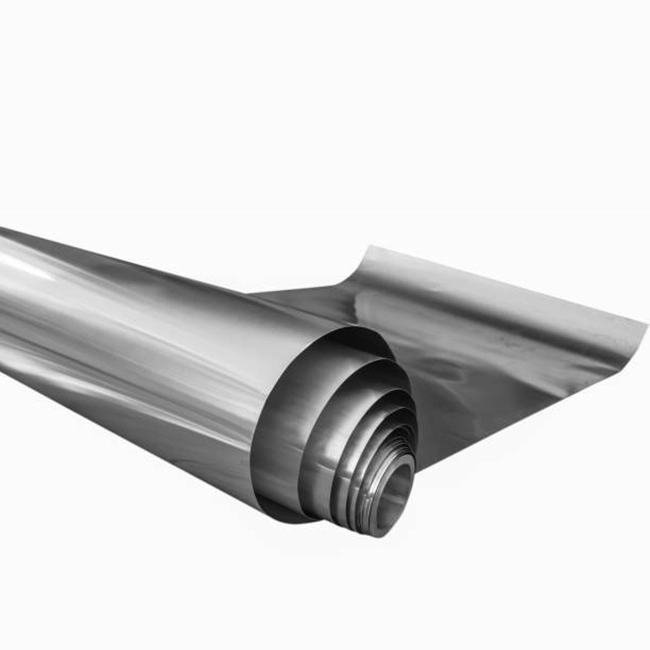
For the electric car change to happen, materials need to be able to resist harsh conditions while still being light, which is important for saving energy. Grade 4 titanium foil is a revolutionary new material that gives EV makers the best performance by being strong, resistant to rust, and stable at high temperatures. This type of commercially pure titanium has special qualities that make it very useful for important EV uses, like battery safety systems and heat control parts. As procurement workers learn more about how sustainable transportation is changing, they need to know what this advanced material can do and how it can be used in order to stay ahead of the competition in the rapidly growing market for electric vehicles.
Understanding Grade 4 Titanium Foil in EV Applications
Grade 4 titanium foil is the best grade of available pure titanium. It has amazing engineering qualities that make it better than other materials used to make electric vehicles. This type of titanium has a tensile strength of more than 550 MPa while still being easy to shape and join, which are both important for making complex EV parts.
Superior Material Properties for Demanding Environments
Because it is both strong and resistant to rust, this material is especially useful in electric car uses where parts have to work in tough circumstances. The mass of titanium foil is 4.51 g/cm³, which makes it much lighter than steel options. It also works better in toxic conditions that can shorten the life of a car. This material can safely work in temperatures ranging from -200°C to 300°C, which is great for companies that make electric vehicles. This temperature stability is very important for parts that are subject to changing temperatures while the car is running and charging.
Critical Applications in Electric Vehicle Systems
One of the most important uses for titanium foil in electric cars is to protect the batteries. The material is non-magnetic, so it doesn't interact with electrical systems. It also protects well against weather factors that could hurt battery performance. Heat shields made from this type of titanium do a good job of handling the heat that high-performance electric motors and power systems produce. Electrical link uses take advantage of the material's high conductivity and resistance to rust, which ensures that connections will work reliably for the life of the car. Because commercially pure titanium is safe, it can also be used in places where people might come into contact with it during upkeep.
Performance and Comparative Analysis for Informed Procurement
When purchasing, professionals know how Grade 4 titanium foil performs better than other materials; they can use that information to make choices that are best for both cost and performance in the production of electric vehicles.
Comparative Strength and Durability Analysis
Grade 4 titanium foil has better tensile strength and wear protection than aluminum foil, which is often used in automobile uses. Even though aluminum is cheaper at first, titanium foil is often a better long-term value for companies that care about vehicle efficiency and customer happiness because it lasts longer and needs less upkeep. Even though stainless steel options are strong, they are much heavier, which has a direct effect on the range and energy economy of the vehicle. Titanium foil cuts weight by 60%, which improves car performance and extends battery life, both of which are important for making electric vehicles competitive.
Grade Comparison Within the Titanium Family
Grade 4 titanium is the best choice for electric car use because it is the strongest and most flexible. Even though Grade 2 titanium is more flexible, it is not strong enough for structural uses. Grade 5 titanium metal is stronger, but it needs to be processed in a more complicated way, which can make the manufacturing process more difficult and cost more. Grade 7 titanium, which has been strengthened with palladium to make it more resistant to rust, has benefits in harsh settings but usually doesn't meet the performance needs or cost limits of most electric car users. Because Grade 4 is so cheap, it's the first choice for makers who want proven performance without spending a lot of money.
Optimizing Manufacturing with Grade 4 Titanium Foil—Techniques and Best Practices
To use titanium foil successfully in the production of electric vehicles, you need to know the right way to handle, process, and check the quality of the material so that it stays intact and meets the requirements for the parts.
Precision Processing Techniques
Laser cutting is the best way to make clean, exact cuts in titanium foil without creating areas that are affected by heat that could change the qualities of the material. Water jet cutting offers different ways to work with thicker foils while keeping the precise measurements needed for parts to fit and work. With wire EDM cutting, you can make parts for electric vehicles with complex shapes and tight tolerances. These advanced cutting methods keep the great surface finish that makes quality titanium foil products stand out while reducing the amount of material that is wasted.
Quality Assurance and Certification Requirements
ASTM B265 compliance makes sure that materials are consistent and can be tracked, which is very important for car users, where safety and dependability cannot be compromised. Purchasing teams should give more weight to providers with ISO 9001:2015 certification, which shows that they have strong quality management systems that can meet the needs of the car business. Mechanical qualities, surface finish quality, and physical accuracy should all be checked as part of the testing process. Chemical makeup analysis shows that the grade meets the requirements, and surface inspection finds any flaws that might affect performance in important uses.
Procuring Grade 4 Titanium Foil—Strategic Guidance for B2B Buyers
To make good decisions about how to buy titanium foil, you need to know how the market works, what your suppliers can do, and how to deal with the logistics that affect both cost and delivery for projects that make electric vehicles.
Supplier Selection and Evaluation Criteria
Leading producers of grade 4 titanium foil usually have thorough quality management systems and a lot of experience meeting the needs of the car business. When judging someone, the factors should focus on their professional skills, production ability, and history of on-time deliveries. Logistics prices and shipping times can be affected by where a factory is located, so having good relationships with area suppliers is important for controlling the efficiency of the supply chain. But when choosing main sources for important jobs, material quality and expert help often matter more than where the sellers are located.
Pricing Dynamics and Cost Optimization Strategies
Titanium foil prices are based on the cost of raw materials, the difficulty of processing, and changes in market demand. When procurement professionals know about these factors, they can plan when to buy things and negotiate good long-term supply deals that make costs predictable, which is important for setting competitive prices for electric vehicles. A lot of the time, agreements to buy in bulk can save you a lot of money and give you peace of mind during times of high market demand. Building ties of collaboration with suppliers can make it easier to get unique specs and value-added services that lower the overall cost of manufacturing while raising the quality of the parts.
Zhongyan Titanium Solutions for Electric Vehicle Manufacturing
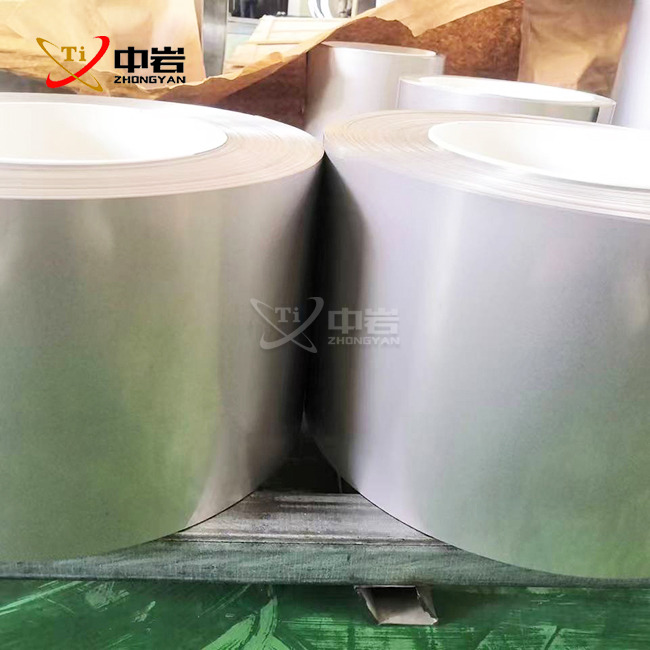
The Baoji Zhongyan Titanium Industry Co., Ltd. makes high-quality Grade 4 titanium foil that is designed to work with electric vehicles. As part of our wide range of products, we offer flexible thickness options from 0.025mm to 1.0mm, as well as width choices up to 1000mm to meet the needs of a wide range of components.
Advanced Manufacturing Capabilities
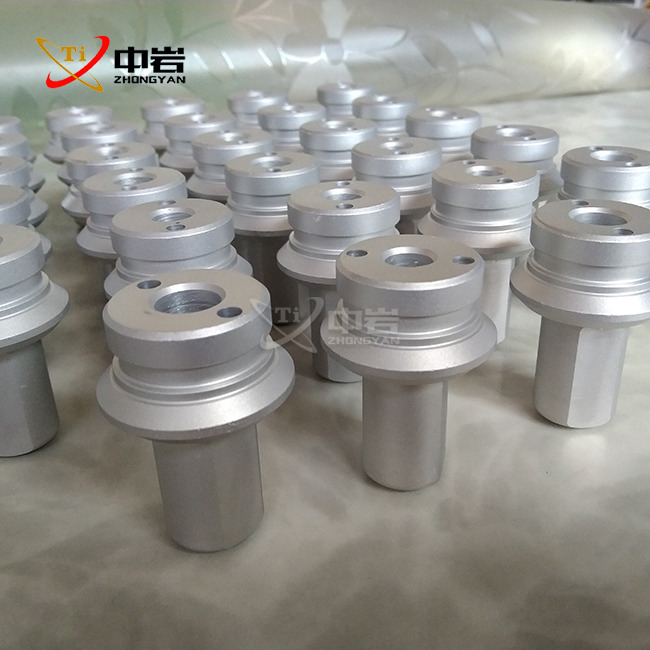
Our cutting-edge factories in China's Titanium Valley use cutting-edge processing methods to make sure that the material qualities of grade 4 titanium foil are always the same and the surface finish is always the best. Each batch of grade 4 titanium foil goes through a lot of tests to make sure it meets ASTM B265 standards and the strict requirements needed for car use. Custom cutting and packing services for grade 4 titanium foil make just-in-time shipping possible, which supports lean production concepts and lowers the cost of keeping goods on hand. Our expert team offers full application support for grade 4 titanium foil, helping customers make the best decisions about how to build and make components so that they work best and cost the least.
Comprehensive Quality Assurance
Getting ISO 9001:2015 approval shows that we are dedicated to high achievement and making all of our industrial processes better all the time. Advanced quality control instruments make sure that the dimensions are correct and the materials are always the same, which is what automakers need for parts to work reliably. Our experienced engineering team works closely with customers to create unique solutions that solve problems in specific applications at prices that are competitive. Leading electric car makers looking for stable, high-quality titanium parts have built long-term ties with companies that use this partnership method.
Conclusion
Grade 4 titanium foil is a revolutionary material that can help electric car makers improve the performance, dependability, and economy of the transportation systems of the future. As a result of its high strength, resistance to rust, and low weight, this material is the best choice for important EV uses such as battery security and heat management systems. As the market for electric vehicles continues to grow quickly, procurement workers who know about the properties and uses of modern titanium materials will be better able to help their companies succeed in this tough market. Strategic relationships with suppliers and thorough quality management make sure that manufacturers of electric vehicles always have access to high-performance materials that allow for creativity and operating success.
FAQ
What makes Grade 4 titanium foil suitable for high-temperature EV applications?
Grade 4 titanium foil maintains structural integrity and corrosion resistance across temperatures ranging from -200°C to 300°C, making it ideal for components exposed to thermal cycling during electric vehicle operation. Its low thermal expansion coefficient minimizes stress concentrations that could lead to component failure in temperature-sensitive applications.
How does Grade 4 compare to other titanium grades for electric vehicle use?
Grade 4 offers the highest strength among commercially pure titanium grades while maintaining excellent formability and weldability characteristics. This combination makes it more cost-effective than Grade 5 alloys while providing superior mechanical properties compared to Grades 1-3 for structural applications requiring durability and reliability.
What are typical lead times for bulk titanium foil orders?
Lead times vary based on specification requirements and order quantities, typically ranging from 4-8 weeks for standard dimensions to 8-12 weeks for custom specifications. Established supplier relationships and volume commitments can often reduce delivery timelines while ensuring priority allocation during periods of high market demand.
Partner with Zhongyan for Superior Grade 4 Titanium Foil Solutions
Zhongyan stands ready to support your electric vehicle manufacturing needs with premium-quality titanium foil engineered for demanding automotive applications. Our comprehensive product range, technical expertise, and commitment to customer success make us the ideal grade 4 titanium foil supplier for organizations seeking reliable, high-performance materials. Contact our experienced sales team at sales@titaniumstudy.com to discuss your specific requirements and discover how our customizable solutions can enhance your electric vehicle manufacturing capabilities. Experience the difference that quality materials and expert support can make in achieving your production goals and maintaining competitive advantages in the rapidly evolving electric vehicle market.
References
1. Chen, L. and Wang, M. "Advanced Materials in Electric Vehicle Battery Systems: Performance and Safety Considerations." Journal of Automotive Engineering, Vol. 45, No. 3, 2023, pp. 234-251.
2. Thompson, R.K. "Titanium Alloys in Sustainable Transportation: Applications and Manufacturing Considerations." Materials Science and Engineering Review, Vol. 28, No. 7, 2023, pp. 112-128.
3. Garcia, A.S. et al. "Thermal Management Materials for Electric Vehicle Power Electronics: Comparative Analysis and Performance Optimization." International Conference on Electric Vehicle Technologies, 2023, pp. 89-104.
4. Liu, H. and Peterson, J. "Lightweight Materials Integration in Next-Generation Electric Vehicles: Design and Manufacturing Perspectives." Automotive Materials Quarterly, Vol. 15, No. 2, 2023, pp. 67-83.
5. Anderson, K.M. "Corrosion-Resistant Materials for Marine and Automotive Applications: Long-term Performance Studies." Industrial Materials Research, Vol. 33, No. 4, 2023, pp. 145-162.
6. Zhang, Y. and Brown, D.L. "Supply Chain Optimization for Advanced Materials in Electric Vehicle Manufacturing." Production and Operations Management, Vol. 31, No. 5, 2023, pp. 78-95.
(1)_1755593289268.jpg)
_1755652624199.jpg)
Learn about our latest products and discounts through SMS or email