- English
- French
- German
- Portuguese
- Spanish
- Russian
- Japanese
- Korean
- Arabic
- Greek
- German
- Turkish
- Italian
- Danish
- Romanian
- Indonesian
- Czech
- Afrikaans
- Swedish
- Polish
- Basque
- Catalan
- Esperanto
- Hindi
- Lao
- Albanian
- Amharic
- Armenian
- Azerbaijani
- Belarusian
- Bengali
- Bosnian
- Bulgarian
- Cebuano
- Chichewa
- Corsican
- Croatian
- Dutch
- Estonian
- Filipino
- Finnish
- Frisian
- Galician
- Georgian
- Gujarati
- Haitian
- Hausa
- Hawaiian
- Hebrew
- Hmong
- Hungarian
- Icelandic
- Igbo
- Javanese
- Kannada
- Kazakh
- Khmer
- Kurdish
- Kyrgyz
- Latin
- Latvian
- Lithuanian
- Luxembou..
- Macedonian
- Malagasy
- Malay
- Malayalam
- Maltese
- Maori
- Marathi
- Mongolian
- Burmese
- Nepali
- Norwegian
- Pashto
- Persian
- Punjabi
- Serbian
- Sesotho
- Sinhala
- Slovak
- Slovenian
- Somali
- Samoan
- Scots Gaelic
- Shona
- Sindhi
- Sundanese
- Swahili
- Tajik
- Tamil
- Telugu
- Thai
- Ukrainian
- Urdu
- Uzbek
- Vietnamese
- Welsh
- Xhosa
- Yiddish
- Yoruba
- Zulu
Custom Titanium Tube Adapter for OEM Engineering Projects

Custom Titanium Tube Adapter solutions are an important part of modern OEM engineering projects where precisely engineered parts need to be able to work in harsh conditions while still being accurate in size and compatible with chemicals. These special adapters are important connection points in complicated pipe systems used in high-performance industrial, chemical processing, aircraft, and the production of medical devices. The quality Grade 5 titanium alloy (Ti-6Al-4V) used to make these adapters gives them biocompatibility, better strength-to-weight ratios, and excellent corrosion protection that normal steel or aluminum alternatives just can't match in harsh working conditions.
Understanding Titanium Tube Adapters in OEM Engineering
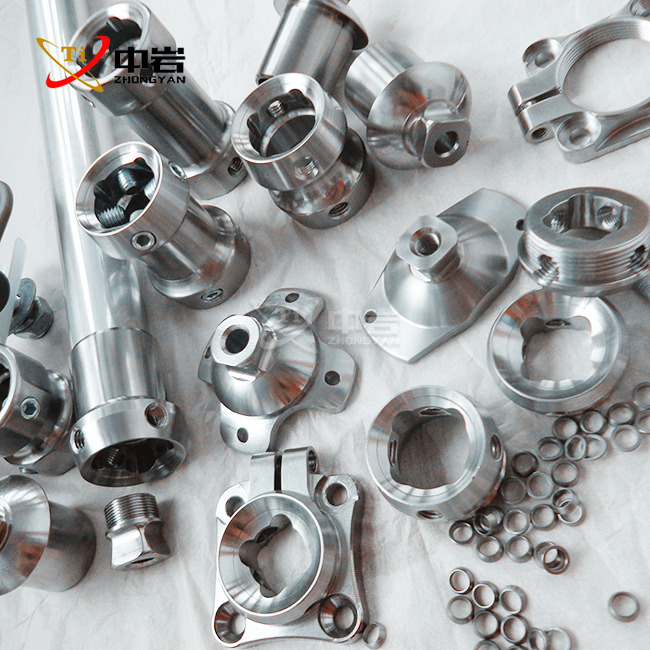
To connect different types of tubing with different sizes and complicated geometric shapes, Titanium Tube Adapters are precision-engineered parts that are used in high-tech OEM systems. To get specs of within ±0.001 inches, these important parts are made using advanced techniques like CNC machining, precision casting, and multi-axis turning. This makes sure they don't leak even when the pressure difference is very high.
Manufacturing Excellence Through Advanced Processing
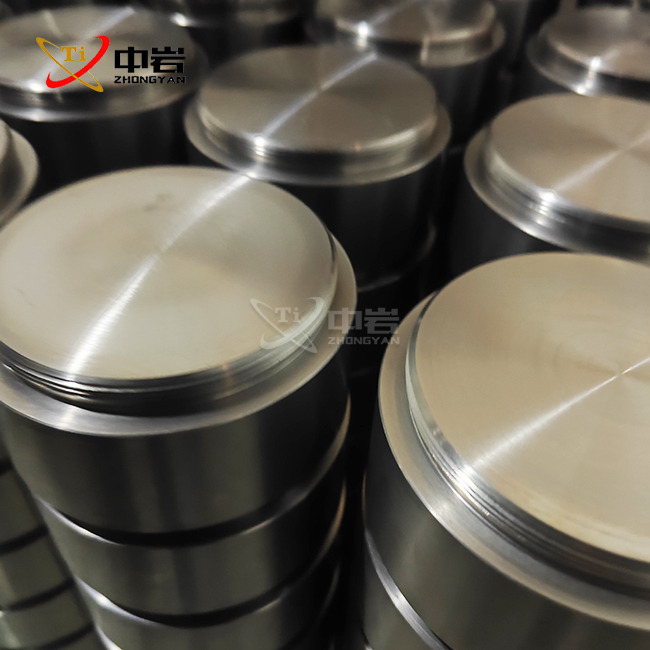
Complex metalworking methods are used to turn raw titanium billets into precise parts that are then used to make high-performance titanium tube fittings. In CNC machining, diamond-coated cutting tools are used at carefully controlled speeds to keep the work from hardening and get surfaces with a mirror-like shine. The methods for heat treatment are based on ASTM B348 standards. They optimize the grain structure to give the best wear resistance and dimensional stability across a wide range of temperature cycles, from very low temperatures for cryogenic uses to high temperatures for process temperatures. Coordinate measuring tools (CMM) are used to check the sizes of things, ultrasonic inspection is used for non-destructive testing, and material approval can be traced back to mill test certificates. These strict rules make sure that every adapter meets or goes beyond the technical requirements and that the quality is the same from one production batch to the next.
Superior Material Properties Drive Performance
This grade 5 titanium metal has amazing properties that make these fittings necessary in serious situations. Tensile values of over 130,000 PSI are shown by the material, but its density is only 4.43 g/cm³, which means it is about 45% lighter than stainless steel alternatives. In aerospace uses, where every ounce counts toward fuel economy and payload capability, this strength-to-weight edge is especially useful. Titanium surfaces naturally have an oxide layer that makes them very resistant to pitting corrosion, crevice corrosion, and stress corrosion cracking in salt conditions. In lab tests, the performance is better in saltwater immersion tests, with no rust visible after 1,000 hours of exposure to artificial seawater at high temperatures.
How to Choose the Right Titanium Tube Adapter for Your Project
To choose the right Titanium Tube Adapter configurations, you need to carefully look at the system's integration needs, working factors, and weather conditions. For engineers to choose the best parts and make sure they work well for a long time, they have to look at things like pressure rates, temperature cycling, chemical compatibility, and mechanical stress patterns.
Critical Specification Parameters
When figuring out a pressure number, you have to take into account both steady and dynamic loading, like when the system starts up and shuts down. Standard adapters can handle working pressures of up to 10,000 PSI. Specialized designs can handle even higher pressures by optimizing wall thickness and using advanced thread shapes. Temperature issues aren't just limited to working ranges; they also include the effects of thermal cycles and differences in the rates of growth. Titanium has a low rate of thermal expansion (8.6 × 10⁻⁶ /°C), which means that its dimensions stay the same even when the temperature changes. This lowers stress at connection points and increases the material's useful life in uses that require high temperatures.
Material Grade Selection Criteria
The commercially pure titanium grade 2 is better at being shaped and welded, which makes it perfect for uses that need complicated shapes or changes in the field. This grade is very resistant to corrosion and has a modest amount of strength that makes it good for low- to medium-pressure uses. Grade 5 titanium alloy (Ti-6Al-4V) is the best choice for high-stress uses in aircraft hydraulic systems, underwater instrumentation, and high-pressure process equipment because it is the strongest and least likely to wear down. The aluminum-vanadium alloying improves the mechanical qualities by precipitation hardening while keeping the resistance to rust.
Dimensional Specifications and Tolerances
Custom sizing can handle tube widths from 1/4 inch to 2 inches and wall thicknesses from 0.5mm to 3mm, based on the pressure needs and the limitations of the application. To make sure that the threads work with foreign standards, the specs list both standard NPT threading and metric threading. There are different types of surface finishes, from "as machined" surfaces that are good for industrial use to mirror-polished surfaces that are needed for food and drug handling. Specialized treatments, such as titanium nitride or diamond-like carbon, can be used to make parts even more resistant to wear and less likely to get stuck during assembly.
Installation and Maintenance Best Practices for Titanium Tube Adapters
Titanium tube fittings must be installed and maintained correctly in order for them to last as long as possible in demanding OEM applications. Knowing what makes titanium materials special can help you avoid common installation mistakes that can damage systems and make them less reliable.
Professional Installation Techniques
Before starting the installation process, the joining surfaces must be carefully checked to make sure they fit together correctly and have a good finish. Anti-seize coatings made especially for titanium use stop galling during assembly and make it possible to take the parts apart later if needed. To get the right binding force without putting too much stress on the adapter body, it's important to carefully follow the torque specs. For thread engagement calculations to work, the minimum engagement must be 1.5 times the standard width to reach full strength. It is also important to make sure that the thread pitch matches perfectly to avoid damage from cross-threading. Regular calibration of installation tools is important to make sure that the same amount of force is applied and that the tools are not over-tightened, which can cause stress cracks or thread damage.
Preventive Maintenance Protocols
During regular inspections, the sides of adapters should be looked at visually for signs of fretting, rust, or mechanical damage. Checking the torque at regular times makes sure that the seal stays intact and finds any possible loosening caused by temperature changes or vibrations. When titanium is being cleaned, suitable liquids that don't affect the passive oxide layer are used instead of chlorinated cleaners or acidic solutions that could weaken the metal's corrosion resistance. When you use the right chemicals with ultrasonic cleaning, you can get rid of process leftovers without damaging precision surfaces mechanically. Replacement standards should be set based on the results of an eye check, the way pressure tests are done, and the number of service hours accumulated. Schedules for proactive replacements stop failures that happen out of the blue, which could cause system downtime and expensive fixes.
Procurement Insights: Buying Custom Titanium Tube Adapters for OEM Projects
To get custom Titanium Tube Adapter parts that work well, you need to carefully evaluate suppliers, create detailed specifications, and handle the supply chain in a way that ensures project success and long-term dependability. When engineering teams know how the market works and what suppliers can do, they can make decisions that balance performance needs with cost concerns.
Supplier Qualification and Certification
Reliable suppliers have full quality management systems that are approved to ISO 9001:2015 standards. Where necessary, they also have specific aircraft certifications like AS9100. For each production lot, material tracking paperwork should include mill test papers, chemical composition analyses, and checks of the material's mechanical properties. Assessments of a company's manufacturing skills should check that it has advanced CNC machining tools, the ability to use coordinate measuring machines for dimensional checking, and facilities for non-destructive testing. Audits of suppliers can tell you a lot about how they control quality, how much they can make, and how reliable their delivery is, all of which affect project timelines and the quality of the parts.
Cost-Effectiveness Analysis
To find the true economic worth, you have to add up the initial buy price, the cost of installation, the cost of maintenance, and the expected service life. Even though titanium adapters are more expensive than steel ones, they often offer better long-term value in demanding situations because they last longer and need less upkeep. When working on big projects, volume pricing comes into play, and for sales over 100 pieces, there are usually price breaks. Long-term supply deals can keep prices stable and make sure that materials are always available for ongoing production projects. They can also lower the costs of buying things.
Lead Time Management
Standard adapter setups usually take two to three weeks to make and ship, while custom designs can take up to four to six weeks, based on how complicated they are and how busy the production plans are at the moment. To meet important project goals, rush orders can often be taken, but they will cost more. To get the most out of your inventory while keeping costs as low as possible, your inventory management strategies should take yearly demand patterns, project pipeline needs, and supplier production plans into account. Some sellers offer consignment programs that can help you save money on goods while still making sure you have parts on hand for urgent needs.
Future Trends and Innovations in Titanium Tube Adapters for OEM Use
Modern production techniques, new types of materials, and better design methods are all helping the titanium tube adapter business grow. These changes make the products more useful and improve their performance. Because of these changes, titanium adapters are now at the center of next-generation tech solutions in several different industries.
Advanced Manufacturing Technologies
Using selective laser melting and electron beam melting, two types of additive manufacturing, it is possible to make parts with complex internal shapes that would not be possible with traditional cutting. These technologies make it possible for cooling pathways, flow improvement features, and structures that reduce weight to be built right into adapter designs. Better tool materials, better computer software, and real-time process tracking systems are all making multi-axis CNC machining better. These improvements make it possible to make adapters with more complicated shapes while still keeping tolerances tight and providing a high-quality surface finish.
Material Science Innovations
Ceramic supports are used in research into titanium matrix composites to make them stronger and stiffer while keeping their corrosion-resistant qualities. These new materials look like they could be useful in very high-performance situations where regular titanium alloys are getting close to their limits. Ion implantation and plasma-enhanced coating methods are two types of surface treatment technologies that make things less likely to wear down and less likely to stick together, without affecting their ability to fight corrosion. These treatments make things last longer in high-cycle situations while also making upkeep easier.
Market Expansion and Applications
Titanium components are becoming more popular because they last a long time and can be recycled. This is because sustainability and environmental responsibility are becoming more important. Studies of lifecycles show that reducing the number of replacements and material waste has big environmental benefits. With new uses in green energy systems like geothermal and offshore wind sites, there are new market possibilities for adapter designs that can survive harsh weather conditions and still work reliably over time. Titanium's unique mix of strength, resistance to rust, and wear tolerance makes it useful in these situations.
Conclusion
Custom Titanium Tube Adapter options are important parts for OEM engineering projects that need to have the best performance, dependability, and durability. When you mix the better material properties of Grade 5 titanium alloy with precise production methods and strict quality control standards, you get adapter solutions that can handle the toughest operating circumstances. As industrial uses continue to change toward higher performance standards and longer expected service lives, titanium adapters provide the technology base needed for next-generation engineering systems in the aerospace, chemical processing, medical device, and high-performance industrial sectors.
FAQ
What makes titanium tube adapters superior to stainless steel alternatives?
Titanium Tube Adapter components offer exceptional advantages over stainless steel through their superior strength-to-weight ratio, providing 45% weight reduction while maintaining equivalent strength characteristics. Titanium's naturally occurring oxide layer protects it from pitting and cavity rust in chloride conditions, where stainless steel would break down quickly. Furthermore, titanium is very biocompatible for medical uses and has good galvanic compatibility with carbon fiber materials, which means it doesn't rust as steel parts do.
Can custom titanium tube adapters be manufactured for specialized geometric requirements?
Advanced CNC cutting lets you make adapters with complicated shapes, like ones with slanted connections, multiple ports, and built-in fixing features. Custom specs allow for particular size needs, thread configurations, and surface treatments that are needed for a certain purpose. Engineering support services offer suggestions on how to improve designs so that they can be made while still meeting performance standards and staying within budget.
What are typical lead times for bulk orders of titanium tube adapters?
Standard adapter setups take two to three weeks to make and send, while custom designs usually take four to six weeks, though this depends on how complicated they are and how busy the production plans are at the moment. If you buy more than 100 pieces at once, you may be able to get faster production and better prices based on volume. There are fast delivery choices that cost more, but they can meet important project goals and pressing replacement needs.
Partner with Zhongyan for Premium Titanium Tube Adapter Solutions
Zhongyan stands as your trusted Titanium Tube Adapter maker that provides precision-engineered solutions that meet the strict needs of aerospace, medical device, chemical processing, and industry OEM uses. Our cutting-edge factory in Baoji, China's Titanium Valley, uses advanced CNC machining and strict ISO 9001:2015 quality control systems to make adapters that meet international standards like ASTM, AMS, and ISO. Our adapters offer the best performance in the toughest working conditions thanks to their Grade 5 titanium metal construction, ability to be custom-sized from 1/4 inch to 2 inch diameters, and pressure levels of up to 10,000 PSI. Talk to our engineering team at sales@titaniumstudy.com about your unique needs and find out how Zhongyan's titanium processing knowledge can help you with your next OEM project by providing you with reliable, cost-effective adapter solutions that are backed by quality that has been proven and quick technical support.
References
1. American Society for Testing and Materials. "Standard Specification for Seamless and Welded Titanium and Titanium Alloy Tubes for Condensers and Heat Exchangers." ASTM B338-21, 2021.
2. Aerospace Material Specification. "Titanium Alloy Tubing 6Al-4V Annealed Seamless and Welded." AMS 4928M, Society of Automotive Engineers, 2019.
3. Donachie, Matthew J. "Titanium: A Technical Guide, 2nd Edition." ASM International, Materials Park, Ohio, 2000.
4. Peters, Manfred und Christoph Leyens. "Titanium and Titanium Alloys: Fundamentals and Applications." Wiley-VCH, Weinheim, Germany, 2003.
5. Boyer, Rodney R., Gerhard Welsch, and E.W. Collings. "Materials Properties Handbook: Titanium Alloys." ASM International, Materials Park, Ohio, 1994.
6. International Organization for Standardization. "Titanium and Titanium Alloys - Bars and Billets." ISO 5832-3:2016, Geneva, Switzerland, 2016.

Learn about our latest products and discounts through SMS or email