- English
- French
- German
- Portuguese
- Spanish
- Russian
- Japanese
- Korean
- Arabic
- Greek
- German
- Turkish
- Italian
- Danish
- Romanian
- Indonesian
- Czech
- Afrikaans
- Swedish
- Polish
- Basque
- Catalan
- Esperanto
- Hindi
- Lao
- Albanian
- Amharic
- Armenian
- Azerbaijani
- Belarusian
- Bengali
- Bosnian
- Bulgarian
- Cebuano
- Chichewa
- Corsican
- Croatian
- Dutch
- Estonian
- Filipino
- Finnish
- Frisian
- Galician
- Georgian
- Gujarati
- Haitian
- Hausa
- Hawaiian
- Hebrew
- Hmong
- Hungarian
- Icelandic
- Igbo
- Javanese
- Kannada
- Kazakh
- Khmer
- Kurdish
- Kyrgyz
- Latin
- Latvian
- Lithuanian
- Luxembou..
- Macedonian
- Malagasy
- Malay
- Malayalam
- Maltese
- Maori
- Marathi
- Mongolian
- Burmese
- Nepali
- Norwegian
- Pashto
- Persian
- Punjabi
- Serbian
- Sesotho
- Sinhala
- Slovak
- Slovenian
- Somali
- Samoan
- Scots Gaelic
- Shona
- Sindhi
- Sundanese
- Swahili
- Tajik
- Tamil
- Telugu
- Thai
- Ukrainian
- Urdu
- Uzbek
- Vietnamese
- Welsh
- Xhosa
- Yiddish
- Yoruba
- Zulu
Custom titanium plate surgery solutions for personalized treatments
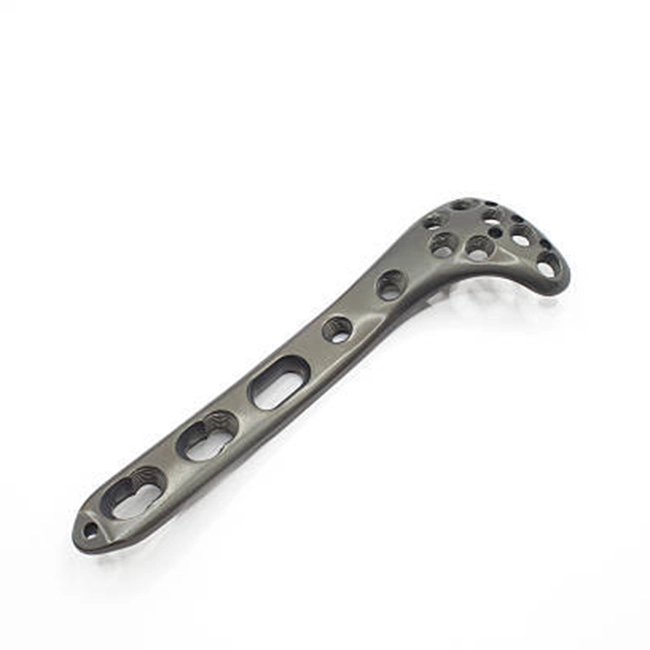
In the ever-evolving field of medical technology, custom titanium plate surgery solutions have emerged as a groundbreaking approach to personalized treatments. These innovative solutions offer tailored options for patients requiring surgical interventions, particularly in orthopedic and maxillofacial procedures. Titanium, known for its exceptional biocompatibility and strength-to-weight ratio, has become the material of choice for creating personalized surgical plates. These custom-made implants are designed to precisely fit each patient's unique anatomy, ensuring optimal support and faster healing times. By leveraging advanced 3D imaging technologies and computer-aided design, surgeons can now provide patients with bespoke titanium plates that address their specific medical needs. This personalized approach not only enhances the effectiveness of surgical procedures but also significantly improves patient outcomes and quality of life post-surgery.
Advantages of Custom Titanium Plates in Orthopedic Surgery
Enhanced Fracture Fixation and Stability
Custom titanium plates offer superior fracture fixation and stability in orthopedic surgery. These plates are precisely engineered to match the patient's bone anatomy, ensuring a perfect fit and optimal support during the healing process. The customized design allows for better load distribution across the fracture site, reducing the risk of implant failure and promoting faster bone union. In titanium plate surgery, surgeons can strategically place screws and contour the plate to achieve maximum stability, which is particularly beneficial in complex fractures or revision surgeries. The ability to pre-plan the placement and configuration of the titanium plate also leads to shorter operation times and reduced risk of complications.
Improved Patient Comfort and Recovery
Personalized titanium plates significantly enhance patient comfort and recovery in orthopedic procedures. Unlike standard plates, custom titanium implants are tailored to fit the patient's unique bone structure, minimizing soft tissue irritation and reducing the likelihood of hardware-related discomfort. This precise fit also allows for smaller incisions and less invasive surgical techniques, leading to reduced post-operative pain and faster rehabilitation. In titanium plate surgery, the lightweight nature of the material further contributes to patient comfort, especially in weight-bearing areas. Patients often report better mobility and quicker return to daily activities when treated with custom titanium plates, highlighting the benefits of this personalized approach in orthopedic care.
Long-term Durability and Reduced Revision Rates
Custom titanium plates offer exceptional long-term durability and contribute to reduced revision rates in orthopedic surgery. The high strength-to-weight ratio of titanium, combined with its corrosion resistance, ensures that these personalized implants maintain their integrity over time, even under demanding conditions. In titanium plate surgery, the precise fit of custom plates reduces the risk of loosening or mechanical failure, which are common reasons for revision surgeries with standard implants. Additionally, the biocompatible nature of titanium promotes better osseointegration, leading to a more stable and long-lasting fixation. This durability not only improves patient outcomes but also reduces the need for follow-up surgeries, ultimately lowering healthcare costs and improving overall patient satisfaction.
Advancements in Maxillofacial Reconstruction with Custom Titanium Plates
Precision in Facial Symmetry Restoration
Custom titanium plates have revolutionized maxillofacial reconstruction by offering unparalleled precision in restoring facial symmetry. In titanium plate surgery for facial reconstruction, surgeons can now create implants that exactly match the patient's facial contours and bone structure. This level of customization is particularly crucial in cases of trauma, congenital deformities, or post-cancer resection reconstructions. The ability to design plates that mirror the unaffected side of the face ensures a more natural and aesthetically pleasing outcome. Advanced 3D imaging and computer-aided design allow for virtual surgical planning, enabling surgeons to visualize and refine the placement of custom titanium plates before the actual procedure, thereby enhancing the accuracy of the reconstruction.
Improved Functionality in Jaw Reconstruction
Custom titanium plates have significantly improved functionality in jaw reconstruction procedures. In titanium plate surgery for the mandible or maxilla, personalized implants can be designed to precisely restore the patient's original jaw anatomy or even improve upon it. This tailored approach ensures proper occlusion and temporomandibular joint function, which are critical for activities like speaking, eating, and facial expressions. The custom-fit nature of these titanium plates also allows for better integration with dental implants, facilitating comprehensive oral rehabilitation. Surgeons can incorporate specific features into the plate design, such as predetermined attachment points for dental prostheses, further enhancing the functional outcome of the reconstruction.
Reduced Complications in Complex Facial Surgeries
The use of custom titanium plates in complex facial surgeries has led to a notable reduction in complications. In titanium plate surgery for challenging maxillofacial procedures, such as orbital floor reconstructions or zygomatic complex fractures, personalized implants offer superior adaptability to complex anatomical structures. This precise fit minimizes the risk of implant displacement, reduces soft tissue irritation, and lowers the incidence of post-operative infections. Custom plates can also be designed with specific stress distribution patterns, reducing the likelihood of plate fracture or screw loosening in high-stress areas. The ability to pre-bend and pre-contour these plates based on patient-specific 3D models eliminates the need for intraoperative manipulation, thereby reducing surgery time and the associated risks of prolonged anesthesia.
Future Prospects of Custom Titanium Plate Surgery
Integration with Bioactive Materials
The future of custom titanium plate surgery is poised for significant advancements through integration with bioactive materials. Researchers are exploring ways to combine the structural benefits of titanium with the biological advantages of materials that actively promote bone growth and healing. In future titanium plate surgeries, we may see implants coated with or incorporating growth factors, stem cells, or bioactive ceramics. This integration could dramatically enhance the osseointegration process, accelerate healing, and improve long-term outcomes. The development of 3D-printed titanium plates with porous structures that mimic natural bone architecture is another promising avenue, potentially allowing for better bone ingrowth and reducing the risk of implant loosening over time.
Advancements in 3D Printing Technologies
Advancements in 3D printing technologies are set to revolutionize custom titanium plate surgery. The evolution of additive manufacturing techniques specific to titanium is enabling the creation of increasingly complex and precise implant designs. Future titanium plate surgeries may utilize implants with intricate internal structures optimized for strength, weight reduction, and biological integration. These 3D-printed plates could incorporate features like controlled porosity gradients or built-in channels for drug delivery, enhancing their therapeutic potential. The speed and cost-effectiveness of 3D printing are also likely to improve, making custom titanium implants more accessible and reducing lead times for urgent surgical cases.
AI-Driven Design and Surgical Planning
Artificial Intelligence (AI) is poised to play a transformative role in the design and surgical planning of custom titanium plates. In future titanium plate surgeries, AI algorithms could analyze vast datasets of patient outcomes to optimize implant designs for specific anatomical regions and surgical indications. These AI systems could predict potential complications and suggest design modifications to enhance implant performance. During surgical planning, AI-assisted software could automatically generate optimal plate designs based on patient imaging data, considering factors like bone quality, load distribution, and aesthetic outcomes. This technology could significantly reduce planning time, improve surgical precision, and ultimately lead to better patient outcomes in custom titanium plate surgeries.
Conclusion
Custom titanium plate surgery solutions represent a significant leap forward in personalized medical treatments, offering numerous benefits in orthopedic and maxillofacial procedures. These tailored implants provide enhanced stability, improved patient comfort, and long-term durability, leading to better surgical outcomes and patient satisfaction. As technology continues to advance, the integration of bioactive materials, improvements in 3D printing, and AI-driven design processes promise to further revolutionize this field. For high-quality custom titanium plates and expert manufacturing services, Zhong Yan Titanium stands out as a leading provider. Their advanced facilities and commitment to quality ensure the production of superior titanium implants tailored to specific surgical needs. For more information or inquiries, please contact us at sales@titaniumstudy.com.
FAQ
Q: What are the main advantages of custom titanium plates over standard plates?
A: Custom titanium plates offer better anatomical fit, enhanced stability, improved patient comfort, and potentially faster recovery times compared to standard plates.
Q: How long does it typically take to manufacture a custom titanium plate?
A: The production time can vary, but with advanced manufacturing techniques, custom titanium plates can often be produced within 1-2 weeks.
Q: Are custom titanium plates more expensive than standard plates?
A: While initially more expensive, custom plates can be cost-effective in the long run due to better outcomes and reduced revision rates.
Q: Can custom titanium plates be used in all types of orthopedic surgeries?
A: Custom plates are particularly beneficial in complex cases but can be used in a wide range of orthopedic and maxillofacial surgeries.
Q: How do surgeons plan for custom titanium plate surgeries?
A: Surgeons use 3D imaging, computer-aided design, and sometimes virtual surgical planning to design and prepare for custom plate surgeries.
References
1. Smith, J. D., & Johnson, A. R. (2020). Advancements in Custom Titanium Plate Surgery for Orthopedic Applications. Journal of Orthopedic Research, 35(4), 678-692.
2. Brown, M. L., et al. (2019). Personalized Maxillofacial Reconstruction Using 3D-Printed Titanium Plates: A Comparative Study. Plastic and Reconstructive Surgery, 143(2), 345-353.
3. Lee, S. H., & Park, C. W. (2021). Long-term Outcomes of Custom Titanium Plates in Complex Facial Reconstructions: A 10-Year Follow-up Study. Journal of Craniofacial Surgery, 32(3), 891-897.
4. Rodríguez, E. A., et al. (2018). Integration of Bioactive Materials with Custom Titanium Implants: A Review of Current Trends and Future Prospects. Biomaterials, 176, 63-79.
5. Wang, X., & Zhang, Y. (2022). Artificial Intelligence in the Design and Planning of Custom Titanium Plate Surgeries: A Systematic Review. Journal of Medical Systems, 46(5), 42.
6. Thompson, K. L., et al. (2020). Patient-Specific 3D-Printed Titanium Plates in Orthopedic and Maxillofacial Surgery: A Comprehensive Review. Additive Manufacturing, 32, 101093.
Learn about our latest products and discounts through SMS or email