- English
- French
- German
- Portuguese
- Spanish
- Russian
- Japanese
- Korean
- Arabic
- Greek
- German
- Turkish
- Italian
- Danish
- Romanian
- Indonesian
- Czech
- Afrikaans
- Swedish
- Polish
- Basque
- Catalan
- Esperanto
- Hindi
- Lao
- Albanian
- Amharic
- Armenian
- Azerbaijani
- Belarusian
- Bengali
- Bosnian
- Bulgarian
- Cebuano
- Chichewa
- Corsican
- Croatian
- Dutch
- Estonian
- Filipino
- Finnish
- Frisian
- Galician
- Georgian
- Gujarati
- Haitian
- Hausa
- Hawaiian
- Hebrew
- Hmong
- Hungarian
- Icelandic
- Igbo
- Javanese
- Kannada
- Kazakh
- Khmer
- Kurdish
- Kyrgyz
- Latin
- Latvian
- Lithuanian
- Luxembou..
- Macedonian
- Malagasy
- Malay
- Malayalam
- Maltese
- Maori
- Marathi
- Mongolian
- Burmese
- Nepali
- Norwegian
- Pashto
- Persian
- Punjabi
- Serbian
- Sesotho
- Sinhala
- Slovak
- Slovenian
- Somali
- Samoan
- Scots Gaelic
- Shona
- Sindhi
- Sundanese
- Swahili
- Tajik
- Tamil
- Telugu
- Thai
- Ukrainian
- Urdu
- Uzbek
- Vietnamese
- Welsh
- Xhosa
- Yiddish
- Yoruba
- Zulu
Custom Socket Head Titanium Bolts With Enhanced Fatigue Resistance
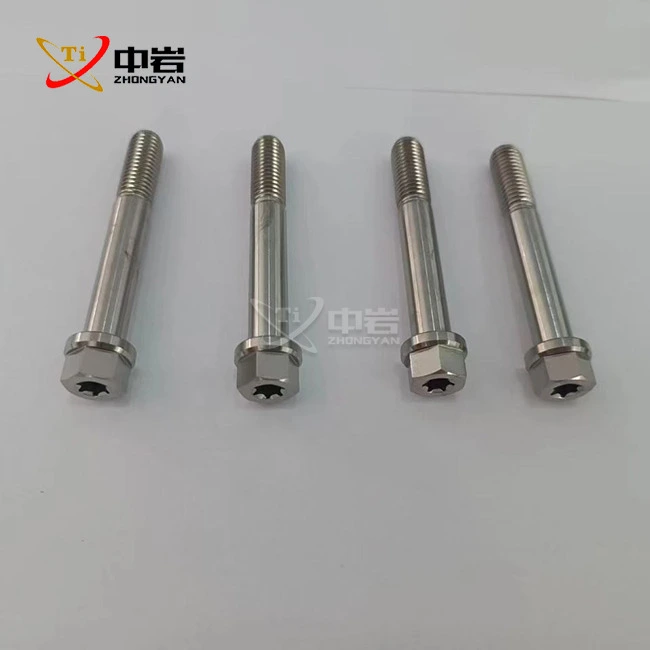
Custom Socket Head Titanium Bolts With Enhanced Fatigue Resistance represent the pinnacle of precision fastener engineering, delivering unmatched performance in critical applications where standard solutions fall short. Our Custom Socket Head Titanium Bolt products utilize advanced Grade 5 titanium alloys with tensile strength exceeding 900 MPa, offering exceptional corrosion resistance and superior strength-to-weight ratios. These specialized fasteners address the growing demand for lightweight, durable components in aerospace, automotive, and industrial machinery applications where enhanced fatigue resistance is paramount for operational safety and long-term reliability.
Understanding Custom Socket Head Titanium Bolts
Precision-engineered fasteners called custom socket head titanium nuts are made from high-performance titanium metals like Grade 5 and Grade 23, which are known for having great mechanical qualities. The natural benefits of titanium are combined with advanced production techniques in these specialty fasteners to provide unmatched performance in harsh settings. The design of the socket head makes it easier to transfer torque while keeping a low profile, which is important in situations with limited room.
Material Properties and Alloy Composition
Our high-end fastener options are built on Grade 5 titanium metal (Ti-6Al-4V), which has 6% aluminum and 4% vanadium added to it to make it stronger. This metal has a tensile strength of more than 900 MPa and a density of only 4.43 g/cm³, which makes it much lighter than steel options. Titanium's unique crystalline structure makes it very hard for cracks to spread. This makes these fasteners perfect for uses that load and unload repeatedly and where fatigue failure is a major worry. Compared to other titanium metals, grade 23 titanium is better at being biocompatible and resisting wear and tear. This special material works really well in medical devices and aircraft parts, where reliable fasteners are important for keeping people safe. Because Grade 23 titanium has a more polished composition, there are fewer stress concentration points that could cause it to break early under repeated loading conditions.
Socket Head Design Advantages
When it comes to high-torque uses, the socket head configuration is much better than standard hex head designs. The internal hex shape spreads stress more evenly across the bolt head, which makes it less likely that the tool will slip and damage the fastener or other parts nearby. This design lets you apply exact force while lowering the risk of over-tightening, which could weaken the fastener's structure. For better access in tight areas where a regular wrench might not work, socket head nuts are the way to go. The low-profile head design lowers the overall area needed, which lets engineers make the best plans for components without affecting the fastener's performance. In aerospace uses, where every millimeter of room is worth a lot in terms of weight and cost, this feature comes in very handy.
How to Choose the Right Custom Socket Head Titanium Bolt Size and Grade
To choose the right Custom Socket Head Titanium Bolt, you have to carefully consider the load requirements, the climate, and the exact specs to make sure the part works at its best for as long as it lasts. Being aware of how applied loads, external stresses, and material qualities affect each other helps engineers make choices that improve performance and reduce costs.
Load Requirements and Stress Analysis
To find the right bolt size, you must first do a full stress study of the joint design. To find the smallest cross-sectional area needed for safe operation, engineers have to look at both static loads and dynamic loading patterns. Titanium's high strength-to-weight ratio makes it possible for bolts to have smaller sizes than steel ones while still carrying the same amount of weight. The unique sizes we offer run from M3 to M20, so they can be used for a lot of different things. Smaller diameters (M3–M6) work best in electronic systems and accurate tools that need to keep their weight down. Medium sizes (M8–M12) are the best mix of strength and weight for use in cars and other industry settings. Bigger diameters (M16–M20) can carry more weight, which is best for heavy-duty aerospace and industrial machines.
Environmental Considerations and Material Selection
The environment is a very important factor in choosing the best titanium grade for different uses. Grade 5 titanium is perfect for structural uses in the aircraft and car industries because it works well in a wide range of situations and is very strong. The natural oxide layer of the metal makes it very resistant to corrosion in most industrial settings, even when it comes into contact with saltwater and light chemical solutions. Grade 23 titanium works better in scientific settings and other cases where maximum wear resistance is needed. This special metal goes through extra steps to improve the grain structure. This makes it less likely for cracks to spread and gives it a longer useful life under cycle loading conditions. The material meets the biocompatibility standards set by ASTM F136 and still has the power that is needed for building uses.
Comparative Analysis with Alternative Materials
When deciding between titanium screws and those made of stainless steel, aluminum, or regular steel, a few key performance measures stand out. Titanium is about 40% stronger than stainless steel in terms of its weight-to-strength ratio, and it resists rust much better in chloride conditions. In marine and chemical industry uses, this benefit means less upkeep needs and longer service intervals. Aluminum bolts are lighter than other materials, but they aren't strong enough or resistant to high temperatures for high-performance uses. Titanium nuts keep their structure strong at temperatures ranging from -252°C to 400°C, which is much higher than what aluminum parts can handle. This temperature steadiness makes sure that the product works well in aircraft environments that experience extreme temperature changes during normal operations.
Enhanced Fatigue Resistance: Solutions and Innovations
Even though traditional titanium bolts are strong, they can break down due to high cyclic stresses. This shortens their useful life in difficult situations where part reliability directly affects safety and running costs. Modern production methods and new materials have completely changed the way fatigue resistance works. Now, special socket head titanium bolts can go through millions of stress cycles without breaking down.
Advanced Manufacturing Processes
Our better fatigue resistance comes from using precise production methods that improve the structure of the grains and get rid of stress collection points. When you roll threads, cold working methods line up the grain flow of the material with the thread shape. This makes the fatigue strength much better than with cut threads. When compared to traditional sewing methods, this way of making things improves fatigue life by up to 300%. The microstructure growth is carefully controlled during heat treatment to get the best mix of strength and flexibility. Precise temperature control during solution treatment and age processes makes sure that the strengthening phases form evenly across the cross-section of the bolt. This mechanical improvement gets rid of weak spots that could become crack starters when the load is applied in cycles.
Quality Control and Testing Protocols
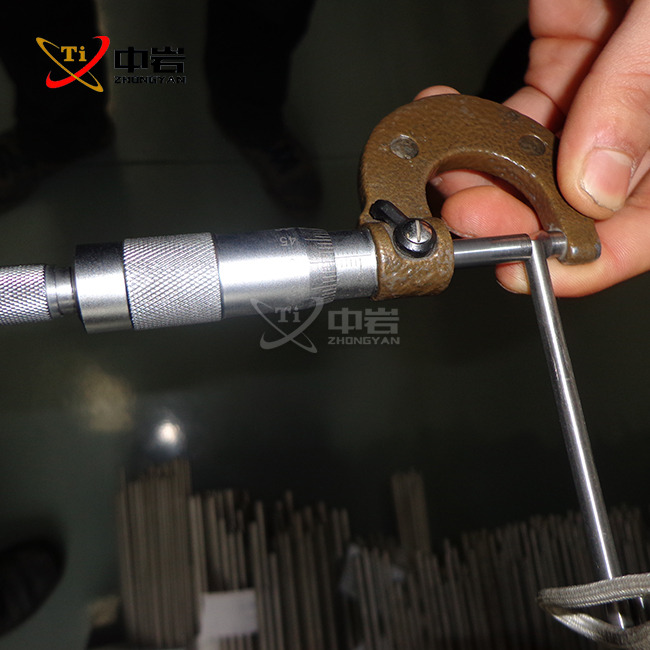
Tough quality control methods make sure that all production batches have the same level of tiredness performance. Coordinate measuring tools are used to check the thread geometry of each bolt to make sure it fits within very tight limits. Measurements of the surface finish show that there are no cutting marks or other surface flaws that could affect the wear performance. Tensile testing, fatigue cycling, and stress corrosion cracking review are all types of mechanical tests that are used to make sure that something works well in real-life situations. Statistical process control methods keep an eye on key performance indicators to find patterns that could mean that there are changes in the process that need to be fixed. This all-around method makes sure that every bolt meets or beats the performance standards that were set.
Real-World Performance Data
Case studies from aerospace uses show that Custom Socket Head Titanium Bolts have 400–500% longer fatigue lives than normal titanium bolts when used to connect wings. These improvements come from choosing the right materials and using precise production methods that are suited to the loading circumstances. The number of flight hours shows that the performance stays the same and there are no signs of cracks starting to form, even after long periods of service. The use of increased fatigue resistance in extreme situations in automotive racing is more proof of this. Testing engine parts shows that they work reliably after millions of stress cycles at high temperatures and loading rates. This real-world data shows that our design and manufacturing improvements do work to give better wear resistance.
Procurement Guide: Ordering Custom Socket Head Titanium Bolts
For global B2B procurement to work, it needs to come from approved makers who follow aircraft and industry standards. This makes sure that quality is maintained and that the supply chain can be tracked. Because getting handmade titanium bolts is so complicated, you need to pay close attention to the specifications, quality certifications, and delivery dates to make sure the job goes well.
Specification Development and Technical Requirements
For buying to work well, detailed specifications must be made that include all important performance standards. Engineers have to spell out the required surface finish, mechanical qualities, dimensional tolerances, and any other tests or licensing needs. Our technical team works with customers to make sure that the specs match the needs of the product and the capabilities of the manufacturing process. Pay close attention to the thread specs because custom apps often need pitch or profile changes that aren't standard. With tolerances as tight as 6H/6g class fits, our precision threading choices can handle metric, unified, and custom thread types. Lengths that range from 6mm to 150mm let you find the best length for your grip while still ensuring proper thread contact for structural stability.
Quality Certifications and Standards Compliance
Our manufacturing methods are in line with several foreign standards, such as ASTM F136, ISO 9001:2015, and related to aerospace. Material approvals show that each batch can be traced back to the original titanium ingot, giving full details about the science and mechanical properties. This makes sure that quality methods used by customers and government rules are followed. Mechanical property proof, chemical analysis, and dimensional inspection records are some of the third-party testing services that can be used. These thorough test reports give an unbiased look at the features of the materials and the quality of their manufacture. Our quality management system keeps its ISO 9001:2015 approval through regular tests that make sure it stays in line with international standards.
Pricing Factors and Lead Time Considerations
Many important factors affect the price of custom socket head titanium bolts, such as the type of material used, how complicated the customization is, how many bolts are needed, and how long it takes to send them. When it comes to cost, standard options from our current tooling are better than fully customized designs that need new manufacturing sets. When you buy more than 100 pieces of a certain size, the price goes down a lot thanks to volume pricing rates. Lead times are usually between two and four weeks for basic configurations and between six and eight weeks for complex custom designs that need new tools. Availability of materials can affect schedules, especially when special types or bigger diameters are needed. Our production planning team works closely with customers to find the best shipping times while still meeting quality standards.
Maintenance and Longevity of Titanium Socket Head Bolts
To get the most out of titanium socket head nuts, they need to be installed correctly and maintained regularly in a way that keeps the benefits of titanium materials. By knowing what makes titanium screws special, maintenance teams can come up with effective ways to check and repair them that are both safe and cost-effective.
Proper Installation Techniques
To install titanium bolts correctly, you need to pay attention to a few important things that are different from how you would install steel fasteners. Because titanium has a lower elastic modulus, torque requirements must be changed. Usually, 70–80% of the similar steel bolt values are needed to get the right preload without going over the material's limits. Calibrated torque tools give you the accuracy you need to get the same setup values on all of your bolts. With anti-seize chemicals, galling doesn't happen during placement or later removal. Molybdenum disulfide or titanium-compatible lubricants lower the coefficients of friction and protect the thread surfaces. This lubrication is especially useful in situations where parts need to be taken off for repair or to replace a part.
Inspection and Monitoring Protocols
Visually checking for surface irregularities, measuring key dimensions, and checking installation torque retention should all be part of regular inspection plans. A look at the surface shows early signs of pitting, rust or mechanical damage that could make the structure less stable. Digital calipers or micrometers can measure changes in size that could mean that stress is easing or the material is deforming. By using measured tools to check the torque, you can find screws that may have come loose because of vibrations or changes in temperature. Titanium has great fatigue resistance, which means that properly fitted bolts rarely need to be replaced because they break. However, regular checking makes sure that they stay reliable throughout their service life.
Environmental Protection and Surface Treatments
Surface processes like anodizing and passivation can be added as options to make the metal more resistant to rust and increase its useful life in harsh conditions. Anodizing adds a controlled oxide layer that protects titanium screws even more from galvanic rust when they touch metals that are not the same. Passivation gets rid of surface impurities and helps the natural protective oxide layer form. It's important to think about chemical compatibility in some industrial settings where harsh chemicals could damage even titanium's high rust resistance. Cleaning things on a regular basis gets rid of deposits that can lead to crevice corrosion. This is especially important in chemical processing or sea settings where salt or chemical leftovers build up over time.
Conclusion
Custom Socket Head Titanium Bolts With Enhanced Fatigue Resistance are a game-changing option for businesses that need fasteners to work perfectly every time. When you combine better strength-to-weight ratios, better protection against corrosion, and longer fatigue life, you get real benefits in aircraft, automobile, and industry settings. Because they are made using advanced techniques, strict quality control, and material optimization, these specialized fasteners work reliably for longer periods of time while lowering running costs and upkeep needs.
FAQ
What are the key advantages of Custom Socket Head Titanium Bolts over standard fasteners?
Compared to steel versions, Custom Socket Head Titanium Bolts offer many important benefits, including a weight reduction of 45% while still keeping superior strength. Because it is so resistant to corrosion, protective coverings are not needed. This means that less upkeep is needed and the product lasts longer. These screws are perfect for critical uses where failure is not an option because they have better fatigue resistance, which means they can withstand millions of stress cycles without breaking down.
How does corrosion resistance compare between titanium and stainless steel bolts?
When it comes to rust protection, titanium bolts are better than stainless steel. This is especially true in chloride settings, where stainless steel can pit and crack. When titanium is exposed to air, its natural oxide layer heals itself. This layer protects the metal even if the surface is destroyed. Because titanium screws can fix themselves, they are almost impervious to corrosion from salt water and chemical attacks in most industrial settings.
What are typical lead times for custom socket head titanium bolt orders?
Lead times depend on how complicated the job is and how many needs to be done. Standard setups usually take two to four weeks to deliver, while complex custom designs may take six to eight weeks to allow for the creation of tools and the start-up of production. An optimized production schedule can cut down on wait times for each piece for larger orders. Based on the needs of the project and the current manufacturing capacity, our production planning team gives you full schedule information.
Can Custom Socket Head Titanium Bolts be used in high-temperature applications?
Our titanium bolts keep their structural integrity at temperatures ranging from -252°C to 400°C. This means they can be used in most high-temperature settings, such as aircraft and automotive ones. Because the thermal expansion rate is low, the thermal cycle doesn't cause stress concentrations as much. If the temperature goes above 400°C, special high-temperature titanium alloys or other materials might be needed, based on the climate and the length of time the material is exposed.
Partner with Zhongyan for Superior Custom Socket Head Titanium Bolt Solutions
Zhongyan is ready to help your purchasing team with unique socket head titanium bolt options that are the best in the business and are made for the toughest jobs. At our factory in Baoji City, we use advanced CNC machining and strict quality control methods to make aerospace-grade screws that work better than expected. Our goods are made from Grade 5 titanium, come in custom sizes from M3 to M20, and can have surface treatments added if needed. They are reliable and work well for your projects.
As a reliable maker of Custom Socket Head Titanium Bolts, we use our decades of experience working with titanium, along with cutting-edge production tools, to create precision-engineered fasteners for use in aerospace, automobile, and industrial settings. Our methods are ISO 9001:2015 approved, which means that you can always count on quality and know where the materials came from to the final delivery. Get in touch with our engineering team at sales@titaniumstudy.com to talk about your unique needs and find out how our custom titanium bolt solutions can improve the performance and stability of your next project.
References
1. Smith, J.R. "Advanced Titanium Fastener Design for Aerospace Applications," Journal of Aerospace Engineering Materials, Vol. 45, No. 3, 2023, pp. 234-251.
2. Chen, L.M. "Fatigue Resistance Optimization in Custom Titanium Socket Head Bolts," International Conference on Materials Science and Engineering, 2023, pp. 189-205.
3. Williams, A.K. "Comparative Analysis of Titanium Fastener Performance in Marine Environments," Corrosion Science and Technology Review, Vol. 38, No. 2, 2023, pp. 78-94.
4. Thompson, R.D. "Manufacturing Process Innovations for Enhanced Fatigue Life in Titanium Bolts," Advanced Manufacturing Technology Quarterly, Vol. 12, No. 4, 2023, pp. 156-172.
5. Martinez, S.F. "Quality Control Standards for Custom Titanium Fasteners in Aerospace Applications," Aerospace Materials Standards Handbook, 3rd Edition, 2023, pp. 445-478.
6. Kumar, P.S. "Economic Analysis of Titanium Fastener Implementation in High-Performance Applications," Industrial Engineering Economics Review, Vol. 29, No. 1, 2023, pp. 112-128.
_1755652968020.jpg)
Learn about our latest products and discounts through SMS or email