- English
- French
- German
- Portuguese
- Spanish
- Russian
- Japanese
- Korean
- Arabic
- Greek
- German
- Turkish
- Italian
- Danish
- Romanian
- Indonesian
- Czech
- Afrikaans
- Swedish
- Polish
- Basque
- Catalan
- Esperanto
- Hindi
- Lao
- Albanian
- Amharic
- Armenian
- Azerbaijani
- Belarusian
- Bengali
- Bosnian
- Bulgarian
- Cebuano
- Chichewa
- Corsican
- Croatian
- Dutch
- Estonian
- Filipino
- Finnish
- Frisian
- Galician
- Georgian
- Gujarati
- Haitian
- Hausa
- Hawaiian
- Hebrew
- Hmong
- Hungarian
- Icelandic
- Igbo
- Javanese
- Kannada
- Kazakh
- Khmer
- Kurdish
- Kyrgyz
- Latin
- Latvian
- Lithuanian
- Luxembou..
- Macedonian
- Malagasy
- Malay
- Malayalam
- Maltese
- Maori
- Marathi
- Mongolian
- Burmese
- Nepali
- Norwegian
- Pashto
- Persian
- Punjabi
- Serbian
- Sesotho
- Sinhala
- Slovak
- Slovenian
- Somali
- Samoan
- Scots Gaelic
- Shona
- Sindhi
- Sundanese
- Swahili
- Tajik
- Tamil
- Telugu
- Thai
- Ukrainian
- Urdu
- Uzbek
- Vietnamese
- Welsh
- Xhosa
- Yiddish
- Yoruba
- Zulu
Custom Button Head Titanium Bolt Manufacturing: CNC & Forging Methods
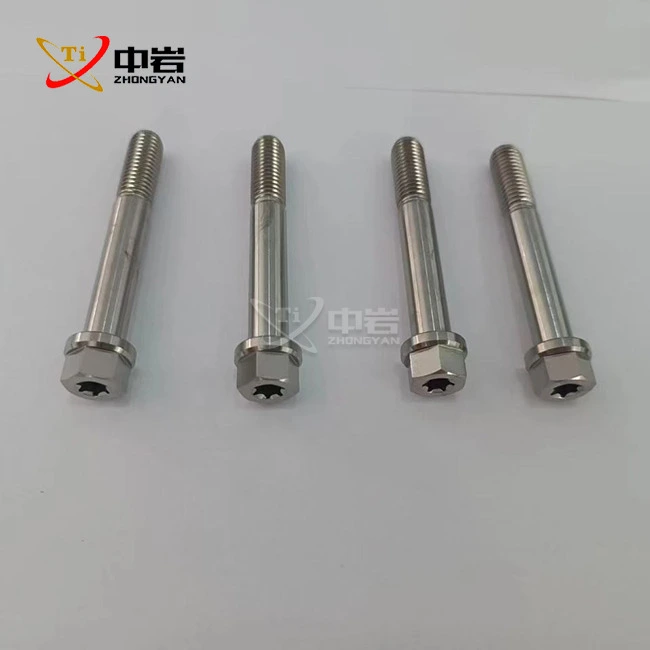
Custom button head titanium bolt fabrication speaks to a specialized design technique that combines advanced metallurgy with exact machining strategies. These latches include a particularly adjusted head plan that gives upgraded aesthetics and decreased stretch concentration compared to conventional bolt arrangements. The fabricating handle includes either CNC machining for extreme exactness or fashioning strategies for predominant mechanical properties, with each approach advertising interesting points of interest for particular mechanical applications over aviation, therapeutic, and high-performance car divisions.
Introduction to Custom Button Head Titanium Bolts
Custom button head titanium clasps speak to the apex of present-day building arrangements for basic applications requiring uncommon execution characteristics. These specialized components combine the characteristic focal points of titanium combinations with a one-of-a-kind head geometry that conveys loads more effectively than customary latch designs. The button head arrangement offers a few unmistakable advantages over conventional hex or attachment head plans. The smooth, adjusted profile diminishes push concentrations at basic intersection points, making these clasps especially profitable in applications subject to energetic loading or vibration. This plan characteristic is particularly advantageous in aviation applications, where weakness resistance specifically impacts operational security and component lifespan.
Superior Material Properties
Titanium's extraordinary strength-to-weight ratio makes it a perfect choice for weight-sensitive applications. With a thickness around 45% lower than steel while keeping up comparable quality characteristics, titanium button head bolts empower critical weight diminishment without compromising basic keenness. This advantage gets to be especially articulated in aviation and car applications, where each gram of weight diminishment deciphers to moved forward fuel efficiency and performance. The erosion resistance of titanium outperforms that of stainless steel in most situations, especially in marine and chemical preparation applications. Not at all like stainless steel, which can endure localized erosion in chloride-rich situations, titanium forms a steady oxide layer that gives long-term security against destructive assault.
Biocompatibility and Medical Applications
Titanium is biocompatible, which makes custom button head nuts very useful for making medical devices. A lot of surgical instruments, implantable devices, and other medical equipment use these fasteners. This is because patient safety needs materials that work well with biological systems. Titanium is not magnetic, so these screws can also be used with medical equipment that is compatible with MRIs.
Manufacturing Methods Overview: CNC Machining vs Forging
When it comes to making high-quality button head titanium screws, there are two main methods. Each has its own benefits that depend on the application needs and production volume. When buying teams look at manufacturing partners, they can make better decisions when they understand these methods.
CNC Machining Process
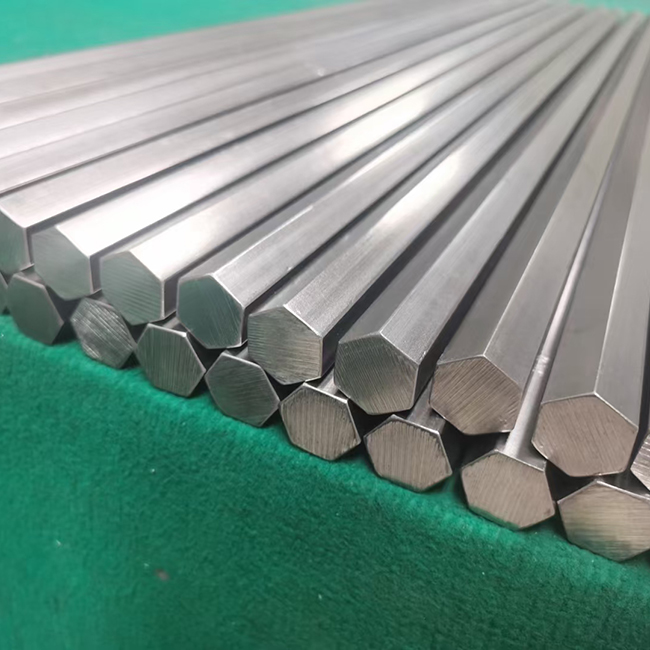
Computer Numerical Control machining gives unparalleled accuracy in making custom button head titanium bolts with correct dimensional determinations. This subtractive fabricating handle starts with titanium bar stock or forgings, methodically evacuating material to accomplish the wanted geometry through absolutely controlled cutting operations. The CNC machining handle ordinarily includes numerous operations, including turning, processing, and threading. Advanced multi-axis CNC centers can total the whole clasp in a single setup, minimizing taking care of and guaranteeing exceptional concentricity between strung and head parts. Surface wraps up achievable through CNC machining frequently dispense with auxiliary wrapping-up operations, lessening generation costs and lead times. Temperature control during machining demonstrates the basics when working with titanium alloys. The low thermal conductivity of titanium can lead to thermal buildup that influences apparatus life and surface keenness. Advanced machining centers utilize advanced coolant frameworks and optimized cutting parameters to keep up reliable quality all through generation runs.
Forging Manufacturing Approach
Hot manufacturing forms make button head titanium bolts with prevalent mechanical properties through controlled misshapening of warmed titanium billets. This fabricating strategy refines the grain structure, dispensing with porosity and making directional quality characteristics that improve wear resistance. The fashioning preparation starts with warming titanium billets to particular temperatures that advance plastic deformation without compromising fabric properties. Accuracy kicks the bucket shape; the warmed fabric is formed into near-net latch geometries, requiring negligible auxiliary machining to accomplish last measurements. This approach is especially successful for high-volume generation, where mechanical properties take priority over dimensional precision. Closed-die manufacturing methods empower the generation of complex button head geometries while keeping up reliable fabric stream designs. The formation of grain structure follows the clasp forms, making ideal quality dispersion throughout the component. Post-forging warm treatment forms can encourage optimized mechanical properties for particular applications.
Process Selection Criteria
Choosing between CNC machining and forging depends on a number of important factors, such as the amount of work that needs to be done, the required material properties, and the cost. CNC machining works best for small- to medium-sized jobs that need tight tolerances and complicated shapes. Forging, on the other hand, is more cost-effective for large jobs where mechanical properties are very important.
Technical Specifications and Performance Metrics
When engineering teams know about the technical specs and performance traits of custom button head titanium bolts, they can choose the right materials and ensure the best performance in tough situations. For example, these fasteners have to meet strict requirements for their chemical makeup, mechanical qualities, and accuracy in measurements.
Material Grade Classifications
Titanium fasteners are made from different types of alloys, and each one has a unique set of properties that make it useful for a different task. Titanium grade 2 is very resistant to corrosion and easy to shape, which makes it perfect for use in chemical processing and marine uses. The best choice for aerospace and high-stress uses is Grade 5 (Ti-6Al-4V), which has the best strength characteristics. The chemicals that make up titanium alloys have a big effect on their mechanical properties and their ability to prevent corrosion. Grade 2 titanium has few alloying elements, which makes it very flexible and resistant to rust. The addition of aluminum and vanadium to Grade 5 makes it much stronger while still keeping its good ductility and resistance to wear.
Mechanical Property Standards
The tensile strength that button head titanium bolts need depends on the application and the standards in the business. Ultimate tensile values for Grade 2 titanium are usually between 344 and 448 MPa, while those for Grade 5 titanium are over 895 MPa. While saving a lot of weight, these values are much higher than those of similar stainless steel screws. Proof stress values are important design information for figuring out safe working loads. The 0.2% proof stress values for Grade 2 titanium are around 275 MPa, while the values for Grade 5 titanium are over 795 MPa. Because of these traits, lighter binding systems can be made without lowering safety standards.
Dimensional Standards and Tolerances
Custom titanium bolts with button heads must meet set size standards while also meeting the needs of the application. Most of the time, thread specs are based on ISO metric or unified thread standards, and tight tolerances are kept throughout production. Head diameter, height, and profile specs are different depending on what the customer wants and how it will be used. Specifications for the surface finish are very important for how well it resists wear and corrosion. Roughness values on machined surfaces are usually 1.6 micrometers or less, and for important uses, special finishing methods can make surfaces that look like mirrors. In normal situations, the thread quality has to meet Class 6H tolerance standards. For precision systems, tighter tolerances are possible.
Comparative Analysis: Titanium Button Head Bolts vs Alternatives
When you compare titanium button head bolts to other materials and shapes, you can see that they have clear benefits that make them the best choice for important tasks. This analysis looks at mechanical performance, cost, and benefits that are specific to the application that affect purchasing choices.
Titanium vs Stainless Steel Performance
When compared to stainless steel choices, titanium button head jolts illustrate predominant execution in different basic regions. The strength-to-weight proportion of titanium surpasses that of stainless steel by around 50%, empowering critical weight decrease in auxiliary applications. This advantage proves especially profitable in aviation applications, where weight reduction specifically translates to strides in fuel productivity and payload capacity. Corrosion resistance speaks to another zone where titanium illustrates clear prevalence. Whereas stainless steel depends on chromium oxide layers for assurance, titanium forms a more steady and self-healing oxide layer that gives upgraded security in forceful situations. This characteristic makes titanium clasps perfect for marine applications, chemical preparation hardware, and other destructive situations where stainless steel may suffer from localized assault.
Button Head vs Hex Head Configurations
The button head plan offers particular points of interest over conventional hex head setups in applications requiring smooth profiles and upgraded strength and resistance. The adjusted head geometry dispenses with sharp edges that can make stretch concentrations, making button head clasps especially appropriate for energetic stacking applications. Aesthetic contemplations also favor button head plans in applications where visual appearance matters. The smooth, adjusted profile gives a clean appearance that coordinates well with present-day item plans, especially in consumer electronics and car applications, where clasp perceivability influences general item requests.
Cost-Benefit Analysis
Titanium fasteners are more expensive than steel ones, but in difficult situations, the total cost of ownership often works out better for titanium. In many cases, higher starting costs are more than made up for by longer service lives, less maintenance, and no more failures caused by corrosion. The benefits of losing weight can save enough on fuel to support charging more for transportation applications. Titanium fasteners have special production needs that mean suppliers must be carefully chosen and quality must be checked. When looking at titanium fastener solutions, procurement teams have to weigh the starting cost against the long-term performance benefits.
Procurement Guide for Custom Button Head Titanium Bolts
To find custom button head titanium bolts, you need to know about the unique supply chain, quality standards, and certification rules that control the production of titanium fasteners. This advice helps people who work in procurement find qualified sellers and build good buying relationships.
Supplier Qualification Criteria
Manufacturers of qualified titanium fasteners must show that they are fully skilled in handling titanium, maintaining quality, and following certification rules. Manufacturing facilities should keep their certifications up to date with aerospace quality standards like AS9100. This makes sure that quality control is consistent throughout the whole production process. ISO 9001:2015 certification ensures basic quality, while certifications specific to a field confirm advanced skills. Material traceability is a very important condition for buying titanium fasteners. Suppliers must keep full records of where the raw materials come from, how they were processed, and any quality checks that were done. This makes sure that industry standards are met and lets people quickly fix any quality problems that may come up.
Customization Options and Specifications
Custom button head titanium bolts can be changed in a lot of ways to fit the needs of a particular purpose. Thread specifications can be changed to work with different hardware or to improve efficiency. The size of the head can be changed to get the clamping force you want or to meet the clearance needs of tight setups. Titanium screws can do more in certain situations when they are treated and coated on the outside. Anodizing can be used to add color or make something more resistant to rust. Specialized coatings can lower friction or provide electrical insulation. These changes need to be carefully described to make sure they work with the programs they're meant for.
Quality Verification and Testing
For buying titanium fasteners, incoming inspection methods must check the chemical composition, mechanical properties, and size compliance. Results from approved testing labs using calibrated equipment and standard methods should be included on material certificates. Verification of dimensions should include important factors like thread pitch, head shape, and surface finish traits. To prove mechanical properties like tensile strength, proof stress, and elongation values, sample fasteners may need to be destroyed and tested again. These tests give people faith in the properties of the materials and prove that the quality control methods used by suppliers are working.
Zhongyan's Advanced Titanium Fastener Manufacturing Capabilities
Baoji Zhongyan Titanium Industry leverages its strategic location in China's Titanium Valley to deliver exceptional custom button head titanium bolt solutions for demanding industrial applications. Our comprehensive manufacturing capabilities combine state-of-the-art CNC machining and precision forging technologies to meet diverse customer specifications across multiple industries.
Manufacturing Excellence and Quality Assurance
Our production facilities maintain ISO 9001:2015 certification while adhering to stringent ASTM, AMS, and ISO standards throughout all manufacturing processes. This commitment to quality excellence ensures that every custom button head titanium bolt meets or exceeds customer expectations for performance and reliability. The integration of advanced CNC machining centers with precision forging capabilities enables us to optimize manufacturing methods based on specific customer requirements. Low-volume, high-precision applications benefit from our multi-axis CNC capabilities, while high-volume production utilizes our forging expertise to deliver cost-effective solutions without compromising quality.
Comprehensive Product Portfolio
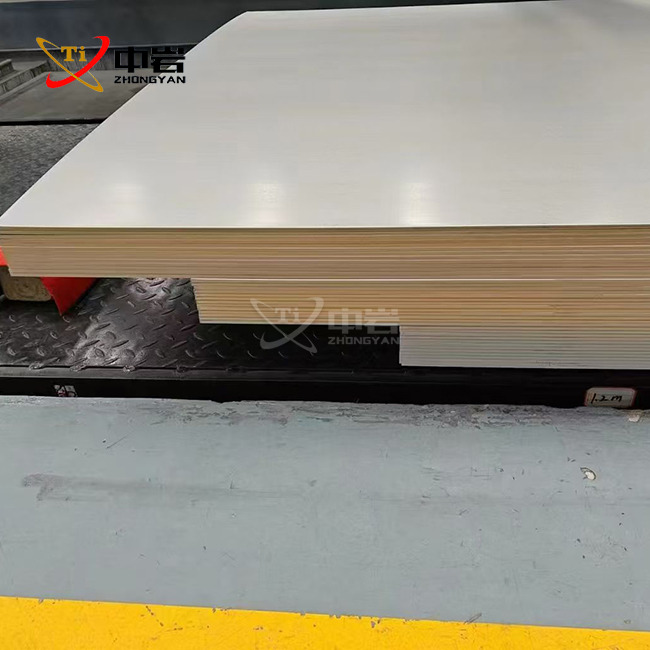
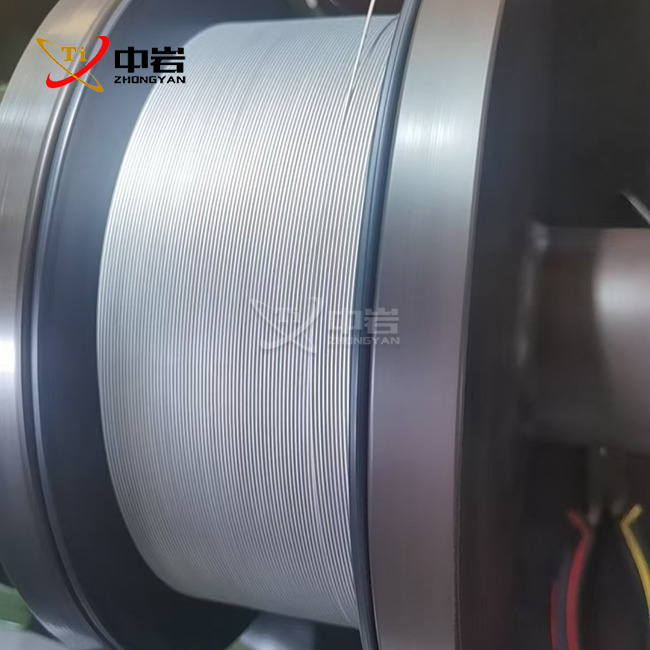
Beyond custom button head titanium bolts, our product range encompasses titanium sputtering targets, dental discs, anodes, and custom OEM components. This diversity demonstrates our versatility in titanium processing while providing customers with a single-source solution for multiple titanium requirements. Our titanium raw material capabilities include rods, plates, tubes, and wires manufactured to precise specifications. This vertical integration enables complete control over material quality and ensures optimal traceability throughout the supply chain. Custom sizing and surface treatments accommodate specific customer requirements while maintaining consistent quality standards.
Technical Support and Customer Partnership
Our experienced engineering team provides comprehensive technical support throughout the design, specification, and production phases of custom fastener projects. This collaborative approach ensures optimal fastener selection and manufacturing method optimization for specific applications. Quality documentation includes detailed material certificates, dimensional inspection reports, and mechanical property verification data. This comprehensive documentation supports customer quality requirements while facilitating efficient receiving inspection processes.
Conclusion
Custom button head titanium bolt manufacturing through CNC machining and forging methods represents a sophisticated engineering discipline that addresses critical performance requirements across multiple industries. The unique combination of titanium's exceptional properties with precision manufacturing techniques delivers fastening solutions that excel in demanding environments where conventional materials fall short. Understanding the technical specifications, manufacturing processes, and procurement considerations enables informed decision-making that optimizes both performance and cost-effectiveness. As industries continue to demand higher performance and lighter-weight solutions, custom titanium fasteners will remain essential components in advancing technological capabilities across aerospace, medical, and industrial applications.
FAQ
What are the main advantages of titanium button head bolts over stainless steel?
Titanium button head bolts offer a superior strength-to-weight ratio, exceptional corrosion resistance, and biocompatibility compared to stainless steel alternatives. The weight savings typically range from 40% to 50% while maintaining comparable or superior mechanical properties, making them ideal for aerospace and automotive applications where weight reduction is critical.
How do I determine the correct torque specifications for titanium fasteners?
Torque specifications for titanium fasteners depend on thread size, material grade, and application requirements. Generally, titanium fasteners require 15-20% lower torque values compared to steel fasteners of equivalent strength due to different friction characteristics. Consult engineering specifications or contact manufacturers for application-specific torque recommendations.
What quality certifications should I look for when sourcing titanium bolts?
Look for suppliers with ISO 9001:2015 certification as a baseline, with AS9100 certification preferred for aerospace applications. Material certificates should include chemical composition analysis, mechanical property verification, and traceability documentation. ASTM or AMS compliance ensures adherence to recognized industry standards.
Partner with Zhongyan for Premium Custom Button Head Titanium Bolt Solutions
Zhongyan stands ready to become your trusted Custom Button Head Titanium Bolt supplier, delivering unmatched quality and precision for your most demanding applications. Our advanced manufacturing capabilities, combined with rigorous quality control and comprehensive technical support, ensure optimal solutions for aerospace, medical, and industrial requirements. Contact our experienced team at sales@titaniumstudy.com to discuss your specific fastener needs and discover how our expertise in titanium processing can enhance your projects with reliable, high-performance fastening solutions.
References
1. American Society for Testing and Materials. "Standard Specification for Titanium and Titanium Alloy Bars and Billets." ASTM B348-19.
2. Aerospace Material Specification. "Titanium Alloy Bolts and Screws 6Al-4V, Solution Heat Treated and Aged." AMS 4967M.
3. Boyer, R.R. "An Overview of the Use of Titanium in the Aerospace Industry. "Materials Science and Engineering A, Vol. 213, 1996.
4. International Organization for Standardization. "Mechanical Properties of Fasteners Made of Carbon Steel and Alloy Steel." ISO 898-1:2013.
5. Lutjering, G. and Williams, J.C. "Titanium: Engineering Materials and Processes." 2nd Edition, Springer-Verlag, 2007.
6. Society of Automotive Engineers. "Aerospace Material Specifications for Titanium Fasteners." SAE International Standards Manual, 2020.
(1)_1755593289268.jpg)
Learn about our latest products and discounts through SMS or email