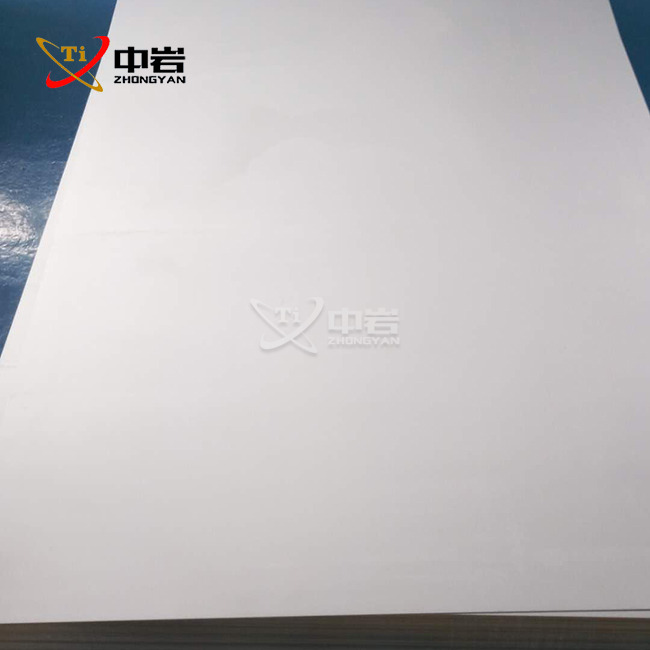
Understanding the competitive pricing landscape for grade 4 titanium foil has become essential for procurement professionals navigating today's volatile titanium market. Current market analysis reveals significant price fluctuations driven by supply chain constraints, increased aerospace demand, and evolving medical device regulations. The global titanium foil market experiences substantial regional variations, with prices ranging from $35-65 per kilogram depending on specifications, volume commitments, and supplier capabilities. Strategic sourcing requires comprehensive evaluation of not just base pricing, but total cost of ownership including quality certifications, delivery reliability, and technical support capabilities.
Understanding Global Grade 4 Titanium Foil Market Dynamics
The global titanium foil market is very complicated because it is affected by different industry needs and the manufacturing capabilities of different regions. Medical grade titanium is used in high-priced products, and aircraft titanium has to meet strict quality standards that change the cost structures.
Market Demand Drivers and Industry Growth
Approximately 45% of the world's titanium use goes to aerospace uses, and another 25% goes to medical devices. In the electronics industry, where titanium sputtering targets help make semiconductors, the titanium sheet and foil market is growing very quickly. The use of industrial titanium in chemical handling equipment is growing. This is because titanium is better at resisting corrosion than most other materials.
Regional Production Capabilities
Global production hubs for titanium metal have a big effect on how prices are set. To get the best value for money, manufacturing hubs use local titanium resources and well-established supply lines. Advanced methods for machining titanium and quality control make it possible to stay competitive while strictly following international standards, such as ASTM B265 specifications.
Comprehensive Price Breakdown Analysis
The price of titanium foil on the market right now is a result of complicated relationships between the costs of raw materials, the needs for processing, and quality standards. Knowing about these parts helps you make smart decisions about buying and evaluate suppliers.
Factory Pricing Structures (FOB/CIF)
FOB prices for high-quality titanium plates vary a lot depending on the thickness and surface treatment needs. Prices run from $32 to 58 per kilogram. The CIF price includes extra logistics costs that range from $3 to $8 per kilogram, based on the market destination and the amount of shipping. Titanium alloy compositions that meet aerospace standards are priced 15–25% higher than regular market grades.
Minimum Order Quantities and Volume Discounts
For custom specifications, the normal MOQ is usually between 100 and 500 kilograms. For standard dimensions, smaller quantities of 50 to 100 kilograms may be possible. At 1,000 kilograms, volume savings start to apply, lowering prices by 5 to 12 percent. The buying of more than 5,000 kilograms of goods every year usually leads to better pricing deals with extra technical help.
Additional Cost Considerations
Tariffs on imports range from 3 to 15% of the declared value, which is a big difference between areas. How much it costs to ship something depends on how it needs to be packed and how quickly it needs to be delivered. For most foreign shipments, standard sea freight adds $2 to $5 per kilogram. Quality certification and testing requirements may add an extra $0.50 to $2.00 per kilogram, based on how complicated the specifications are and how much paperwork is needed.
Critical Factors Influencing Titanium Foil Pricing
Multiple interconnected factors drive pricing volatility in the titanium foil market, requiring careful analysis for effective procurement planning and budget forecasting.
Raw Material Cost Fluctuations
Titanium rock prices change a lot, which has a direct effect on the cost of finished goods. A recent study of the market shows that prices have gone up 18–25% in the last eighteen months. This is because of limited supply and higher mining costs. Titanium purity standards for specific uses affect the choice of raw materials and processing costs even more. This is especially true for medical and aerospace uses that need titanium to have special properties.
Manufacturing and Labor Cost Variables
For advanced titanium fabrication, you need specialized tools and trained workers, which adds a lot to the overall cost. 12 to 18% of all manufacturing costs go toward energy costs for high-temperature processes. Quality control measures, such as thorough testing and licensing, raise the base cost of production by 8 to 15 percent, but they make sure that strict industry standards are met, especially when working with materials like grade 4 titanium foil.
Currency Exchange Rate Impact
When people buy titanium from other countries, they run the risk of currency fluctuations, which can affect long-term supply deals the most. Recent changes in exchange rates have caused price differences of 5–12% for foreign purchases. Hedging techniques and flexible payment terms help lower these risks while keeping costs stable so that budgets can be made.
Regional Price Comparison and Market Analysis
Prices for titanium foil vary a lot from place to place around the world because of differences in how it is made, rules that apply, and how competitive the market is.
Asia-Pacific Market Positioning
Integrated supply chains and advanced manufacturing skills help the Asia-Pacific area keep its price advantages over other places. For large orders, Chinese manufacturers offer especially good prices while still keeping high-quality standards. Titanium's performance and durability meet international standards, which are backed up by thorough testing and certification methods, especially when working with materials like grade 4 titanium foil.
North American and European Market Dynamics
Prices in Western markets are usually 20–35% higher than those in Asia. This is because of benefits like proximity, established relationships, and the belief that quality is guaranteed. When logistics costs, delivery times, and technical help are taken into account, however, total cost analysis can often show how a business stands in the market. Titanium's light weight makes air freight a cost-effective way to meet urgent needs.
Emerging Market Opportunities
Competitive pricing is possible in new titanium-producing areas, especially for standard specs and large-volume needs. For the right uses, possible cost savings of 10–18% make it worth it to carefully evaluate suppliers in order to ensure quality consistency and supply reliability.
Strategic Procurement and Price Optimization
Effective titanium foil procurement requires sophisticated strategies addressing pricing, quality, and supply reliability while managing long-term relationship development with qualified suppliers.
Supplier Negotiation Strategies
To get a good price, successful negotiations use volume promises, flexible specifications, and long-term relationships. Annual contracts with price changes every three months keep things stable while still allowing for market changes. Costs can be cut by 8–15% by optimizing technical specifications for certain titanium uses without affecting performance needs.
OEM and ODM Cost Optimization
Custom titanium strips and other unique shapes are often a better deal than standard goods that need extra work. Working together with providers to improve the design cuts down on wasteful materials and complicated processes, which saves money for everyone. Specifications for titanium surface treatment that are based on real needs cut down on extra costs while still ensuring good performance.
Supply Chain Risk Management
Diversified supplier portfolios lower the risk of being dependent on one provider while keeping prices competitive. Dual-sourcing methods protect your supply chain without having a big effect on how efficiently you use your money. Inventory optimization weighs the costs of holding on to items against the risks of price changes and supply interruptions. This is especially important for medical and aerospace titanium uses that need to be reliable.
Market Forecast and Future Pricing Trends
An analysis of the industry shows that the demand for titanium foil will continue to rise. This is because it is being used in more new technologies and in old industries that are growing. Knowing about these trends helps with strategy planning and getting the best deals.
Short-Term Price Projections
The market thinks that prices will go up by 3 to 8 percent over the next twelve months. This is mostly because the cost of raw materials is going up and demand is going up because the aerospace industry is getting better. Titanium welding is being used in more and more industrial processes, which is helping to keep demand growing. If the supply line is stabilized, prices may not change as much as they have in the past.
Long-Term Market Evolution
Over the next three to five years, improvements in the efficiency of titanium cutting and machining may slowly lower the cost of making things. More competition from new suppliers and capacity increases could make it harder for established makers to set their own prices. New uses for renewable energy and high-tech gadgets could create new demand groups with their own price preferences.
Economic Indicators and Market Influences
Patterns of global economic recovery have a direct effect on the demand for titanium in industry, especially in the car and aerospace industries. Changes in trade policies affect how prices change around the world and how easy it is to find suppliers. Environmental regulations are progressively favoring titanium applications owing to its exceptional corrosion resistance and recyclability, thereby underpinning sustained long-term demand growth.
Conclusion
The competition for grade 4 titanium foil gives procurement workers looking for the best value propositions both chances and problems. A recent study of the market shows that prices vary a lot from one area to another. To find the best total cost, you need to look at a lot more than just base prices. Understanding complicated things like the cost of raw materials, the ability to manufacture, quality standards, and the dependability of the supply chain is important for strategic sourcing to work. The future of the market shows that demand will continue to rise in industrial, medical, and aerospace settings. This will help keep prices steady over the long term while keeping inflationary pressures moderate. To get long-term cost savings while still ensuring quality and on-time delivery, good buying strategies focus on building partnerships with suppliers, making sure specifications are optimized, and managing risks.
FAQ
Q: What factors most significantly impact grade 4 titanium foil pricing?
A: Raw material costs, manufacturing complexity, quality certifications, and order volumes represent the primary pricing drivers. Titanium ore price volatility directly affects finished product costs, while specialized processing requirements for aerospace and medical applications command premium pricing. Volume commitments and long-term partnerships often secure favorable pricing structures.
Q: How do MOQ requirements affect pricing for custom titanium foil specifications?
A: Custom specifications typically require minimum orders of 100-500 kilograms, with pricing premiums of 10-20% for smaller quantities. Standard dimensions accommodate smaller MOQs but may limit specification flexibility. Volume discounts become significant at 1,000+ kilogram quantities, offering cost reductions of 5-12%.
Q: What additional costs should buyers consider beyond FOB pricing?
A: Import tariffs (3-15%), transportation costs ($2-5/kg), quality certifications ($0.50-2.00/kg), and potential currency fluctuation risks must be evaluated. Insurance, customs clearance, and handling fees add approximately 8-15% to base FOB pricing depending on destination and shipment characteristics.
Partner with Zhongyan for Premium Grade 4 Titanium Foil Solutions
Zhongyan Titanium Industry leverages advanced manufacturing capabilities and comprehensive quality systems to deliver exceptional value in the competitive titanium foil marketplace. Our state-of-the-art production facility in China's Titanium Valley combines cutting-edge technology with rigorous quality control, ensuring consistent delivery of ASTM B265 compliant materials that exceed international standards. As a leading grade 4 titanium foil manufacturer, we offer competitive pricing structures with flexible MOQ requirements, comprehensive technical support, and customized solutions for aerospace, medical, and industrial applications. Our integrated approach encompasses everything from raw material selection through precision manufacturing and global logistics, providing clients with streamlined procurement and reliable supply chain partnerships. Experience the advantages of working with a qualified titanium specialist who understands your critical requirements and delivers measurable value. Ready to optimize your titanium foil procurement strategy? Contact us at sales@titaniumstudy.com to discuss your specific requirements and receive competitive quotations tailored to your volume and specification needs.
References
1. American Society for Testing and Materials. "ASTM B265 Standard Specification for Titanium and Titanium Alloy Strip, Sheet, and Plate." ASTM International, 2023.
2. International Titanium Association. "Global Titanium Market Analysis and Industry Outlook Report." Titanium Industry Research, 2024.
3. Aerospace Materials Specification Committee. "AMS Standards for Titanium Foil Applications in Aerospace Manufacturing." SAE International, 2023.
4. Materials Science and Engineering Research Institute. "Comparative Analysis of Titanium Alloy Processing Costs and Market Dynamics." Advanced Materials Quarterly, 2024.
5. Industrial Metals Market Research. "Asia-Pacific Titanium Supply Chain Analysis and Price Forecasting Report." Metal Market Analytics, 2024.
6. Medical Device Manufacturing Association. "Titanium Material Specifications and Cost Analysis for Medical Applications." Healthcare Materials Review, 2023.