- English
- French
- German
- Portuguese
- Spanish
- Russian
- Japanese
- Korean
- Arabic
- Greek
- German
- Turkish
- Italian
- Danish
- Romanian
- Indonesian
- Czech
- Afrikaans
- Swedish
- Polish
- Basque
- Catalan
- Esperanto
- Hindi
- Lao
- Albanian
- Amharic
- Armenian
- Azerbaijani
- Belarusian
- Bengali
- Bosnian
- Bulgarian
- Cebuano
- Chichewa
- Corsican
- Croatian
- Dutch
- Estonian
- Filipino
- Finnish
- Frisian
- Galician
- Georgian
- Gujarati
- Haitian
- Hausa
- Hawaiian
- Hebrew
- Hmong
- Hungarian
- Icelandic
- Igbo
- Javanese
- Kannada
- Kazakh
- Khmer
- Kurdish
- Kyrgyz
- Latin
- Latvian
- Lithuanian
- Luxembou..
- Macedonian
- Malagasy
- Malay
- Malayalam
- Maltese
- Maori
- Marathi
- Mongolian
- Burmese
- Nepali
- Norwegian
- Pashto
- Persian
- Punjabi
- Serbian
- Sesotho
- Sinhala
- Slovak
- Slovenian
- Somali
- Samoan
- Scots Gaelic
- Shona
- Sindhi
- Sundanese
- Swahili
- Tajik
- Tamil
- Telugu
- Thai
- Ukrainian
- Urdu
- Uzbek
- Vietnamese
- Welsh
- Xhosa
- Yiddish
- Yoruba
- Zulu
Can CNC Aluminum Parts Withstand High-Stress Applications?
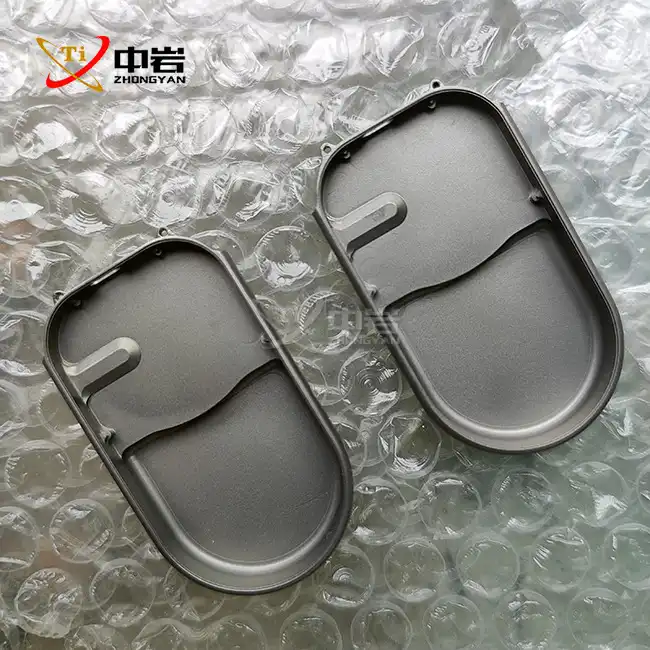
CNC aluminum parts can definitely handle high-stress situations if they are designed correctly. Precision CNC Machined Aluminum Parts made from high-quality metals like 7075-T6 and 6061-T6 have great strength-to-weight ratios, are accurate to within ±0.005 inches in size, and don't wear out when loaded and unloaded many times. These parts work reliably in aerospace structures, automotive powertrains, medical devices, and industrial machinery that have to deal with mechanical loads, thermal cycling, and corrosion. They do this by using the best machining techniques, alloy selection, and surface treatments like anodizing.
Understanding the Performance of CNC Machined Aluminum in High-Stress Environments
Components have to work very hard in high-stress situations. Engineers and purchasing managers can make better decisions when they know what makes these settings unique.
What Constitutes a High-Stress Industrial Environment?
In high-stress situations, parts are exposed to many problems at the same time. Long-term tension, compression, and shear forces are examples of mechanical loads that test the limits of materials. Parts become very worn out when they are loaded and unloaded millions of times over the course of their useful life. This is especially true in aerospace and automobile uses. Changes in temperature cause waves of expansion and contraction that can make it harder to keep dimensions stable. Corrosive situations, like chemicals, saltwater, or exposure to the air, speed up the breakdown of materials. With the help of material science and excellent production, Precision CNC-machined aluminum parts can solve these problems. Engineers at Baoji Zhongyan Titanium Industry Co., Ltd. have seen that aluminum parts that are properly defined often last longer than alternatives in uses that care about weight while still keeping their structural integrity in tough situations.
Aluminum Alloy Selection for Demanding Applications
More than any other factor, the choice of material affects how well a part works. Three types of aluminum alloys are most common in high-stress situations: 6061-T6 aluminum is the engine of the business. This metal can reach a yield strength of 276 MPa (40 ksi) and is very easy to weld. It is good for structural parts that need to be moderately strong and resistant to rust. It can be machined into complex shapes without wearing down tools too quickly, which keeps production costs low for both prototypes and large-scale production runs. 7075-T6 aluminum, with a stress strength of 503 MPa (73 ksi), is very strong, almost as strong as some types of steel. This metal is used to make mission-critical brackets, aerospace structural parts, and hydraulic manifolds. In exchange, it is less resistant to rust and costs more than 6061, usually two to three times as much.
How Precision Machining Enhances Material Properties
Through controlled material removal, CNC cutting turns raw aluminum billets into high-performance parts. In contrast to casting, which creates holes and uneven grain structure, subtractive manufacturing keeps the directional strength qualities of the worked material. Tight precision made possible by 3-axis to 5-axis CNC milling ensures that parts fit together correctly and that loads are spread out evenly. The surface finish has a direct effect on the wear life. When the surface hardness of a part is between 0.8 and 1.6 μm, there are fewer stress concentration points where cracks start. At different steps of production, our quality control procedures use calibrated profilometers to check the surface features of each batch and make sure they meet aerospace-grade standards. Adding heat treatment to the manufacturing process lowers leftover stresses that could lead to warping when the product is put through its operating duties. Precision CNC-machined aluminum parts are different from generic ones because they pay close attention to the details of the metal.
Precision CNC Machining Process: Engineering Durability Into Every Component
The way aluminum parts are made affects whether they just live or really do well in high-stress situations. Our unified method guarantees dependability from the planning stage to the delivery phase.
From CAD Design to Finished Component
Collaborative engineering is the first step in the production process. When you give our team technical specs, we look at load lines, stress concentrations, and operating conditions. Design for manufacturability ideas are used in CAD models to make sure that parts are made so that they are as strong as possible while also being as light and easy to machine as possible. Before committing to production tools, ideas are tested with prototypes. Low-volume first runs let you try functionality in real or simulated operating situations. Coordinate measuring machines (CMMs) are used for dimensional checking to make sure that prototype parts match the design purpose within certain tolerances, which are usually ±0.005 inches or tighter when needed.
Rigorous Quality Control Throughout Production
At Zhongyan, quality control goes beyond the final check. In-process testing finds problems early, when it's most cost-effective to fix them. Dimensional checks are done at several stages of production. Measuring after roughing operations makes sure there is enough stock left for finishing passes. CMM equipment is used for post-finishing inspection to make sure that geometric dimensioning and tolerancing (GD&T) standards are met. These include checking for position, flatness, and concentricity, which are important for Precision CNC Machined Aluminum Parts and high-stress assembly surfaces.
Material testing stops metal mix-ups that could hurt the performance of a part. XRF analysis confirms the chemical makeup and instantly tells the difference between 6061 and 7075. Testing for hardness confirms that heat treatment works, making sure that the material's qualities match the datasheet's requirements. The processes used for surface cleaning are also closely looked at. When anodizing adds protective metal layers, we check the thickness of the covering to make sure it covers everything evenly. Most of the time, Type II anodizing adds 5–10 μm, and Type III hardcoat anodizing adds 30–50 μm. Because anodizing makes parts bigger, we machine them to be slightly smaller than they need to be by a calculated amount. This way, we can be sure that the finished sizes meet the requirements of the plan.
Comparison With Alternative Manufacturing Methods
Knowing how CNC cutting stacks up against other options can help you understand why some applications work better than others under high stress. Casting is a cheap way to make a lot of complex shapes, but it adds holes to the material, which lowers its fatigue strength by 20–40% compared to worked material. To get the same level of strength, cast aluminum parts need bigger cross-sections, which cancels out any weight benefits. Sheet metal fabrication works well for cabinets and other non-structural uses, but it can't produce parts with the same level of accuracy or geometric complexity as Precision CNC Machined Aluminum Parts. Bend angles and making limits limit what kinds of designs can be made.
Evaluating CNC Aluminum Components for High-Stress Use: Critical Specifications and Standards
When looking for parts for difficult uses, procurement workers need objective criteria. These technical factors set good parts apart from great ones.
Alloy Selection Matched to Application Requirements
Different types of stress demand different properties from the material. The high yield strength of 7075 aluminum is good for uses that involve pulling, like suspension links and tie rods. Parts that are loaded in a lot of different directions, like hydraulic manifolds and air fittings, use 6061 aluminum's balanced qualities and better weldability when they need to be put together and joined. There are more things to think about when using thermal control apps. Aluminum is great for heat sinks and electrical enclosures because it quickly transfers heat energy (120–180 W/m-K based on the alloy) and keeps parts from breaking. Custom CNC cutting lets you make fin shapes that are perfect for convective cooling, which isn't possible with extrusion alone.
Dimensional Tolerances and Structural Integrity
Specifications for tolerances have a direct effect on how well a piece fits together and how the load is distributed. When tolerances are too small, gaps form that focus loads at contact points, which speeds up the start of fatigue cracks. Precision CNC Machined Aluminum Parts that are accurate to within 0.005 inches make sure that the load is transferred correctly between matching surfaces. GD&T callouts are a better way to communicate design intent than just using coordinate dimensions. Position limits control the design of holes in bolted joints, which keep them from being lined up correctly during assembly. Flatness standards make sure that surfaces that seal gaskets work properly. Concentricity requirements make sure that spinning parts stay balanced at working speeds.
Surface Treatments That Enhance Performance
Anodizing adds a layer of protected aluminum oxide that makes the metal much more resistant to rust and wear. Type II anodizing protects well enough for most indoor uses and can be dyed for color coding or aesthetic reasons. Type III hardcoat anodizing makes surfaces that are thicker and harder, getting close to 70 HRC. These surfaces are good for sliding wear uses and harsh weather conditions. An option to anodizing is a chemical film called chromate conversion coating, which can be used when electrical conductivity needs to be kept. This process protects against corrosion to a modest degree and makes the surface great for painting.
Certifications and Supplier Quality Validation
With ISO certification, you can be sure that sellers have quality processes that are written down and can be checked. ISO9001:2015 shows a dedication to process control and ongoing growth. AS9100 certification shows that a company can meet the strict standards for quality paperwork and traceability in the aerospace business. Material certifications link test results on raw aluminum that show its chemical make-up and mechanical qualities. In regulated fields like medical devices and aircraft, where component pedigree must be proven, this paperwork becomes very important.
Procurement Strategies for Sourcing Reliable High-Stress Aluminum Components
For buying to go well, technical needs, cost, and the stability of the supply chain all need to be taken into account. These tactics assist buyers in making smart choices.
Identifying and Evaluating Qualified Manufacturers
Verification of certification is where it all starts. Getting ISO9001:2015 approval shows that you know how to run a basic quality system. Misrepresentation can be avoided by asking for certification papers and checking them against granting bodies. A production capability review checks to see if a company can go from making a pilot to mass production. Facility walks, whether they are done in person or online, show what technology can do, how to control processes, and how well the organization works. Zhongyan's position in Baoji gives us access to China's most concentrated titanium and aluminum manufacturing resources. This makes sure that we always have the materials we need and the experts we need to do the job.
Balancing Prototype Development With Production Volumes
Low-volume test runs make sure that ideas work before they are put into production. Using the same CNC methods for rapid prototyping as production makes sure that testing on prototypes correctly predicts how production parts will work. The wait time for a sample is usually between one and three weeks, but it depends on how complicated it is. The time between testing the prototype and starting full-rate production is called "bridge production." Making a few hundred parts lets you try them in the field while your production tools and methods get better. This step-by-step method lowers risk compared to buying thousands of parts right away that haven't been tested.
Communicating Technical Requirements Effectively
Complete technical paperwork keeps expensive misunderstandings from happening. Drawings in two dimensions with GD&T labels, CAD models in three dimensions, and written specs all give different kinds of information. For example, "6061-T6" should be used instead of just "aluminum" in material callouts. Requirements for surface finish need Ra numbers, not vague words like "smooth." By identifying critical traits, screening resources are put where they are most needed. Manufacturers can use the right process controls and testing methods when they know which measurements have a direct effect on fit, function, or safety for Precision CNC Machined Aluminum Parts.
Real-World Performance: CNC Aluminum Parts in Mission-Critical Applications
Performance, not theory, is what matters more. These examples show how well fine Precision CNC Machined Aluminum Parts work in tough conditions across many businesses.
Aerospace Structural Components
During their decades-long service lives, commercial airplane structural bolts made of 7075-T6 aluminum can withstand fatigue loads. As planes climb to cruise altitude and lower for landing, these parts are subject to shaking, aerodynamic buffeting, and thermal cycling. Over the course of a normal airframe's service life, these effects could happen up to 50,000 times. Precision CNC-machined aluminum parts give you the accurate measurements you need for bolted parts to distribute pressure correctly. In wet places, anodizing protects against rust. Cracks are checked on a regular basis by inspections, but parts that were made correctly usually make it to their planned retirement without any structural problems.
Automotive Performance and Efficiency
More and more engine parts are made of aluminum, which lowers the moving mass and makes the engine use less fuel. The strength-to-weight ratio of aluminum is used in piston cases, connecting rods, and timing gear housings. With CNC machining, it is possible to get the tight specs needed for proper sealing surfaces and bearing gaps. Similar benefits are seen in transmission parts. Shift time and quality are controlled by valve bodies that have complex hydraulic tubes inside them. Precision CNC-machined aluminum parts make it possible to make passageways that are best for fluid flow, which is not possible with standard casting methods. Surface treatments that are close to Ra 0.8 μm reduce hydraulic losses and stop the formation of particles that could harm parts further downstream.
Medical Device Precision and Biocompatibility
Surgical tools need to be able to fight rust, last a long time after being sterilized, and be perfectly ergonomic. Because aluminum is not magnetic, it can be used in MRI settings. CNC cutting makes it possible to make handles with complicated shapes that keep surgeons from getting tired during long treatments. The housings of diagnostic tools cover the optical and electrical parts that are sensitive. Because aluminum is a good temperature conductor, it keeps places from getting too hot. Hardcoat anodizing protects against scratches on equipment that is handled and cleaned a lot.
Industrial Machinery Reliability
Cyclic pressure loading is used to power pneumatic parts like cylinder bodies, pipes, and valve housings. Precision CNC-machined aluminum parts can handle millions of pressure cycles without losing their structure. Aluminized surfaces don't rust when they are exposed to moisture in compressed air. Customized gears and connections make mechanical power available to all parts of automatic systems. CNC machining makes it possible to get tooth shapes and bearing surfaces with very little runout and concentricity mistakes. This means that the machine will run smoothly and quietly for a long time.
Conclusion
In conclusion, when designed properly, precision CNC-machined aluminum parts can safely handle high-stress situations. The right choice of material for the job, careful cutting to keep the good qualities, close attention to dimensions to make sure the load is spread out evenly, and the right surface processes to make it last longer all work together to make for great performance. These parts are used in many fields, from aircraft to medical devices, and when they break, bad things happen. To be successful in procurement, you need to work with producers who can show they have the technical know-how, a mature quality system, and a dedication to customer satisfaction. Zhongyan has years of experience with the precise machining of both titanium and aluminum. They also have quality systems that are ISO-certified and offer engineering help throughout the span of a product.
FAQ
Can CNC aluminum parts maintain dimensional accuracy under repeated stress cycles?
Yes, Precision CNC Machined Aluminum Parts that are made the right way keep their shape over millions of load cycles. During production, stress-relieving heat treatment gets rid of any remaining stresses that could lead to warping. Tight cutting standards stop wear at surfaces from being caused by fretting. Anodizing saves surfaces from rust, which can change the size of things over time.
Why choose precision machining over casting for high-stress components?
CNC cutting keeps the linear strength of wrought aluminum and gets rid of the casting porosity that lowers wear resistance by 20–40%. When compared to molds, Precision CNC-machined aluminum parts have tighter tolerances, better surface finishes, and more uniform mechanical qualities from batch to batch.
What lead times should I expect for custom high-stress aluminum parts?
It takes two to three weeks to ship standard parts. Times take four to six weeks longer for complicated shapes that need 5-axis machining, special surface processes, or rare metals. When a project needs to be finished quickly, expedited development services can send sample numbers in just one week.
Partner With Zhongyan for Your High-Performance Aluminum Component Needs
Precision CNC-machined aluminum parts made by Zhongyan are designed for high-stress uses in the aircraft, automobile, medical, and industrial sectors. Our ISO9001:2015-certified factory in Baoji has cutting-edge multi-axis CNC machines, strict quality control, and decades of experience working with metals. We work with metals ranging from 6061-T6 to 7075-T6, and we can make sizes, forms, and surface treatments that are exactly what you need. Our team offers responsive tech help and reasonable prices, whether you need a sample made or a lot of them made. Get in touch with our technical sales team at sales@titaniumstudy.com to talk about your project needs with a reliable source of quality Precision CNC Machined Aluminum Parts that wants you to succeed.
References
1. ASM International. (2018). Properties and Selection: Nonferrous Alloys and Special-Purpose Materials. ASM Handbook Volume 2, Materials Park, OH.
2. Davis, J.R. (2001). Alloying: Understanding the Basics. ASM International, Materials Park, OH.
3. Kaufman, J.G. (2000). Introduction to Aluminum Alloys and Tempers. ASM International, Materials Park, OH.
4. Stephens, R.I., Fatemi, A., Stephens, R.R., and Fuchs, H.O. (2000). Metal Fatigue in Engineering, 2nd Edition. John Wiley & Sons, New York.
5. Starke, E.A. and Staley, J.T. (1996). "Application of Modern Aluminum Alloys to Aircraft." Progress in Aerospace Sciences, Volume 32, Issues 2-3, pp. 131-172.
6. Boothroyd, G., Dewhurst, P., and Knight, W.A. (2010). Product Design for Manufacture and Assembly, 3rd Edition. CRC Press, Boca Raton, FL.
_1755673729494.jpg)
Learn about our latest products and discounts through SMS or email