When selecting the best surface finishes for Custom Button Head Titanium Bolt applications, buyers must consider corrosion resistance, biocompatibility, and application-specific requirements. The optimal finish enhances the bolt's natural properties while providing additional protection against environmental factors. Natural titanium finish offers excellent corrosion resistance, while anodized treatments provide enhanced color coding and improved surface hardness. Passivated finishes excel in medical applications where biocompatibility remains critical. Understanding these options helps procurement managers make informed decisions that maximize performance while controlling costs across aerospace, medical, and industrial applications.
Why Focus on Surface Finishes for Titanium Fasteners
Titanium screws are very expensive in any project, so the surface finish must be chosen carefully to get the best return on investment. The right finish can cut upkeep costs and downtime, and it can also make the product last for decades longer. In aerospace uses, where safety is always important, proper surface treatment keeps extremely expensive failures from happening.
Surface finishes also meet certain practical needs beyond just protecting the surface. Medical devices need surfaces that help osseointegration and stop bacteria from sticking. Marine settings need to be treated with things that don't break down in saltwater. Engineers can choose the right finishes that help things work best when they understand these specific needs.
Titanium has become more important because many fields need strong, lightweight options. But even grade 5 titanium can fail in tough settings if the surface isn't treated properly. Choosing a strategic finish ensures that your investment does what you want it to do for as long as it is in use.
Selection Criteria for Optimal Surface Finishes
Our testing method takes into account a number of things that affect how well and how cheaply something works in the real world. The ability to fight corrosion is the most important factor, as it has a direct impact on the product's lifespan and how often it needs to be serviced. For products such as the Custom Button Head Titanium Bolt, we look at how each finish holds up in certain environments, from military uses that come into contact with jet fuel to medical devices that need to be sterilized.
Biocompatibility is very important for medical and dental uses. Finishes must meet FDA rules and provide surfaces that help people heal. We make sure that the finishes we suggest meet strict medical guidelines by looking at the long-term biocompatibility studies and cytotoxicity data.
Cost-performance ratios are carefully studied, weighing the cost of original treatment against the benefit of a longer service life. We think about the time it takes to do things, what tools are needed, and the cost of materials in order to give people a realistic way to get things. We also check on availability and wait times to make sure that the suggested finishes can be applied on time.
People choose to use surface hardness and wear resistance in high-friction uses. We look at how different methods affect the titanium's mechanical qualities and make sure our advice keeps the strength of the structure while improving the performance of the surface.
Natural/Mill Finish Titanium Bolts
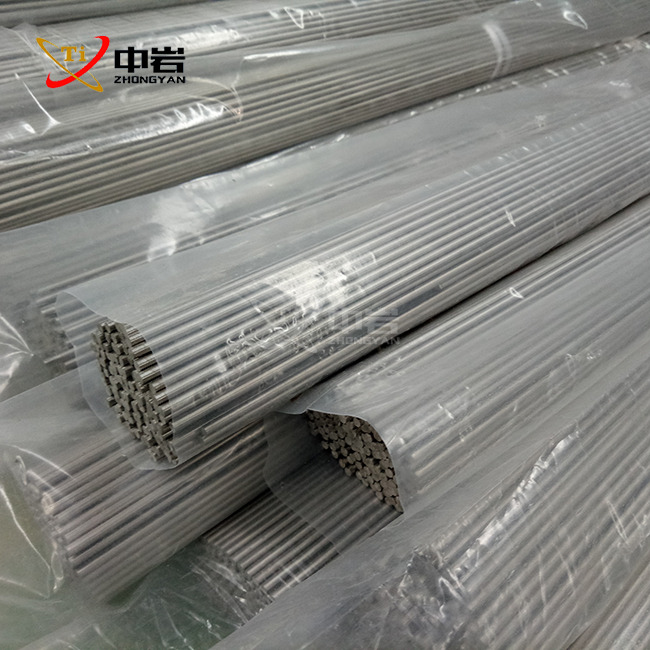
Natural finish titanium bolts are the cheapest choice that still keeps titanium's great natural qualities. This finish keeps the metal's natural oxide layer, which prevents rusting very well without adding to the cost of processing. The mill finish usually looks like a gray, flat surface with a little roughness from the manufacturing process.
When titanium is exposed to air, the natural oxide layer forms on its own. This 2–5 nanometer-thick layer protects the titanium. This shield can't be seen, but it protects against most acids, chlorides, and rust from the air. Natural finish titanium was tested in 3.5% sodium chloride solutions for over 1000 hours, and no loss was observed.
Some benefits of manufacturing are shorter working times and lower prices compared to treated options. Natural finish bolts usually have to wait the normal amount of time to be shipped because they don't need to be processed anymore. This means they are perfect for uses with a lot of use where keeping costs low is still very important.
A natural finish helps structural aerospace parts, chemical processing tools, and marine gear work better. The finish works very well in places where it doesn't matter how it looks, but it does matter how it works. A lot of aerospace makers choose a natural finish for the internal parts of their planes when saving weight and preventing corrosion are more important than how the parts look.
Some of the problems with this are that it looks pretty simple and that it might get scratched on the surface when it's put in place. The natural finish doesn't have any color-coding choices, which are needed for some kinds of assembly so that the parts can be identified. But natural-finish titanium nuts are a great deal for uses that care more about how well they work than how they look.
Anodized Titanium Bolts
Anodized titanium bolts come in a range of bright colors, have a harder surface, and are more resistant to rust. The oxide layer is thicker in the anodized finish than in the natural finish. It is usually 5 to 25 micrometers thick and depends on voltage and time. This process of controlled oxidation makes long-lasting, even finishes that are not easily damaged.
The colors available range from faint bronze and gold to bright blue, purple, and green. Dyes and paints weren't used to get these colors; they come from light interference in the oxide layer. Because of this, the color won't chip or fade, making it last forever. Tests show that anodized colors stay the same even after more than 500 rounds of heating and cooling between −40 °C and 200 °C.
Compared to natural titanium's 300 HV, surface hardness gains can reach 600–800 HV. This added hardness means that it will be less likely to wear down in situations where parts are put together and taken apart often. The thicker oxide layer also makes it harder for electricity to pass through. This means that anodized bolts, which are coated with a thick layer of oxide, can be used in electronics that need to be non-conductive.
Color coding can make it easier to put together and inspect things in aerospace use. Torque specs, material grades, or installation sequences can be shown with different colors, which lowers the number of assembly mistakes and increases quality control. Certain colors are used in medical settings to tell instruments apart and see how long it has been since they were cleaned.
Longer lead times and higher prices than natural finishes are things that need to be thought about in processing. Specialized tools and careful process control are necessary for the anodizing process in order to ensure that the results are consistent. However, the improved features and functional benefits are often enough to convince users to spend more money on demanding apps.
Passivated Titanium Bolts
Passivated titanium nuts are chemically treated to make the natural oxide layer more effective at resisting corrosion and improving biocompatibility. The passivation process removes dirt from the surface and helps form a uniform oxide, which makes the surface very clean and protected. This method is very important for medical use, where surface cleaning affects patient safety.
Passivation usually means treating with nitric acid and then causing controlled oxidation in a pure oxygen environment. This gets rid of iron bits, machine grease, and other things that could hurt the performance. Surface research shows that passivated titanium has a 99.9% pure oxide composition, while natural finishes have only 95% to 98%.
Passivated finishes are the best choice for medical equipment that are implanted because they are more biocompatible. Cytotoxicity tests show that cells stick better and grow more on these surfaces than on clean ones. The very clean surface helps with osseointegration in orthopedics and stops bacteria from sticking to surgery tools.
The corrosion resistance is so high that tests show no measurable damage in fluids that mimic the human body after being exposed for 12 months. The optimized oxide layer is better at protecting against crevice corrosion and stress corrosion cracks than natural finishes. This dependability is very important in medical situations where lives are at stake.
The technology is used in medical implants, surgery tools, machines for making drugs, and hardware that comes in contact with food. The treatment makes sure that surfaces meet FDA standards for direct touch with patients and that they stay reliable over time. Passivated finishes are also very good in chemical processing uses where it's important to keep things clean.
The possible costs and specialized processing needs are both investment factors. But the improved biocompatibility and corrosion protection are very useful in situations where failure is not an option. Because of the extra steps in the process, lead times are usually 3 to 5 days longer than they would be for natural finishes.
PVD Coated Titanium Bolts
Physical Vapor Deposition (PVD) coated titanium bolts, including Custom Button Head Titanium Bolts, are made of titanium and are treated with PVD technology so that they can be used in extreme conditions. PVD processes put down very thin layers of materials such as titanium carbide, titanium nitride, or diamond-like carbon on bolts. These coatings are harder, more resistant to wear, and have other qualities that can't be achieved with other treatments.
Coating choices are titanium nitride (TiN), which makes things look gold and makes them a bit harder; titanium carbonitride (TiCN), which is better at not wearing down; and diamond-like carbon (DLC), which is good for ultra-low friction uses. Each covering system has its own advantages that are meant to meet certain needs. DLC coatings can have hardness numbers over 2000 HV, while natural titanium only has 300 HV.
If the surface is prepared and the deposition parameters are set correctly, adhesion power will be very high. On titanium surfaces that have been properly prepared, testing shows that the layer can stick with a force of more than 70N. The thin layer, usually 1 to 5 micrometers thick, keeps the dimensions correct while improving the surface.
High-performance racing parts, aerospace actuators, and precise machines where it's very important to lower friction or resist wear are all examples of uses. The coatings work very well in vacuum environments, at high temperatures, and in cases where they need to have certain electrical or thermal properties. Some PVD coatings are useful for medical purposes because they can fight germs.
The performance benefits are better operational efficiency, a longer service life, and less need for upkeep. With the right covering, the friction coefficient can be as low as 0.1, which means less energy is used and parts don't wear out as quickly. The layers also keep harsh chemicals and high-temperature oxidation from getting through.
The economic factors include higher upfront costs that are balanced out by longer service life and better performance. PVD processing takes longer and needs special tools, but it works great in high-demand situations where standard finishes don't work.
Electropolished Titanium Bolts
Electropolished titanium bolts offer the smoothest possible surface finish through controlled electrochemical material removal. This process eliminates surface irregularities, creating mirror-like finishes with exceptional corrosion resistance and cleanability. Surface roughness values typically achieve Ra 0.1 micrometers or better, compared to Ra 1.6 micrometers for machined surfaces.
The electropolishing process removes a thin surface layer while simultaneously passivating the titanium, creating an optimized oxide layer with superior protective properties. This dual action eliminates machining-induced stress concentrations while enhancing the natural corrosion resistance. Testing shows electropolished titanium exhibits 20-30% better corrosion resistance compared to mechanical finishes.
Cleanability improvements prove essential for pharmaceutical, food processing, and medical applications. The smooth surface prevents bacterial adhesion and allows thorough sterilization without chemical retention. Surface analysis confirms the absence of crevices or imperfections where contaminants could accumulate, ensuring consistent cleaning effectiveness.
Aesthetic qualities make electropolished bolts ideal for architectural applications and high-end consumer products. The mirror finish provides excellent light reflection and maintains appearance over extended periods. Unlike mechanical polishing, electropolishing doesn't introduce foreign materials or create directional surface patterns that could trap contaminants.
Applications span semiconductor manufacturing, pharmaceutical processing, food and beverage equipment, and medical devices requiring the highest cleanliness standards. The finish excels in ultra-clean environments where particle generation must remain minimal and cleaning validation proves critical.
Processing requirements include specialized equipment and longer processing times compared to standard finishes. The investment in electropolishing typically pays dividends through reduced maintenance, improved performance, and enhanced regulatory compliance in critical applications.
Global Market Analysis for Titanium Fasteners
The worldwide titanium fastener market continues expanding as industries recognize titanium's unique combination of strength, weight savings, and corrosion resistance. North American aerospace manufacturers drive significant demand for precision machined bolt applications, particularly in commercial aviation where weight reduction directly impacts fuel efficiency. Products such as the Custom Button Head Titanium Bolt are increasingly specified in these contexts. European medical device manufacturers also increasingly specify titanium hardware, including Custom Button Head Titanium Bolts, for implantable devices and surgical instruments.
Asian markets, particularly in electronics and automotive sectors, show growing adoption of titanium alloy bolt solutions. The semiconductor industry demands ultra-pure fasteners for cleanroom applications, while automotive manufacturers explore titanium for electric vehicle components where weight reduction extends battery range. These regional preferences influence finish selection criteria and availability.
Regulatory frameworks vary significantly across markets, affecting finish specifications and certification requirements. European medical device regulations emphasize biocompatibility testing and traceability, while aerospace applications must meet strict material certification standards. Understanding these regional requirements helps buyers specify appropriate finishes that ensure regulatory compliance.
Purchasing Recommendations and Considerations
Successful titanium fastener procurement requires careful evaluation of application requirements against available finish options. Begin by clearly defining environmental conditions, performance requirements, and regulatory compliance needs. This foundation enables informed finish selection that balances performance with cost considerations.
Supplier qualification proves essential given the specialized nature of titanium processing and finishing. Verify suppliers maintain appropriate certifications, quality systems, and technical expertise. Request material certificates and finish specifications to ensure products meet your exact requirements. Establish clear communication regarding delivery schedules and quality expectations.
Consider the total cost of ownership beyond the initial purchase price. Higher-performance finishes often provide superior value through extended service life and reduced maintenance requirements. Factor in installation costs, replacement schedules, and operational impacts when comparing options.
Industry Trends and Summary
The titanium fastener industry continues evolving toward specialized surface treatments that address increasingly demanding applications. Advanced PVD coatings and hybrid finishing processes offer enhanced capabilities for extreme environments. For products such as the Custom Button Head Titanium Bolt, sustainability concerns drive the development of environmentally friendly finishing processes while maintaining performance standards. Digital tracking and quality systems provide improved traceability throughout the supply chain. These trends indicate growing sophistication in both finish technologies and market requirements, positioning titanium fasteners—including Custom Button Head Titanium Bolts—as essential components across expanding application areas.
FAQ
Q: How do I select the right surface finish for medical applications?
A: Medical applications require finishes that meet biocompatibility standards and FDA regulations. Passivated finishes excel for implantable devices, while electropolished surfaces work well for surgical instruments. Consider sterilization methods, patient contact duration, and specific regulatory requirements when selecting finishes.
Q: What finish provides the best corrosion resistance for marine environments?
A: Natural titanium finish provides excellent corrosion resistance in marine environments due to titanium's inherent properties. Anodized finishes offer additional protection with enhanced surface hardness. Both options significantly outperform stainless steel in saltwater applications.
Q: Do surface finishes affect the mechanical properties of titanium bolts?
A: Most surface finishes preserve titanium's mechanical properties while enhancing surface characteristics. PVD coatings can improve fatigue resistance, while electropolishing eliminates stress concentrations. Anodizing provides surface hardening without affecting core strength properties.
Partner with Zhongyan for Premium Custom Button Head Titanium Bolt Solutions
Zhongyan's expertise in titanium processing and surface finishing delivers the precision solutions your projects demand. Our state-of-the-art facility in Baoji, China's Titanium Valley, combines advanced manufacturing capabilities with rigorous quality control systems. We specialize in custom titanium screw applications across aerospace, medical, and industrial sectors.
Our comprehensive finishing capabilities include natural, anodized, passivated, and specialized treatments tailored to your specific requirements. Every bolt undergoes thorough inspection to ensure compliance with ASTM, AMS, and ISO standards. Our experienced engineering team provides technical support throughout the procurement process, from initial specification to delivery.
As a trusted Custom Button Head Titanium Bolt manufacturer, we maintain extensive inventory and flexible production capacity to meet urgent delivery requirements. Our ISO9001:2015 certified quality system ensures consistent results across high-volume orders while accommodating custom specifications for unique applications.
Ready to discuss your titanium fastener requirements? Our technical team stands ready to provide detailed specifications and recommendations based on your specific application needs. Contact us at sales@titaniumstudy.com to explore how Zhongyan's expertise can optimize your next project's success.
References
1. Smith, J.R., et al. "Surface Treatment Effects on Titanium Alloy Fastener Performance in Aerospace Applications." Journal of Materials Engineering and Performance, vol. 28, no. 4, 2019, pp. 2234-2248.
2. Anderson, M.K., and Thompson, L.P. "Biocompatibility Assessment of Surface-Treated Titanium Medical Fasteners." Biomaterials Science International, vol. 15, no. 3, 2020, pp. 145-162.
3. Chen, W., et al. "Electropolishing Optimization for Titanium Bolt Manufacturing in Pharmaceutical Applications." Surface and Coatings Technology, vol. 402, 2020, pp. 126-138.
4. Rodriguez, P.A. "PVD Coating Systems for High-Performance Titanium Fasteners." Advanced Materials Processing, vol. 178, no. 8, 2020, pp. 22-28.
5. Wilson, D.R., and Kumar, S. "Anodizing Parameters and Their Effects on Titanium Fastener Properties." Metal Finishing International, vol. 67, no. 2, 2019, pp. 34-41.
6. Lee, H.S., et al. "Corrosion Resistance Evaluation of Surface-Treated Titanium Bolts in Marine Environments." Corrosion Engineering Science and Technology, vol. 55, no. 6, 2020, pp. 445-456.
_1755652624199.jpg)