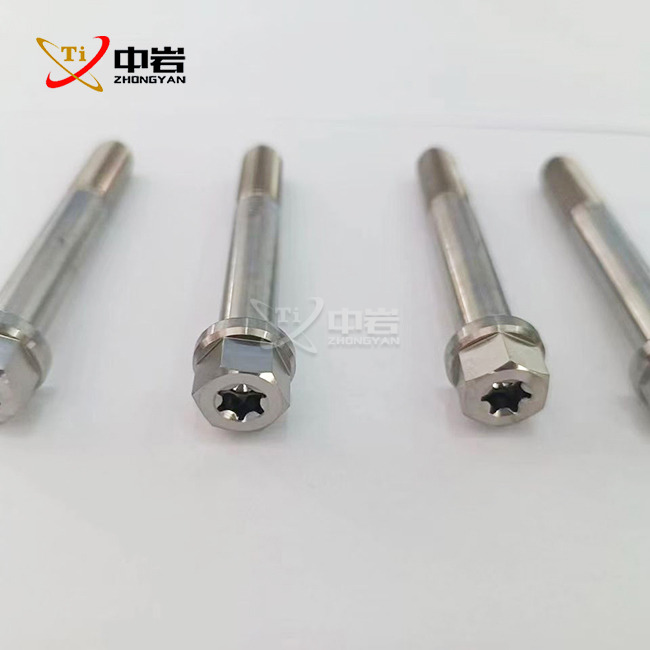
German OEMs consistently choose Shaanxi titanium grade 4 plate suppliers due to their exceptional manufacturing capabilities, stringent quality standards, and deep expertise in commercially pure titanium production. Shaanxi Province, known as China’s “Titanium Valley,” houses advanced facilities that deliver precision-engineered titanium products meeting the rigorous demands of European aerospace, medical, and industrial sectors. These suppliers combine cost-effectiveness with world-class quality, making them preferred partners for German manufacturers. As the global titanium market continues to expand rapidly, China has emerged as a dominant force in titanium production and processing. Manufacturers worldwide increasingly recognize the advantages of sourcing high-quality titanium materials from Chinese suppliers, particularly for applications requiring exceptional corrosion resistance and mechanical strength. With significant investments in advanced technology and quality systems, Chinese titanium manufacturers have established sophisticated production capabilities that rival traditional Western producers. This transformation has positioned them as reliable partners for international companies seeking precision-engineered titanium alloy plate solutions. The combination of competitive pricing, technical expertise, and robust supply chain infrastructure makes China an attractive sourcing destination for procurement managers and engineering teams.
Manufacturing Excellence: Why China Leads in Titanium Grade 4 Production
Advanced Processing Capabilities
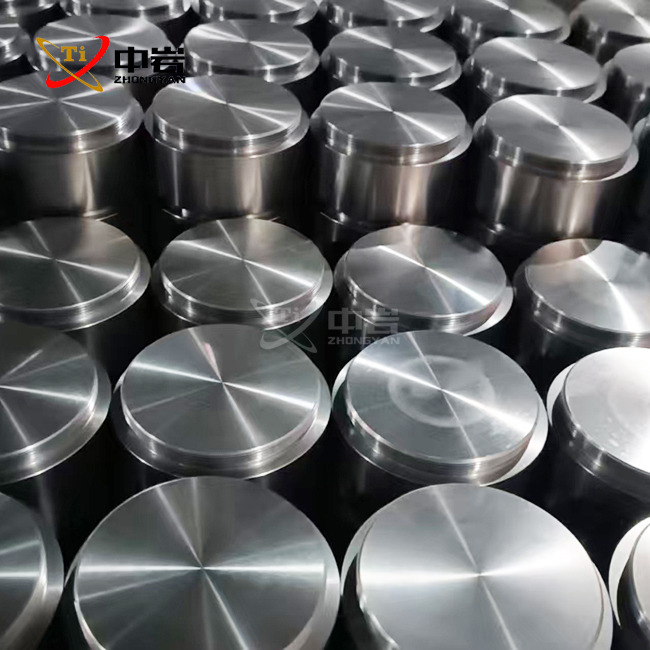
Using cutting-edge vacuum arc remelting (VAR) technology, Chinese companies make high-quality grade 4 titanium sheets and titanium grade 4 plates. These facilities use precision rolling mills and heat treatment systems that make sure the mechanical traits are the same all over the material structure. The process of making the titanium plates—including titanium grade 4 plate—includes several tests to make sure each plate meets the required standards for tensile strength and bending.
Modern Chinese factories have automatic production lines that can handle big orders while keeping a close eye on the dimensions. Computer-controlled systems have made it possible for makers to make custom titanium plates with really exact thicknesses. This new technology has gotten rid of a lot of the quality issues that used to be linked to producing goods in other countries.
Resource Advantages and Supply Chain Integration
Shaanxi Province has a lot of titanium ore, and the processing equipment there is already in place. Manufacturers can keep their prices down and ensure a steady supply of raw materials thanks to this geographical benefit. The regional concentration of titanium-related industries produces synergistic effects that make the overall efficiency and innovation of manufacturing better.
Local sellers keep in touch with a lot of different kinds of service providers, such as logistics companies, testing labs, and places that do heat treatment. This all-encompassing ecosystem allows for quick reaction times and flexible production scheduling, which is good for international customers who need to get things done quickly.
Essential Criteria for Selecting Reliable Titanium Manufacturers
Technical Capabilities Assessment
Check out possible suppliers' production and equipment skills. Find manufacturers that use current vacuum melting furnaces and exact rolling tools. Rate their skill at making a range of titanium grade 4 coil setups and unique sizes that will meet your exact needs.
Check the manufacturer's history of making related parts for your field. Aerospace and medical uses require very high standards of quality. Because of this, give suppliers with experience in these areas priority. Request samples and do a lot of tests on the material to make sure it meets the requirements for mechanical properties and chemical composition.
Quality Management Systems
Look into the supplier's quality control system in depth. Manufacturers you can trust keep detailed records that show where all the materials used in production come from and how they get to the finished product. This openness is very important for fields that need to keep close track of quality and compliance.
Look at the manufacturer's testing tools, like those for chemical analysis, tension testing, and non-destructive testing. To make sure that product quality stays high, advanced suppliers keep labs in their own offices with universal testing machines, spectrometers, and ultrasonic inspection systems.
Production Flexibility and Customization
Figure out how well the manufacturer can handle custom specs and changes to the design. The best providers give a lot of engineering support that helps make the best product designs for efficient manufacturing while still meeting performance standards. Find businesses that give you design feedback and other options when regular goods don't meet your needs.
Think about the supplier's ability to make both small prototypes and a lot of products. Manufacturers that are flexible can help with the different stages of product development and increase the amount of output as demand grows. This adds value to long-term partnerships.
Supply Chain Reliability
Check out how the seller gets their raw materials and keeps track of their stock for products like titanium grade 4 plate. Strategic inventories of raw materials that protect against supply problems are kept by trustworthy makers of titanium grade 4 plate. Also, they don't get all of their supplies from one place so they aren't reliant on a single source.
Look at the manufacturer's past of delivery performance and logistics skills. Think about the way things are packaged, how they're shipped, and how often the company can meet its promised arrival times.
Critical Certification Requirements and Quality Standards
International Standards Compliance
Make sure that any sources you might work with keep up with the latest certifications for international standards, especially ASTM B265, which covers titanium plates. This standard lays out the mechanical qualities, chemical makeup, and dimensional tolerances that will make sure that products are consistent and work well.
ISO 9001:2015 approval shows that the maker is dedicated to following standard ways of managing quality. This certification needs regular checks and ongoing growth steps that help keep the quality of the product the same over time.
Industry-Specific Certifications
AS9100 approval is usually needed for aerospace projects. This standard adds more aerospace industry requirements on top of those in ISO 9001. Medical device makers should find suppliers that are ISO 13485 certified. This makes sure that the needs for medical device quality control are met.
Some applications might need extra credentials, like NADCAP approval for special methods or FDA registration for medical uses. Make it clear that these are important early on in the process of choosing a provider so that you don't run into issues later on.
Testing and Documentation Requirements
Make it clear what you expect from material test reports (MTR) and certification papers. A full MTR should have the results of a mechanical property test, a chemical study, and dimensional inspection. These papers have the important tracking information that quality checks and compliance with rules require.
Ask for example credentials and check to see that they are full and correct. Suppliers of good quality give paperwork that includes records of heat treatment, reports of inspection, and statements of compliance for standards that apply.
Effective Sourcing Strategies and Platform Selection
B2B Platform Utilization
Professional B2B platforms are great tools for finding good titanium plate providers. These platforms usually have supplier verification systems, customer reviews, and detailed business profiles that make it easier to get people to start screening. Pay attention to providers that have a long history of good customer service.
Use the platform's search filters to find manufacturers that focus on titanium grade 4 vs. grade 2 uses that are useful for you. A lot of platforms give extra services to protect international transactions, like trade assurance programs and quality inspection services.
Trade Show and Industry Events
At trade shows, you can meet possible suppliers and see what they can do. At these events, people can look at material samples up close and talk in person with expert reps who know a lot about quality systems and how things are made.
Trade shows also let you compare a lot of different sellers at once and learn more about industry trends and new technologies. Getting to know people by talking to them in person often helps people communicate and work together better.
Professional Network Referrals
Get suggestions for suppliers from people in your business networks and the industry. Colleagues who have worked directly with Chinese companies that make titanium can give you useful information about how well suppliers perform, how well people communicate, and how well problems are solved.
Often, industry groups and expert societies keep databases of suppliers and can help you find good manufacturers. It may also be easier to evaluate suppliers or get audit help from these organizations.
Optimizing OEM and ODM Partnership Arrangements
Design Collaboration and Engineering Support
Set up clear ways for people to talk to each other when they work on designs and give technical help. For OEM relationships to work, design teams and manufacturing engineers need to be able to share information with each other easily. To make communication easier, look for suppliers that have English-speaking engineers and offer direct engineering help.
Set the rules for intellectual property protection and confidentiality agreements early on in the partnership creation process. Manufacturers with a good reputation understand these worries and are happy to take the right steps to protect customers' ideas and trade secrets.
Prototype Development and Testing
Make detailed prototype testing methods that check both the properties of the materials and the ways they are made. In order for an ODM relationship to work, it must have development cycles that repeat many times. These cycles should find the best designs for making the manufacturing process more efficient while also meeting performance standards.
Set clear standards for approving prototypes and make changes to the design. Good suppliers give thorough feedback on manufacturability and suggest ways to lower production costs without hurting quality.
Production Planning and Capacity Management
Make actual production schedules that take into account the time it takes to get materials, the time it takes to make things, and the time it takes to check that everything is made correctly. To handle changes in demand, work with your providers to set aside time for important production periods and plan how to handle changes in demand.
Do regular checks of your production so you can keep an eye on manufacturing performance and find possible problems before they affect delivery plans. Proactive contact helps keep the production flow going and stops delays that cost a lot of money.
Strategic Approaches to MOQ and Pricing Negotiations
Understanding Market Dynamics
Getting to Know Market Dynamics Look into the current price trends and market conditions for titanium plates that affect the cost of making things. It is easier to set reasonable prices and negotiate well when you know about changes in the cost of energy and materials and the labor market.
Think about long-term market predictions and how they might affect the security of prices. Some makers offer price protection agreements that keep costs steady for a long time. This is very helpful for businesses whose product development processes take a long time.
Volume-Based Pricing Strategies
Look into ways to get better prices by committing to buy a lot or using blanket purchase deals. A lot of manufacturers lower their prices a lot for customers who agree to annual volume standards or longer-term contracts.
To get better price tiers, you might want to combine different product lines or specs to get higher total volumes. Some sellers use portfolio pricing, which looks at the total amount of business done across different types of products.
Payment Terms and Financial Arrangements
Negotiate payment terms that are good for both you and your supplier's finances and that take into account your need to keep money coming in. A lot of Chinese businesses accept letters of credit or trade financing deals that protect both sides and make it easier to do business across borders.
Look into the possibility of making the payments in installments that are based on either production goals or standards for quality. These plans can help with the amount of money a business has on hand, and they can also give suppliers the money they need to make goods and products.
Comprehensive Factory Audit and Quality Assurance Protocols
Pre-Audit Preparation and Planning
Make thorough checklists for audits that cover all the important parts of quality systems, compliance requirements, and how well manufacturing can be done for products such as titanium grade 4 plate. Concentrate on things like the state of the tools, calibration programs, training operators, and making records of the processes used in producing titanium grade 4 plate.
Make sure that you plan the audits with your suppliers so that the right people and buildings are ready for a full evaluation. Think about hiring a third-party audit service to get an objective opinion, especially when it comes to the skills of important suppliers.
Manufacturing Process Evaluation
Look at the whole process of making things, from getting the raw materials to putting the finished result in a box. Pay special attention to how titanium plates are machined, how heat treatment is done, and how surface finishing affects the quality of the finished product.
Check the process controls and monitoring tools that make sure the quality of the product stays the same. Find the use of statistical process control, automatic inspection systems, and thorough record-keeping that show discipline in the process.
Quality Control Infrastructure Assessment
Go over the lab's powers and the calibration programs for testing equipment. Check that the test tools are accurate for important readings and that the calibration records show that they are fixed and checked often.
Look at the supplier's program for internal audits and take appropriate action. Regular self-evaluations and planned methods for finding and fixing quality problems are parts of a good quality system.
Identifying Tomorrow's Leading Titanium Suppliers: 2025 Market Outlook
Technology Integration and Automation
Leading suppliers increasingly adopt Industry 4.0 technologies that enhance manufacturing efficiency and quality consistency. Look for manufacturers implementing digital manufacturing systems, automated inspection technologies, and data-driven process optimization.
Advanced suppliers utilize predictive maintenance systems that minimize equipment downtime and maintain consistent production schedules. These technologies demonstrate the supplier's commitment to operational excellence and long-term reliability.
Sustainability and Environmental Compliance
Environmental sustainability becomes increasingly important for global supply chain management. Leading suppliers implement comprehensive environmental management systems that minimize waste generation, reduce energy consumption, and ensure compliance with international environmental standards.
Look for suppliers with documented sustainability programs that include recycling initiatives, energy efficiency improvements, and environmental impact monitoring. These practices often correlate with overall operational discipline and quality consciousness.
Global Service Capabilities
Top-tier suppliers develop global service networks that provide local technical support and customer service. This capability becomes particularly valuable for companies with multiple manufacturing locations requiring consistent supplier support.
Advanced suppliers offer digital customer portals that provide real-time order status, quality documentation, and technical resources. These capabilities demonstrate the supplier's commitment to customer service excellence and operational transparency.
Conclusion
Selecting the right titanium grade 4 plate manufacturer in China requires a systematic evaluation of technical capabilities, quality systems, and partnership potential. The most successful sourcing relationships develop through thorough supplier assessment, clear communication of requirements, and ongoing collaboration that benefits both parties. Chinese manufacturers continue advancing their capabilities and quality standards, making them increasingly attractive partners for international companies seeking high-quality titanium materials.
Success depends on investing time in proper supplier evaluation, establishing clear quality expectations, and building strong working relationships that support long-term business objectives. Companies that follow these principles consistently achieve superior results in cost, quality, and delivery performance while accessing the innovative capabilities of China's growing titanium industry.
FAQ
Q: What are the key differences between titanium grade 4 and grade 2 for industrial applications?
A: Titanium grade 4 offers higher strength properties compared to grade 2, with a minimum tensile strength of 550 MPa versus 345 MPa for grade 2. Grade 4 provides better mechanical performance for demanding applications while maintaining excellent corrosion resistance and biocompatibility. However, grade 4 has slightly reduced ductility compared to grade 2, making it less suitable for applications requiring extensive forming operations.
Q: How can I verify the quality credentials of Chinese titanium manufacturers?
A: Verify quality credentials by requesting current certification documents, conducting factory audits, and obtaining material test reports for sample products. Check references from existing customers in similar industries and verify certifications through issuing organizations. Consider engaging third-party inspection services for independent quality verification, particularly for critical applications requiring stringent quality assurance.
Q: What minimum order quantities should I expect for custom titanium plate specifications?
A: Minimum order quantities vary significantly based on specifications and processing requirements, typically ranging from 100-1000 kg for standard dimensions. Custom specifications or special processing may require higher minimums due to setup costs and material utilization factors. Discuss volume requirements early in negotiations and explore opportunities for combining multiple sizes or specifications to achieve better pricing.
Partner with Zhongyan for Superior Titanium Grade 4 Plate Solutions
Zhongyan Titanium stands out as a leading titanium grade 4 plate manufacturer, combining advanced manufacturing capabilities with rigorous quality standards that exceed international requirements. Our state-of-the-art facility in Baoji, Shaanxi Province, leverages the region's rich titanium resources and technical expertise to deliver precision-engineered products for aerospace, medical, and industrial applications. We maintain comprehensive quality management systems, including ISO 9001:2015 certification and ASTM B265 compliance, ensuring consistent product excellence.
Our experienced engineering team provides comprehensive technical support throughout the entire procurement process, from initial specification development through production optimization and delivery. We offer flexible manufacturing capabilities that accommodate both prototype quantities and high-volume production requirements, with complete material traceability and documentation. Ready to experience the advantages of working with a trusted titanium grade 4 plate supplier? Contact us at sales@titaniumstudy.com to discuss your specific requirements and discover how our expertise can enhance your next project.
References
1. Boyer, R., Welsch, G., & Collings, E.W. (2007). Materials Properties Handbook: Titanium Alloys. ASM International, Materials Park, Ohio.
2. Lutjering, G., & Williams, J.C. (2003). Titanium: Engineering Materials and Processes. Springer-Verlag, Berlin, Germany.
3. American Society for Testing and Materials. (2019). ASTM B265-15: Standard Specification for Titanium and Titanium Alloy Strip, Sheet, and Plate. ASTM International, West Conshohocken, Pennsylvania.
4. Donachie, M.J. (2000). Titanium: A Technical Guide, Second Edition. ASM International, Materials Park, Ohio.
5. Peters, M., Hemptenmacher, J., Kumpfert, J., & Leyens, C. (2003). Structure and Properties of Titanium and Titanium Alloys. Titanium and Titanium Alloys: Fundamentals and Applications, Wiley-VCH, Weinheim, Germany.
6. Schutz, R.W., & Watkins, H.B. (1998). Recent developments in the application in the energy industry. Materials Science and Engineering: A, Volume 243, Issues 1-2, Pages 305-315.
(1)_1755587348264.jpg)