- English
- French
- German
- Portuguese
- Spanish
- Russian
- Japanese
- Korean
- Arabic
- Greek
- German
- Turkish
- Italian
- Danish
- Romanian
- Indonesian
- Czech
- Afrikaans
- Swedish
- Polish
- Basque
- Catalan
- Esperanto
- Hindi
- Lao
- Albanian
- Amharic
- Armenian
- Azerbaijani
- Belarusian
- Bengali
- Bosnian
- Bulgarian
- Cebuano
- Chichewa
- Corsican
- Croatian
- Dutch
- Estonian
- Filipino
- Finnish
- Frisian
- Galician
- Georgian
- Gujarati
- Haitian
- Hausa
- Hawaiian
- Hebrew
- Hmong
- Hungarian
- Icelandic
- Igbo
- Javanese
- Kannada
- Kazakh
- Khmer
- Kurdish
- Kyrgyz
- Latin
- Latvian
- Lithuanian
- Luxembou..
- Macedonian
- Malagasy
- Malay
- Malayalam
- Maltese
- Maori
- Marathi
- Mongolian
- Burmese
- Nepali
- Norwegian
- Pashto
- Persian
- Punjabi
- Serbian
- Sesotho
- Sinhala
- Slovak
- Slovenian
- Somali
- Samoan
- Scots Gaelic
- Shona
- Sindhi
- Sundanese
- Swahili
- Tajik
- Tamil
- Telugu
- Thai
- Ukrainian
- Urdu
- Uzbek
- Vietnamese
- Welsh
- Xhosa
- Yiddish
- Yoruba
- Zulu
What Is Titanium Wire Used for in Industry?
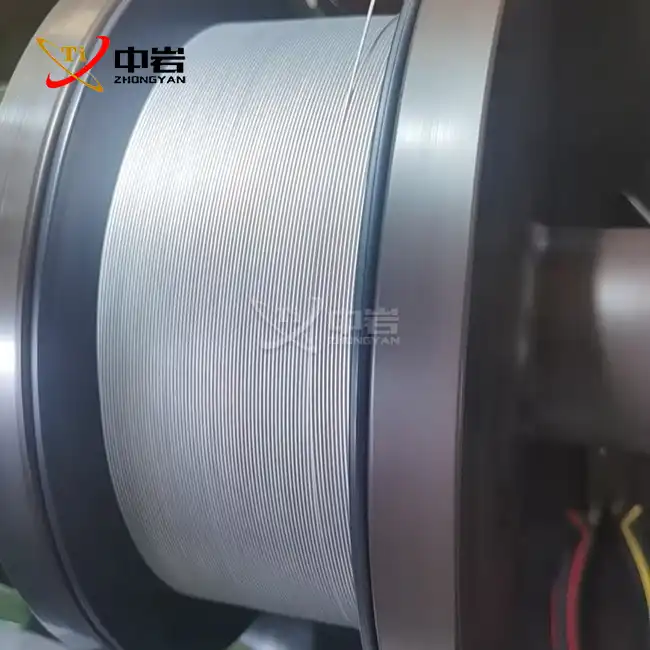
Titanium wire can be used in places where other metals wouldn't work because it is so tough. Titanium metal wire for industrial is safe to use because it is strong for its weight and doesn't rust too quickly. Because of this, it is very important in the fields that make electronics, drugs, medicine, and airplanes. Specialized materials, like this one, are great for tasks that regular materials can't do, like making things very carefully, working with strong chemicals, or trying to lose weight.
Introduction to Titanium Wire in Industry
Titanium wire is a big step forward in materials engineering because it has special qualities that change the way factories make things. The material's high rust resistance comes from its ability to form a safe oxide layer when exposed to air. This layer blocks harmful chemicals and weather conditions from getting through.
Fundamental Properties Driving Industrial Adoption
Titanium wire has a higher strength-to-weight ratio than steel, but it weighs about 45% less. This lets engineers make smaller parts without sacrificing structural integrity. This quality is very important in aircraft uses where every gram affects speed and fuel economy. Titanium is also biocompatible, which means it can be used to make medical devices, which need to be made in a way that is safe for human flesh.
Key Performance Characteristics
Titanium wire made for industry keeps its mechanical qualities at temperatures ranging from -200°C to 400°C, so it can be used reliably in harsh conditions. The material is very resistant to wear and can survive millions of stress cycles without breaking down. When put together, these qualities make a material that works better than other options in tough situations where failure would have big effects.
Properties and Types of Titanium Wire for Industrial Applications
When buying workers know about the different types and ratios of titanium wire, they can choose the best materials for each job. The American Society for Testing and Materials (ASTM) grading system gives materials regular grades that describe their chemical make-up and mechanical features.
Commercially Pure Titanium Grades
Grade 1 titanium is the lightest and most malleable choice. It is made up of 99.5% pure titanium and very few alloying elements. This grade is perfect for chemical processing equipment and naval uses because it can be shaped easily and doesn't rust. With a minimum tensile strength of 345 MPa, Grade 2 titanium is the most common industrial grade. It has the best mix of strength, flexibility, and rust protection.Grade 3 and Grade 4 titanium are stronger than Grade 2 titanium because oxygen and iron are added in controlled amounts. These grades keep their great resistance to rust while also giving them better dynamic qualities for building uses. Grade 2 titanium metal wire is usually used for general uses in industrial settings because it is flexible and cheap.
Titanium Alloy Compositions
Ti-6Al-4V (Grade 5) is the most common titanium metal. It has increased strength thanks to the addition of 6% aluminum and 4% vanadium. These alloys have tensile strengths greater than 900 MPa and are very resistant to rust. Grade 23 (Ti-6Al-4V ELI) is better at being shaped and less likely to break, so it can be used in important medical and military projects.The choice between commercially pure grades and combinations is based on the needs of the application. Pure grades work best in places where they can rust, while alloys are better for making structure parts because they have better mechanical qualities.
Applications of Titanium Wire in Industrial Manufacturing
Titanium wire is very useful because it can be used in many different industries. Each one uses the wire's unique qualities to solve its own problems. When buying teams understand these uses, they can find ways to improve efficiency and cut costs.
Aerospace and Defense Applications
Titanium metal wire for industrial is used by aerospace companies to make safety-critical parts like airplane springs, bolts, and structural elements. The fact that the material stays strong at high temperatures makes it an important part of engine parts and ventilation systems. Titanium is good for military uses because it doesn't reflect radar and doesn't react with chemicals found on the battlefield.In aircraft design, reducing weight is still very important. Titanium metal wire used in industry can cut the weight of parts by up to 40% compared to steel options. The direct result of this decrease is better fuel economy and more storage space.
Medical Device Manufacturing
Titanium wire can be used in surgery implants, dental devices, and medical tools because it is biocompatible. Titanium, unlike other metals, osseointegrates with human bone tissue, making strong ties that support the success of implants for a long time. Heart stents, joint support devices, and oral implants are all examples of surgical wire uses.Medical-grade titanium wire has to meet strict rules, such as FDA approval and ISO 10993 biocompatibility standards. Because the material isn't magnetic, people who have titanium implants can safely go through MRI treatments.
Chemical Processing Industry
Titanium wire is used in chemical processing plants for equipment that is exposed to harsh chemicals like chlorine, sulfuric acid, and saltwater. Because the material is so resistant to rust, protective coverings are not needed. This saves money on upkeep costs. It can be used in filter systems, heat transfer tubes, and parts of reactor vessels.Titanium parts often last longer in toxic settings, which makes the higher original cost worth it because they are less likely to break and work less often. Titanium metal wire used in chemistry industries can work for decades without breaking down.
Comparing Titanium Wire with Other Industrial Metal Wires
Procurement decisions require careful evaluation of material properties, performance characteristics, and total cost of ownership. Comparing titanium wire with alternative materials provides insights into optimal selection criteria.
Titanium versus Stainless Steel Wire
Stainless steel wire is cheaper to buy at first, but it can't be used in places where corrosion is a problem or where weight is an issue. Even though 316L stainless steel is good at resisting rust, titanium does better in places with a lot of salt. Titanium wire is about 40% stronger than stainless steel, which makes it possible to make shapes that are lighter and work better.Temperature stability is another important difference. Titanium keeps its mechanical qualities at levels where stainless steel starts to break down. This property is very important in high-temperature situations, like chemical processing and aircraft.
Performance Analysis Against Nickel Alloys
Nickel-based metals, such as Inconel, are very good at withstanding high temperatures, but they are much more expensive than titanium. Nickel metals work best in high-temperature situations above 500°C, but titanium is more cost-effective in mild temperature ranges. Titanium's density advantage is most noticeable in situations where reducing weight is useful for operations.Titanium is better at resisting corrosion in oxidizing and salt environments, while nickel metals are better in reducing acid environments. The best material is chosen by analyzing the surroundings in terms of the application.
Cost-Benefit Evaluation Framework
When you figure out the total cost of ownership, you have to include the prices of materials, processing, upkeep, and the expected service life. Titanium wire is very expensive, but it often offers better long-term value because it lasts longer and needs less upkeep. Costs are cut generally by getting rid of protecting coverings and replacing things less often.When making something, you have to think about how different materials can be shaped and machined. Titanium can be worked with in special ways, but it also gives designers a lot of freedom because it is so easy to shape.
Procurement and Supplier Considerations for Industrial Titanium Wire
Selecting qualified suppliers requires comprehensive evaluation of quality systems, certifications, and manufacturing capabilities. The specialized nature of titanium metal wire for industrial applications demands suppliers with proven expertise and robust quality control processes.
Quality Certification Requirements
Titanium wire suppliers for the industrial sector must keep up with ISO 9001:2015 quality management systems and industry-specific standards like AS9100 for aircraft uses. For medical device uses, materials meant for internal devices need to be certified by ISO 13485 and registered with the FDA. Because of these certificates, the quality is always the same and can be tracked all the way through the production process.The ASTM B863 standards say what titanium wire is made of and how it should behave mechanically, while the AWS A5.16 standards say how it should be used for welding. For each production lot, suppliers must give material test reports that show the chemical make-up, mechanical qualities, and size compliance.
Manufacturing Capability Assessment
When judging a supplier's ability to make things, you have to look at their production tools, quality control tools, and professional know-how. Advanced sellers use vacuum heating to make sure the material is pure and there is little to no leakage. The different wire sizes and surface finishes are based on how well the cold drawing machine can work.As part of quality control methods, inductively coupled plasma (ICP) analysis should be used to check the chemical makeup, tension tests should be used to check the mechanical properties, and surface inspection should be used to find flaws. When it comes to special uses, suppliers who offer custom sizes and processes can add extra value.When judging a supplier's ability to make things, you have to look at their production tools, quality control tools, and professional know-how. Advanced sellers use vacuum heating to make sure the material is pure and there is little to no leakage. The different wire sizes and surface finishes are based on how well the cold drawing machine can work.As part of quality control methods, inductively coupled plasma (ICP) analysis should be used to check the chemical makeup, tension tests should be used to check the mechanical properties, and surface inspection should be used to find flaws. When it comes to special uses, suppliers who offer custom sizes and processes can add extra value.
Supply Chain Reliability Factors
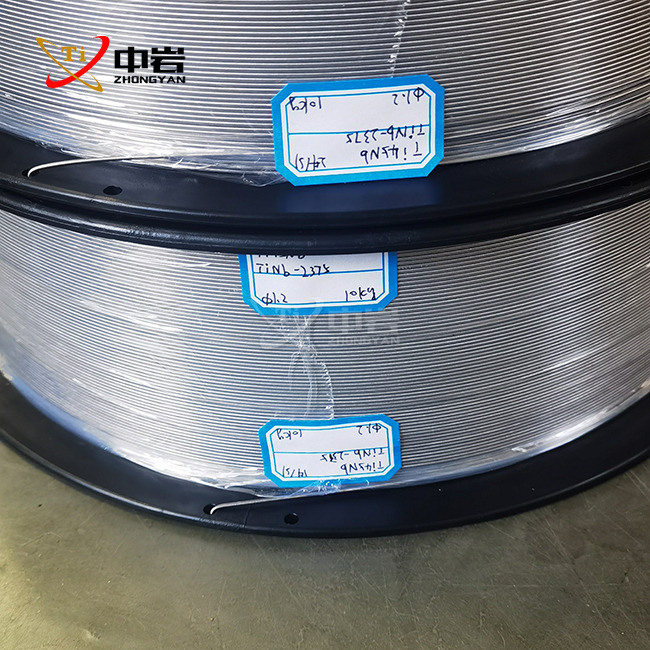
For titanium wire to be supplied reliably, providers must have stable sources of raw materials and good methods for managing their stock. Because there aren't many companies that make titanium sponge, there are some possible weak spots in the supply chain. Qualified providers can fix these problems by working together and keeping extra supplies on hand.Keeping track of lead times is important for planning projects because standard goods are usually ready in 4 to 6 weeks, while special specs take 8 to 12 weeks. When you need something quickly, suppliers who can process your order quickly can be very helpful.Baoji Zhongyan Titanium Industry Co., Ltd. is a good example of this kind of seller because they give a wide range of titanium wire products, such as Θ0.8mm ×500m coils in CP Grade 2 titanium. Our goods are certified by ISO 9001 and meet the standards set by ASTM B863. This guarantees consistent quality for welding, filtration, and aircraft uses. The material is very pure, doesn't rust, has a smooth, bright surface, and has a minimum tensile strength of 345 MPa. It comes in handy 10-15 kg spools, and the widths can be customized from 0.5 to 3mm.
Conclusion
Titanium metal wire for industrial uses is an important material option for harsh production settings where regular metals don't work well. Corrosion protection, a high strength-to-weight ratio, and biocompatibility make it possible for new designs to be made in the medical, chemical processing, aircraft, and electronics industries. When buying workers know about the different types, qualities, and uses of materials, they can make choices that improve performance while keeping prices low. For adoption to go smoothly, you need to work with skilled providers who follow strict quality standards and have the technical know-how to support complex apps.
FAQ
What makes titanium wire superior to other metal wires in industrial applications?
Titanium wire offers an exceptional combination of properties that surpass conventional materials in demanding environments. The corrosion resistance exceeds stainless steel, particularly in chloride-rich conditions, while providing 40% weight reduction compared to steel alternatives. The biocompatibility enables medical applications impossible with other metals, and the strength-to-weight ratio allows design optimizations that improve overall system performance.
How do I select the appropriate titanium grade for my specific application?
Grade selection depends on the balance between corrosion resistance, mechanical properties, and formability requirements. Grade 2 titanium provides optimal versatility for general industrial applications with excellent corrosion resistance and moderate strength. Grade 5 (Ti-6Al-4V) alloy offers maximum strength for structural applications, while Grade 1 provides superior formability for complex shapes. Environmental conditions, stress levels, and temperature ranges guide the selection process.
What quality standards should I expect from industrial titanium wire suppliers?
Reputable suppliers maintain ISO 9001:2015 certification with industry-specific standards such as AS9100 for aerospace or ISO 13485 for medical applications. Material test certificates should document compliance with ASTM B863 specifications, including chemical composition analysis, mechanical property testing, and dimensional verification. Traceability documentation enables tracking from raw material source through final processing.
Can titanium wire be processed using standard manufacturing equipment?
Titanium metal wire for industrial applications requires specialized processing considerations due to its unique properties. While standard wire drawing and forming equipment can be used, modifications may be necessary to accommodate titanium's lower modulus of elasticity and galling tendency. Proper lubrication, tool materials, and processing parameters prevent work hardening and ensure consistent results.
What are the typical lead times and minimum order quantities for titanium wire?
Standard titanium wire grades typically require 4-6 weeks for delivery, while custom specifications may extend to 8-12 weeks depending on complexity. Minimum order quantities vary by diameter and grade, generally ranging from 25-100 pounds for standard sizes. Suppliers maintaining inventory programs can offer shorter lead times for frequently used specifications.
Partner with Zhongyan for Premium Titanium Metal Wire Solutions
Zhongyan stands as your trusted titanium metal wire for industrial supplier, delivering exceptional quality and precision to meet your most demanding applications. Our comprehensive manufacturing capabilities include custom CNC machining, precision drawing, and specialized surface treatments that ensure optimal performance in aerospace, medical, and chemical processing environments. Located in China's Titanium Valley, we leverage advanced production technology and rigorous quality control systems certified to ISO 9001:2015 standards. Our technical team provides expert consultation to optimize material selection and processing parameters for your specific requirements. Contact our specialists at sales@titaniumstudy.com to discuss your titanium wire needs and discover how our solutions can enhance your manufacturing processes while reducing total cost of ownership.
References
1. Boyer, R., Welsch, G., and Collings, E.W. "Materials Properties Handbook: Titanium Alloys." ASM International, Materials Park, Ohio, 1994.
2. Lutjering, G. and Williams, J.C. "Titanium: Engineering Materials and Processes." Springer-Verlag Berlin Heidelberg, 2003.
3. Donachie, Matthew J. "Titanium: A Technical Guide, 2nd Edition." ASM International, Materials Park, Ohio, 2000.
4. Peters, M., Kumpfert, J., Ward, C.H., and Leyens, C. "Titanium Alloys for Aerospace Applications." Advanced Engineering Materials, Vol. 5, No. 6, 2003.
5. Schutz, R.W. and Thomas, D.E. "Corrosion of Titanium and Titanium Alloys in Industrial Applications." Metals Handbook, 9th Edition, Volume 13, ASM International, 1987.
6. American Society for Testing and Materials. "ASTM B863-21: Standard Specification for Titanium and Titanium Alloy Wire." ASTM International, West Conshohocken, Pennsylvania, 2021.
Learn about our latest products and discounts through SMS or email