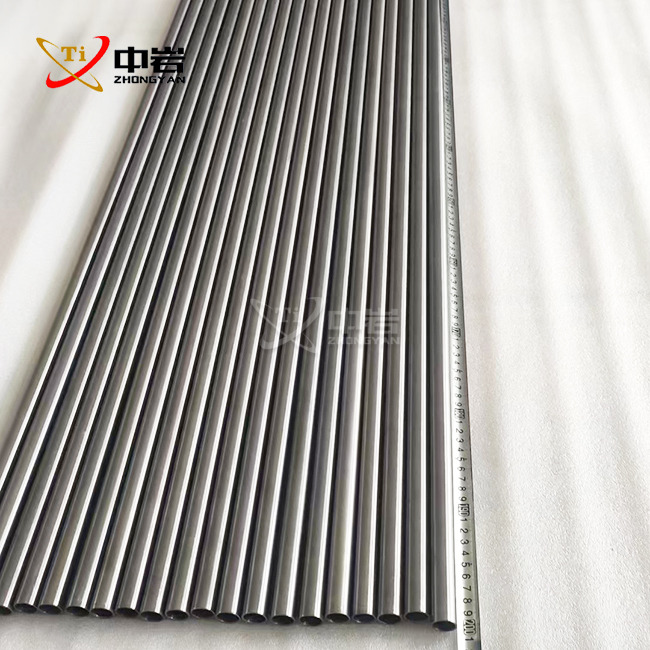
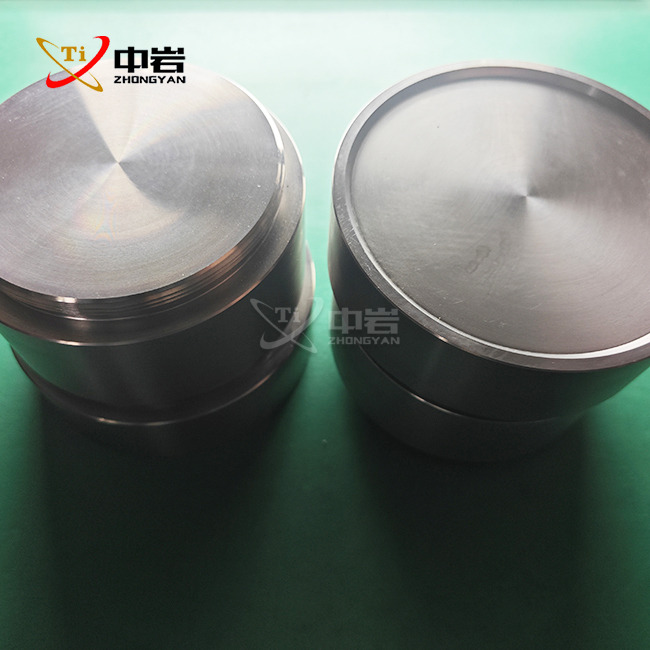
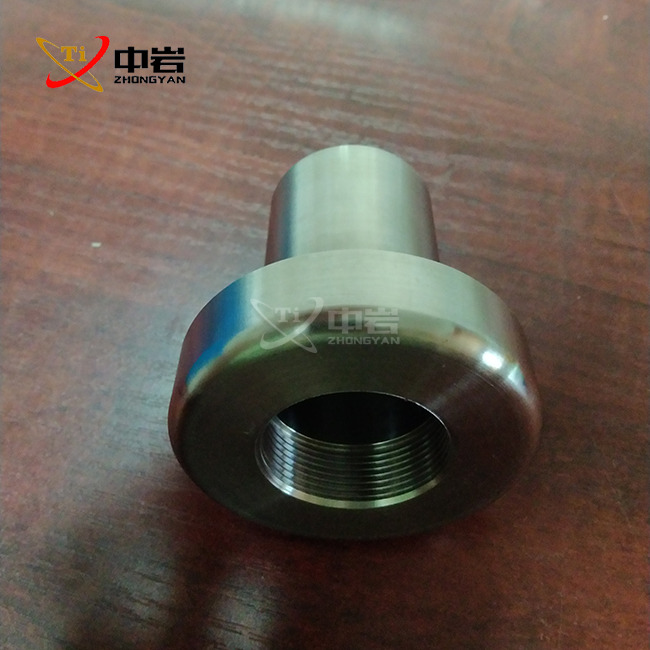
Choosing the proper manufacturer for high-quality gr4 titanium bar for aerospace, medical, or industrial applications is vital. Grade 4 titanium is one of the most versatile commercially pure titanium alloys, with high strength-to-weight ratios and corrosion resistance. Chinese titanium valley leaders like Zhongyan offer cost-effective alternatives for global procurement teams with extensive production capabilities that match international requirements.
As sectors discover titanium's unique qualities, the global market grows. Grade 4 titanium bars are essential for aeronautical, medicinal, chemical, and marine applications. China dominates titanium manufacturing with excellent processing technology and abundant raw materials.
Nowadays, procurement managers must choose reputable suppliers who can guarantee quality, timely delivery, and reasonable pricing. Titanium processing demands advanced equipment, skilled technicians, and strong quality management systems. Successful sourcing strategies require supplier identification and evaluation.
China's Manufacturing Excellence in Grade 4 Titanium Production
Advanced Processing Capabilities
Chinese titanium manufacturers have substantially invested in cutting-edge equipment to make high-quality titanium alloy bars. Modern facilities assure material purity and consistency with vacuum arc remelting (VAR). CNC machining centers provide exact dimensional control, and modern heat treatment systems enhance mechanical qualities for specific applications.
Baoji, China's Titanium Valley, features specialist titanium processors. These enterprises benefit from proximity to raw material suppliers, research institutions, and supporting industries. The concentration of expertise has created a competitive atmosphere that boosts innovation and quality.
Cost-Effective Production Scale
Production volume and cost efficiency are advantages of Chinese manufacturers. Large-scale operations allow competitive pricing without compromising quality. Many factories have many production lines for small custom requests and high-volume needs.
Automation and lean manufacturing have increased productivity and quality control. Chinese vendors are attractive to companies looking to optimize procurement costs due to their scale and efficiency.
Technical Innovation and Research Capabilities
Leading Chinese titanium manufacturers maintain strong partnerships with research institutions and universities. These collaborations drive development of new processing techniques, alloy compositions, and application-specific solutions. Companies like Zhongyan leverage these relationships to offer customized gr4 titanium bar solutions that meet unique customer specifications.
Essential Criteria for Manufacturer Selection
Production Capacity Assessment
Consider vendors who can regularly meet your volume needs. To assure continuity, choose manufacturers with several manufacturing lines and backup equipment. Consider their capacity usage and production scaling for growth.
Compare the supplier's raw material procurement and inventory management methods. To avoid disruptions, reliable manufacturers stockpile materials and have several suppliers.
Technical Expertise Evaluation
Assess the manufacturer's technical capabilities through their engineering team credentials and project portfolio. Experienced suppliers should demonstrate proficiency in working with various titanium properties and application-specific requirements.
Equipment and manufacturing techniques should be checked. For uniform mechanical properties and dimensions, modern facilities need advanced melting, forging, and machining technology.
Quality Management Systems
Check the supplier's quality control and testing. Quality systems should comprise incoming material inspection, in-process monitoring, and final product testing with appropriate equipment.
Find signs of continual improvement and remedial action. Reliable manufacturers keep meticulous quality records and aggressive quality control.
Customer Service and Communication
Assess the supplier's communication and responsiveness. Effective suppliers offer personalized account management, technical support, and project updates throughout production.
Consider their technical documents, material certificates, and traceability records. Professional providers have extensive paperwork for customer and regulatory compliance.
Supply Chain Reliability
Evaluate the manufacturer's supply chain risk management and resilience. Reliable suppliers have broad supplier bases, backup inventory, and disruption strategies.
Check logistics and shipping partnerships. Efficient providers offer flexible delivery and can meet urgent needs.
Critical Certification Standards and Compliance Requirements
International Quality Certifications
ISO 9001:2015 certification represents the foundation of quality management for titanium manufacturers. This standard ensures consistent processes, documentation, and continuous improvement practices. Advanced suppliers often maintain additional certifications such as AS9100 for aerospace applications or ISO 13485 for medical devices.
Look for manufacturers with industry-specific certifications relevant to your applications. Aerospace titanium suppliers should demonstrate compliance with AS9100, while medical device manufacturers require ISO 13485 certification and FDA registration where applicable.
Material Standards Compliance
Check that suppliers can deliver ASTM, AMS, or ISO-compliant products. Grade 4 titanium should meet ASTM B348 for bars and ASTM F67 for surgical implants. Manufacturers should monitor compliance and keep certificates.
Materials and performance are consistent among providers thanks to international standards. Compliance with these standards aids governmental approvals and market acceptance.
Environmental and Safety Regulations
Responsible producers follow safety and environmental laws. Check for ISO 14001 and OHSAS 18001 compliance.
Company sustainability plans make environmental compliance more vital. Environmentally responsible suppliers frequently have better management and long-term viability.
Effective Sourcing Strategies and Platform Utilization
B2B Platform Evaluation
Professional B2B platforms provide access to verified suppliers with detailed company profiles and product catalogs. These platforms often include supplier verification services, transaction protection, and communication tools that facilitate initial supplier identification and evaluation.
Utilize platform search filters to identify suppliers specializing in gr4 titanium bar production with relevant certifications and experience in your industry. Review supplier ratings, customer feedback, and transaction history when available.
Trade Show Participation
Industry trade events allow supplier connection and product appraisal. Suppliers and technical professionals can connect at major titanium and materials fairs.
Trade exhibits allow hands-on product assessment and technical assistance. Industry trends, new technologies, and emerging suppliers are revealed at these events.
Direct Manufacturer Contact
Directly communicating with producers may increase pricing and communication. Direct communication avoids markups and connects technical support teams.
Many established firms have foreign sales offices or representatives to serve global consumers. These resources boost communication efficiency with local language support and time zone alignment.
Successful OEM and ODM Partnership Development
Capability Assessment for Custom Projects
Evaluate potential partners based on their design and development capabilities for custom gr4 titanium bar applications. Look for suppliers with in-house engineering teams, prototyping capabilities, and experience in similar projects.
Review their portfolio of successful custom projects and client testimonials. Experienced OEM/ODM partners should demonstrate ability to translate customer requirements into manufacturable designs while optimizing for cost and performance.
Intellectual Property Protection
Establish unambiguous IP and confidentiality agreements. Reliable partners should sign extensive non-disclosure agreements and guarantee design protection.
Make sure the provider understands international intellectual property regulations and protects customer data internally. Private design data is stored securely by professional providers.
Project Management and Communication Protocols
Set clear custom development communication methods and milestones. Effective partners document project progress, update progress, and offer several communication channels.
Find providers who have managed international projects and understand time zones and cultures. Professional project management greatly affects project success.
Strategic Approaches to MOQ and Pricing Negotiations
Understanding Market Pricing Dynamics
Raw titanium prices greatly affect finished product costs. Considering market trends and pricing helps time purchases and negotiate better terms. Monitor titanium sponge prices, the main titanium product cost.
Remember overall cost of ownership beyond purchase price. Consider quality, delivery reliability, technical support, and rework costs while assessing supplier proposals.
MOQ Optimization Strategies
Discuss MOQ requirements with suppliers and find ways to lower them. Some manufacturers offer flexible MOQs for established customers or mix products to satisfy minimums.
Consider inventory management solutions that match supplier MOQs and save carrying costs. Set up framework agreements for scheduled deliveries against annual volume obligations.
Long-term Partnership Benefits
Build long-term connections with important suppliers to get better price and priority during peak demand. Partnerships often improve cost, technical assistance, and supply chain prioritization.
Consider exclusive or preferred supplier agreements that ensure volume for competitive pricing and better service.
Comprehensive Factory Assessment and Quality Assurance
On-site Audit Procedures
Assess manufacturing, quality, and operations with rigorous facility audits. Professional audits should assess equipment, process controls, quality, and personnel training.
Document findings and provide improvement dates for deficiencies. Compliance and progress are maintained via regular audits.
Quality Control Verification
Assess quality control and testing equipment. Make sure suppliers have mechanical, chemical, and dimensional testing equipment.
Examine quality records and statistical process control data for process stability and capability. Reliable vendors check quality databases and undertake constant monitoring.
Supply Chain Transparency
Assess supplier transparency about raw materials and sub-suppliers. Understanding the entire supply chain helps identify hazards and guarantees industry compliance.
Get raw material and processing history. Applications needing material certification and regulatory compliance require traceability.
Conclusion
Technical capabilities, quality systems, and operational excellence must be assessed to choose trusted gr4 titanium bar manufacturers. Chinese producers, especially in Baoji's titanium valley, offer attractive technology, cost-effectiveness, and production capacity. Success requires supplier assessment, clear communication of requirements, and strategic alliances that support long-term corporate goals. Professional procurement teams benefit from rigorous supplier evaluations that consider all capabilities and commitment to continual improvement.
FAQ
Q: What makes Grade 4 titanium different from other commercially pure titanium grades?
A: Grade 4 titanium offers the highest strength among commercially pure titanium grades, with tensile strength up to 550 MPa. It maintains excellent corrosion resistance and biocompatibility while providing superior mechanical properties for demanding applications in aerospace, medical, and marine environments.
Q: How can I verify the quality of titanium bars from Chinese manufacturers?
A: Request material test certificates showing chemical composition and mechanical properties. Verify compliance with relevant ASTM or ISO standards. Consider third-party testing and facility audits to confirm quality systems and manufacturing capabilities.
Q: What lead times should I expect for custom gr4 titanium bar orders?
A: Lead times vary based on specifications and order quantities, typically ranging from 4-8 weeks for standard sizes and 6-12 weeks for custom dimensions. Established suppliers with adequate inventory may offer shorter lead times for standard products.
Partner with Zhongyan for Premium Grade 4 Titanium Solutions
Zhongyan stands out as a leading gr4 titanium bar manufacturer in China's titanium valley, combining decades of expertise with cutting-edge manufacturing technologies. Our comprehensive capabilities encompass everything from raw material processing to precision CNC machining, ensuring complete traceability and quality control throughout the production process. Located in Baoji, we leverage proximity to premium titanium resources and advanced research facilities to deliver superior products that meet the most demanding aerospace, medical, and industrial applications.
Our ISO 9001:2015-certified plant offers affordable prices and flexible MOQ while maintaining high quality. Our competent technical staff supports you from design consultation to delivery of standard or custom titanium bars. High-volume production and precision and reliability for OEM and ODM projects are our specialties.
Ready to protect your titanium supply chain with a reliable partner? Discuss your needs with our expert staff to learn how Zhongyan can optimize your procurement strategy. Contact sales@titaniumstudy.com for complete quotes, technical specifications, and customized solutions that meet project timeframes and quality standards.
References
1. ASM International Handbook Committee. "Properties and Selection of Titanium Alloys." ASM Handbook Volume 2: Properties and Selection: Nonferrous Alloys and Special-Purpose Materials, 2019.
2. Boyer, R.R., Welsch, G., and Collings, E.W. "Materials Properties Handbook: Titanium Alloys." ASM International, 2018.
3. International Titanium Association. "Titanium Industry Market Analysis and Global Supply Chain Report." Annual Industry Review, 2024.
4. Peters, M., Kumpfert, J., Ward, C.H., and Leyens, C. "Titanium and Titanium Alloys: Fundamentals and Applications." Manufacturing Technology Research, 2023.
5. Lutjering, G. and Williams, J.C. "Titanium Engineering Materials and Processing Technology." Advanced Materials & Processes International, 2022.
6. Chinese Titanium Industry Association. "China Titanium Manufacturing Standards and Quality Control Guidelines." Industry Standards Publication, 2024.