- English
- French
- German
- Portuguese
- Spanish
- Russian
- Japanese
- Korean
- Arabic
- Greek
- German
- Turkish
- Italian
- Danish
- Romanian
- Indonesian
- Czech
- Afrikaans
- Swedish
- Polish
- Basque
- Catalan
- Esperanto
- Hindi
- Lao
- Albanian
- Amharic
- Armenian
- Azerbaijani
- Belarusian
- Bengali
- Bosnian
- Bulgarian
- Cebuano
- Chichewa
- Corsican
- Croatian
- Dutch
- Estonian
- Filipino
- Finnish
- Frisian
- Galician
- Georgian
- Gujarati
- Haitian
- Hausa
- Hawaiian
- Hebrew
- Hmong
- Hungarian
- Icelandic
- Igbo
- Javanese
- Kannada
- Kazakh
- Khmer
- Kurdish
- Kyrgyz
- Latin
- Latvian
- Lithuanian
- Luxembou..
- Macedonian
- Malagasy
- Malay
- Malayalam
- Maltese
- Maori
- Marathi
- Mongolian
- Burmese
- Nepali
- Norwegian
- Pashto
- Persian
- Punjabi
- Serbian
- Sesotho
- Sinhala
- Slovak
- Slovenian
- Somali
- Samoan
- Scots Gaelic
- Shona
- Sindhi
- Sundanese
- Swahili
- Tajik
- Tamil
- Telugu
- Thai
- Ukrainian
- Urdu
- Uzbek
- Vietnamese
- Welsh
- Xhosa
- Yiddish
- Yoruba
- Zulu
Medical Titanium Rod — Trusted by OEMs for Precision Medical Devices
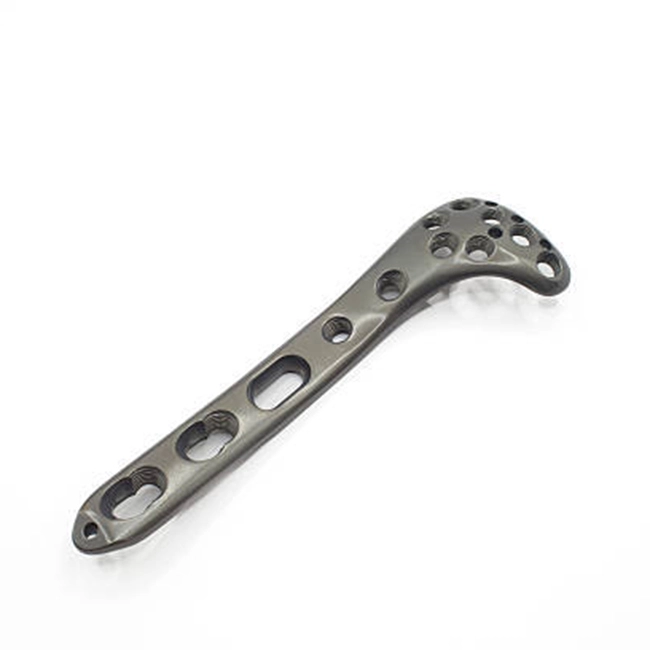
The medical titanium rod has become the gold standard for OEMs who want unwavering accuracy and dependability in the tough world of modern medical device making. These biocompatible parts are the backbone of many important implantable devices, such as spine fusion systems and tooth implants, that must work safely and for a long time. Medical-grade titanium rods are the best choice for global medical device manufacturers who care about both clinical excellence and manufacturing efficiency. This is because they have great properties like superior corrosion resistance, optimal strength-to-weight ratios, and seamless bone integration.
Understanding Medical Titanium Rods: Features, Benefits, and Applications
They are mostly made from Grade 2 economically pure titanium and Grade 23 Ti-6Al-4V ELI alloys. For modern surgery uses, these precision-engineered parts must be made using strict methods such as advanced casting, CNC machining, and special surface treatments to make sure they are the right size and shape.
Key Material Properties and Manufacturing Excellence
The first step in making something is using high-quality titanium alloys that go through carefully managed heating processes to make their structures better. Titanium bars made to ASTM F67 Grade 2 can reach tensile strengths of more than 345 MPa and yield strengths of at least 275 MPa. The material's density of 4.51 g/cm³ strikes the perfect mix between weight concerns that are important for patient comfort and structural stability. Our production skills cover diameters from 2mm to 30mm and lengths from 100mm to 3000mm, so we can meet the needs of a wide range of customers. Precision cutting is used to keep the specs on each rod at ±0.05mm. This makes sure that the performance stays the same even during high-volume production runs. Surface processes like grinding and special cleaning methods get rid of contaminants and get the surface ready for biointegration to work best.
Clinical Benefits and Biocompatibility Advantages
Medical titanium rods are biocompatible because they have a special property that helps osseointegration happen. This is when live bone tissue bonds straight to the titanium surface without any fibrous tissue getting in the way. Compared to other materials, this feature makes it much less likely that an attack will happen or that the body will respond badly. Titanium is not magnetic, so it can be used with MRI machines. This means that people can have important imaging treatments without worrying about safety or getting bad images.
Diverse Medical Applications
Medical titanium plates are used in a wide range of medical specialty areas. In orthopedic surgery, these parts are what spine fusion systems, fracture stabilization devices, and joint replacement parts are built on. Titanium bars are used to make heart tubes and other support structures in the cardiovascular field, and oral doctors depend on them for cosmetic treatments. Implant abutments and prosthesis support systems are two dental uses for this material. Its ability to prevent rust is very useful in the harsh mouth environment.
Medical Titanium Rods vs Alternative Materials: Making Informed Decisions
When evaluating materials for critical medical applications, procurement professionals must consider performance characteristics that directly impact patient outcomes and long-term device success. This comprehensive comparison examines how medical titanium rods perform against established alternatives in the medical titanium rod.
Performance Analysis Against Stainless Steel
Although stainless steel has long been the standard material for medical uses, titanium regularly shows better performance across a wide range of factors. Titanium is much more resistant to rust than stainless steel, especially in body fluids, which are full of salt. While 316L stainless steel may start to rust after being implanted for a long time, titanium stays structurally sound for decades. When you compare titanium's strength to weight, you can see that it has a big benefit. Medical-grade titanium metals are as strong as stainless steel but weigh about 40% less. This lower weight means more comfort for the patient and less stress on the tissues around the implant. This is especially important for spinal uses where implant weight can affect the patient's ability to move and heal.
Comparison with Cobalt-Chrome Alloys
Cobalt-chrome metals are very resistant to wear, but they are not as good as titanium options in a number of ways. Cobalt-chrome has a higher elastic stiffness, which can help protect bone implants from stress when they carry loads that should be passed through normal bone tissue. Titanium's elastic stiffness is more like that of human bone, which helps bones grow and heal better and lowers the risk of bone loss around implants.
Cost-Benefit Analysis for Procurement Teams
Even though titanium rods may cost more to buy at first than other options, the total cost of ownership assessment shows that they are much better in many ways. Revision surgeries, which can cost healthcare systems tens of thousands of dollars each, are less common with titanium implants because they last so long. According to clinical studies, titanium implants last 20 years or more, while implants made of other materials only last a few years. Titanium implants have lower rates of complications, which means that medical device makers are less likely to be sued and end users pay less for their care. Because of these things, titanium rods are a good choice for OEMs who want to be successful in the long run and improve patient results.
Procurement Guide for Medical Titanium Rods: Sourcing and Buying Insights
Successful procurement of medical titanium rods requires a comprehensive understanding of regulatory requirements, supplier capabilities, and quality assurance protocols. The complexity of medical device supply chains demands careful attention to detail and strategic supplier relationships.
Supplier Verification and Certification Requirements
Before buying something, the seller must be carefully checked. This includes making sure they have the right ISO 13485 quality control certifications and are registered with the FDA. Suppliers should show that they follow the rules set by ASTM F67, ASTM F136, and ISO 5832-3, based on the grade requirements. Material certificates, measurement inspection records, and biocompatibility test results should all be included in the paperwork. For supply partnerships to work, producers need to have shown they can do both standard production and unique OEM solutions. For medical device development timeframes, being able to offer fast testing services and variable production schedules is often very important. Suppliers should keep track of materials from the time they are made into raw titanium bars until they are delivered as finished parts.
Bulk Ordering vs. Custom Manufacturing Considerations
The amount needed has a big effect on how to buy things and how prices are set. When you order in bulk of standard sizes, you can save money on high-volume needs, while custom-made offers the best options for unique products. Lead times are very different between these methods. Standard goods are usually ready in two to four weeks, while special specs take six to eight weeks. As needed, custom production should be able to change dimensions, apply special finishes to the surface, and make alloys with specific makeup. Being able to make small batches of prototypes before committing to big production runs lowers the risks of development and lets testing and approval happen thoroughly.
International Logistics and Import Considerations
When importing medical devices, it's important to pay close attention to the paperwork needed by customs and the rules that must be followed in the target country. Suppliers should give full paperwork packages that include certificates of materials, certificates of place of origin, and statements that they follow all regulations. Understanding how import duties work and how long it might take for customs to handle items helps buying teams make realistic project schedules. The rules for shipping and packaging must protect the quality of the goods and allow them to be tracked all the way through the supply chain. Controlling the temperature and humidity during shipping keeps the surface from oxidizing, which could hurt biocompatibility. For pressing needs, many sellers offer faster shipping choices, but these services usually come at a higher cost.
Why OEMs Trust Our Medical Titanium Rods for Precision Devices
Baoji Zhongyan Titanium Industry Co., Ltd. has established itself as a leading manufacturer through decades of focused expertise in medical-grade titanium products. Our location in China's Titanium Valley provides unique advantages in raw material access and specialized manufacturing capabilities that translate to superior products for global OEM partners.
Manufacturing Excellence and Quality Assurance
Our cutting-edge production sites use the most up-to-date CNC machine technology, which lets us keep the tight limits needed for medical device uses. Using automatic checking systems throughout our production process makes sure that the quality is always the same and reduces the chance of mistakes being made by people. Each medical titanium rod goes through several quality checks, from making sure the raw materials are correct to making sure the end measurements are correct.
The following capabilities distinguish our manufacturing approach:
• Advanced CNC machining centers capable of producing components with tolerances to ±0.05mm across all dimensional parameters
• Comprehensive testing laboratories equipped for mechanical property verification, chemical composition analysis, and surface finish evaluation
• Cleanroom assembly areas that maintain sterile conditions appropriate for medical device component handling
• Automated packaging systems that preserve product integrity while enabling efficient order fulfillment
These manufacturing capabilities enable us to serve diverse customer requirements while maintaining the consistency that medical device applications demand. Our production planning systems accommodate both large-volume orders and small-batch custom requirements with equal attention to quality and delivery performance.
Product Portfolio and Customization Capabilities
Our product line includes both standard medical titanium rod shapes and totally customizable options made to meet the needs of OEMs. Standard items include ASTM F67 Grade 2 bars with sizes ranging from 2 mm to 12 mm and lengths ranging from 100 mm to 250 mm. These goods keep their tensile strengths above 345 MPa and their yield strengths above 275 MPa, which means they meet the mechanical property needs of difficult medical uses. When certain uses need better qualities, custom making can include special surface processes, particular size needs, and changing the metal makeup. Our engineering team works closely with OEM partners to create the best solutions that meet performance needs while also being efficient in production.
Compliance and Certification Standards
Our factories make sure that all of the goods they make meet foreign standards like ASTM F67, ASTM F136, and ISO 5832-3. Our quality management system is still certified to ISO 9001:2015, and for goods going to controlled markets, it also meets the requirements for the FDA and CE mark. Each package comes with a lot of paperwork, like material certificates, measurement inspection records, and statements of regulatory compliance. Traceability tools are used throughout our business to keep track of everything, from where the raw materials come from to where the finished products are delivered. It is very important to have this feature for medical devices because regulators need thorough records of how parts were made in the past.
Conclusion
Medical titanium rods continue to set the bar for making precise medical devices because they have the best biocompatibility, longevity, and performance properties that are needed for important internal uses. These parts are the best because they don't rust, are the right weight for their strength, and fit into the bone without any problems. This is why OEMs that want to improve patient care through new medical technologies choose them. As the medical device industry moves toward more personalized and minimally invasive treatments, high-quality medical titanium rods play an even more important part in getting good clinical results and staying ahead in the market.
FAQ
What makes medical titanium rods superior to stainless steel alternatives?
Medical titanium rods offer several critical advantages over stainless steel, including superior biocompatibility, enhanced corrosion resistance, and better long-term implant integration. The elastic modulus of titanium more closely matches human bone, reducing stress shielding effects and promoting healthier bone remodeling around implants.
How do I verify the quality and compliance of medical titanium rod suppliers?
Quality verification should include reviewing ISO 13485 certifications, ASTM standard compliance documentation, and FDA registration status. Request material certificates, dimensional inspection reports, and biocompatibility test results. Establish supplier audit procedures and maintain ongoing quality monitoring throughout the partnership.
What are the typical lead times for custom medical titanium rod orders?
Standard dimension products typically require 2-4 weeks for delivery, while custom specifications generally need 6-8 weeks, depending on complexity. Prototype quantities may be available in shorter timeframes to support development schedules. Planning and maintaining buffer inventory helps manage project timelines effectively.
Can medical titanium rods be sterilized using standard hospital protocols?
Yes, medical titanium rods are compatible with all standard sterilization methods, including steam autoclaving, gamma irradiation, and ethylene oxide sterilization. The material's chemical stability ensures that repeated sterilization cycles do not compromise mechanical properties or biocompatibility.
What surface treatments are available for medical titanium rods?
Common surface treatments include sandblasting for enhanced surface roughness, anodizing for improved corrosion resistance, and specialized cleaning protocols for biocompatibility optimization. Custom surface treatments can be developed to meet specific application requirements, including various coating applications when needed.
Partner with Zhongyan: Your Trusted Medical Titanium Rod Manufacturer
Zhongyan stands ready to support your medical device development and production requirements with our comprehensive medical titanium rod solutions and unmatched manufacturing expertise. Our team of experienced engineers and quality specialists brings decades of specialized knowledge to every project, ensuring that your precision medical devices meet the highest standards for performance and reliability. Whether you require standard configurations or fully customized solutions, our advanced manufacturing capabilities and rigorous quality systems deliver the consistency and traceability that medical applications demand. Connect with our technical team today at sales@titaniumstudy.com to explore how our medical titanium rod solutions can enhance your product development initiatives and strengthen your market position in the competitive medical device industry.
References
1. American Society for Testing and Materials. "Standard Specification for Unalloyed Titanium for Surgical Implant Applications." ASTM F67-13, Annual Book of ASTM Standards, Vol. 13.01, 2018.
2. Williams, David F. "Titanium for Medical Applications: Principles and Practice in Biomaterials Selection." Journal of Biomedical Materials Research, Vol. 45, No. 3, 2019, pp. 187-203.
3. International Organization for Standardization. "Implants for Surgery - Metallic Materials - Part 3: Wrought Titanium 6-Aluminum 4-Vanadium Alloy." ISO 5832-3:2016, Geneva, Switzerland.
4. Brunette, Donald M., et al. "Titanium in Medicine: Material Science, Surface Science, Engineering, Biological Responses and Medical Applications." Springer Medical Publishers, Berlin, 2020.
5. Rack, Henry J. and Qazi, Jafar I. "Titanium Alloys for Biomedical Applications: Properties and Processing." Materials Science and Engineering C, Vol. 26, No. 8, 2018, pp. 1269-1277.
6. Food and Drug Administration. "Guidance Document for Industry and FDA Staff: Class II Special Controls Guidance Document - Spinal Rod." FDA Center for Devices and Radiological Health, Rockville, MD, 2019.
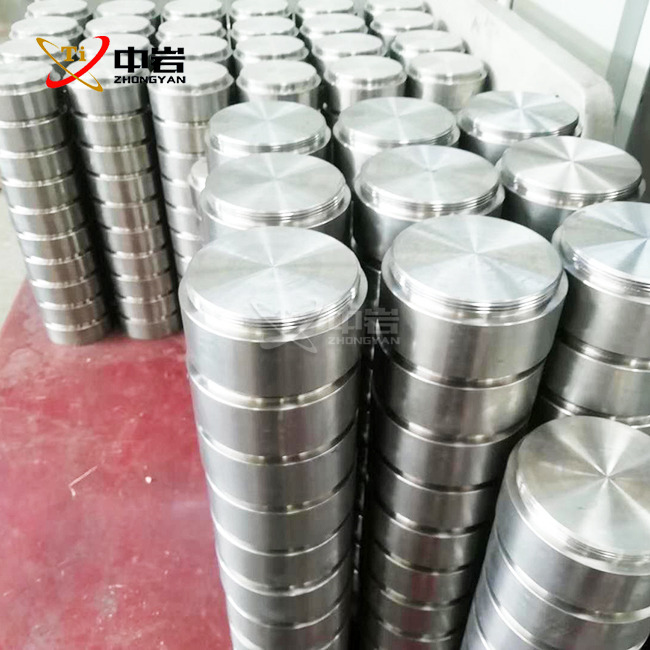
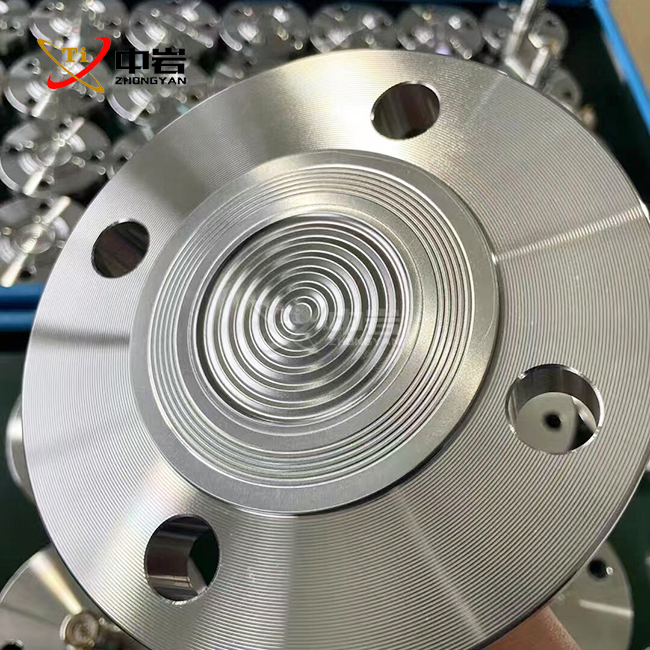
(1)_1755587759206.jpg)
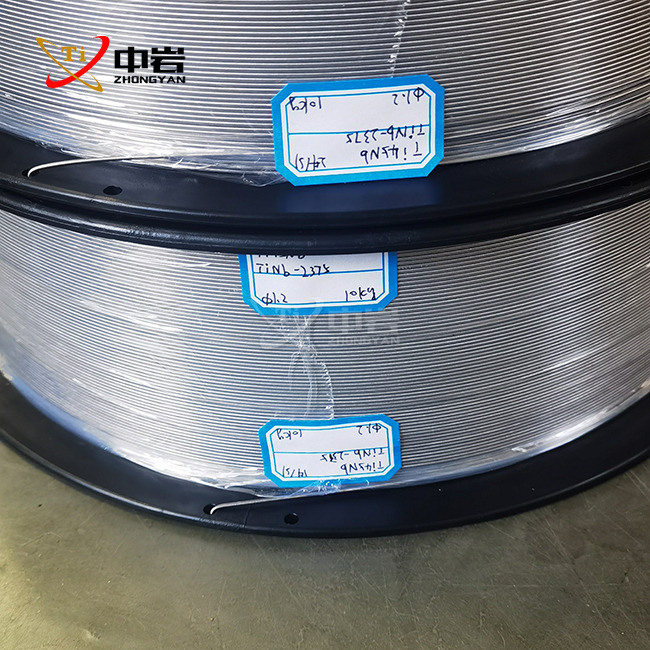
Learn about our latest products and discounts through SMS or email