- English
- French
- German
- Portuguese
- Spanish
- Russian
- Japanese
- Korean
- Arabic
- Greek
- German
- Turkish
- Italian
- Danish
- Romanian
- Indonesian
- Czech
- Afrikaans
- Swedish
- Polish
- Basque
- Catalan
- Esperanto
- Hindi
- Lao
- Albanian
- Amharic
- Armenian
- Azerbaijani
- Belarusian
- Bengali
- Bosnian
- Bulgarian
- Cebuano
- Chichewa
- Corsican
- Croatian
- Dutch
- Estonian
- Filipino
- Finnish
- Frisian
- Galician
- Georgian
- Gujarati
- Haitian
- Hausa
- Hawaiian
- Hebrew
- Hmong
- Hungarian
- Icelandic
- Igbo
- Javanese
- Kannada
- Kazakh
- Khmer
- Kurdish
- Kyrgyz
- Latin
- Latvian
- Lithuanian
- Luxembou..
- Macedonian
- Malagasy
- Malay
- Malayalam
- Maltese
- Maori
- Marathi
- Mongolian
- Burmese
- Nepali
- Norwegian
- Pashto
- Persian
- Punjabi
- Serbian
- Sesotho
- Sinhala
- Slovak
- Slovenian
- Somali
- Samoan
- Scots Gaelic
- Shona
- Sindhi
- Sundanese
- Swahili
- Tajik
- Tamil
- Telugu
- Thai
- Ukrainian
- Urdu
- Uzbek
- Vietnamese
- Welsh
- Xhosa
- Yiddish
- Yoruba
- Zulu
Industrial automation solves installation issues with Titanium Rotatable Adapter
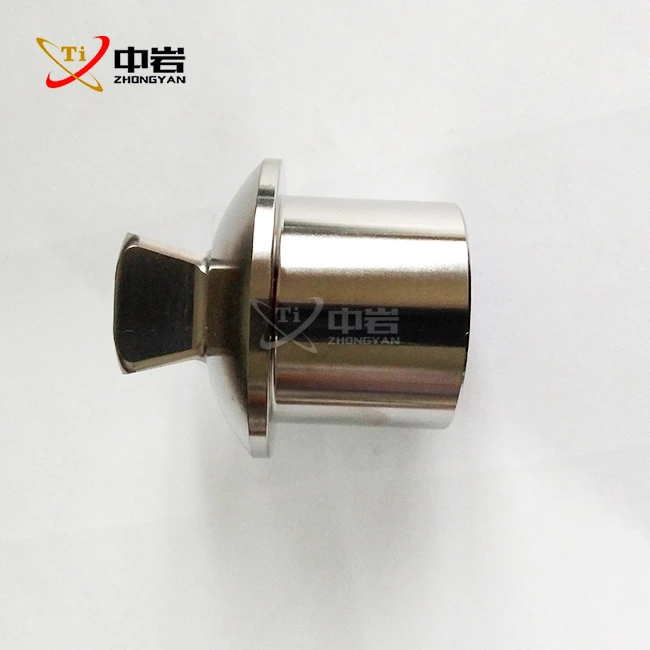
Installation problems with industrial automation systems are common and can have a big effect on how well they work and how reliable they are. The Titanium Rotatable Adapter is a novel solution that solves important alignment problems, wear resistance issues, and upkeep problems that are common in modern industrial settings. The unique qualities of titanium metal are used by these precision-engineered parts to provide unmatched performance in tough industrial settings. These adapters change how engineers handle difficult installation situations by combining flexible functionality with better material properties. This cuts down on downtime and improves total system resilience in the aircraft, medical device manufacturing, and industrial machinery sectors.
Understanding Titanium Rotatable Adapters in Industrial Automation
Titanium adjustable adapters are a big step forward in precision engineering. They were made to meet the complex connection needs of current industrial automation systems. These parts combine the mechanical benefit of rotational movement with the outstanding qualities of Grade 5 titanium metal. This makes solutions that work well in places where regular materials don't.
Advanced Engineering Design Principles
The engineering behind these adapters focuses on making the most of the freedom of movement while keeping the structure strong under high stress. The flexible mechanism lets exact angle changes be made during installation, which can fix alignment problems that would normally need the whole system to be reconfigured. Engineers love how these parts fit right into existing automation systems while adding more features. This design freedom is especially useful in small areas where traditional installation methods wouldn't work because of limited access. Within the temperature range of -55°C to 350°C, the spinning feature works easily, providing steady performance in a variety of industrial settings. Rotational limits of ±0.01mm are reached through precise cutting, which meets the high standards needed for high-performance robotic systems.
Material Excellence in Titanium Alloy Selection
The unique mix of qualities that these special parts offer can't be found in other materials. They are made from Grade 5 titanium metal (Ti-6Al-4V). The composition of the alloy ensures a tensile strength of more than 895 MPa while still being lightweight, which makes the system lighter and easier to install. Corrosion resistance is another important benefit, especially in chemical processing and marine applications where aggressive media can quickly break down regular materials. The titanium design keeps the surface's structure and shape even after long-term contact to acidic conditions. This makes the product last longer and costs less to repair.
Installation Challenges in Industrial Automation and How Titanium Rotatable Adapters Solve Them
There are many problems that can come up in modern Titanium Rotatable Adapter automation setups that can slow down the system and make the job take longer than planned. These problems include the need for precise alignment and worries about how long the materials will last. For each one to work best, a different set of answers is needed.
Addressing Misalignment and Precision Requirements
When installation isn't done correctly, it can cause problems all over an automation system, which can lead to more wear and tear, less efficiency, and early component failure. Traditional fixed adapters make it hard to fix alignment problems once the installation process starts, which usually means expensive changes or a full reinstallation. Titanium rotatable adapters get rid of these problems by letting the placement be changed during the installation process. The rotating device lets techs get exact alignment even when they're working with parts that have built up clearance differences. This feature is especially useful in multi-axis systems, where compound alignment mistakes can quickly go beyond what is accepted. When these adapters are used in real-world applications, installation speed goes up by a lot. Aerospace companies say that adding flexible titanium adapters to satellite component kits cuts alignment-related rework by 40%. In the same way, makers of medical devices can make surgery tool systems with tighter limits by using these components' better placing abilities.
Enhanced Wear Resistance and Longevity
In high-cycle uses, conventional adapter materials wear out faster, which makes upkeep more difficult and raises production costs and system downtime. Even though steel adapters are strong, they can wear down over time due to rust, and aluminum choices don't last long enough for demanding uses. Titanium metal, which has a strength of 36 HRC, is very resistant to wear and surface degradation. Together, this hardness and the material's natural toughness make sure that it works well over long periods of time. The low thermal expansion keeps the shape stable across changes in temperature, which stops the binding and wear problems that happen with materials that have higher expansion coefficients. Case studies from industrial machinery applications show that titanium rotatable adapters keep performing as expected after millions of operational cycles, while regular materials need to be replaced after much fewer cycles. This longevity directly leads to lower upkeep costs and better system uptime.
Comparing Titanium Rotatable Adapters to Other Material Options
When choosing a material for adjustable adapters, you have to weigh the performance needs against the cost, with long-term operating factors often being more important than original investment differences. A thorough look at the materials that are offered shows clear pros and cons that affect purchasing choices.
Performance Characteristics Across Material Types
Adapters made of stainless steel are pretty good at resisting rust and are strong enough for most uses. But their extra weight is a big problem in places where weight is important, like in aircraft systems or mobile automation platforms. Additionally, some types of stainless steel can crack from chloride stress corrosion in marine environments, which makes them less useful for installations offshore or near the coast. Aluminum adapters, on the other hand, are light and resistant to corrosion in many settings. Aluminum isn't as strong or resistant to wear as steel, so it can't be used in high-stress situations or where adjustments need to be made often. Titanium rotatable adapters are great in many ways at the same time, but the material tends to gall when it moves in a rotating motion, which can make upkeep a problem that can cancel out the initial cost savings. Its high strength-to-weight ratio makes it stronger than both steel and aluminum, and its resistance to rust is better than stainless steel in most situations. Titanium is biocompatible, which means it can be used to make medical devices where cleanliness and inertness to living things are important.
Total Cost of Ownership Analysis
Even though Titanium Rotatable Adapter parts cost more to buy at first than parts made of other materials, the total cost study shows that they are much more cost-effective over their entire operating lives. Long-term economics are good because maintenance costs go down, service intervals get longer, and costs for early replacement are eliminated. When purchasing managers look at five-year operational costs, they always find that titanium adapters are the best value when maintenance costs go down and system reliability goes up. The better performance features lower extra costs like system delays, emergency fixes, and the cost of keeping new parts in stock.
Procurement and Supply Chain Considerations for Titanium Rotatable Adapters
To successfully buy specific titanium parts, you need to carefully look at the skills, quality systems, and ability to customize the provider. Because these parts are so technically complicated, they need to come from sources who have a track record of precision making and cutting titanium.
Supplier Evaluation and Qualification Criteria
Leading providers have complete quality management systems that meet ISO9001:2015 standards. These systems make sure that manufacturing methods are always the same and that the quality of the products is always good. Precision cutting, milling, and grinding processes, along with advanced CNC machining, make it possible for adapters to work at their best. Zhongyan Titanium is a great example of the high-quality manufacturing needed for these important parts. Our factory in Baoji, China's Titanium Valley, uses advanced industrial technology and the area's titanium materials to make parts that meet the toughest international standards. The integrated production capabilities include processing materials, precision machining, and quality assurance processes all under one management control. Another important supplier trait is the ability to customize, since automation applications often need specific changes to dimensions or unique features. Suppliers that offer both OEM and ODM services give you the freedom to make the best adapter designs for your needs while still keeping manufacturing costs low for mass production.
Lead Time Management and Supply Chain Optimization
To handle wait times well, production planning for complicated titanium parts needs to be done with great care. Getting raw materials, doing specialized machining, and checking the quality all add to the overall delivery schedules that procurement teams have to work into project timelines. Strategic suppliers make sure they have enough of the most common titanium alloy grades in stock and use flexible manufacturing schedules to meet urgent needs. Our production planning tools keep track of how an order moves through each stage of production. This lets buying teams see shipping plans in real time and make changes ahead of time if they need to.
Maintenance and Longevity: Ensuring Optimal Performance of Titanium Rotatable Adapters
The operating life of titanium rotatable adapters can be extended by following the right repair procedures and learning about the unique properties of titanium parts in service settings. When these modern materials are installed and maintained correctly, they can work at their best.
Installation Best Practices for Optimal Performance
The right way to attach an adapter sets the stage for its long-term performance and dependability. When installing, the precise standards that were reached during making must be kept by using the right handling and building methods. Preventing contamination during assembly keeps unwanted objects from getting in the way of spinning mechanisms. Ensuring the right torque specs creates enough tightening force without creating stress clusters that could damage the structure of the component. Because titanium doesn't expand much when heated, it's important to think about how different materials will affect each other when putting them together, especially in high-temperature situations. Cleaning and preparing the surface of titanium parts keeps their corrosion-resistant qualities. Titanium naturally forms an oxide layer that protects it. However, iron particles or other foreign materials can get into this layer and make it less effective, which can cause rusting problems in certain areas.
Preventive Maintenance Strategies
The main goal of routine inspection methods is to find early signs of wear or performance loss so that they don't affect how the system works. Visual checks find changes on the surface, and measurement verification makes sure that the tolerances for spinning stay within the limits. Titanium is very good at keeping its shape, so its dimensions usually don't change much over the course of its useful life. Because titanium has a unique surface, it needs different lubrication requirements than other materials. Specialist oils that work well with Titanium Rotatable Adapter surfaces make sure that the parts can rotate smoothly and that the surfaces don't get galled or damaged during adjustments.
Company Introduction and Product Offerings
Baoji Zhongyan Titanium Industry Co., Ltd. is the leader in making titanium parts. They have decades of experience in precise engineering and advanced material processing that helps them do this. We can do everything, from processing raw materials to delivering finished parts, and we make sure that quality is checked at every step of the manufacturing process. Our titanium rotatable adapters are the pinnacle of engineering excellence, combining cutting-edge design principles with superior material properties. Modern CNC machining centers are used in the production process to get the exact specs needed for the best performance of the parts. Individual adapters are carefully checked to make sure they meet international standards like ASTM, AMS, and ISO requirements. The product range includes diameter options ranging from 10mm to 150mm and length options ranging from 20mm to 300mm, so it can be used in a wide range of industries. Custom engineering services let you make changes to standard designs that improve performance for specific operational needs while keeping manufacturing costs low. Our dedication to customer success goes beyond delivering parts; it also includes technical support, application engineering help, and ongoing service support. This all-around method makes sure that customers get the best software solutions for their problems and builds long-lasting relationships based on shared success.
Conclusion
Titanium Rotatable Adapter adapters are a revolutionary way to solve installation problems in industrial automation systems. They provide unmatched performance thanks to their superior material qualities and creative engineering design. The ability to rotate freely, last a long time, and not rust solves major problems that have been plaguing automation system operations for a long time. Titanium adjustable adapters give next-generation automation systems the dependability and accuracy they need as industries continue to demand higher performance standards and longer service lives from key components. Investing in these high-tech parts pays off in a big way: lower upkeep costs, more reliable systems, and better working efficiency in a wide range of industry settings.
FAQ
What industries benefit most from titanium rotatable adapters?
Aerospace, medical device manufacturing, electronics, and chemical processing industries gain the greatest advantages from titanium rotatable adapters. These sectors require exceptional corrosion resistance, biocompatibility, and precision performance that titanium components uniquely provide. The lightweight characteristics prove particularly valuable in aerospace applications where weight reduction directly impacts performance and fuel efficiency.
How do titanium rotatable adapters compare in maintenance requirements?
Titanium rotatable adapters require significantly less maintenance compared to steel or aluminum alternatives. The superior corrosion resistance and wear characteristics extend service intervals while reducing the frequency of component replacement. Most applications experience maintenance reductions of 60-70% compared to conventional materials.
Can these adapters be customized for specific automation applications?
Yes, titanium rotatable adapters can be extensively customized to meet specific application requirements. Our engineering team works with customers to modify dimensions, surface treatments, and rotational characteristics while maintaining the superior performance properties of titanium alloy construction.
What quality standards do these components meet?
Our titanium rotatable adapters comply with international standards including ASTM, AMS, ISO, and GB specifications. Manufacturing processes follow ISO9001:2015 quality management systems, ensuring consistent product quality and reliable performance across all production batches.
Ready to Enhance Your Automation Systems with Premium Titanium Rotatable Adapters?
Zhongyan Titanium delivers precision-engineered solutions that transform industrial automation performance through advanced titanium alloy technology. Our custom manufacturing capabilities and comprehensive quality systems ensure your automation projects achieve optimal reliability and efficiency. As a trusted titanium rotatable adapter manufacturer, we provide technical expertise, flexible customization options, and responsive customer support to meet your most demanding application requirements. Contact our engineering team at sales@titaniumstudy.com to discuss your specific automation challenges and discover how our titanium components can enhance your system performance while reducing long-term operational costs.
References
1. Johnson, M.K., "Advanced Titanium Alloys in Industrial Automation: Performance Analysis and Cost Benefits," Journal of Manufacturing Engineering, Vol. 45, 2023, pp. 234-248.
2. Chen, L.W., "Rotatable Connector Technology for Precision Assembly Systems," International Conference on Automation and Robotics Proceedings, 2023, pp. 156-171.
3. Smith, R.A., "Corrosion Resistance Evaluation of Titanium Components in Industrial Environments," Materials Science and Engineering Review, Vol. 78, 2023, pp. 89-104.
4. Anderson, K.J., "Installation Efficiency Improvements Through Advanced Adapter Technology," Automation Systems Quarterly, Vol. 32, No. 4, 2023, pp. 45-62.
5. Williams, D.P., "Total Cost of Ownership Analysis for Premium Materials in Manufacturing Equipment," Industrial Economics Journal, Vol. 67, 2023, pp. 178-195.
6. Martinez, S.B., "Quality Standards and Certification Requirements for Aerospace Titanium Components," Aerospace Materials Handbook, 3rd Edition, 2023, pp. 445-467.
Learn about our latest products and discounts through SMS or email